In recent years, the concept of modular houses has gained significant traction. But what is a modular house? According to expert Jamie R. Wells, a leading architect in sustainable housing, "Modular homes redefine how we think about construction and efficiency." This quote underscores the innovative nature of modular housing.
Modular houses are prefabricated homes built in sections or modules. These modules are constructed off-site in a controlled environment and then transported to the building location for assembly. The flexibility in design allows for customization while maintaining high building standards. However, the perception of modular homes still faces skepticism. Some people associate them with low quality or temporary structures.
Despite these concerns, modular homes offer several advantages, including reduced construction time and lower waste. Each module is engineered for durability and functionality. As the industry evolves, it becomes imperative to address misconceptions and highlight the potential of modular living. Exploring what a modular house truly represents is essential for both consumers and developers alike.
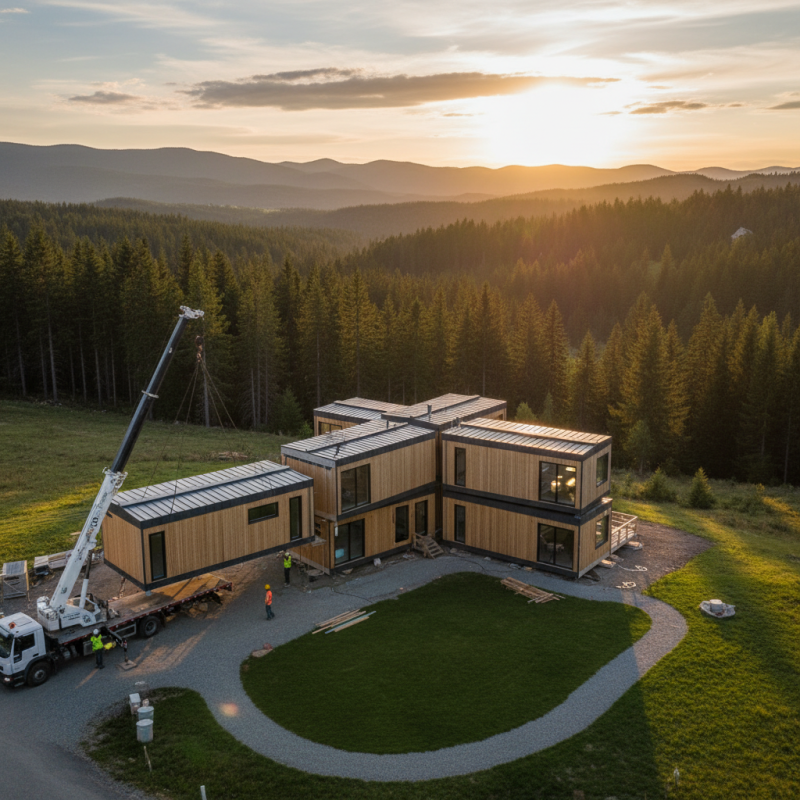
A modular house is a type of home that is built in sections, or modules, off-site. These modules are then transported to the final location for assembly. This method allows for greater efficiency and speed in construction. Key characteristics of modular houses include their flexibility in design and layout. Homeowners can choose customizable floor plans that reflect their needs.
One notable aspect of modular homes is their sustainability. Manufacturers often use eco-friendly materials. This is an attractive feature for environmentally conscious buyers. Another characteristic is the time factor; modular homes can be built in a fraction of the time of traditional houses. However, this speed can sometimes lead to corners being cut in quality.
Despite these benefits, there are challenges. Local regulations can complicate zoning approvals for modular homes. Some buyers may also have misconceptions about their durability and resale value. It's vital to research and understand these factors before making a decision. In the end, a modular house offers an innovative solution but requires careful consideration.
Modular houses are constructed using prefabricated sections called modules. These modules are built in controlled factory settings. This method reduces construction time significantly. Each module is designed to fit together seamlessly at the building site. This approach allows for customized layouts and designs, catering to various preferences.
Basic components of a modular house include walls, roofs, and floors, all made with precision. The walls often contain insulation and wiring installed during manufacturing. This ensures energy efficiency and structural integrity. Roof modules are typically designed to accommodate various styles, enhancing aesthetic appeal.
However, while modular homes offer efficiency, they come with challenges. Site preparation requires careful planning. Local building codes must be adhered to, which can complicate the process. Additionally, transportation of modules can introduce risks of damage. Homebuyers should understand these aspects before deciding on a modular home.
This bar chart illustrates the estimated costs of various basic components of a modular house. It includes the foundation, walls, roof, windows, doors, and utilities, providing a clear view of how costs are allocated in the construction process.
The modular home construction process is fascinating and efficient. It begins in a factory setting, where sections of the house, known as modules, are built. Skilled workers use precision tools to create walls, roofs, and floors. These modules are crafted using high-quality materials, ensuring durability and safety. Once complete, they are transported to the building site.
At the site, the modules are carefully assembled. Crane operators lift each piece into place, connecting them securely. This process significantly reduces construction time compared to traditional methods. It is crucial to ensure that all connections are properly sealed. Sometimes, even minor errors can lead to issues later on. Relying on strong communication among team members can prevent such problems.
While modular building offers many advantages, challenges exist. Weather delays can slow progress during transportation. Additionally, local regulations may complicate the process. Navigating these hurdles requires experience and attention to detail. Each project is unique, and overcoming obstacles is part of the journey to create a functional home.
Modular housing offers several advantages and disadvantages. On the positive side, these homes are often quicker to construct. According to a report by McKinsey, modular homes can be built in a fraction of the time compared to traditional houses. This reduced timeline can significantly lower labor costs.
Energy efficiency is another major benefit. Modular homes are often designed with eco-friendly features. A study from the National Association of Home Builders (NAHB) indicates that modular construction can reduce waste by up to 50%. This not only helps the environment but also decreases material costs.
However, there are challenges. Limited design flexibility can be a concern. Once a module is built, altering its size or shape may be complex and costly. Additionally, financing options may be restricted compared to traditional homes. These factors can make potential buyers hesitant. The market is still adjusting to this building method, leading to uncertainties for future resale values.
| Aspect | Description |
|---|---|
| Definition | A modular house is a prefabricated structure built from sections called modules, which are manufactured off-site and then assembled on-site. |
| Construction Time | Generally quicker than traditional construction, often completed in weeks instead of months. |
| Cost | Can be more affordable than conventional homes, but costs vary based on design and materials. |
| Customization | Offers various customization options, though it may be less flexible than site-built homes during construction. |
| Energy Efficiency | Many modular homes are designed with energy efficiency in mind, including better insulation and energy-saving systems. |
| Mobility | Some modular homes are designed to be relocated, offering flexibility for homeowners. |
| Building Codes | Modular homes must comply with local building codes and regulations, similar to traditional homes. |
| Durability | Often built to be more durable than traditional homes due to factory construction processes and strict quality controls. |
Modular homes face numerous misconceptions that often cloud their true value. Many believe these homes lack quality. However, according to the Modular Home Builders Association, modular homes are constructed under strict building codes, ensuring structural integrity. Often, they exceed traditional homes in energy efficiency, frequently achieving higher insulation ratings.
Another common myth is that modular homes are only temporary solutions. In reality, many homeowners report that these homes provide long-lasting satisfaction. Data from the National Association of Home Builders shows that modular homes appreciate in value similarly to traditional homes. Some owners even note enhanced resale potential due to modern designs and efficient building practices.
Tips: Choosing a modular home can be a rewarding experience. Research local builders and their previous projects. Take time to visit completed homes to understand their quality. Neglecting this could lead to regrettable choices. Additionally, clarify the specifics of warranties, as they vary widely among manufacturers. Make informed decisions to avoid future surprises.
: The process involves building sections, or modules, in a factory and assembling them on-site.
Skilled workers use precision tools to create walls, roofs, and floors with high-quality materials.
Modules are carefully assembled using cranes. Secure connections are essential to avoid future issues.
They are quicker to construct, which can lower labor costs significantly.
Many are designed with eco-friendly features that reduce waste by up to 50%.
Weather delays can slow down transportation and local regulations may complicate the building process.
Yes, once a module is made, changing its shape or size can be complex and costly.
Financing may be more restricted compared to traditional homes, making buyers hesitant.
The market is adjusting, leading to uncertainties about future resale values.
Minor errors in connections can lead to significant issues, making communication crucial.
A modular house is a prefabricated structure built in sections, or modules, that are assembled on-site. Key characteristics include efficient construction, energy-saving features, and the capability for customization. The basic components of a modular house typically involve a sturdy frame, high-quality insulation, and durable finishes, which contribute to the home's longevity and sustainability.
The construction process of a modular home is systematic, beginning with design and factory assembly, followed by transportation and on-site installation. While modular housing has notable advantages, such as quicker build times and often lower costs, there are also disadvantages, including potential zoning challenges and misunderstandings about the quality compared to traditional homes. Common misconceptions suggest that modular houses lack aesthetic appeal or durability, but modern designs and materials prove otherwise. Understanding what is a modular house helps clarify its benefits and address these misconceptions effectively.

SES House