In the face of shifting demographics, rapid urbanization, and the immediate need for localized facility responses, traditional brick-and-mortar educational construction is failing to keep pace. The requirement is clear: modern, safe, energy-efficient learning spaces built in fraction of the time.
Foshan SES House Co., Ltd. is a leading Modular House Manufacturer | Prefabricated Homes, Container Houses & Steel Structure Buildings dedicated to providing innovative, efficient, and sustainable building solutions for clients worldwide. With extensive experience in prefabricated construction, the company serves residential, commercial, industrial, educational, healthcare, and infrastructure sectors through high-quality modular building systems.
Located in Foshan, China, SES House operates advanced manufacturing facilities equipped with modern production technologies and strict quality management systems. The company specializes in the design, engineering, manufacturing, and installation of a wide range of modular structures, including prefabricated homes, container houses, steel structure buildings, modular villas, portable houses, worker camps, modular offices, educational facilities, healthcare buildings, and customized commercial projects.
SES House offers comprehensive OEM, ODM, and project-based solutions tailored to the specific requirements of developers, contractors, government agencies, and private enterprises. From architectural planning and structural design to manufacturing, transportation, and on-site assembly support, the company delivers complete turnkey modular construction services. Every project is engineered to achieve durability, safety, energy efficiency, and rapid deployment.
Across Europe, North America, Oceania, and fast-developing Asian corridors, the adoption rate of off-site manufactured (OSM) schools has accelerated significantly. Modern public procurement models (like the UK's DfE framework and school district capital plans across the USA) are actively prioritizing industrialized construction technologies due to severe shortages in skilled construction labor and tightening carbon footprint regulations.
Modular construction allows educational organizations to capture the benefits of parallel processing. While site foundation, utility connection, and civil works occur in-situ, the modular classrooms, administrative wings, and science laboratories are manufactured in controlled factory conditions. According to recent McKinsey industry reports, modular infrastructure projects yield average cost savings of up to 20% compared to traditional site-cast models, and reduce project schedules by 50%.
Driven by strict energy efficiency requirements (such as Net Zero Energy Buildings / NZEB in EU and LEED certifications in USA) and structural safety. High demands for indoor air quality (IAQ) and acoustic insulation.
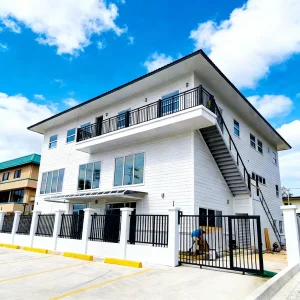
Facing massive structural deficits in student seating. Modular school systems are used to build dynamic double-story permanent campuses in less than 90 days, solving critical local capacity issues.
For operations in remote regions (mining camps, indigenous communities), where transport cost of standard raw materials is prohibitive. Packaged flat-packs provide full architectural capability with low shipping footprints.
Engineering a modular classroom is a complex multidisciplinary exercise. It requires matching structural durability, long-life protection against environmental hazards, and creating a supportive environment for learning (optimal lighting, acoustics, and indoor air safety).
Fabricated using heavy-duty, cold-formed structural steel sections (Grade Q355B or S355JR). Hot-dip galvanized coating (zinc mass ≥ 275g/m²) guarantees superior corrosion protection for 50+ years.
We deploy high-density Polyisocyanurate (PIR) or Rockwool sandwich panels with thicknesses ranging from 75mm to 150mm. Designed to achieve U-values lower than 0.22 W/(m²·K) to reduce HVAC load.
Double-layer partition configurations filled with mineral wool acoustic batts. This prevents noise transmission between classrooms, maintaining a Sound Transmission Class (STC) rating of ≥ 48dB.
Non-combustible interior wall linings, Class A fire-rated sandwich core materials, and structural coatings that provide up to a 120-minute structural stability rating in compliance with BS EN 13501.
Foshan is recognized globally as the premier industrial hub for metallic structures, ceramic construction products, and advanced architectural hardware. Manufacturing modular schools within the Foshan industrial cluster allows Foshan SES House Co., Ltd. to leverage unmatched ecosystem integrations:
Quality and innovation are at the core of the company's operations. By utilizing premium steel structures, environmentally friendly materials, and precision manufacturing processes, SES House ensures reliable building performance while reducing construction time and labor costs compared to traditional construction methods.
Exporting structural components internationally requires strict compliance with localized structural and life-safety codes. Foshan SES House Co., Ltd. approaches certification at the design stage. We work with third-party engineering agencies to perform FEA (Finite Element Analysis) simulating specific local environmental actions.
Our modular school engineering workflows comply with regional building standards across global export routes:
IBC (International Building Code) alignment, ASCE 7 structural design criteria, fire protection systems in accordance with NFPA, and certified electrical/plumbing configurations matching UL and ETL requirements.
Structural calculation outputs engineered under Eurocode 3 (Design of steel structures) and Eurocode 4. Thermal rating compliance matching national CE/EN standards, along with certified low-VOC interior materials.
AS/NZS 1170 for structural design actions (wind, seismic, snow, and liquid loads). Corrosion protection levels calibrated to withstand local high-saline coastal environments (C4 and C5 atmospheric zones).
Unlike generic residential units, educational environments require configurations optimized for different teaching environments and activities. Modular systems are highly versatile and can be configured for various educational needs:
Fast-growing metropolitan school districts often face unexpected surges in student enrollment. Ready-to-ship double-story modular school blocks provide permanent extensions without local site disruptions.
Following seismic, windstorm, or fire incidents, restoring local educational infrastructure is key to community stability. SES flat-pack school halls and modular classrooms deploy to disaster sites in weeks.
Building in remote areas is challenging due to the lack of local materials and skilled trades. Flat-pack modular systems bypass these local bottlenecks, providing standardized, modern classrooms to remote communities.
Configurable designs for STEM laboratories, IT hubs, and library modules. These units include integrated utility routing, chemical-resistant benching, and specialized ventilation systems built right at the factory.
The future of modular educational design lies in the integration of smart systems, circular economy principles, and low-embodied-carbon construction. Foshan SES House Co., Ltd. is focusing its development efforts on several key areas:
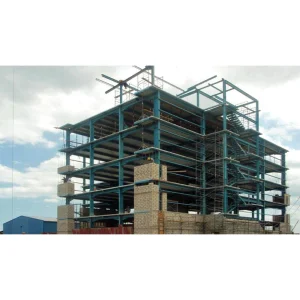
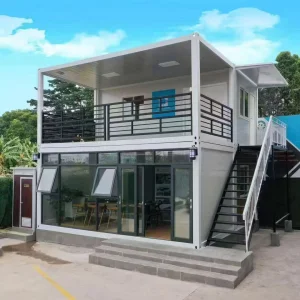
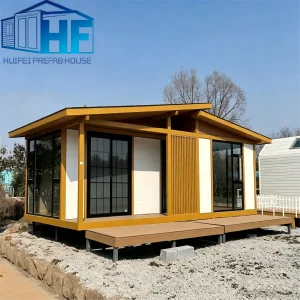
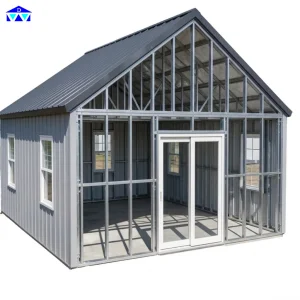
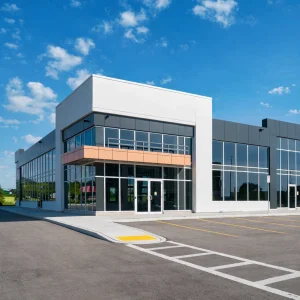
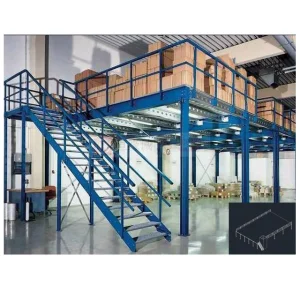
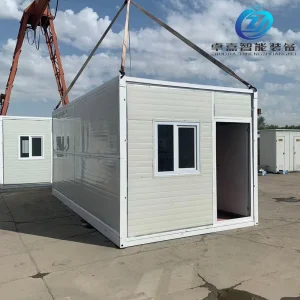
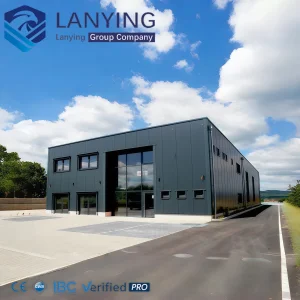
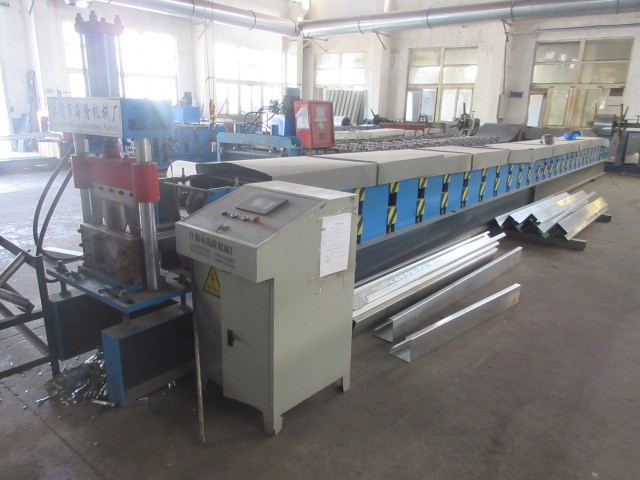
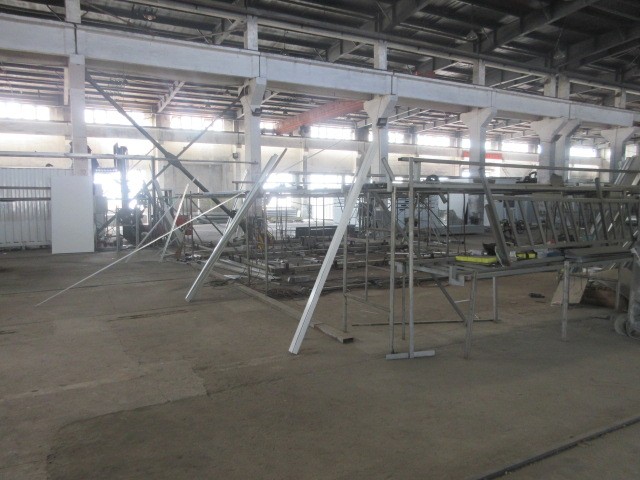
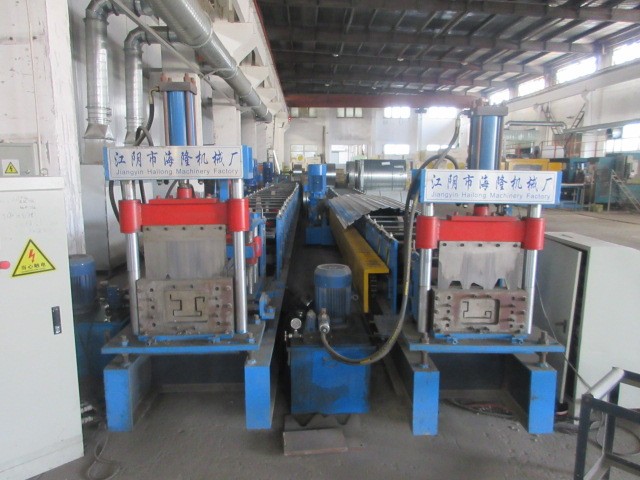
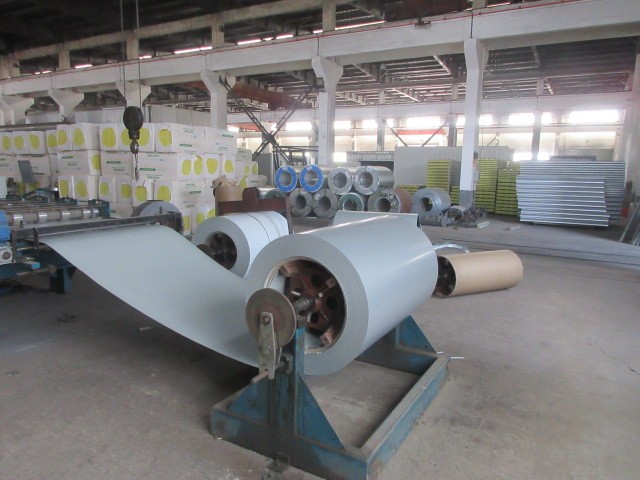
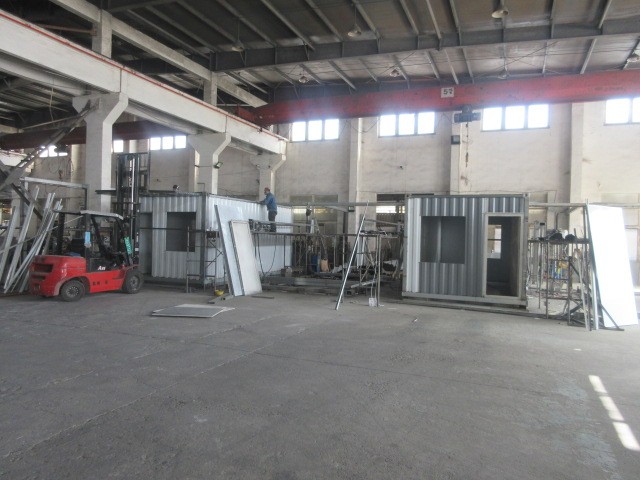
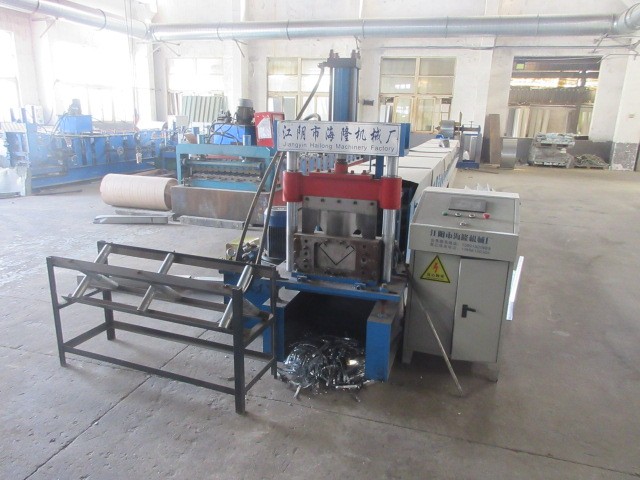
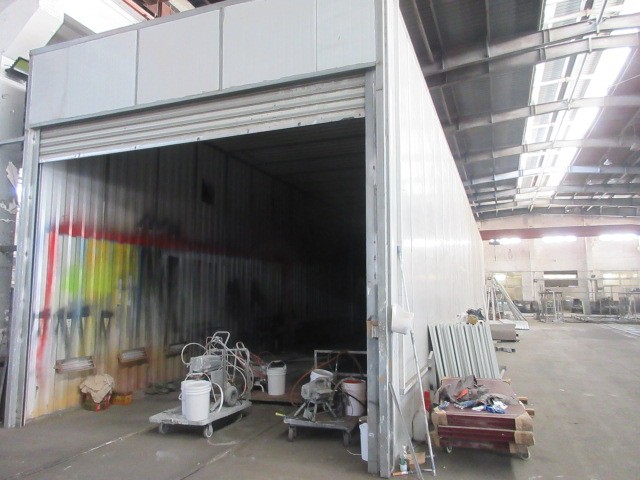
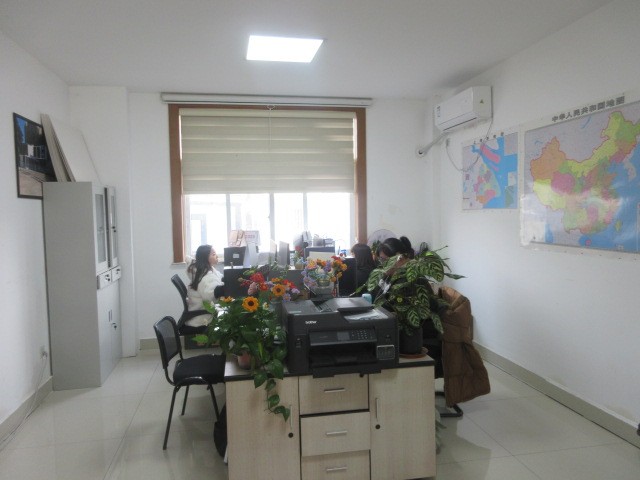
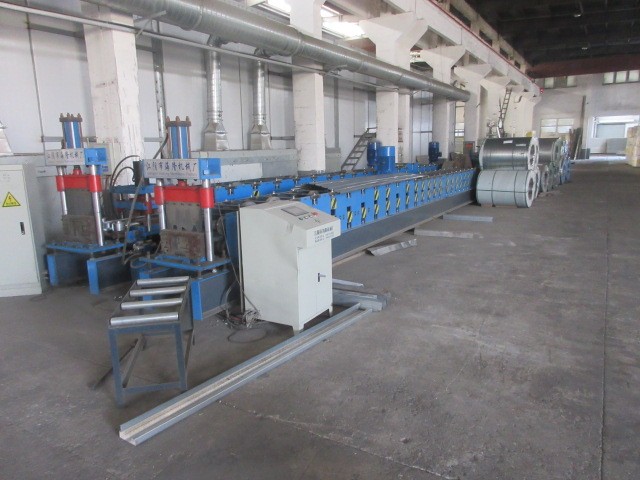
A visual overview of our advanced production lines, structural frameworks, and global modular projects.
 SES House