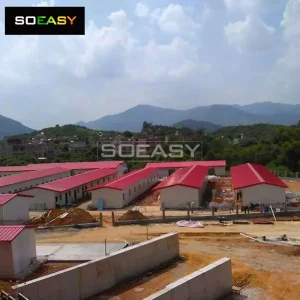
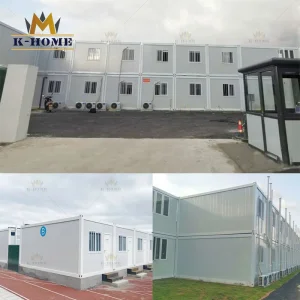
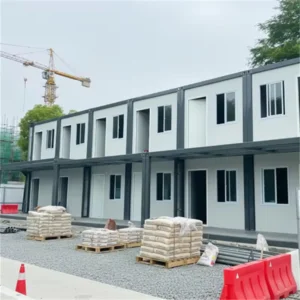
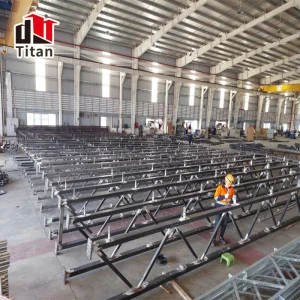
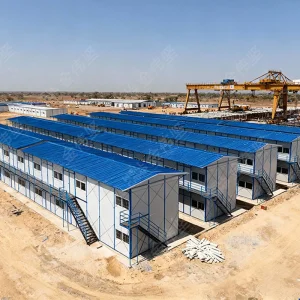
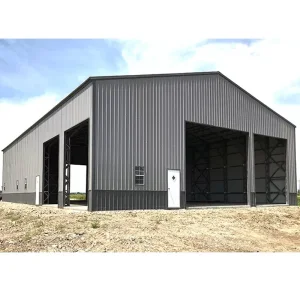
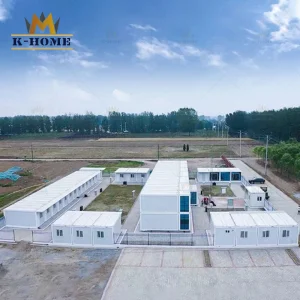
Rapid-deployment structures engineered for immediate structural integrity and weather resistance.
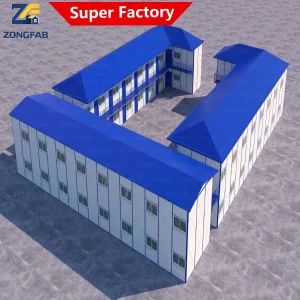
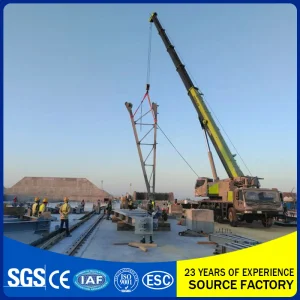
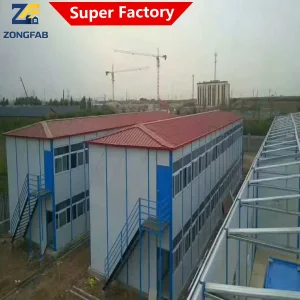
Modern mega-scale mining developments, oil and gas exploration sites, and municipal infrastructure projects rely heavily on prefabricated facilities. The success of remote camp operations lies in the strength, adaptability, and thermal insulation of their structural modules. Foshan SES House Co., Ltd. has established a comprehensive design and production framework that optimizes worker camps for thermal dynamics, seismic durability, and fast assembly.
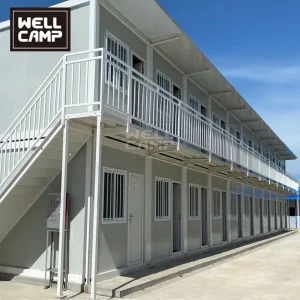
To support high-density populations in extreme weather zones, structural engineers prioritize modular building systems. Using advanced structural profiles and composite materials, SES House designs robust residential, administrative, and industrial facilities. These buildings meet high safety and regulatory standards, keeping workforce occupants safe in challenging locations worldwide.
The global demand for mineral extraction, renewable energy facilities, and long-range transport networks has changed the requirements for worker housing. Remote job sites now need more than just simple shelter; they require complex, integrated ecosystems with high-standard insulation, integrated utilities, and fire-resistant materials. Modern projects demand that prefabricated accommodations offer similar quality and safety to permanent urban developments.
Environmental, Social, and Governance (ESG) guidelines are also shaping current procurement decisions. Companies now focus on the life-cycle environmental impact of their remote worker camps. Prefabricated steel structure buildings offer significant benefits here, as they can be disassembled, transported, and reassembled for subsequent projects. This circular approach reduces waste and minimizes the long-term impact on local sites.
Modern prefabricated housing relies on high-quality composite materials. Polyurethane (PU), Polyisocyanurate (PIR), and Rockwool sandwich panels serve as the primary barriers against extreme heat and cold. When combined with light steel frame engineering, these materials improve energy efficiency, keeping heating and cooling costs low. Steel structures also prevent warping, moisture retention, and pest infestation, providing a durable solution compared to traditional wood-frame shelters.
A breakdown of the structural components and thermal performance metrics utilized by SES House.
A direct performance comparison of modern temporary housing solutions.
| Housing System Type | Structural Load Capability | Thermal Efficiency Rating | Installation Speed | Relocation Potential |
|---|---|---|---|---|
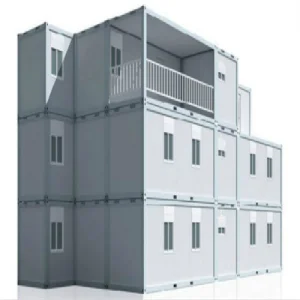
| Flat-Pack Container House | High (Stackable up to 3 units) | Excellent (PU / Rockwool panels) | Fastest (Plug & Play) | 100% reusable |
| K-House Modular System | Moderate (Light steel frame) | Good (Sandwich panel exterior) | Highly cost-efficient | Reusable up to 5 times |
| T-House Modular System | High (Hidden steel framework) | Excellent (Heavy cladding support) | Moderate assembly speed | Reusable up to 8 times |
How modular construction designs adapt to specific regional conditions and project requirements.
Projects in places like Qatar and Australia need high-grade thermal insulation. Double-glazed windows, light-reflecting outer panels, and integrated HVAC conduits help manage cooling demands and protect building systems from heat stress.
For operations in northern climates, modular designs are reinforced to handle heavy snow loads on roofs. Thicker rockwool wall cores and optimized heating pathways ensure safe, energy-efficient interior environments.
Coastal and tropical job sites require high corrosion protection. Using hot-dip galvanized steel frames and anti-rust topcoats helps prevent salt-spray damage and structural decay over the building's lifespan.
The next generation of remote housing focuses on self-sufficiency and low environmental impact. Modern modular buildings are transitioning toward net-zero energy systems. Integrating solar panel systems, water recycling units, and energy storage devices allows worker camps to operate with minimal connection to local municipal utilities.
In addition, advanced manufacturing technologies are standardizing components and reducing tolerances. CAD/CAM software links engineering drawings directly to factory floor machinery, helping manufacturers produce consistent parts that install smoothly on site. This digital approach speeds up project planning and ensures high quality control.
Modern modular offices and dormitories increasingly feature simple smart systems. Air-quality sensors, automated climate controls, and power monitoring units help operators manage energy use. These smart systems reduce operational costs and improve comfort for the onsite workforce.
An established supplier of modular homes, container houses, and steel structure buildings.
Foshan SES House Co., Ltd. is a leading Modular House Manufacturer | Prefabricated Homes, Container Houses & Steel Structure Buildings dedicated to providing innovative, efficient, and sustainable building solutions for clients worldwide. With extensive experience in prefabricated construction, the company serves residential, commercial, industrial, educational, healthcare, and infrastructure sectors through high-quality modular building systems.
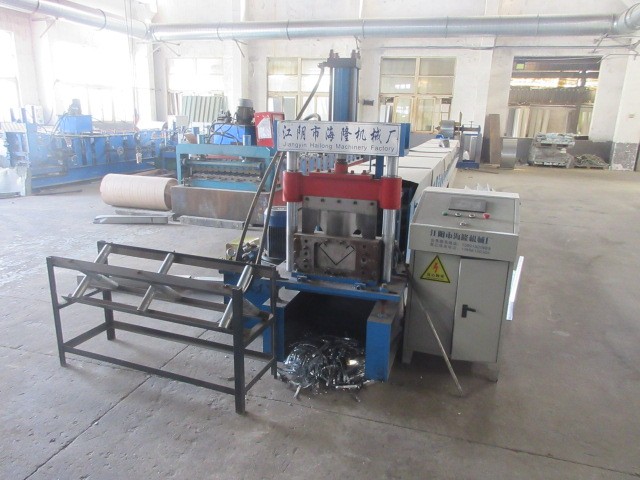
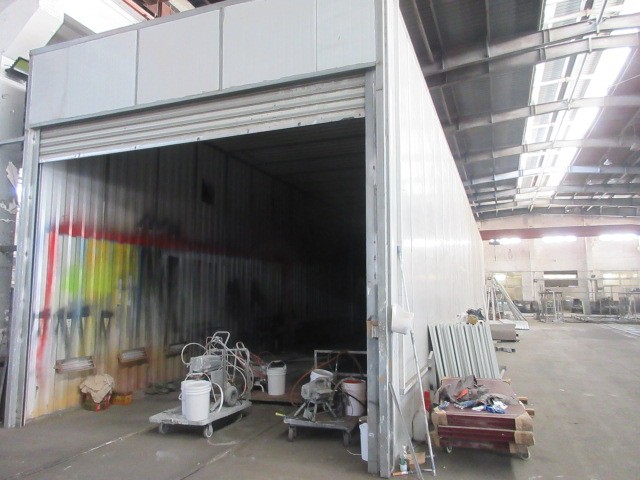
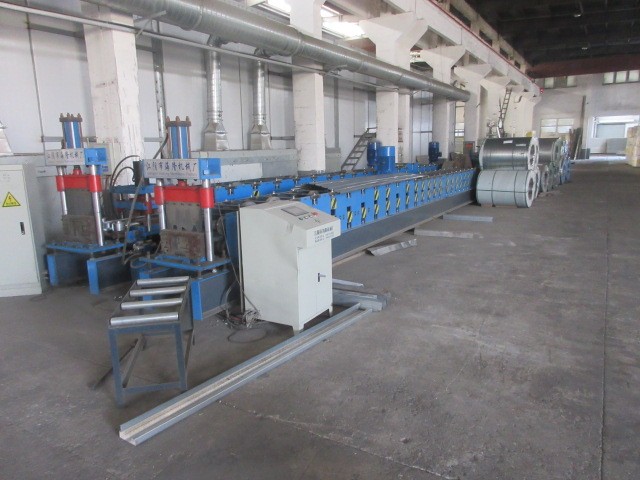
Located in Foshan, China, SES House operates advanced manufacturing facilities equipped with modern production technologies and strict quality management systems. The company specializes in the design, engineering, manufacturing, and installation of a wide range of modular structures, including prefabricated homes, container houses, steel structure buildings, modular villas, portable houses, worker camps, modular offices, educational facilities, healthcare buildings, and customized commercial projects.
SES House offers comprehensive OEM, ODM, and project-based solutions tailored to the specific requirements of developers, contractors, government agencies, and private enterprises. From architectural planning and structural design to manufacturing, transportation, and on-site assembly support, the company delivers complete turnkey modular construction services. Every project is engineered to achieve durability, safety, energy efficiency, and rapid deployment.
Quality and innovation are at the core of the company's operations. By utilizing premium steel structures, environmentally friendly materials, and precision manufacturing processes, SES House ensures reliable building performance while reducing construction time and labor costs compared to traditional construction methods.
The company has successfully supplied modular building solutions to customers across North America, Europe, Australia, Southeast Asia, Africa, and the Middle East. Supported by professional project management, competitive pricing, flexible customization capabilities, and responsive customer service, SES House continues to build long-term partnerships with clients around the globe.
Foshan SES House Co., Ltd. remains committed to advancing modern construction through smart modular technologies, sustainable development practices, and high-quality prefabricated building solutions that meet the evolving needs of global markets.
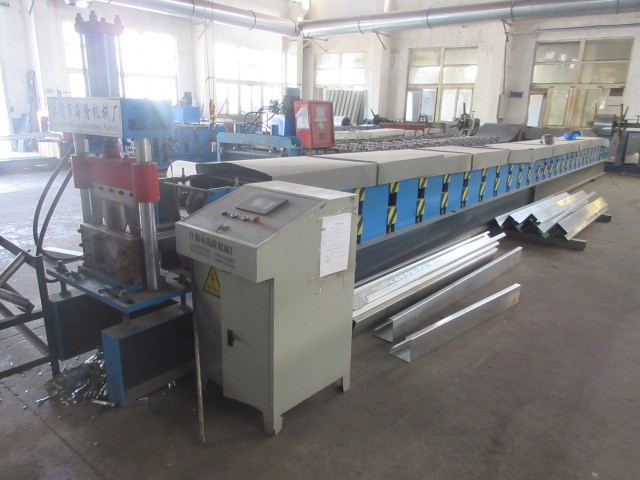
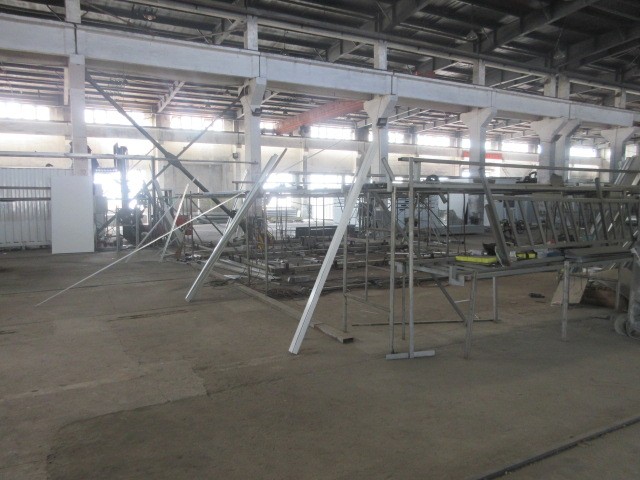
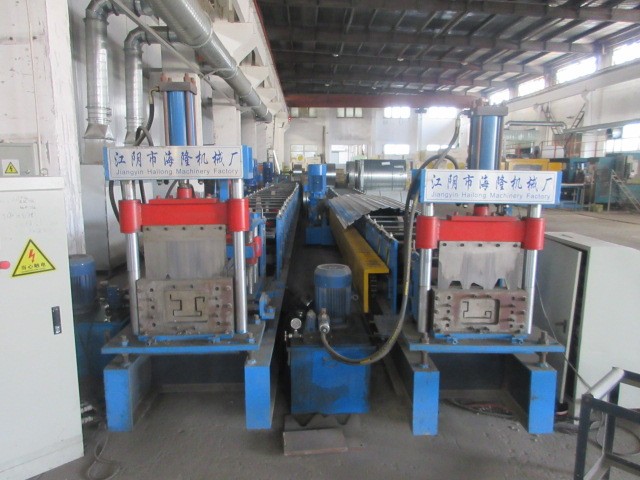
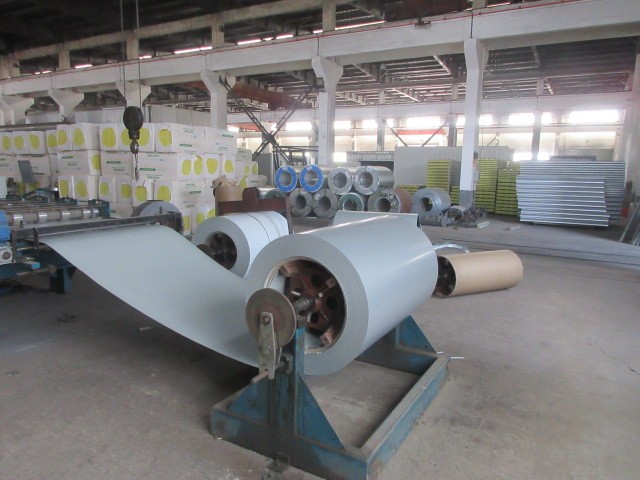
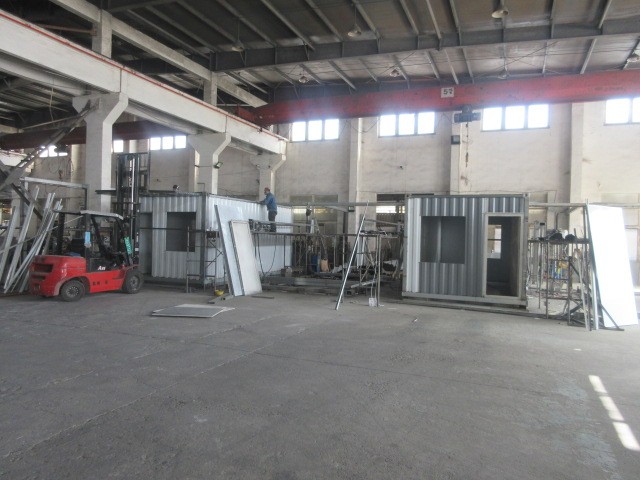
Key information regarding structural engineering, logistics, and deployment of worker camp buildings.
Durable modular systems designed for larger workforce populations and administrative centers.
 SES House