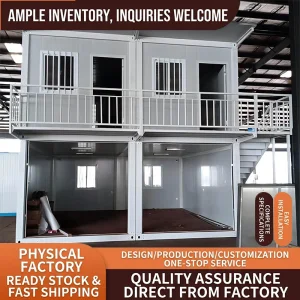
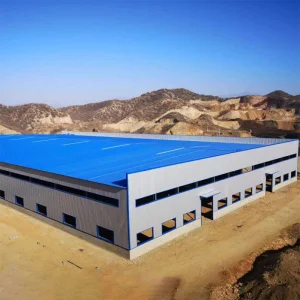
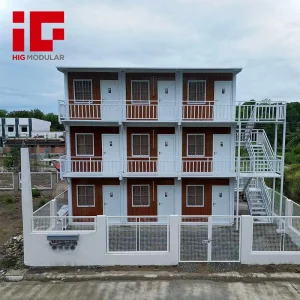
Explore our leading container homes, commercial offices, and industrial temporary facilities manufactured at scale.
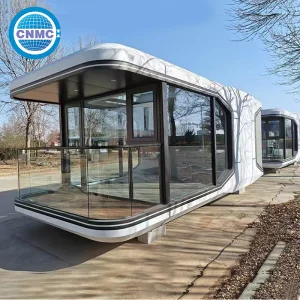
Establishing the structural integrity, manufacturing pedigree, and operational scope of premium temporary modular facilities.
In the modern industrial landscape, the demand for high-performance temporary accommodation buildings has transitioned from basic field shelters to sophisticated, engineered modular environments. As global supply chains face unprecedented volatility, developers, EPC contractors, and government agencies seek reliable partners who can balance structural compliance with speed of mobilization. This technical whitepaper analyzes the manufacturing frameworks, engineering criteria, and supply chain efficiencies that govern the global procurement of prefabricated temporary accommodations.
Foshan SES House Co., Ltd. stands as a premier Modular House Manufacturer, dedicated to engineering, manufacturing, and exporting advanced Prefabricated Homes, Container Houses, and Steel Structure Buildings. Backed by state-of-the-art production plants in Foshan, China—the global epicenter of building material fabrication—the enterprise designs structural solutions that serve residential, commercial, industrial, educational, and healthcare sectors worldwide.
Our operational framework encompasses comprehensive OEM, ODM, and customized turnkey projects. From initial finite element analysis (FEA) structural calculations and architectural planning to automated manufacturing, logistics orchestration, and on-site assembly supervision, SES House delivers solutions optimized for wind loading, seismic activity, thermal efficiency, and life safety. Every modular assembly is built to withstand extreme environmental parameters while yielding up to a 50% reduction in deployment timeframes compared to conventional wet-construction methodologies.
By leveraging premium structural steel grades (such as Q235B and Q345B), advanced corrosion-resistant coatings, and high-density polyurethane (PU) or structural rockwool cores, SES House guarantees structural integrity that satisfies major building codes across North America, Europe, Australia, East Africa, and the Middle East.
Unpacking the critical criteria that commercial buyers, governments, and EPC developers demand from modular structures.
For multinational corporations and EPC (Engineering, Procurement, and Construction) companies, sourcing temporary accommodation is a critical path task. Procurement professionals must mitigate risks related to project delays, local labor shortages, safety non-compliance, and spiraling logistics costs. Modern B2B buyers look for specific metrics when choosing a manufacturing partner:
Analyzing not just the FOB factory cost, but the aggregate logistics, civil foundation works, erection labor, utility hookups, and potential salvage or relocation value. Flat-pack modular architectures significantly lower shipping volumes, yielding substantial ocean freight savings.
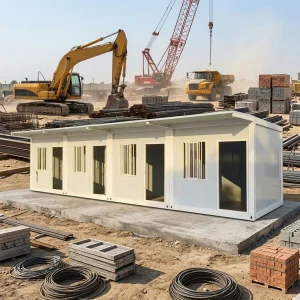
Conventional construction projects are often plagued by weather delays and localized labor shortages. Factory-prefabricated modular units minimize site disruption. A standard 20ft flat-pack office cabin, for example, can be fully assembled by four unskilled workers within three hours using standard tools.
Temporary structures must offer comparable protective environments to permanent installations. This mandates structural calculations verifying performance under high wind pressures (up to Category 5 hurricanes), seismic zone movements, and critical fire protection standards (Class A non-combustible insulation cores).
Furthermore, modern corporations prioritize environmental sustainability. Our structures utilize steel frameworks with high recycled content, and dry-construction methods reduce site waste by up to 90%. Excellent thermal properties also lower ongoing HVAC energy usage throughout the building's operating life.
How the industrial integration of Southern China enables unprecedented scale, precision, and cost efficiencies.
The concentration of raw materials, engineering talent, and logistical infrastructure in Guangdong Province gives Chinese modular manufacturers a distinct competitive edge. Foshan SES House operates within this collaborative ecosystem, translating localized industrial strengths into direct benefits for our global clients:
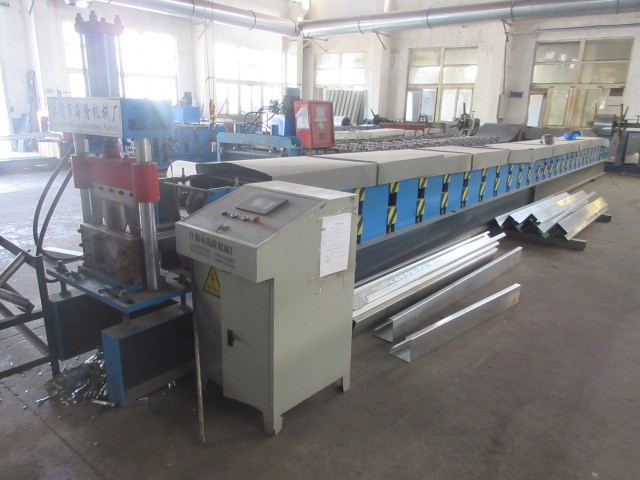
This localized supply chain integration guarantees that we source certified structural steel, energy-efficient sandwich panels, heavy-duty window profiles, and certified electrical/plumbing components at direct OEM cost. By controlling every stage of manufacturing—from roll-forming and robotic welding to painting, panel cutting, and pre-wiring—we eliminate third-party markups and enforce strict quality control protocols.
How SES House engineers structures that align with diverse international building standards and load demands.
A primary friction point for international buyers is ensuring that imported prefabricated components satisfy localized building codes. A building designed for the dry heat of Saudi Arabia requires a different configuration than one destined for high-snow loads in Northern Europe or the cyclonic conditions of coastal Australia. SES House resolves these challenges through localized engineering adaptations:
We build our steel frames to meet AISC standards for structural steel buildings, using UL/FM-certified insulation panels and NEC-compliant pre-wired electrical systems to streamline local permit approvals.
We configure structural frames to satisfy AS1170 wind-load ratings and AS1684 structural guidelines. We also apply high-spec galvanization (275g/m²) to protect against salt-spray corrosion in coastal locations.
Our structures comply with strict European directives on thermal transfer coefficients (U-values) by utilizing thick PIR/polyurethane cores and double-glazed, low-E window systems.
Our engineering department provides comprehensive CAD layouts, Tekla structural models, and finite element analysis (FEA) reports within 24 hours of project kickoff. This technical documentation helps local consulting engineers fast-track their permitting and zoning approvals.
Reviewing how our modular systems deploy across key commercial, industrial, healthcare, and educational sectors.
Modular systems offer the flexibility to adapt to a wide range of functions, configurations, and scales. Because they are modular, they can be easily expanded, stacked, or reconfigured as operational needs change over time. Below are the key sectors where SES House temporary structures deliver excellent results:
Our rapid-assembly flat-pack units create sterile, durable, and clean medical spaces during healthcare crises. They come pre-configured with integrated plumbing, medical-grade HVAC systems, and easy-clean surfaces.
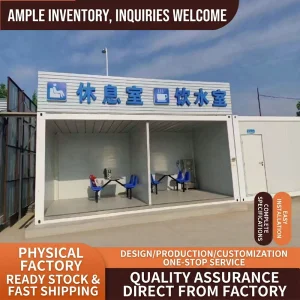
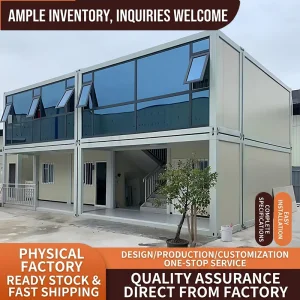
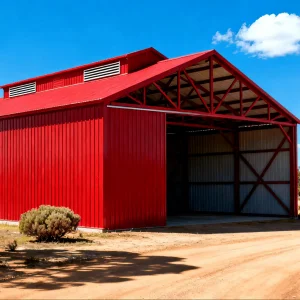
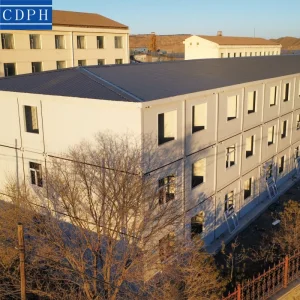
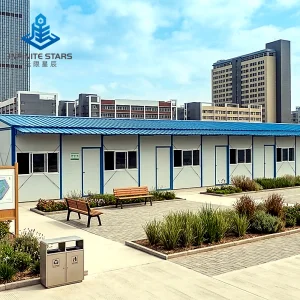
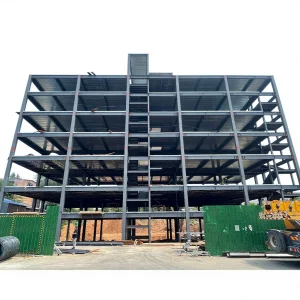
We build comfortable multi-story worker dormitories, secure offices, dining halls, and sanitary facilities for heavy industry, mining, and remote infrastructure projects.
We supply safe, well-insulated, and bright modular classrooms that expand school capacity quickly without the noise, dust, and danger of traditional construction zones.
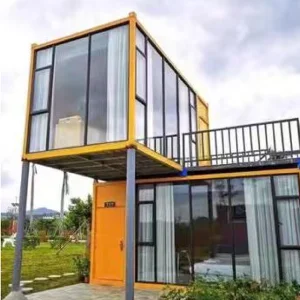
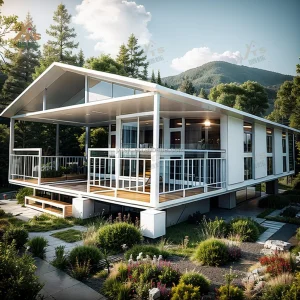
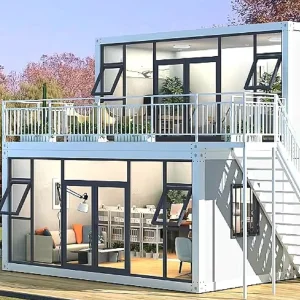
Our premium container homes and expandable luxury villas combine modern aesthetics with high-performance glass facades and exterior decking for high-end hospitality projects.
How digital twins, parametric design, and smart automation are changing modular construction.
The prefabricated building sector is adopting advanced digital tools. By integrating Building Information Modeling (BIM) with parametric design software, we can create digital twins of every component. This ensures that electrical conduit paths, plumbing connections, and bolt holes line up with millimeter-level precision before fabrication even begins.
Looking ahead, we are exploring AI-driven layout optimization to maximize floor-plan usability while minimizing steel waste. We also focus on incorporating smart home control centers, low-energy LED systems, and high-performance insulation values to help operators reduce carbon emissions and operational costs throughout the building lifecycle.
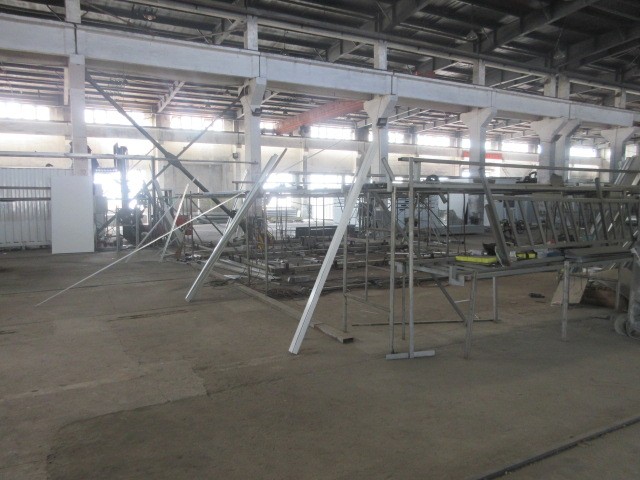
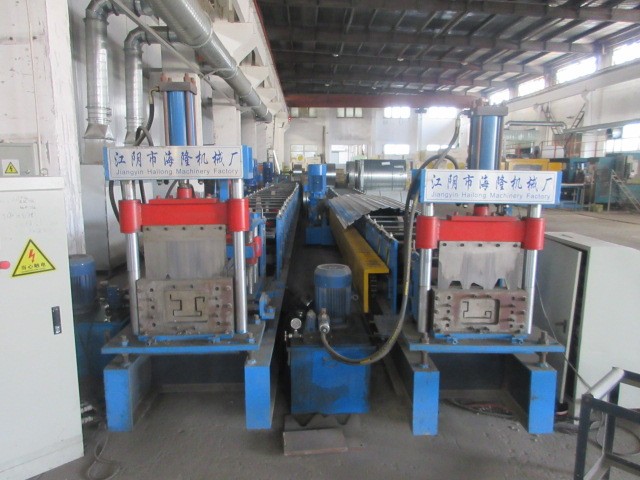
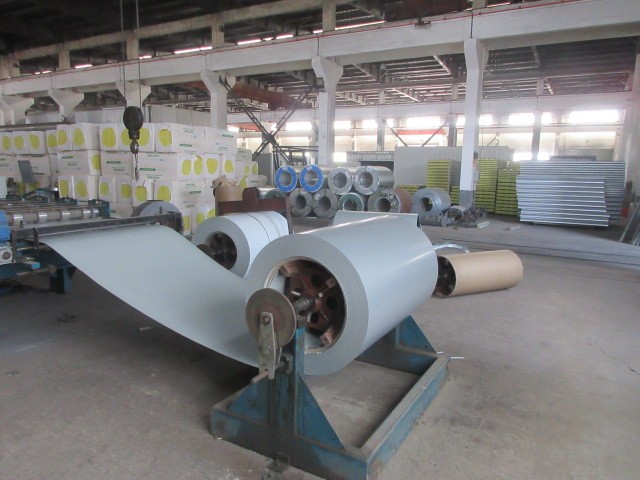
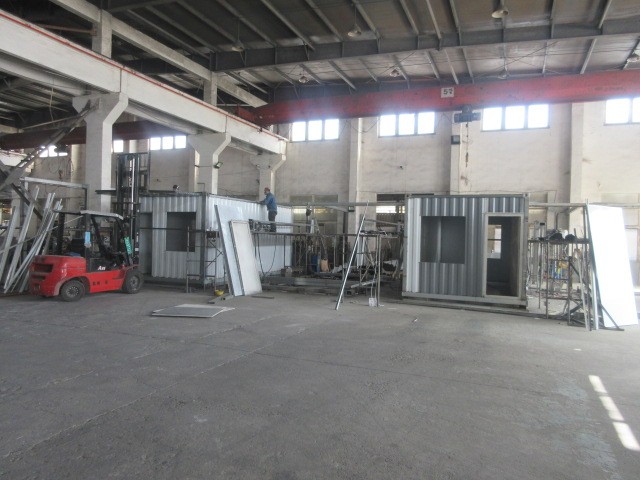
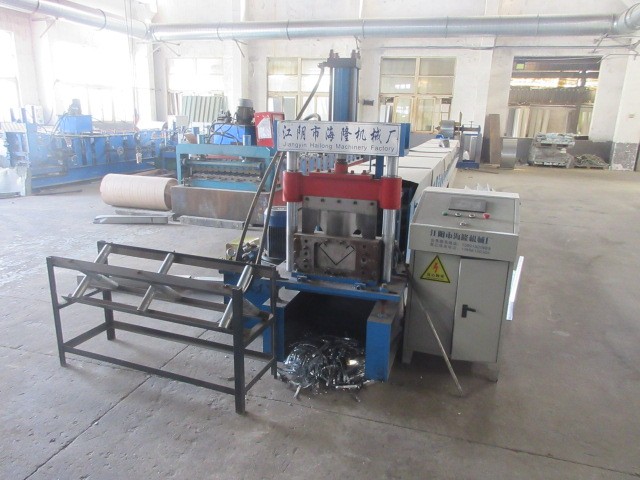
A look inside our Foshan facilities, showcasing our automated steel fabrication, assembly lines, and completed projects.
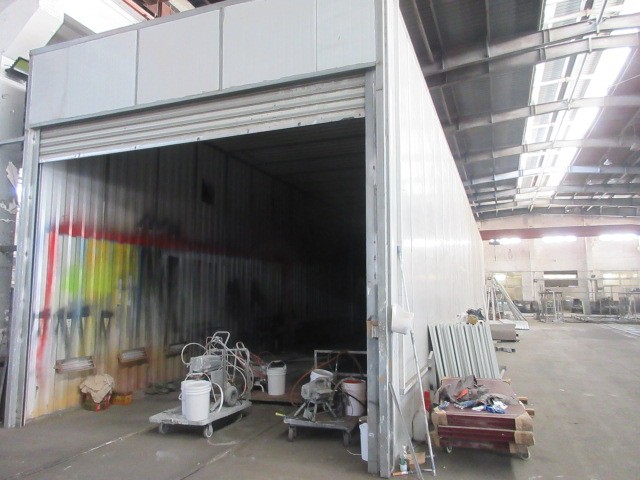
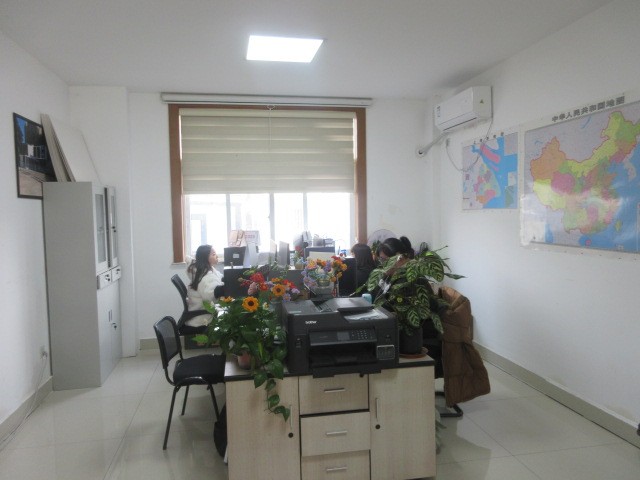
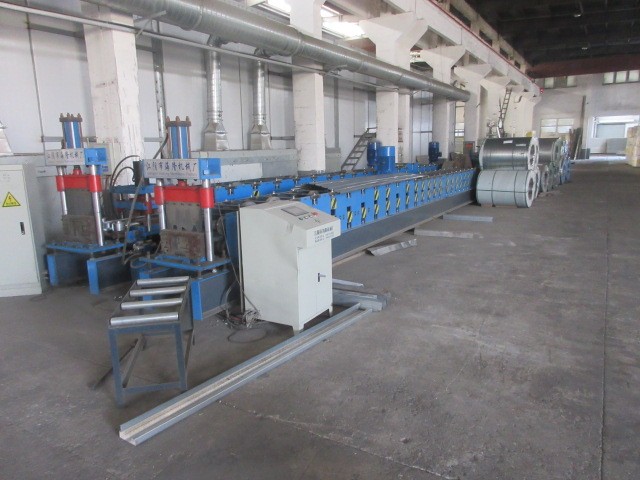
Answering key structural, logistical, and commercial questions for enterprise buyers.
Select specialized prefab layouts, multi-story structural apartments, clinics, and school classrooms.
 SES House