Explore our top-tier prefabricated villas, expandable container structures, and modern luxury sleeping pods manufactured to strict ISO/CE standards.
The global modular construction market is undergoing an unprecedented paradigm shift, fueled by pressing demographic needs, skilled labor shortages, and aggressive carbon neutral directives. Historically categorized as simple temporary shelters, modern portable houses have matured into sophisticated, high-performance structural systems. Through offsite manufacturing, developers are cutting project cycle times by up to 50% while securing tighter quality tolerances than traditional structural concrete can provide.
From dense urban infills in North America to remote luxury ecotourism resorts in Australia, modular architecture is redefining scalability. Today’s portable housing projects are fully integrated with localized environmental specifications, designed to withstand extreme tectonic events, heavy snow load profiles, and category-5 wind loading.
Contemporary buyers do not merely search for "cheap portable cabins." The search landscape has shifted toward specialized structural performance parameters, including seismic durability ratings, R-value insulation coefficients, off-grid water recycling configurations, and modular scalability indices.
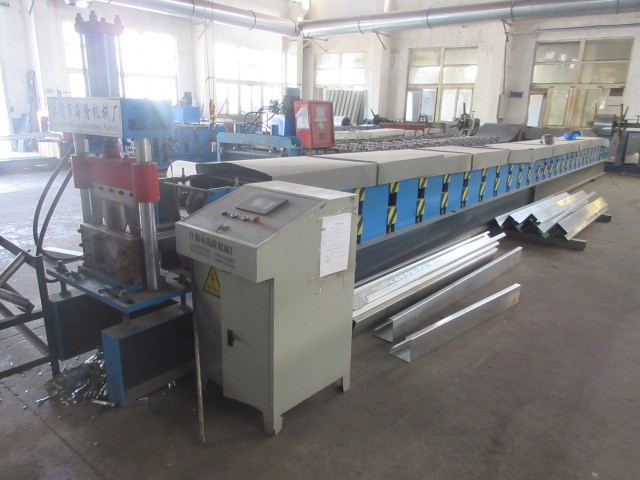
Modern modular structures are engineered for targeted end-user environments. Categorized by structural design and assembly methods.
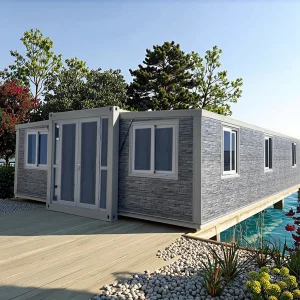
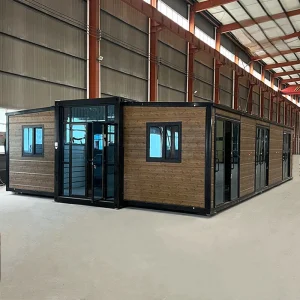
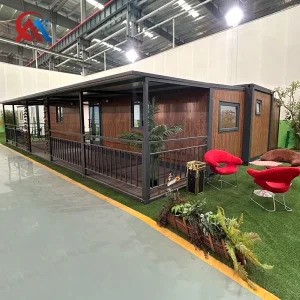
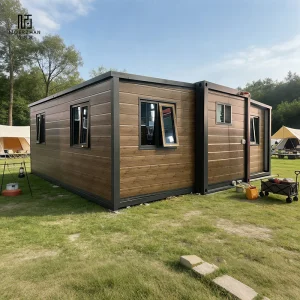
Utilizing robust steel hinge systems and nested wall panels, expandable units optimize transport volumes while quadrupling in floor area upon deployment. Widely integrated into supermarket projects, disaster relief housing, and pop-up retail nodes.
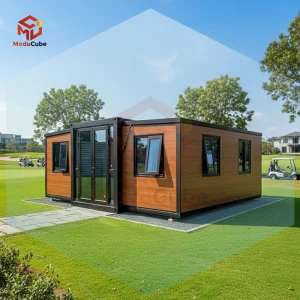
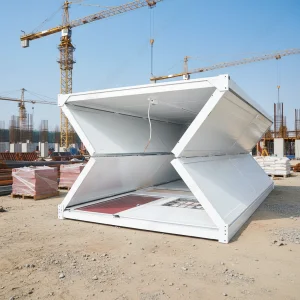
Composed of standardized roof and floor chassis with interchangeable wall sandwich panels. Known for rapid assembly on-site with minimal labor, making them standard for remote mining camps, construction site offices, and large-scale military quarters.
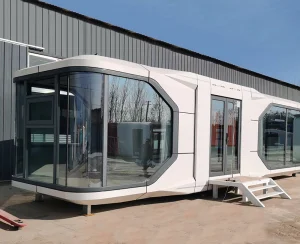
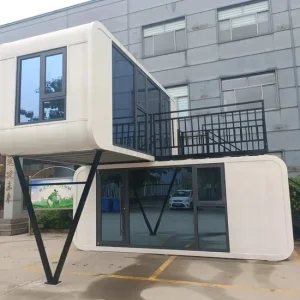
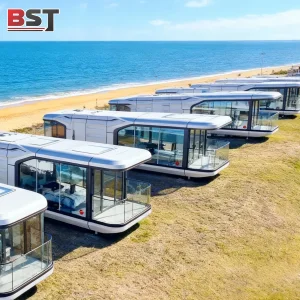
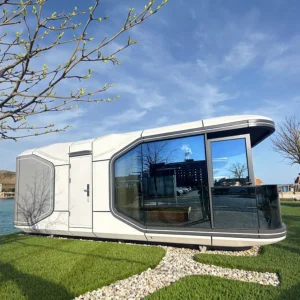
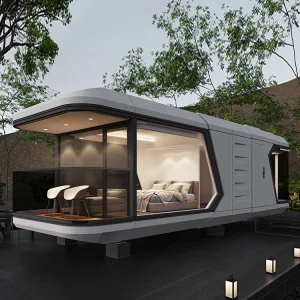
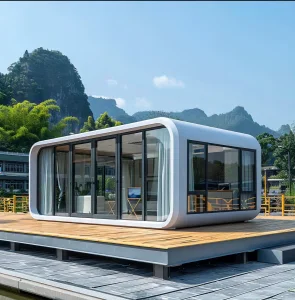
Engineered using high-strength steel frames, aviation-grade aluminum plating, and panoramic double-glazed curved glass. Popular in ecotourism and luxury resorts, providing high-tech, plug-and-play aesthetic accommodations.
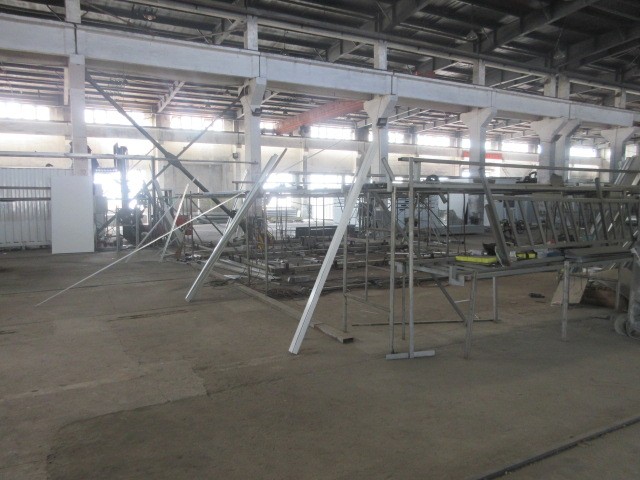
Foshan SES House Co., Ltd. is a leading Modular House Manufacturer | Prefabricated Homes, Container Houses & Steel Structure Buildings dedicated to providing innovative, efficient, and sustainable building solutions for clients worldwide. With extensive experience in prefabricated construction, the company serves residential, commercial, industrial, educational, healthcare, and infrastructure sectors through high-quality modular building systems.
Located in Foshan, China, SES House operates advanced manufacturing facilities equipped with modern production technologies and strict quality management systems. The company specializes in the design, engineering, manufacturing, and installation of a wide range of modular structures, including prefabricated homes, container houses, steel structure buildings, modular villas, portable houses, worker camps, modular offices, educational facilities, healthcare buildings, and customized commercial projects.
SES House offers comprehensive OEM, ODM, and project-based solutions tailored to the specific requirements of developers, contractors, government agencies, and private enterprises. From architectural planning and structural design to manufacturing, transportation, and on-site assembly support, the company delivers complete turnkey modular construction services. Every project is engineered to achieve durability, safety, energy efficiency, and rapid deployment.
Quality and innovation are at the core of the company's operations. By utilizing premium steel structures, environmentally friendly materials, and precision manufacturing processes, SES House ensures reliable building performance while reducing construction time and labor costs compared to traditional construction methods.
The company has successfully supplied modular building solutions to customers across North America, Europe, Australia, Southeast Asia, Africa, and the Middle East. Supported by professional project management, competitive pricing, flexible customization capabilities, and responsive customer service, SES House continues to build long-term partnerships with clients around the globe.
Foshan SES House Co., Ltd. remains committed to advancing modern construction through smart modular technologies, sustainable development practices, and high-quality prefabricated building solutions that meet the evolving needs of global markets.
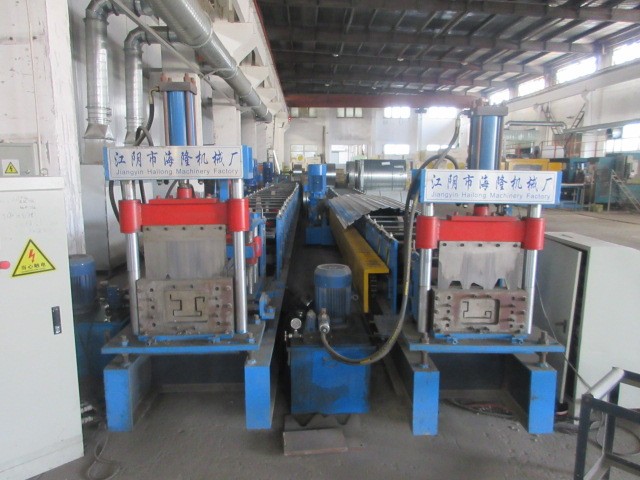
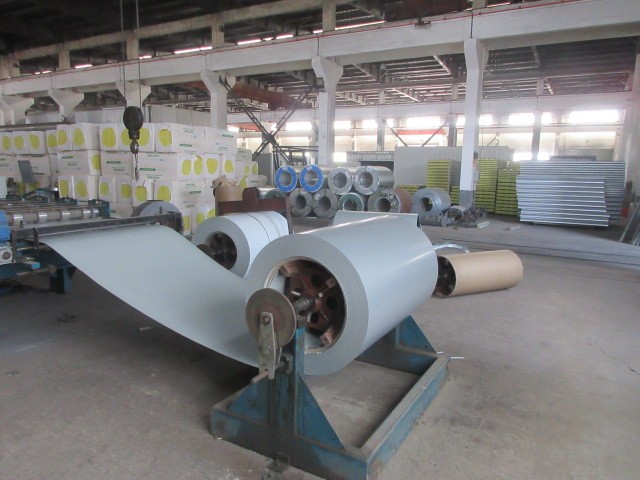
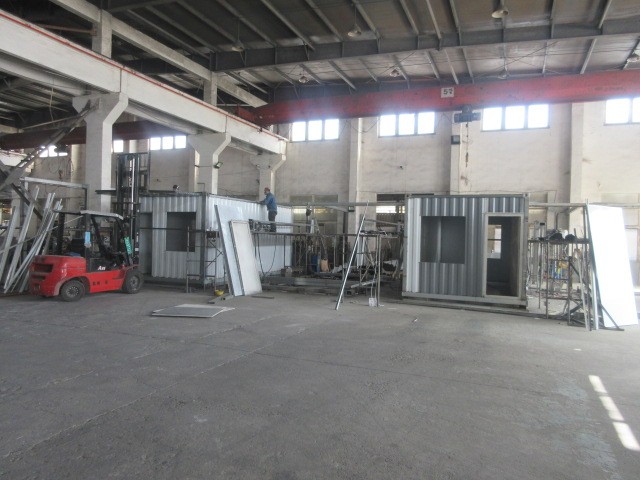
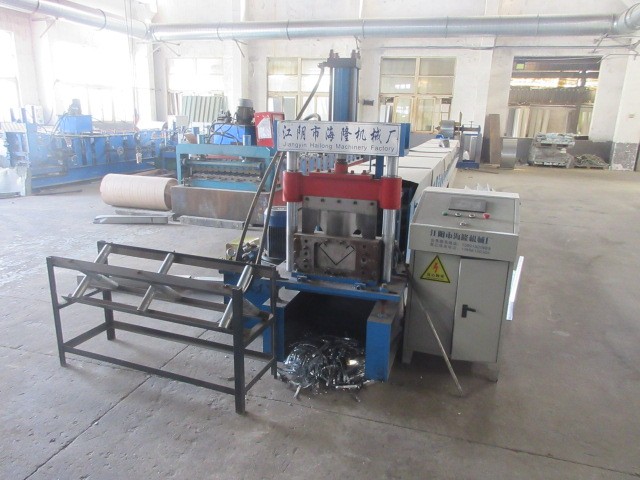
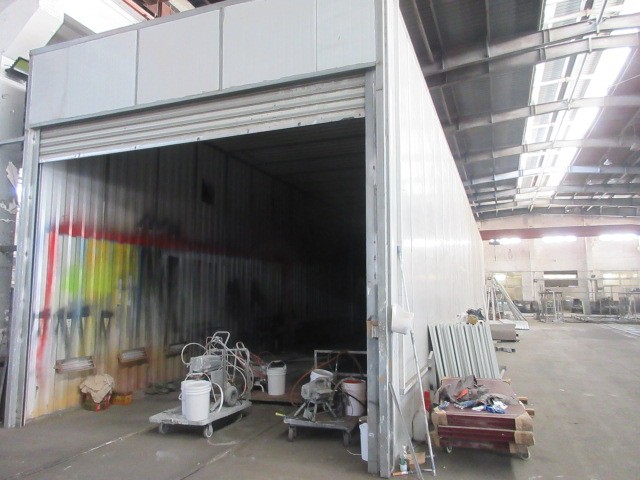
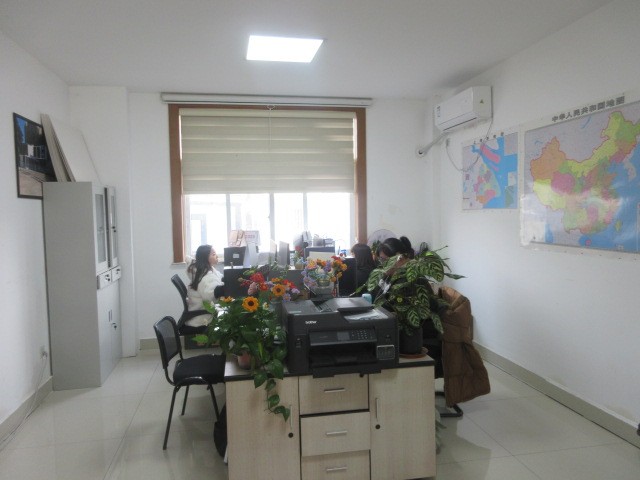
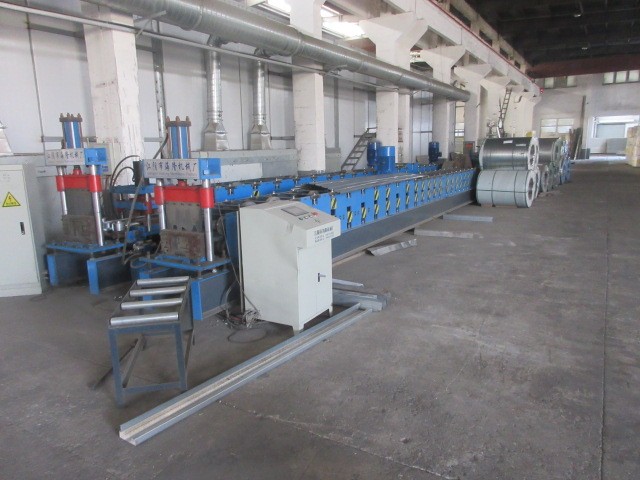
Industrial modular structures must withstand harsh weathering while maintaining internal climate control. Here is our engineering specifications matrix.
| Structural Sub-System | Material Specification & Grade | Performance Metrics | Compliant Standards |
|---|---|---|---|
| Primary Skeleton Frame | Hot-dip galvanized Q235B / Q355B structural steel, 3.0mm–4.0mm profile thickness | Yield strength ≥ 235-355 MPa; Zinc coating thickness ≥ 80g/m² (C3-C5 corrosion grade) | GB/T 700, EN 10025, ASTM A36 |
| Insulation Core Panels | Polyurethane (PU) / Fireproof Rockwool (50mm–150mm depth options) | Thermal conductivity ≤ 0.024 W/(m·K); Density ≥ 120 kg/m³ (Rockwool); Fire Class A1 / B1 | EN 13501, ASTM E84, GB 8624 |
| External Cladding | Fluorocarbon (PVDF) coated aluminum alloy plate / Fiber-cement board wrap | Weathering life ≥ 25 Years; UV-resistance Class Delta E ≤ 5 | AAMA 2605, ISO 4892 |
| Fenestration (Windows & Doors) | Thermal break aluminum frames with double-glazed low-emissivity (Low-E) tempered glass | U-value ≤ 1.6 W/(m²·K); Sound transmission class (STC) ≥ 38 dB | AS 2047, EN 12150 |
| Roofing Assembly | Integrated gutter frame + corrugated steel roof sheeting + composite insulation layers | Hydrostatic pressure resistance ≥ 15 kPa; Snow load design capacity ≥ 1.5 kN/m² | IBC Section 1507 |
Thermal degradation and localized condensation are major risk factors in prefabricated buildings. At SES House, our structural designers eliminate thermal bridging by applying continuous elastomeric sealing tapes and structural insulating spacers at all primary connections.
For sub-zero climates, such as northern European regions or high-altitude alpine resorts, we customize our sandwich panel assemblies with high-density polyurethane cores. This achieves exceptional R-values, drastically lowering active heating energy demands and matching the operational profile of standard passive house architectures.
Maritime locations expose structural frames to airborne chlorides, leading to rapid steel corrosion if unprotected. Our manufacturing pipeline integrates multi-stage cleaning and shot-blasting, followed by hot-dip galvanization and a high-solid epoxy primer coat.
This multi-layer protection barrier achieves a Class C4/C5 marine atmospheric corrosion rating, ensuring that our mobile container houses and space capsule pod units maintain structural integrity for up to 30 years in high-salinity marine or coastal zones.
From remote eco-retreats to rapid urban workforce housing, modular systems adapt to diverse commercial requirements.
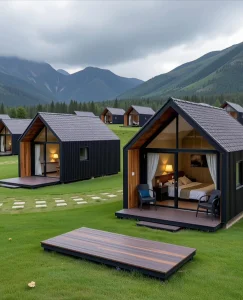
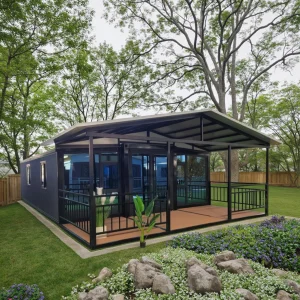
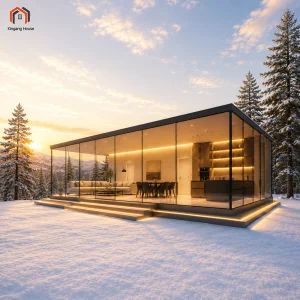
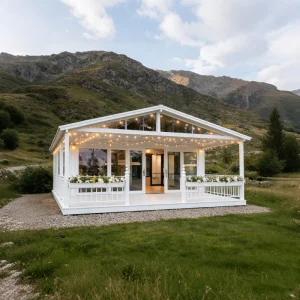
Our space capsule pods and modular luxury villas provide zero-impact architectural solutions for ecologically sensitive zones. Because these units are completed off-site and installed via crane platforms, they prevent local ecosystem disruption. This makes them ideal for wilderness reserves, national parks, and glamping resorts.
Resource extraction projects require reliable housing for hundreds of personnel within short startup periods. Our flat-pack container systems and mobile office cabins offer scalable dormitories, commercial kitchen modules, and sanitary facilities that can be dismantled and redeployed as project phases evolve.
Retailers and supermarkets leverage expandable container units to deploy pop-up storefronts or auxiliary warehouse space rapidly. These modular solutions minimize typical structural planning permissions, allowing rapid, highly visible expansions in parking spaces or metropolitan zones.
Comprehensive engineering, logistics, and procurement answers tailored for engineering consultants, buyers, and developers.
Browse our modular space cabins, expandable steel structures, and high-efficiency folding tiny homes.
 SES House