Discover our engineered prefabricated spaces, precision-built in-house at our advanced fabrication facilities. Designed for energy optimization, seismic stability, and high architectural adaptability.
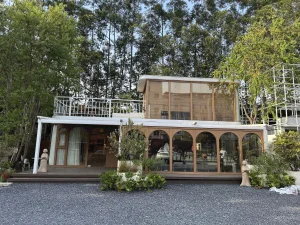
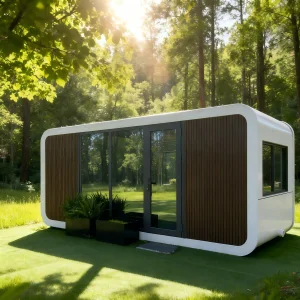
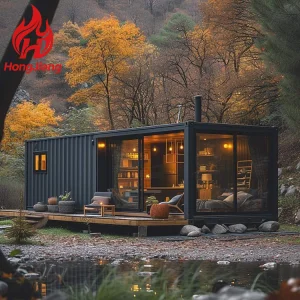
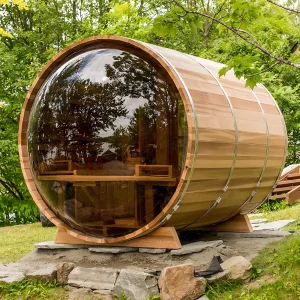
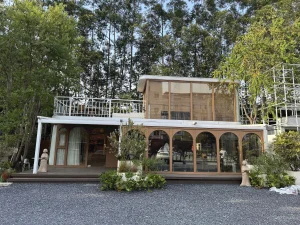
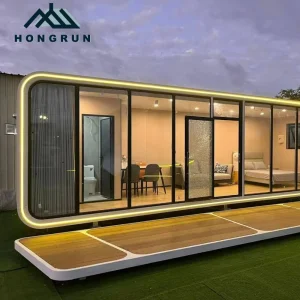
The global construction sector is undergoing a profound paradigm shift. Traditional masonry and in-situ cast concrete, long susceptible to volatile labor conditions, weather disruptions, and massive material waste, are increasingly being replaced by Industrial Off-Site Manufacturing (OSM). At the forefront of this industrial transformation is Foshan SES House Co., Ltd., a premier modular house manufacturer supplying advanced volumetric prefabricated units globally.
By shifting up to 90% of structural assembly from the job site to controlled factory floors in Foshan, China, we mitigate key development risks. This structural manufacturing framework reduces total build cycles by 30% to 50%, enhances quality parameters through precision tooling, and lowers greenhouse gas footprint by reducing vehicle transport and site waste. The global expansion of modular housing represents a necessary integration of structural engineering and high-throughput assembly line efficiency.
This off-site methodology utilizes structural Q235B and Q355B steel framing, engineered with precise tolerances. Our structures are built to withstand severe wind forces, substantial seismic accelerations, and high thermal differentials. This makes them ideal for various settings, including high-altitude mountain resorts, dense urban areas, and heavy-duty logistics zones.
Enterprise procurement of modular components requires high compliance with quality standards, financial clarity, and robust logistics management. International developers, state housing agencies, and industrial conglomerates prioritize supplier capability across five crucial vectors:
SES House addresses these needs with a comprehensive turnkey B2B process. We manage all stages, from early spatial planning using Building Information Modeling (BIM) to final cargo dispatch, ensuring a smooth transition from factory floor to job site.
Engineering & Load Calibrations
Steel Processing & Welding
Insulation, Glazing & Systems
Flatpack or Volumetric Shipping
Modular construction is highly versatile, supporting applications from high-density residential housing to large-scale industrial warehouses. Selecting the optimal structural approach is key to balancing thermal efficiency, installation speed, and budget requirements.
| Building Typology | Primary Framework | Wall System Options | Installation Speed | Common Applications |
|---|---|---|---|---|
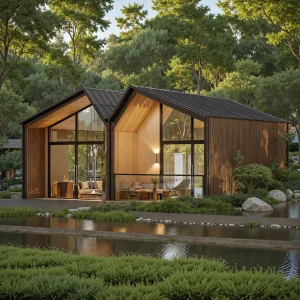
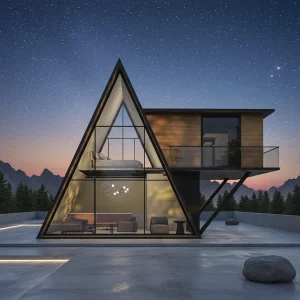
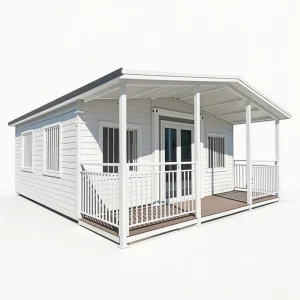
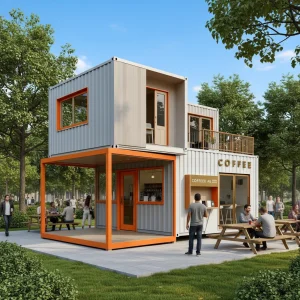
| Volumetric Living Cabins | Cold-formed steel frame with galvanized finish | Polyurethane (PU) insulation + external fiber cement boards | 1–3 Days | Eco-Resorts, Airbnb Cabins, Glamping Villas |
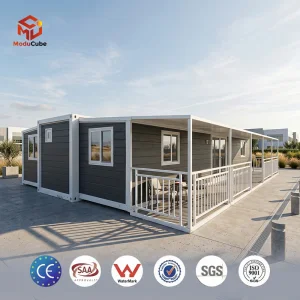
| Expandable Container Homes | Integrated structural steel chassis with fold-out joints | Rockwool sandwich panel / EPS core | < 4 Hours | Emergency Housing, Temporary Offices, Site Camps |
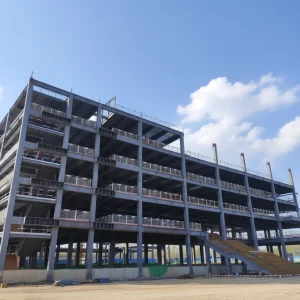
| Multi-Story Projects | Heavy hot-rolled Q355B H-beams | Autoclaved Aerated Concrete (AAC) or Composite systems | Weeks (Off-site fabricated) | Educational Centers, Hotels, Student Housing |
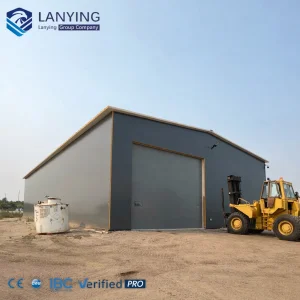
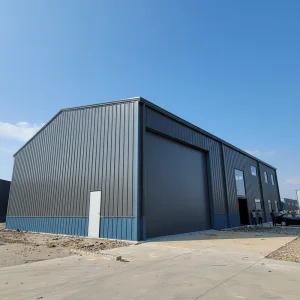
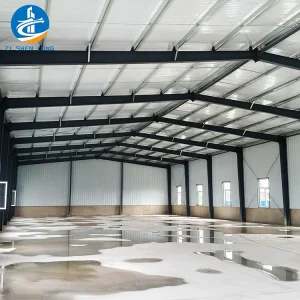
| Industrial Warehouses | Heavy-duty structural portal frames | Single skin or sandwich panel cladding | Variable (Dependent on scale) | Logistics Centers, Manufacturing Workshops, Depots |
As the construction landscape evolves, SES House continues to integrate advanced technologies into our building products, ensuring they meet rigorous modern standards.
Utilizing high-density polyurethane (PU) and rockwool cores to achieve U-values under 0.24 W/m²K, minimizing heating and cooling energy use in extreme climates.
Engineered structural joints and hot-dip galvanized steel framing designed to withstand Category 5 wind events and Grade 8 seismic activity.
Precision manufacturing guarantees that component slots align perfectly on site, reducing erection time and the need for heavy on-site machinery.
Additionally, our structural steel undergoes rigorous protective coating. Zinc galvanizing combined with epoxy base coats shields the primary framework from rust and degradation in humid, marine, or highly industrial environments.
Deploying prefabricated buildings globally requires strict adherence to regional structural codes. SES House ensures that all modular units comply with international engineering guidelines:
To confirm compliance before shipping, we offer factory testing options. Our clients can request test assemblies to verify structural dimensions, electrical layouts, plumbing pressure, and overall finish quality.
Inside our production facilities in Foshan, China: displaying fabrication precision, structural raw materials, and finished premium modular projects.
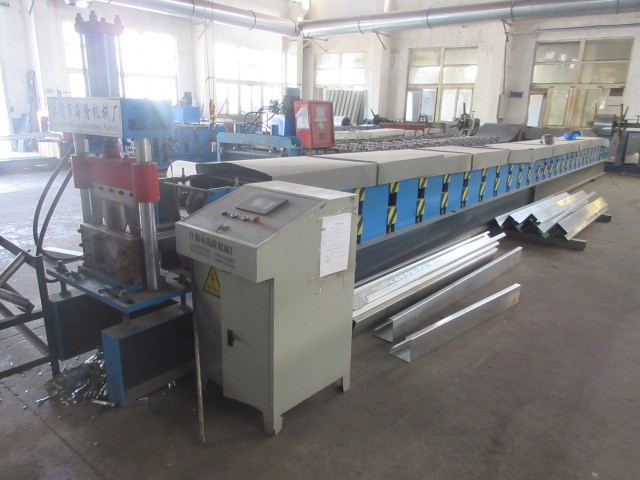
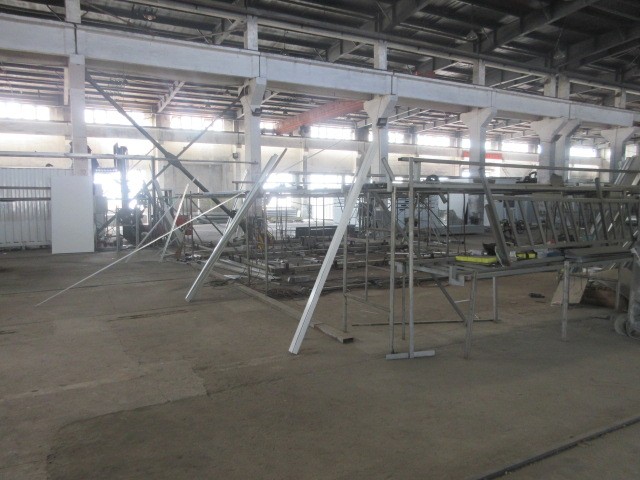
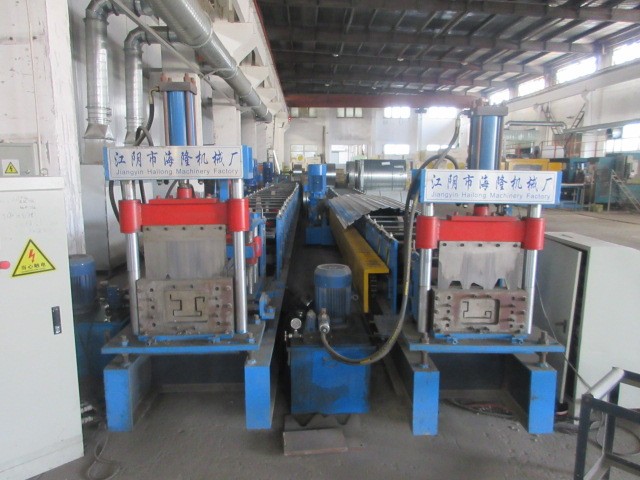
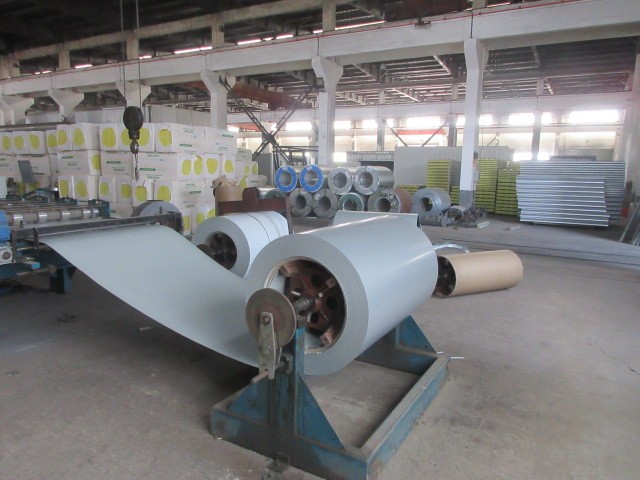
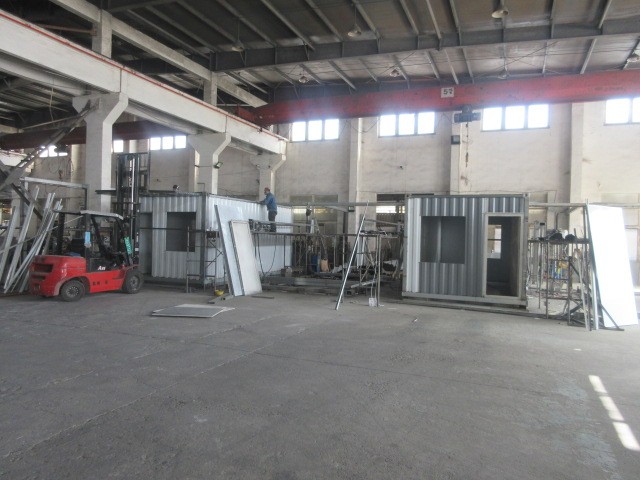
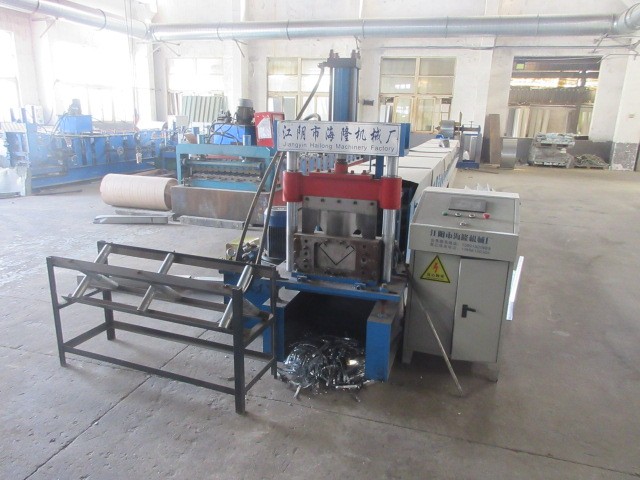
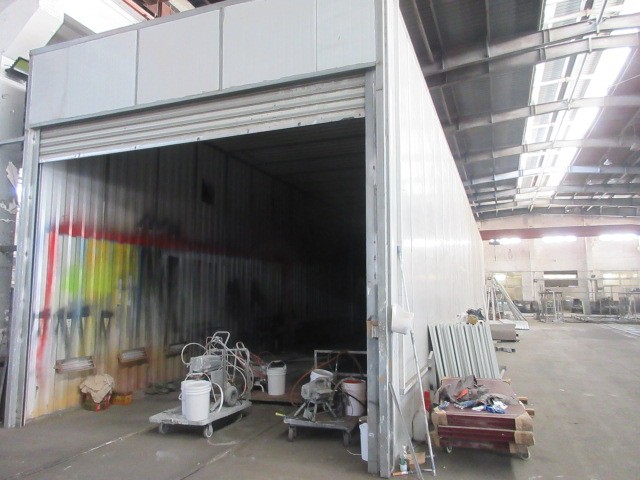
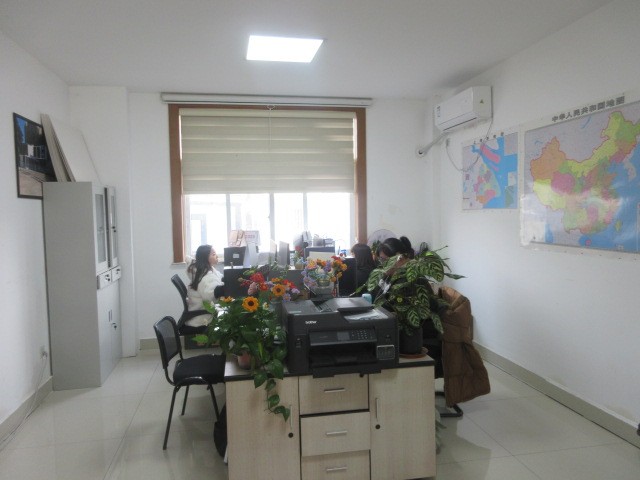
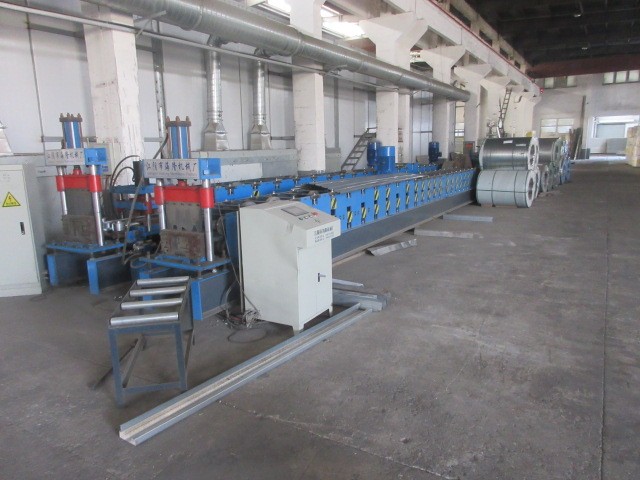
Explore our heavy-duty steel buildings, practical warehouse kits, and expandable site cabins engineered for rapid deployment and lasting durability.
 SES House