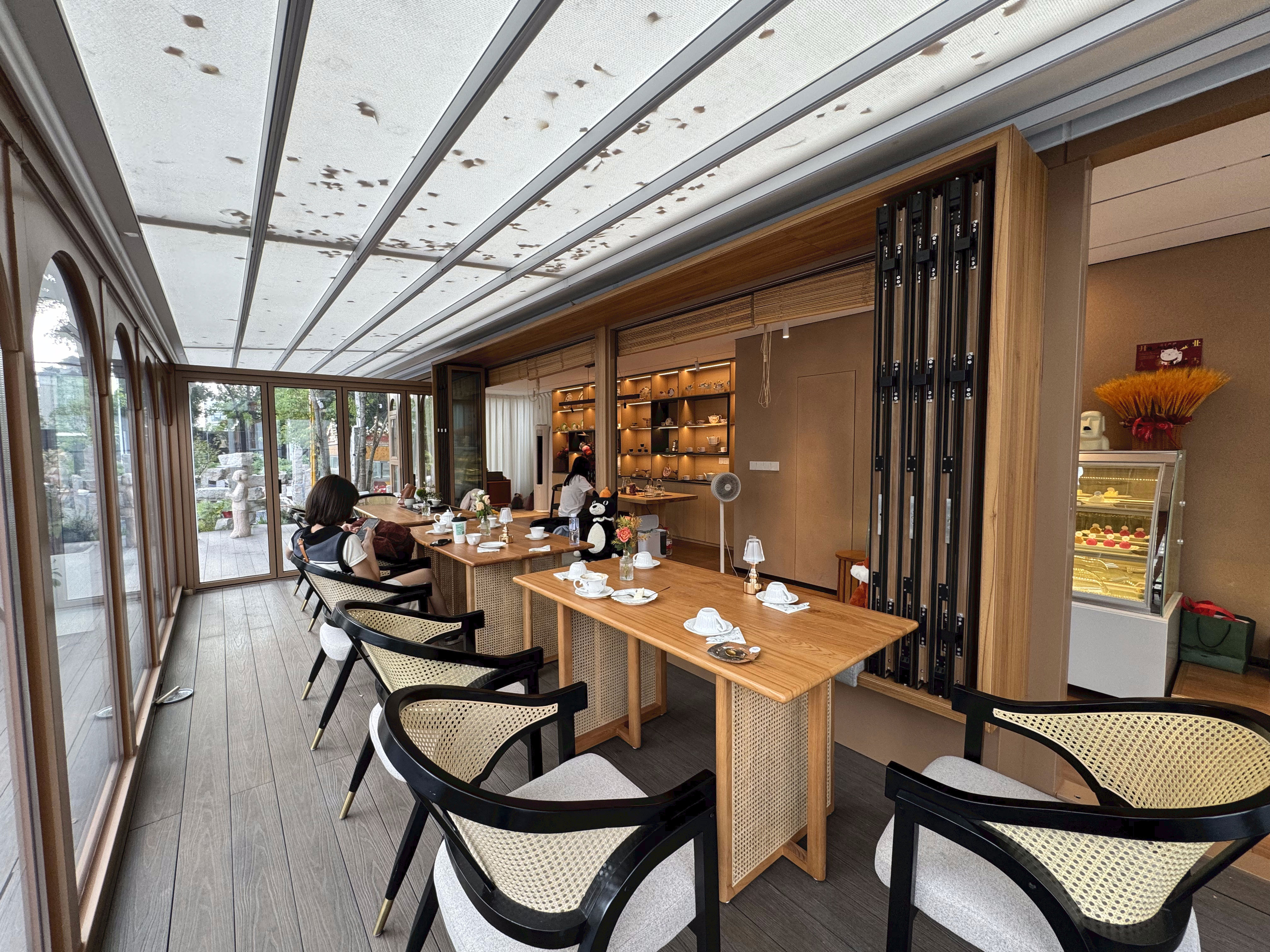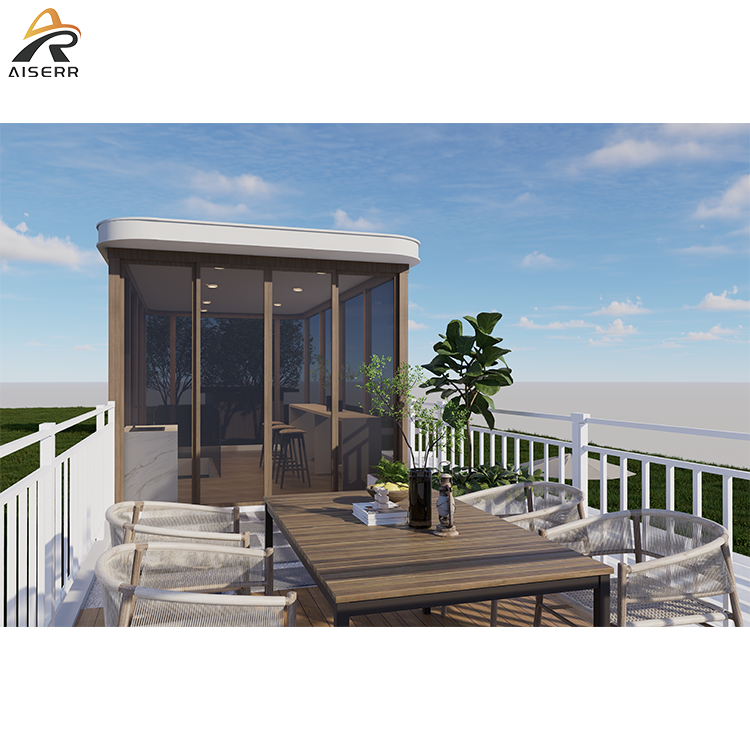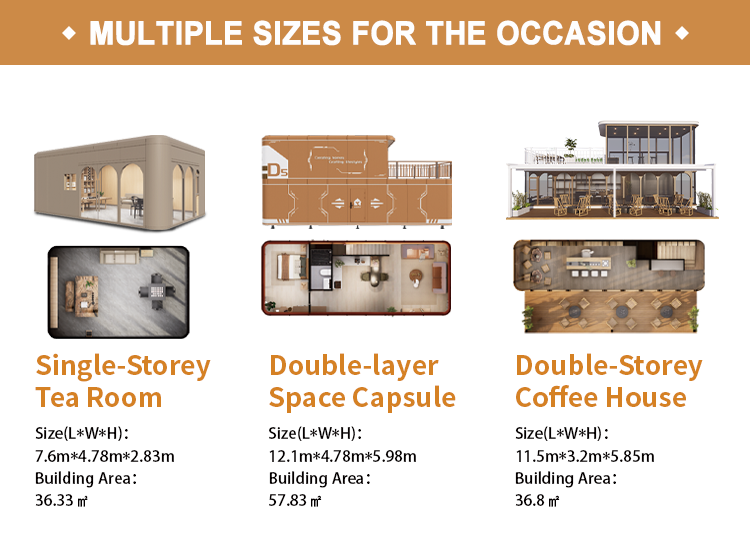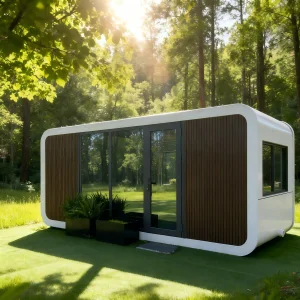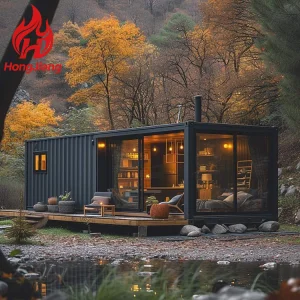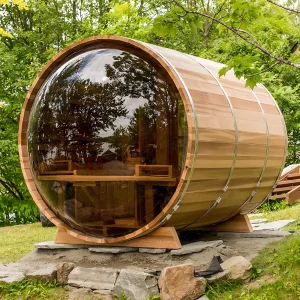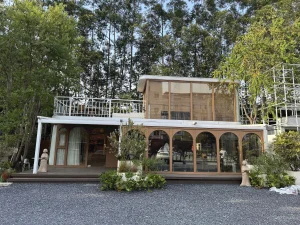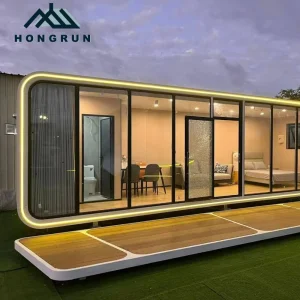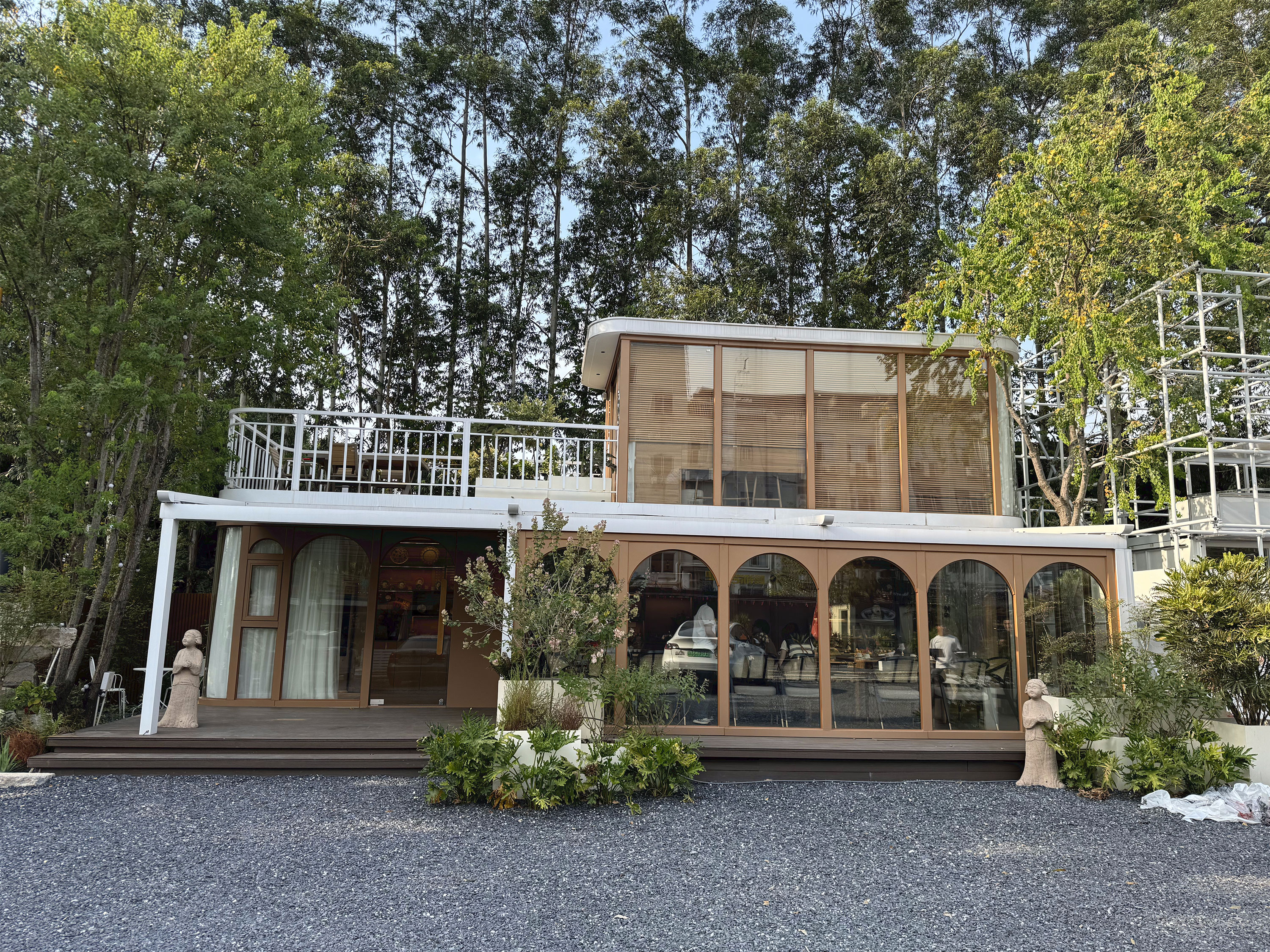
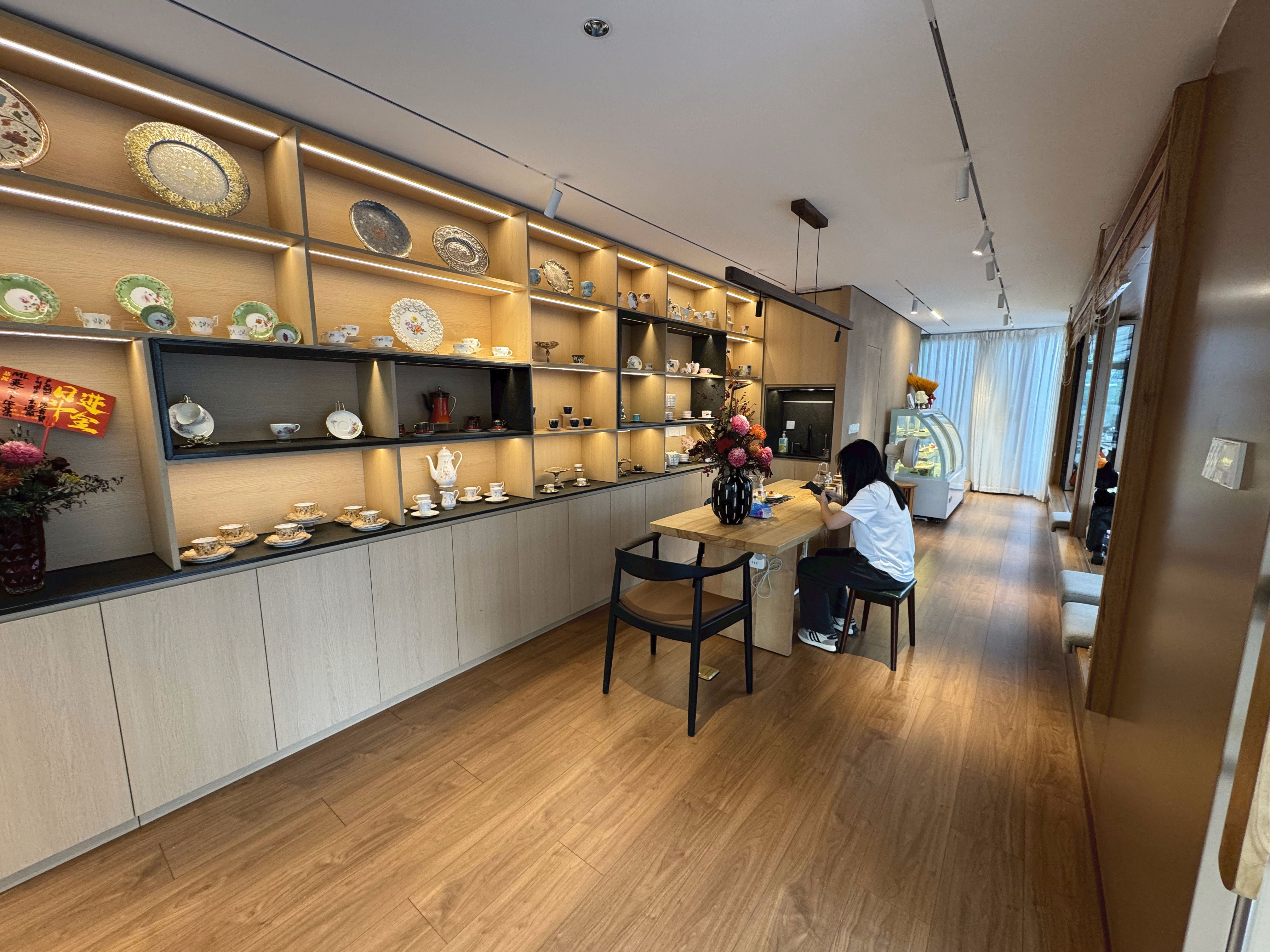
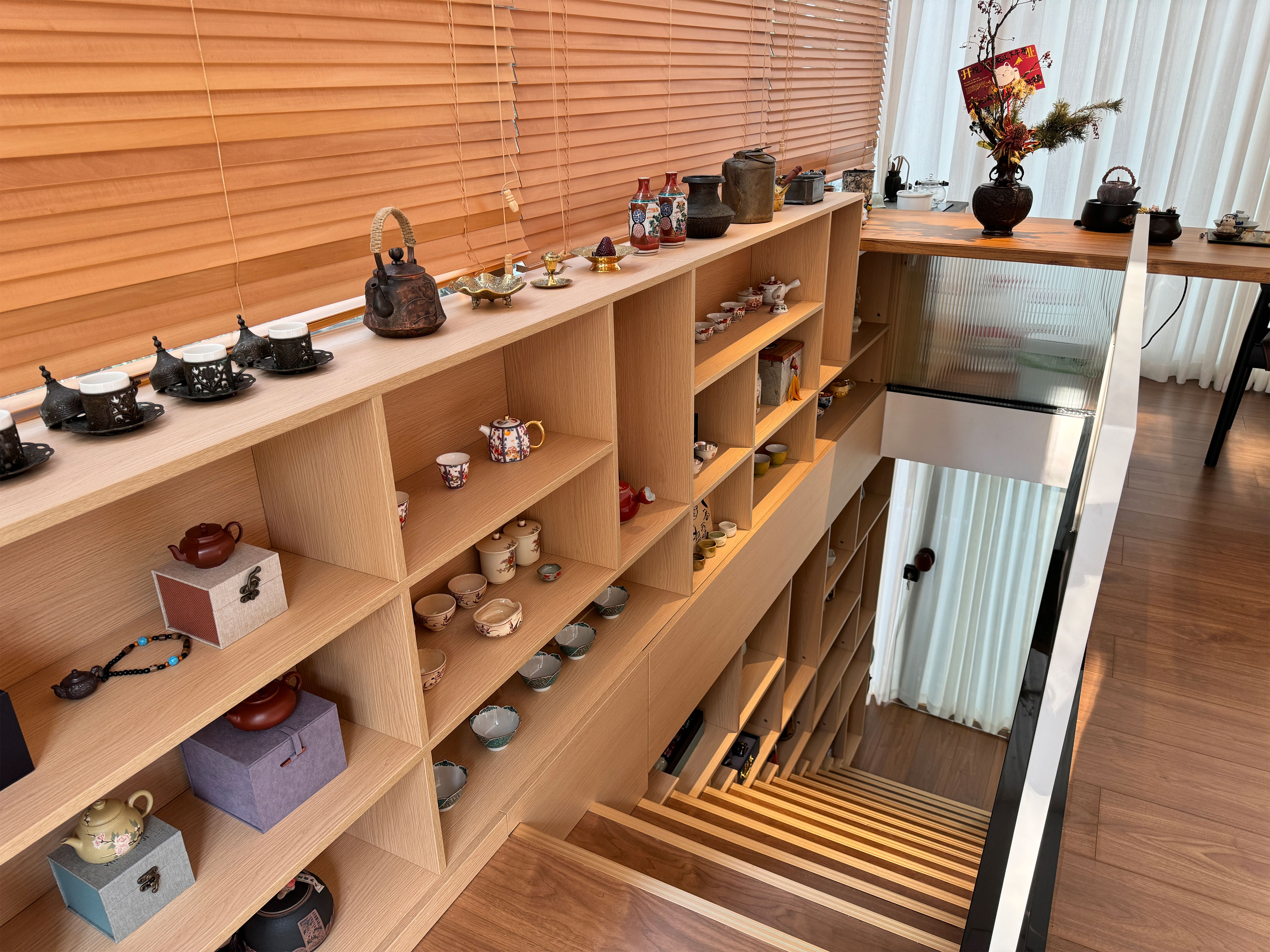
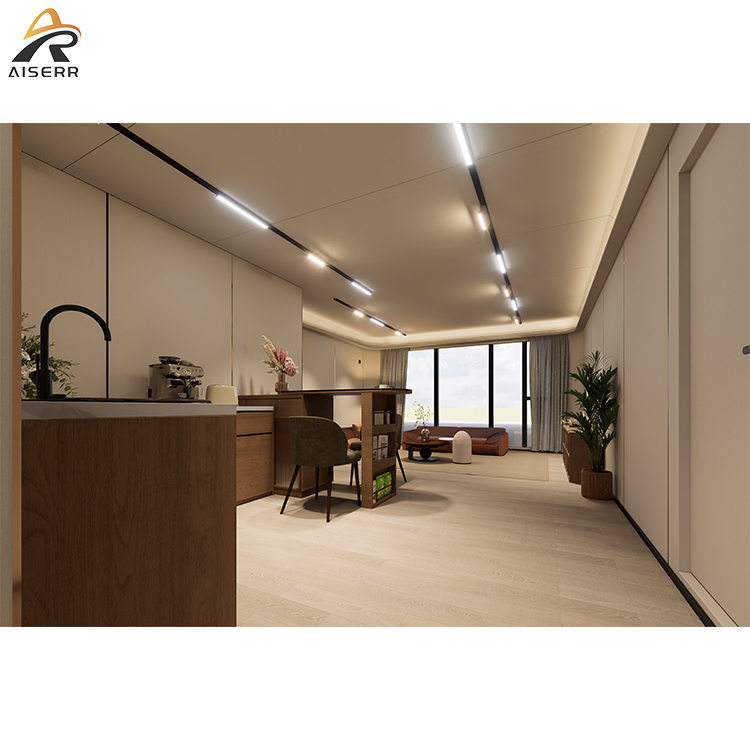
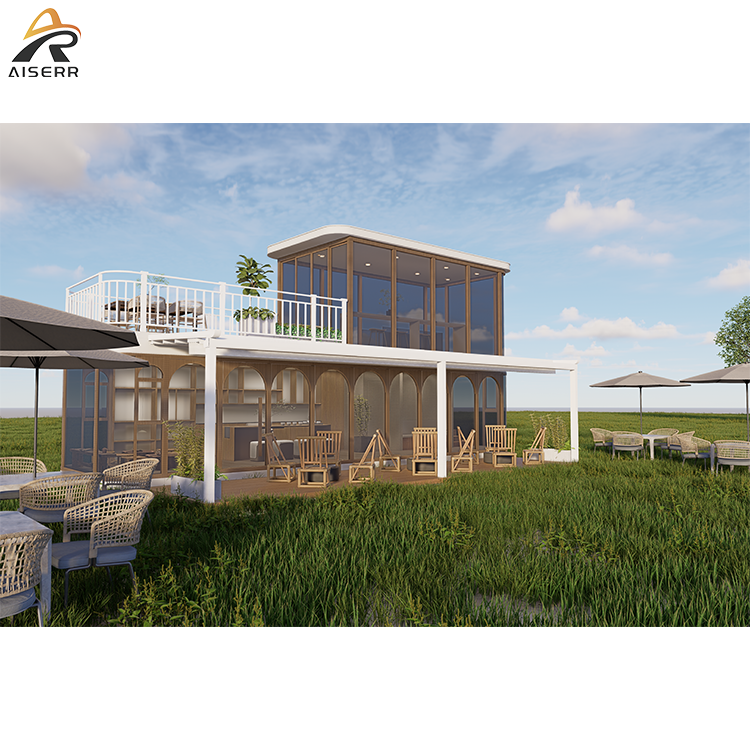
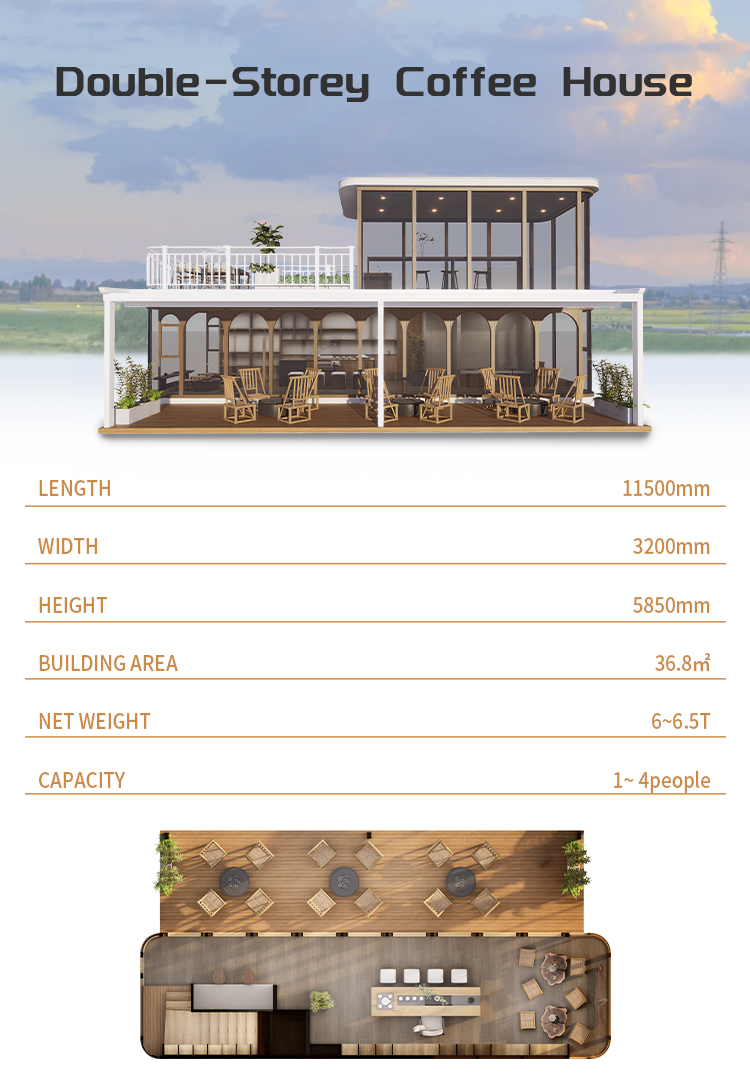
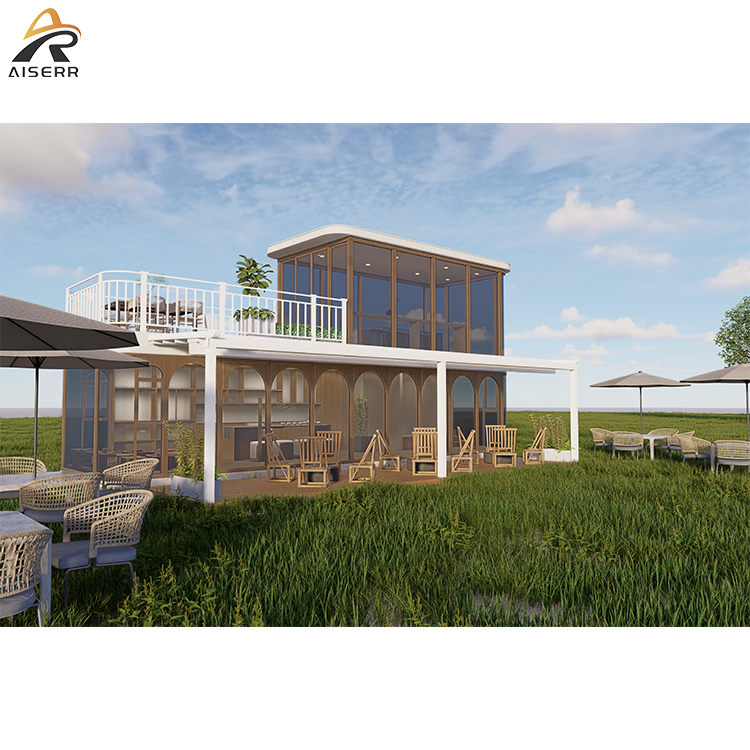
Double-Layer Waterproof Coffee Desserts House Family Villa Cozy Reading Cabin Contemporary Design Steel Structure Modular

Product Description

Modular Building Component
Environmental Aspect

Environmental

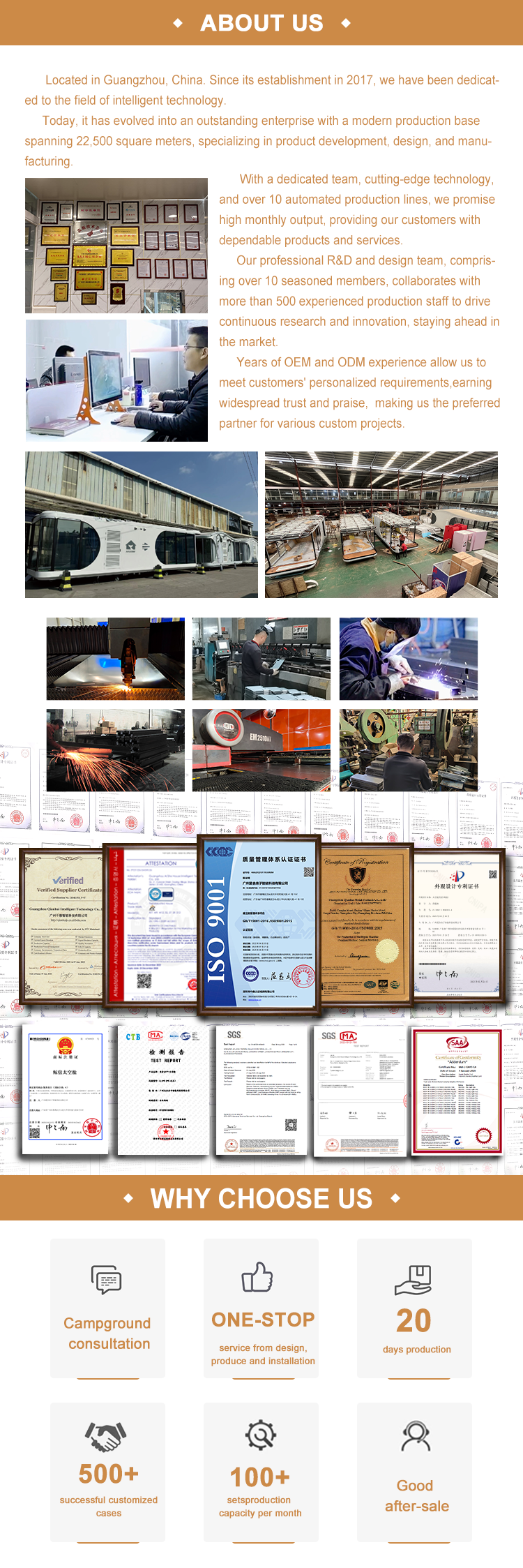
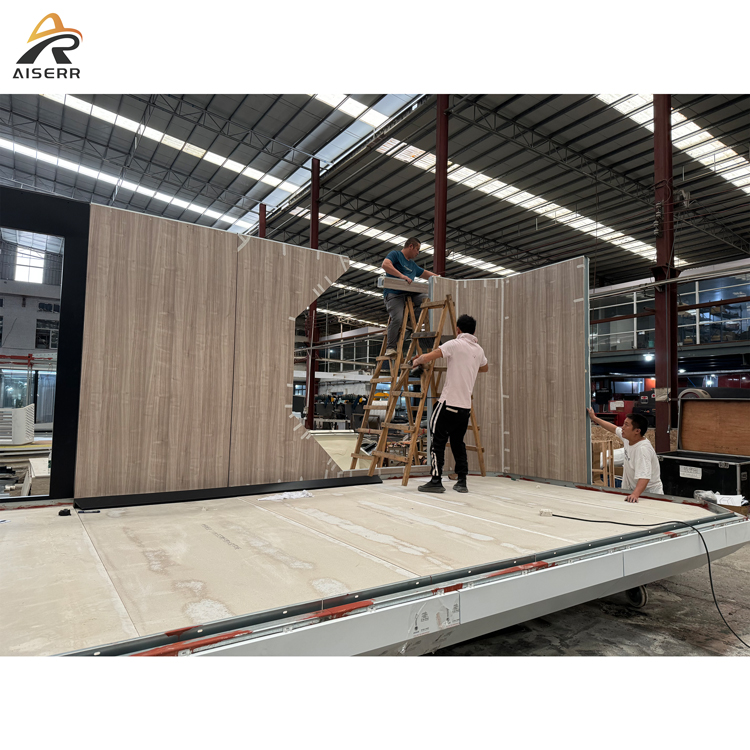
All modules are connected using bolts and screws. Most modules, such as roofs, walls, floors, and doors, are completed in a factory environment. The factory carries out mass production and delivers components to the site for installation. This means that modular buildings can significantly reduce construction time, with assembly taking only a few days.
Efficiency Aspect

Efficiency

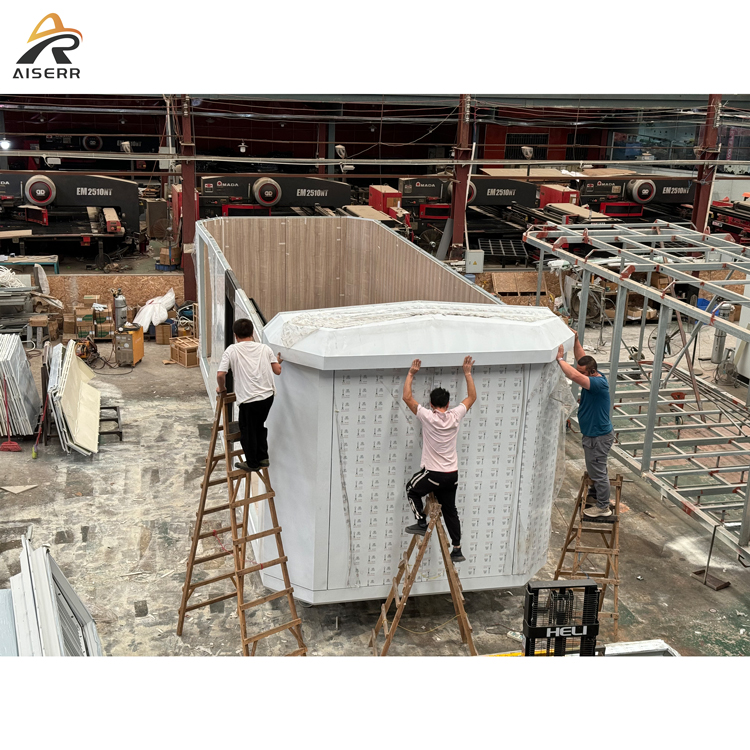
The production environment in the factory is relatively stable, which can better ensure the quality and accuracy of the components. At the same time, modular buildings adopt standardized design and production processes, so that the quality of each module can be strictly controlled.
Quality Assurance Aspect

Quality Assurance

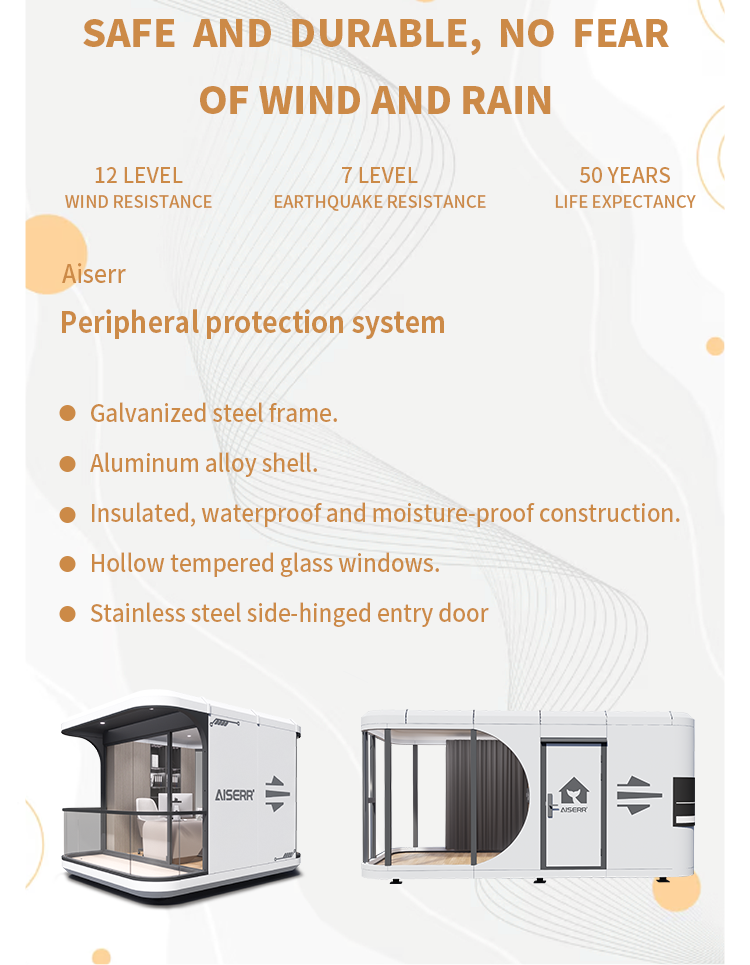
Modular buildings can improve the insulation and heat insulation performance of buildings through optimal design, reducing energy consumption. In addition, as most of the construction process is completed in the factory, the noise, dust, and other pollution on the construction site are reduced, and the impact on the environment is also small.
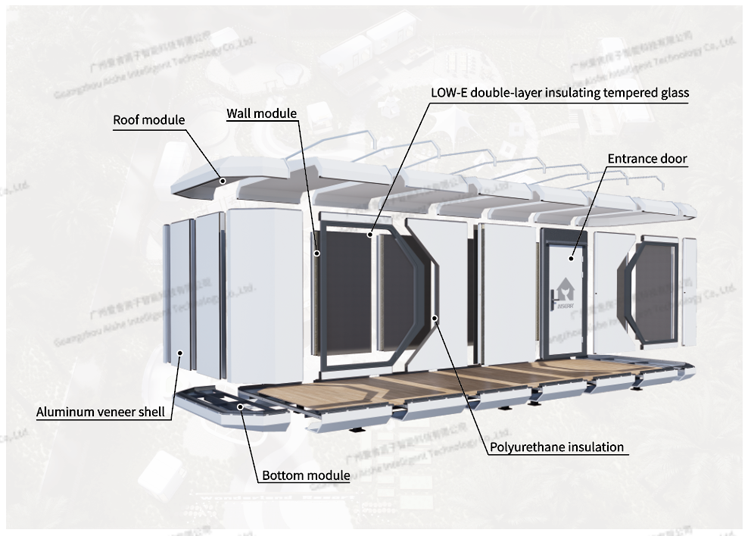
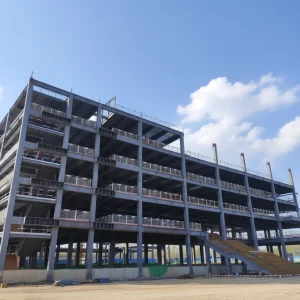
Modular Structure Diagram
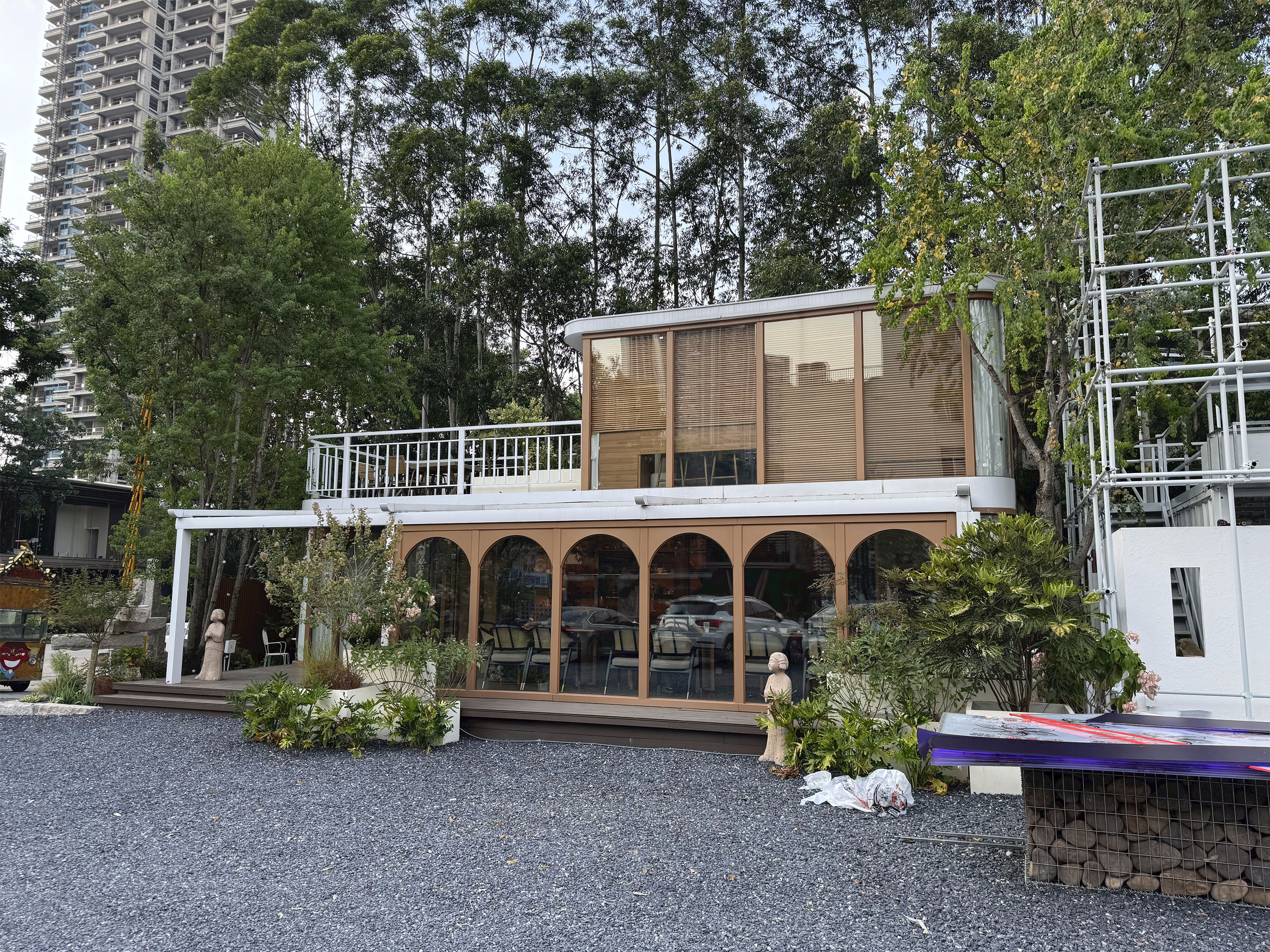
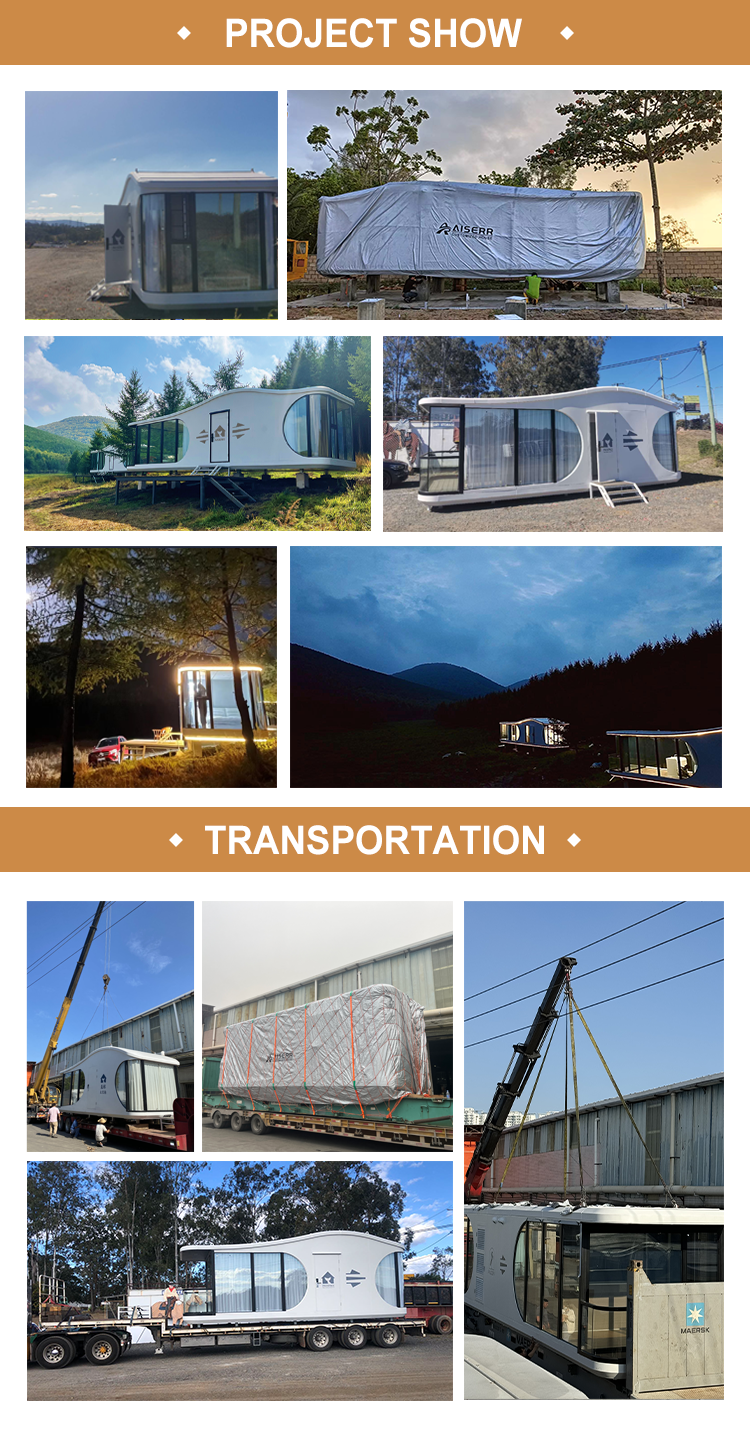
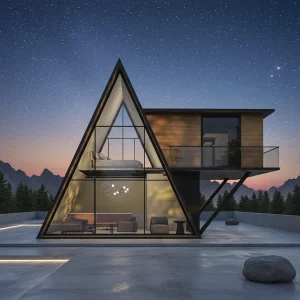
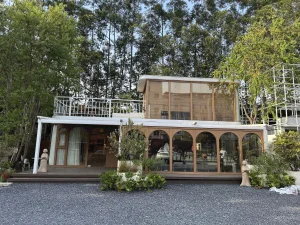
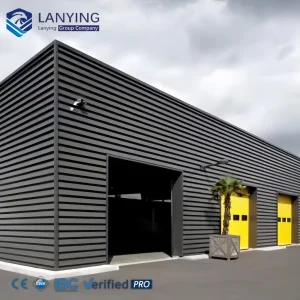
Modular Project Showcase 1
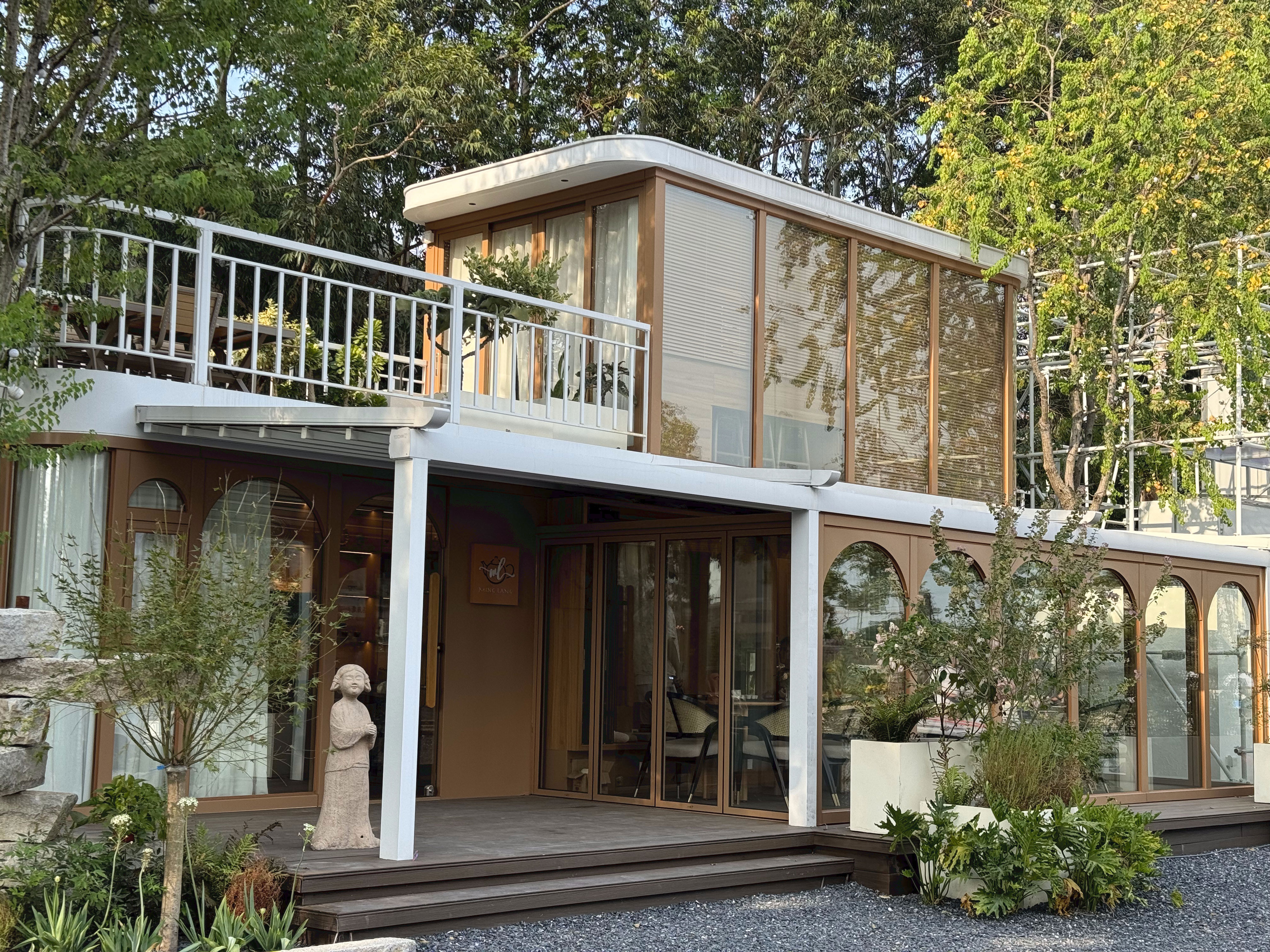
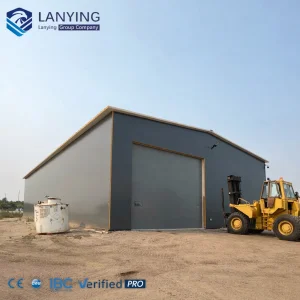
Modular Project Showcase 2
Modular Project Showcase 3
Modular Project Showcase 4
Modular Project Showcase 5
Production Process
Technical Specifications
Construction Steps
Application Fields

Frequently Asked Questions

What are the primary benefits of modular buildings?
Modular buildings offer rapid construction times, cost efficiency, exceptional quality control, and minimal environmental impact. Because modules are prefabricated in a controlled factory setting, onsite assembly takes only a fraction of the time compared to traditional methods.
How is the quality of modular components assured?
Production is conducted in a stable, standardized factory environment. This allows for rigorous quality checks, precise tolerances, and uniform design consistency, ensuring that every module meets strict engineering standards.
Are modular buildings environmentally friendly?
Yes. Factory production significantly reduces material waste and minimizes noise, dust, and light pollution at the building site. Additionally, modular buildings are designed for optimal thermal insulation, which helps reduce long-term energy consumption.
How are modular units connected and installed on site?
All structural modules, including walls, roofs, floors, and doors, are manufactured in the factory and transported to the job site. Once there, they are securely joined together using high-strength bolts, screws, and connection systems.
Can modular buildings be customized for different designs?
Absolutely. While the production process is standardized for efficiency, modular architecture supports a wide variety of configurations, dimensions, materials, and aesthetic finishes to meet specific project needs.

Related Products