The demand for modular housing is rising globally. According to a recent report by McKinsey & Company, the modular construction market is expected to grow by over 70% in the next five years. This growth reflects a shift towards efficiency and sustainability. But how does a modular house work?
James T. Kwon, a leading expert in modular construction, states, "Modular building is not just about speed; it's about redefining quality." His insights emphasize the innovative approaches used in the modular housing sector. Each module is pre-built in a factory, allowing for precision and reduced waste.
However, challenges remain. Some buyers question the long-term durability of modular homes. Reports show that while they can be cost-effective, perceptions often lag behind reality. Addressing these concerns is crucial for wider acceptance. As we explore how does a modular house work, it reveals both potential and flaws in this evolving industry.
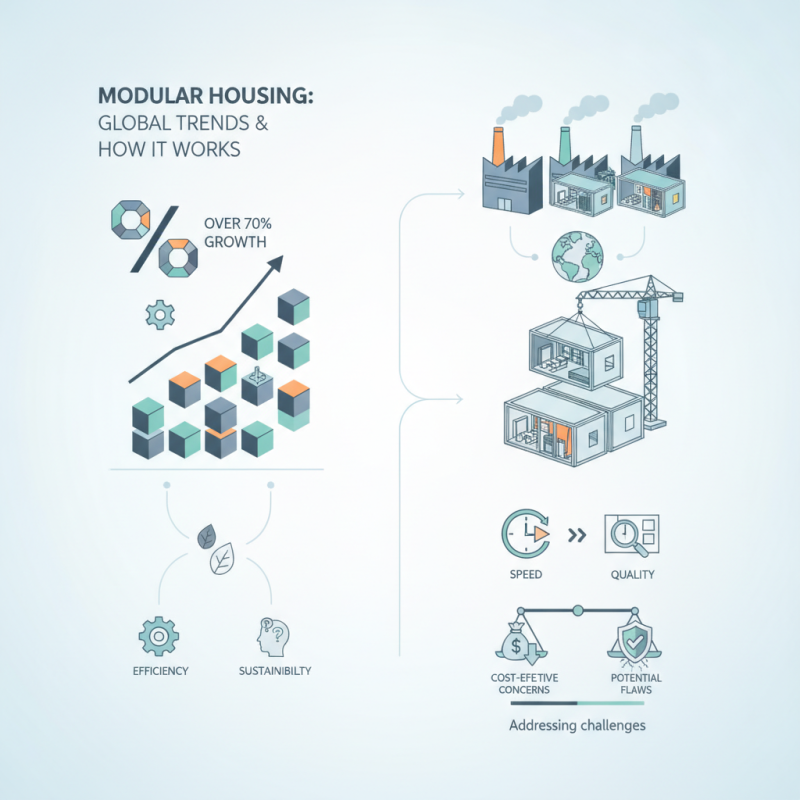
Modular housing is increasingly recognized as a viable solution for global housing challenges. According to a report by the World Bank, over 1.6 billion people currently lack adequate housing. Modular homes can be built quickly and at a lower cost. The construction process is significantly streamlined, with factories producing modules that are then transported to sites for assembly. This method can reduce waste by as much as 30%, addressing both affordability and environmental concerns.
The modular home market is projected to grow by over 6% annually, as identified by a recent report from Statista. This rise is driven by the urgent need for affordable living solutions. Many buyers, particularly in urban areas, find traditional housing prices prohibitive. Modular homes cater to this demand by offering customizable designs that meet diverse consumer needs. Yet, challenges remain. Some consumers still perceive modular houses as less durable or aesthetically pleasing than traditional homes. Addressing these perceptions is crucial for broader acceptance.
Furthermore, logistics and supply chain issues can arise. Transportation of modular units can lead to delays and increased costs. Stakeholders need to invest in a robust transportation network to mitigate these challenges. As demand grows, exploring new materials could enhance the appeal and durability of modular homes, aligning with sustainability goals. The potential is immense, but careful attention to quality and consumer perceptions will shape the future of modular housing globally.
Modular houses are revolutionizing the way we think about construction. The design and manufacturing process begin with careful planning. Architects create efficient designs that maximize space and minimize waste. Advanced technology is used for precision in building components. These components are pre-fabricated in factories, allowing for quicker on-site assembly.
During the manufacturing phase, strict quality control measures are vital. Each module undergoes testing to ensure durability and safety. However, issues can arise, such as discrepancies in local building codes. It's essential for buyers to understand these regulations before construction starts. Communication with local authorities can prevent potential setbacks.
Tips: Always check zoning laws before you start. Research local contractors for assembly. Their expertise can save time and money.
Even after modules are shipped, challenges remain. Weather delays and transportation issues may affect timelines. Buyers should prepare for unexpected delays. Flexibility and patience are key during the final steps of modular housing completion.
Modular homes are gaining popularity among international buyers. One significant advantage is their speed of construction. Reports indicate that modular homes can be built up to 50% faster than traditional homes. This speed can be crucial for buyers facing time constraints or those relocating for work.
Flexibility is another key benefit. Modular homes can be customized to fit various lifestyles. Whether it's a small family or a remote worker, modular designs can cater to diverse needs. For instance, open floor plans promote collaboration in work-from-home settings. Conversely, creating individual spaces allows for privacy and focus.
However, potential challenges exist. Some buyers worry about the quality of materials used in modular construction. A recent study noted that while modular homes often meet building codes, quality control can vary by manufacturer. Buyers should thoroughly research manufacturers to ensure reliability. They should also consider local zoning laws, which can impact footings and design. Engaging with experts in modular housing is essential to navigate these complexities effectively.
| Feature | Advantage | Description |
|---|---|---|
| Cost Efficiency | Affordable Options | Modular homes are often cheaper to build than traditional homes due to streamlined construction processes. |
| Speed of Construction | Fast Turnaround | Modules are pre-fabricated off-site, allowing for quicker assembly on location, reducing wait times. |
| Sustainability | Eco-Friendly | Uses sustainable materials and energy-efficient construction methods to minimize environmental impact. |
| Customization | Personalized Designs | Buyers can choose layouts, finishes, and other elements to create a personalized living space. |
| Flexibility | Adaptable Spaces | Modular homes can be expanded or modified easily to meet changing needs or family sizes. |
| Quality Control | Consistent Standards | Built in controlled environments, ensuring higher quality and safety standards compared to traditional methods. |
Modular homes are increasingly seen as a sustainable housing option worldwide. These prefabricated structures are designed for efficiency and minimal environmental impact. One significant feature is their construction method. Parts are built in factory settings, reducing waste and speeding up assembly on-site. This method not only cuts down on material waste but also lowers the carbon footprint associated with traditional building processes.
Another noteworthy aspect is energy efficiency. Many modular homes utilize advanced insulation technologies. This leads to lower heating and cooling costs. Solar panels can also be incorporated, further enhancing their sustainability. While the initial investment may seem high, the long-term savings are substantial. However, potential buyers should consider local climates. Not all designs perform equally well in every environment.
Water conservation is another critical feature. Some modular homes come equipped with low-flow fixtures and innovative rainwater harvesting systems. This helps to reduce water usage significantly. Yet, these systems can be complex and may require regular maintenance. Buyers need to be aware of this before making a decision. Overall, modular homes present a promising solution for sustainable living but require careful consideration of individual needs and local conditions.
The modular housing market has shown remarkable growth in 2023. Around the globe, buyers are interested in quick solutions to housing crises. This interest has translated into increased adoption rates in various regions. In places like Europe and North America, modular homes are seen as viable alternatives to traditional construction.
One notable trend is the emphasis on sustainability. Many buyers seek eco-friendly options. Modular homes often use less energy and materials, making them attractive for environmentally conscious consumers. However, challenges remain. Local regulations and zoning laws can complicate the adoption process. This can lead to frustration for buyers who may not fully understand these hurdles.
Another aspect to consider is affordability. Modular homes can be cheaper than traditional houses, but prices vary. Economic factors and supply chain issues can impact costs. Potential buyers need to research thoroughly to avoid unexpected expenses. This ever-changing landscape requires adaptability and awareness from consumers and builders alike.
: The process starts with careful planning and efficient design by architects.
Components are prefabricated in factories, allowing for quicker assembly on-site.
Each module undergoes strict testing for durability and safety.
Buyers must understand local building codes and zoning laws to avoid setbacks.
They can be customized with open floor plans or private spaces for various needs.
Features include reduced waste during construction and energy-efficient insulation technologies.
Weather issues and transportation challenges can affect timelines.
Researching manufacturers and their quality control measures is essential.
They can be constructed up to 50% faster than traditional homes, which is beneficial for relocations.
Systems like rainwater harvesting may require regular upkeep, so buyers should be prepared.
Modular housing is a pivotal solution addressing the global demand for affordable living options. This innovative construction method allows homes to be built in a factory setting and then transported to the site for assembly, illustrating how does a modular house work. The design and manufacturing process ensures efficiency and cost-effectiveness, making modular homes appealing to international buyers seeking flexible living solutions.
Moreover, sustainability features integrated into modular homes contribute to their growing popularity. With eco-friendly materials and energy-efficient designs, these homes align with modern environmental standards. In 2023, market trends show increasing adoption rates of modular housing worldwide, highlighting its role in handling the housing crisis while offering homeowners a versatile and sustainable lifestyle.

SES House