As the demand for affordable housing increases, many potential homeowners are asking, "how much does a modular house cost?" According to the Modular Building Institute, modular homes can save up to 10-20% compared to traditional builds. This cost-effectiveness is appealing, especially in a housing market facing steep prices and limited inventory. However, understanding the true cost involves more than just the initial price tag.
Factors such as location, customization, and local building codes play critical roles. Recent reports indicate that the average modular home ranges from $100 to $200 per square foot, influenced by design choices. It’s essential to factor in utilities and land expenses, which can vary significantly. Some buyers may overlook these additional costs, leading to unexpected financial strain.
While modular construction is generally quicker, challenges like supply chain issues can affect timelines. Therefore, a thorough budget planning and research phase is crucial. Engaging with reputable builders and obtaining detailed quotes can provide clarity. In navigating this option, one must remain aware of these nuances to make an informed decision.
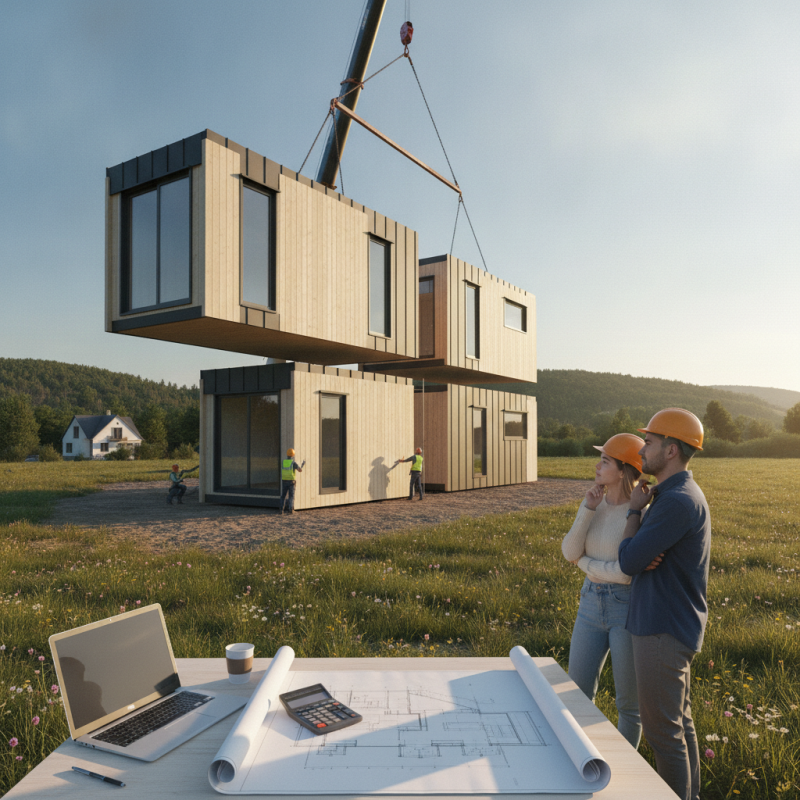
Modular houses offer innovative designs that focus on efficiency and comfort. With their prefabricated components, these homes can be customized easily. Homeowners can choose layouts that fit their needs. This flexibility is a significant advantage. The construction process is faster than traditional building methods, often reducing stress for buyers.
Beyond speed, modular homes are known for their sustainability. Builders can incorporate eco-friendly materials and design elements. Efficient insulation and energy-saving systems are common features. This approach not only benefits the environment but also reduces utility bills over time. However, finding the right builder with experience can be challenging. It’s vital to research and ensure quality.
A modular house also offers unique aesthetics. Various styles are available, allowing personalized touches. While this enhances appeal, buyers must consider their long-term satisfaction. Trends change, so what seems perfect now might not fit later. This aspect encourages thoughtful planning and reflection on future needs.
Estimating costs for modular houses in 2026 requires careful consideration of various factors. Housing demand is expected to rise, impacting prices. Location plays a significant role. Urban areas are often pricier. For example, a modular home in a city may cost $150,000 to $300,000. In contrast, the same home in a rural area might be around $100,000. These figures can vary widely based on local regulations and market conditions.
Materials also influence costs. Sustainable options are gaining popularity but can be more expensive. The choice of fixtures and finishes adds to the overall price. A basic build might start at $100 per square foot, while more luxurious designs can exceed $250 per square foot. Additionally, unforeseen expenses often arise. Site preparation, permits, and labor can escalate costs unexpectedly.
Investors and buyers should approach with caution. The initial budget might not reflect total spending. Understanding these details is crucial for making informed decisions. Getting professional advice is essential. Proper planning can mitigate risks associated with price fluctuations and unexpected costs. Transparency in communication with suppliers and builders is vital for a successful project.
When considering modular housing, various factors influence pricing in the market. One major aspect is design complexity. A simple design generally costs less than an elaborate one. Custom features can significantly increase expenses. Buyers should balance aesthetics with budget constraints.
Material choices also play a critical role. Sustainable materials tend to be pricier but can offer long-term savings. The quality of insulation affects initial costs and ongoing energy bills. Additionally, labor availability impacts pricing, especially in high-demand areas. Unforeseen delays may arise, adding to overall expenses.
Location is another vital consideration. Infrastructure, zoning laws, and local regulations can sway costs dramatically. Remote areas may experience higher shipping fees. Furthermore, seasonal trends impact labor rates and availability. Understanding these variables can empower buyers to make informed decisions about their modular home investments.
This bar chart displays the average cost of modular houses in various regions across the United States for the year 2026. The data reflects factors affecting modular house prices, including labor costs, material prices, and design complexity.
Modular houses are an emerging alternative to traditional homes, offering several distinct advantages. According to a report by the National Association of Home Builders, modular homes can be built 30-50% faster than traditional homes. This speed stems from factory construction. Weather-related delays are minimized. However, this process may sometimes sacrifice customization options, leading to frustration for some homeowners.
On the cost front, modular houses can be more affordable. A study by the Modular Home Builders Association indicates that modular homes often cost between $100 to $200 per square foot. In contrast, traditional homes in the same area can range from $150 to $300 per square foot. Still, potential buyers should scrutinize ongoing costs, such as land purchases and site preparation. These hidden costs can lead to overspending.
Tips: Research local zoning laws. Modular homes have specific regulations that can impact your build. Consider energy efficiency. Modular designs can offer better insulation, resulting in lower utility bills. Always visit completed projects when possible. This helps in evaluating quality before committing.
| Feature | Modular Houses | Traditional Homes |
|---|---|---|
| Average Cost per Square Foot | $100 - $150 | $150 - $300 |
| Construction Time | 4 - 6 Months | 6 - 12 Months |
| Customization Options | High | Medium |
| Energy Efficiency | High | Variable |
| Financing Options | Flexible | Standard |
| Resale Value | Stable | Appreciates Over Time |
When considering financing options for modular houses in 2026, potential buyers must be well-informed. Traditional mortgages are commonly used, but modular homes may require specialized loans. Many lenders offer options tailored for these unique constructions. Explore various financing avenues before making decisions.
Tips for financing: A larger down payment can reduce monthly payments. Look for loans with lower interest rates. Consider working with a financial advisor to assess your budget and financing strategies. They can help in identifying the best loan products available.
Another avenue to consider is government assistance programs. These can provide lower interest rates and better terms. However, not all programs apply to modular houses. Research thoroughly to find suitable options. Always read the fine print and understand the total costs involved. Keep in mind that financing requirements may vary depending on the lender and the type of modular home.
Stay vigilant when navigating these options. Missing key details can lead to financial strain. Evaluate your choices carefully and ensure they align with your long-term goals.
: Various factors influence costs, including design complexity, material choices, and location.
Urban areas often have greater housing demand and limited space, leading to higher prices.
In rural areas, a modular home might cost around $100,000, significantly lower than urban prices.
Material choices are crucial. Sustainable materials can be costlier but offer long-term savings.
Yes, site preparation, permits, and labor costs can escalate unexpectedly, impacting the overall budget.
A simple design generally costs less, while custom features significantly increase expenses.
Labor availability affects pricing, especially in high-demand areas. Delays can add unexpected costs.
Professional guidance helps in understanding true costs and avoiding budget overruns.
Transparency ensures that all parties understand costs, reducing the risk of surprises later.
Yes, initial budgets often don’t reflect total spending. Proper planning is essential for success.
The article titled "2026 Best Modular House Cost: What You Need to Know" provides a comprehensive overview of modular houses, highlighting their innovative designs and various benefits. As the demand for efficient housing rises, understanding how much does a modular house cost becomes essential for potential buyers. The article estimates costs for modular houses in 2026, examining the factors that influence these prices, such as materials and market trends.
Additionally, it compares modular houses to traditional homes, emphasizing their affordability and speed of construction. In light of these advantages, the article discusses various financing options available for purchasing modular houses in 2026, making it a valuable resource for anyone considering this modern housing solution.
SES House