10 Advantages of Modular Construction for Global Buyers?

Time:2026-06-22 Author:Madeline
0%

In recent years, modular construction has gained significant attention in the global construction market. According to a report by MarketsandMarkets, the modular construction market is expected to reach $157 billion by 2023, indicating a rapid shift towards this innovative building method. As buyers look for efficient solutions, "what are the advantages of modular construction" remains a crucial question.

Modular construction offers numerous benefits, including reduced construction time and lower costs. A study from McKinsey & Company suggests that modular techniques can cut project timelines by up to 50%. Moreover, these prefabricated components can be produced in controlled environments, enhancing quality and minimizing waste. This approach also allows for greater design flexibility and scalability, which is essential in addressing diverse market demands.

Despite these advantages, the modular construction approach is not without challenges. Integration with traditional building practices can be difficult, and regional regulations may hinder its adoption. Buyers must also consider the potential for long lead times in specialized modules. Addressing these concerns can lead to a more seamless experience for stakeholders in this evolving industry.
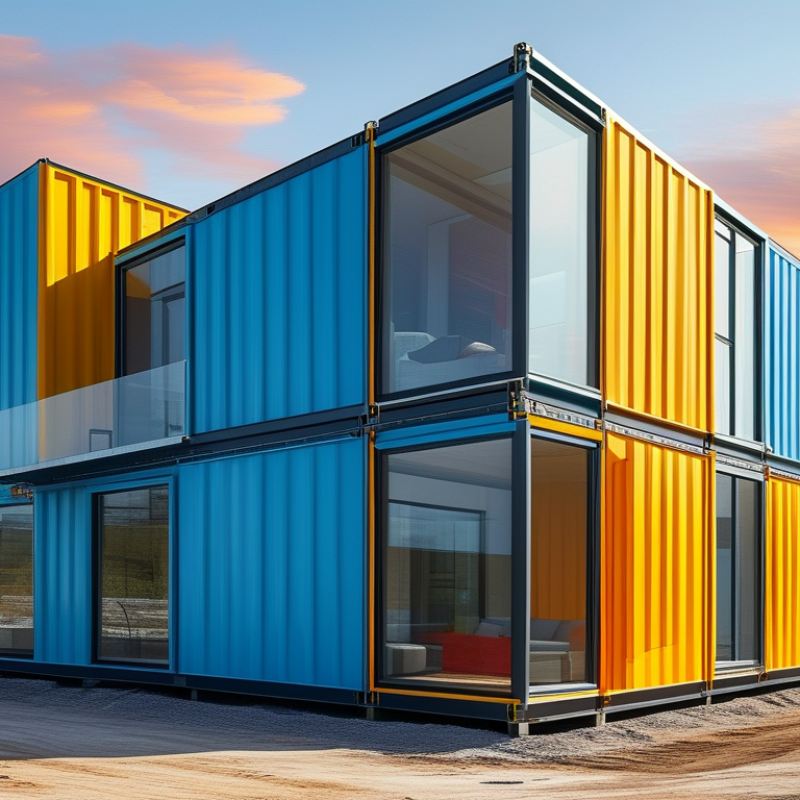
10 Advantages of Modular Construction for Global Buyers?

Understanding Modular Construction: An Overview for Global Buyers

Modular construction is transforming the building industry, offering unique advantages for global buyers. This innovative method involves creating building sections in a controlled environment before transporting them to the site for assembly. A report by McKinsey states that modular construction can reduce project timelines by up to 50%. This efficiency is appealing to many buyers seeking to optimize time and costs.

Modular buildings are often more sustainable than traditional structures. According to a study by the U.S. Department of Energy, off-site construction can reduce waste by 90%. Such eco-friendly practices attract environmentally conscious buyers. They also enhance the reputation of buyers in a market increasingly focused on sustainability.

Tip: Consider the intended use of the modular building. Some designs may be better suited for specific environments or communities.

However, modular construction does come with challenges. For instance, logistics can become complex. Transporting large modules requires careful planning and can incur additional costs. It's important to weigh these factors when considering modular options.

Tip: Communicate early with local authorities about zoning and regulations. Understanding local codes can mitigate delays and costs.

10 Advantages of Modular Construction for Global Buyers

Advantage Description Impact on Buyers
Cost-Effectiveness Reduced construction costs through efficient processes and materials. Lower investment required for projects.
Faster Construction Shorter build times due to parallel processes. Quicker return on investment.
Quality Control Controlled environment leading to higher quality standards. Reduced risk of defects and rework.
Sustainability Use of eco-friendly materials and processes. Appeal to environmentally conscious buyers.
Design Flexibility Adaptable designs to meet buyer specifications. Customization options to suit diverse needs.
Reduced Site Disruption Quicker assembly means less time on site. Minimized impact on surroundings and local communities.
Safety Lower accident rates in factory settings. Safer construction process for workers.
Global Scalability Easily replicable models for different markets. Facilitates entry into new geographic locations.
Technology Integration Incorporation of smart technology in design. Enhanced functionality and efficiency in buildings.
Reduced Waste Efficient use of resources leads to less construction waste. Cost savings and positive environmental impact.

Cost Efficiency in Modular Construction: Savings for International Clients

Modular construction is transforming the way global buyers approach projects. One significant advantage is cost efficiency. Reports indicate that modular projects can reduce construction costs by 10-20% compared to traditional methods. This efficiency stems from streamlined production processes and reduced on-site labor, crucial for tight project budgets.

For international clients, these savings are amplified. A study by the McKinsey Global Institute found that modular buildings can be constructed 30% faster. This speed translates into decreased financing costs and quicker returns on investments. However, several buyers may overlook potential challenges, such as heightened shipping costs for modules. It’s essential to conduct thorough logistical assessments.

Tips:

  1. Always consult local regulations before beginning a modular project.
  2. Evaluate potential hidden costs during the shipping process.
Embracing modular construction may lead to significant savings, but careful planning is required. Leaning on data and expert guidance can help clients navigate these complexities effectively.

Quality Control and Sustainability: Benefits of Modular Building Techniques

Modular construction has rapidly gained traction in the global marketplace, particularly due to its focus on quality control and sustainability. One significant advantage is the enhanced quality assurance achieved through factory-based production. This environment allows for strict adherence to building codes, reducing the likelihood of defects. Each modular component undergoes thorough inspection before it leaves the factory, ensuring high standards are met consistently.

Sustainability is another critical benefit of modular techniques. These methods often result in less waste compared to traditional construction. Precise material measurements help minimize excess, and recycling opportunities are more readily available. Additionally, modular buildings are often designed for energy efficiency. For instance, they can incorporate better insulation and energy-saving systems more easily during the manufacturing process. However, challenges still exist. Some buyers remain skeptical about the long-term durability of modular structures. Addressing perceptions of quality may require thorough education and transparency from manufacturers.

Moreover, transportation and site preparation can still pose hurdles. Ensuring the components arrive undamaged is crucial to the project's overall success. Therefore, while modular construction offers numerous advantages, ongoing discussions about its reliability in the construction landscape are essential.

10 Advantages of Modular Construction for Global Buyers

This chart highlights the advantages of modular construction techniques, showcasing the benefits in terms of Quality Control and Sustainability. Each advantage is represented by a percentage indicating its significance observed among global buyers.

Speed of Construction: How Modular Design Accelerates Timelines

Modular construction has gained traction due to its speed of execution. Traditional building methods often lead to delays. In contrast, modular design significantly shortens timelines. Reports suggest that modular projects can be completed up to 50% faster than conventional methods.

An important aspect of this speed is factory-based assembly. Building components off-site reduces weather-related interruptions. According to the National Institute of Standards and Technology, modular construction can improve efficiency by up to 30%. This efficiency comes from reduced waste and enhanced quality control during fabrication.

Tips: Opt for a modular approach if time is a critical factor for your project. Evaluate potential suppliers for their track record. Fast is good, but consistency is crucial.

Yet, not all projects are ideal for modular construction. Customization can be limited in standardized modules. It's vital to assess the unique needs of each project. Sometimes, a hybrid approach might yield better results. Balancing speed and quality remains an ongoing challenge in the industry.

Flexibility and Customization: Tailoring Modular Solutions to Global Needs

Modular construction is gaining traction globally, especially for its flexibility and customization. This approach allows buyers to tailor designs based on regional needs. According to a recent report by McKinsey, modular construction can reduce project delivery time by up to 50%. This rapid completion is crucial in addressing urgent housing demands worldwide.

Customization plays a vital role in modular construction. Clients can choose materials, layouts, and specifications that align with local markets. A study by the Modular Building Institute states that 80% of modular projects are customized in some way. However, not every customization meets its goal. Sometimes, the adaptations may lead to logistical challenges that could delay the process.

The rise of modular solutions reflects changing market dynamics. Many buyers desire sustainable practices and cost-effectiveness. However, while modular methods promise efficiency, they are not without their flaws. Issues can arise from transportation and assembly on-site, leading to complications. Balancing flexibility with practical execution remains a key area for improvement in this evolving industry.

FAQS

: What is modular construction?

: Modular construction involves assembling building sections off-site in a controlled setting before transporting them for assembly.

How fast can modular projects be completed?

Modular projects can be finished up to 50% faster than traditional construction methods, saving significant time.

Are modular buildings environmentally friendly?

Yes, they can reduce waste by 90%, making them more sustainable and appealing to eco-conscious buyers.

What are the cost savings with modular construction?

Modular construction can lower costs by 10-20%, primarily through efficient production and reduced labor on-site.

What challenges do buyers face with modular construction?

Logistics can get complicated, and shipping costs for large modules can be higher than anticipated, requiring good planning.

Why is it important to consult local regulations?

Understanding zoning and local codes can prevent delays and additional costs, ensuring smoother project execution.

Can customization be achieved in modular construction?

Customization is often limited in standardized modules, which may not meet all project needs or preferences.

What should buyers evaluate before choosing modular construction?

Buyers need to consider specific project requirements and whether a hybrid approach might work better for them.

How does factory-based assembly improve construction efficiency?

Weather-related interruptions are minimized, leading to improved quality control and reduced waste during fabrication.

What remains a challenge for the industry?

Balancing speed and quality is ongoing; sometimes, rushing can lead to mistakes that require reflection and adjustments.

Conclusion

Modular construction offers numerous benefits for global buyers, making it an increasingly popular choice in the construction industry. One key advantage is cost efficiency, as modular techniques often lead to significant savings for international clients by reducing labor and material costs. Additionally, the quality control associated with modular building ensures that structures meet high standards while promoting sustainability through eco-friendly practices.

Speed of construction is another compelling reason to consider modular solutions, as these methods can significantly shorten project timelines, allowing for quicker occupancy. Furthermore, modular construction provides flexibility and customization, enabling clients to tailor designs to meet their specific needs. Overall, understanding what are the advantages of modular construction can empower global buyers to make informed decisions in their construction projects.

Madeline

Madeline

Madeline is a dedicated marketing professional with a wealth of expertise in our company's core offerings. With a keen understanding of the industry, she brings a unique perspective to her role, consistently delivering high-quality content that highlights the superior aspects of our products. As......