As modular homes gain popularity, customizing these structures becomes essential for creating unique living spaces. A recent report by the National Association of Home Builders revealed that 70% of homebuyers seek personalized features. So, understanding how to customize a modular house offers significant value.
Expert architect Maria Johnson notes, "Customization allows individuals to express their lifestyle and preferences." This insight emphasizes the importance of tailoring modular homes to fit personal tastes. Many homeowners overlook this potential, settling for standard designs that may not reflect their identity.
However, not all customization processes are smooth. Many face challenges, from budget constraints to structural limitations. Reflecting on these obstacles helps potential buyers better prepare for the customization journey. Investing in professional advice can make a difference and transform a standard modular home into a dream space.
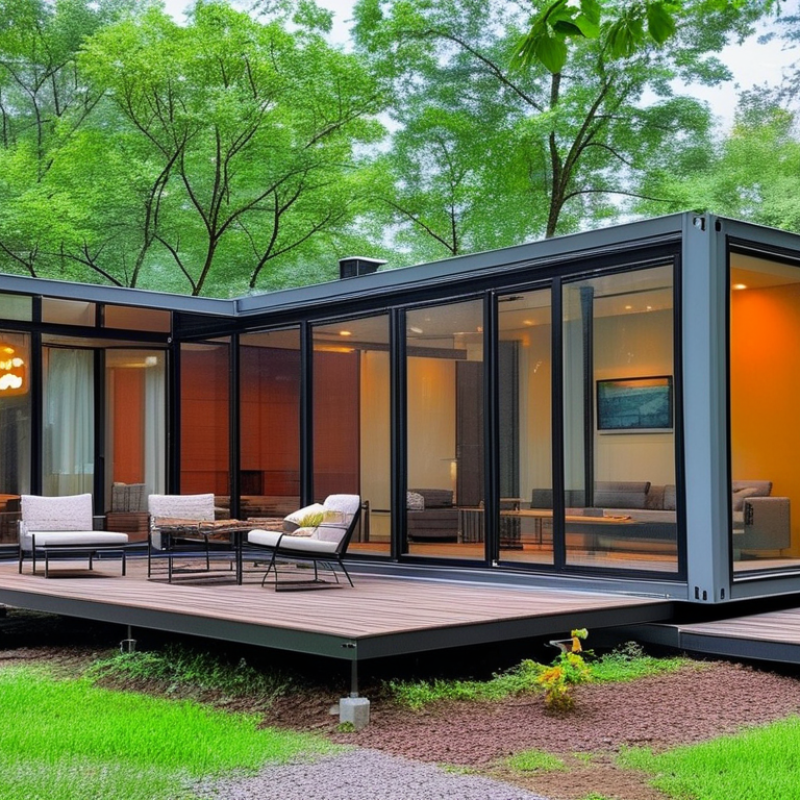
Understanding the Basics of Modular House Design
Modular houses offer unique flexibility in design, making them an attractive option for many homeowners. According to a report by the Modular Building Institute, the modular construction sector has seen an impressive growth rate of over 15% annually in recent years. This rise stems from efficient building processes and the ability to customize homes extensively.
Understanding the basics of modular house design starts with recognizing the frames and sections that can be tailored to fit specific needs. Homeowners can choose layouts that suit their lifestyle, such as open-concept living or dedicated workspaces. In fact, 74% of potential buyers prioritize customization options when considering modular options. This statistic highlights the demand for personal touches such as unique floor plans and energy-efficient features.
Nonetheless, customizing modular homes can present challenges. Budget constraints may limit options, leading to potential compromises between aesthetics and functionality. Moreover, navigating local building codes can be daunting. Some designs might not comply with regulations, risking delays or additional costs. Thus, careful planning and consultation with experts are crucial for a successful outcome.
Modular House Customization Features
This chart illustrates the various features that homeowners typically customize in modular houses. The data represents the average percentage of homeowners opting for each feature based on a recent survey.
Key Factors in Customizing Your Modular Living Space
Customizing your modular home allows for a unique living experience. To start, consider the layout.
Open floor plans create spaciousness, but smaller, defined areas foster intimacy.
Think about how each space will be used. Will you need a home office, or is a cozy reading nook more your style?
Personalizing these areas can enhance functionality.
TIPS: Use colors that inspire you. Bright hues energize, while soft tones calm. Don’t shy away from textures.
A mix of materials can add depth. Remember, lighting plays a crucial role in mood. Natural light is ideal, but adjustable fixtures offer versatility.
Furniture selection is key. Modular homes can present challenges in space management.
Choose pieces that offer storage solutions. Multitasking furniture, like a sofa bed, can save space.
Reflect on your daily needs. Are you an entertainer, or do you prefer quiet evenings?
Your choices should align with your lifestyle.
TIPS: Incorporate personal items.
Artwork and photographs tell your story.
Plants can add life to any room. Keep in mind, balance is essential.
Too much decor can feel cluttered. Take time to rearrange and reflect on your space.
Each decision contributes to your unique modular haven.
Innovative Interior Layouts for Modular Homes
Creating innovative interior layouts for modular homes opens up a world of possibilities. With thoughtful design, every square foot can serve multiple functions. Consider dividing the space with movable partitions. This allows for versatile rooms that adapt to your lifestyle.
Open-concept designs work well in smaller homes. They make the area feel larger and more inviting.
Flexible furniture is key in maximizing space. Look for items with dual purposes. A sofa bed can transform a living room into a guestroom. Foldable tables can serve as dining areas or workspaces. These choices reflect a practical approach to modern living. However, balancing aesthetics with functionality can be challenging. Sometimes, the layout may feel too cramped despite your best efforts.
Incorporating personalized elements adds character to your home. Gallery walls or unique lighting can define a space. Yet, creating a cohesive design can be tricky. Each detail should complement the overall theme. Experimenting with textures and colors often leads to unexpected results. This journey towards customization can reveal personal tastes.
Reflection on the design process can lead to a more satisfying outcome.
Sustainable Materials and Technologies in Modular Construction
Modular construction is revolutionizing how we approach sustainable living. By using eco-friendly materials and innovative technologies, modular homes can significantly reduce environmental impact. Bamboo, for instance, is a compelling choice. It grows rapidly and absorbs CO2, making it an excellent sustainable option. Another material, recycled steel, not only cuts waste but also offers durability. These materials are often lightweight, enhancing transportation efficiency during the building process.
Incorporating sustainable technologies creates energy-efficient systems. Solar panels are now common in modular designs. They harness renewable energy, lowering electricity costs and reliance on fossil fuels. Rainwater harvesting systems can minimize water consumption. However, while these features are beneficial, they require careful planning. Homeowners may face challenges in integrating high-tech solutions into traditional designs.
It’s also worth noting that the customization of modular homes can sometimes lead to complications. Decisions made for aesthetics might hinder energy efficiency. Balancing style and sustainability is crucial, yet tricky. For instance, oversized windows might improve natural lighting but could result in heat loss. Reflecting on these choices ensures that living spaces remain both unique and environmentally responsible.
Personalizing Outdoor Spaces in Modular House Designs
When customizing your modular house, outdoor spaces offer a unique canvas for expression. Transforming your backyard into a
personal oasis can enhance your lifestyle. Consider using
natural elements to create a harmonious environment. Plants, stones, and water features
can bring tranquility to your outdoor areas.
Tips:
1. Choose native plants for low maintenance. They thrive and adapt well to the local climate.
2. Create zones in your yard for different activities. Think about a reading nook or a small garden.
3. Use color thoughtfully. Bright cushions and decorations can uplift the overall feel of your outdoor space.
Reflection on outdoor design is essential. Are you thinking about functionality? Outdoor spaces should accommodate your
everyday needs. Lighting plays a crucial role; it can create a warm ambiance yet remains practical for evening use. Embrace
imperfection in your designs. A wildflower garden can look charming but may require regular upkeep. Balancing
aesthetics with practicality is key. Your outdoor space should reflect
your personality while being enjoyable and functional.
FAQS
: Bamboo and recycled steel are popular sustainable materials. They are eco-friendly and reduce waste.
Solar panels harness renewable energy, lowering electricity costs. They also reduce reliance on fossil fuels.
Integrating high-tech solutions with traditional designs may be difficult. Careful planning is essential for success.
Use natural elements like plants and stones. Create zones for different activities to enhance functionality.
It ensures your outdoor area meets your everyday needs and balances aesthetics with practicality.
Choose native plants to reduce maintenance. They thrive in the local environment and enhance harmony.
Proper outdoor lighting creates a warm ambiance and remains practical for evening use, making spaces enjoyable.
Oversized windows might enhance light but could lead to heat loss. Reflect on energy efficiency when designing.
While charming, a wildflower garden requires regular maintenance. Balance beauty and effort in your designs.
Functionality is crucial. Your outdoor area should reflect your personality while being enjoyable and practical.
Conclusion
Customizing your modular house can transform it into a unique living space that reflects your personal style and needs. To effectively learn how to customize a modular house, begin by understanding the fundamental principles of modular design, which allows for flexibility in layout and function. Key factors to consider include your lifestyle requirements, budget, and the specific features you want to incorporate.
Innovative interior layouts can greatly enhance the usability of your space, while sustainable materials and technologies contribute to both environmental responsibility and efficiency. Additionally, personalizing outdoor areas, such as patios and gardens, can create inviting extensions of your home. By focusing on these elements, you can achieve a modular home that is not only functional but also uniquely yours.

 SES House