How Energy Efficient Are Modular Houses Compared to Traditional Homes?

Time:2026-07-13 Author:Sophia
0%

The construction industry is evolving quickly. One notable trend is the rise of modular houses. These homes are built off-site and assembled on location. As sustainability becomes crucial, many wonder how energy efficient are modular houses compared to traditional homes.

Research shows that energy efficiency greatly influences homeownership costs. Modular houses often incorporate modern materials and technologies. This can lead to lower energy consumption over time. However, the efficiency of these homes can vary significantly. Some modular designs may not utilize energy-efficient practices fully.

Traditional homes have their strengths. They benefit from established building methods and materials. Yet, they may lack the innovative features found in many modular builds. This raises important questions. Are modular homes a truly sustainable choice? Or do they sometimes fall short in real-world energy efficiency? Understanding these differences is vital for homeowners seeking both comfort and sustainability.
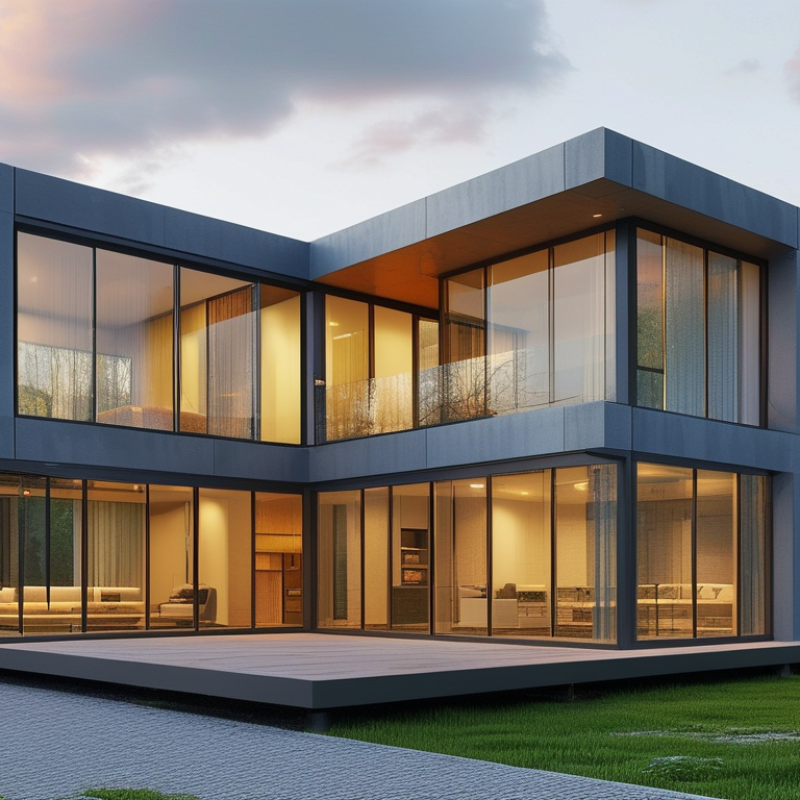
How Energy Efficient Are Modular Houses Compared to Traditional Homes?

Comparison of Energy Efficiency Between Modular and Traditional Homes

Energy efficiency is a crucial consideration for homebuyers today. Modular houses often stand out in this aspect compared to traditional homes. Constructed off-site, modular homes benefit from advanced building techniques. These techniques often include improved insulation and air sealing. This can lead to lower energy consumption.


In traditional homes, construction methods may vary significantly. This inconsistency can result in energy inefficiencies. Additionally, site conditions often influence energy performance. Modular homes, however, offer a controlled environment for building. This can minimize energy waste during construction. Homeowners might notice reduced heating and cooling costs with modular homes.


However, some may argue that modular houses lack customization options. This can cause hesitance for buyers who prioritize unique designs. The perception that modular homes compromise on flexibility needs reflection. Is the trade-off for energy efficiency worth it for you? Costs and long-term savings should be carefully considered before making a decision.

Key Factors Influencing Energy Efficiency in Modular Homes

When comparing the energy efficiency of modular houses to traditional homes, several key factors come into play. One significant advantage of modular homes is their construction process. They are built in controlled environments, which can reduce waste and improve insulation quality. Proper insulation minimizes heat loss and leads to lower energy bills.

Another crucial factor is the materials used in the building process. Many modular homes employ sustainable, energy-efficient materials. These can include advanced windows and energy-saving appliances. The integration of these materials often translates to a smaller carbon footprint compared to traditional homes.

**Tips:** Choose eco-friendly materials whenever possible. Look for homes with high insulation ratings. Regular maintenance can enhance energy efficiency over time.

However, not all modular homes are equal. Some may lack the same attention to energy-saving features. Potential buyers should conduct thorough research before making a decision. Inspect the energy efficiency ratings of specific models. Such diligence can lead to better choices and sustainable living.

Traditional Home Energy Consumption Patterns Analyzed

Energy consumption in traditional homes often follows predictable patterns. According to the U.S. Energy Information Administration, residential buildings account for about 20% of total energy use. Heating and cooling take a significant share, with estimates suggesting that heating alone can consume around 30-50% of a home’s energy. Poor insulation and outdated appliances often exacerbate energy waste, contributing to higher utility bills.

Moreover, an analysis by the EPA highlights that many traditional homes fail to meet energy efficiency standards. For example, homes built before 2000 typically have less effective insulation. Upgrading windows and appliances can lead to energy savings, but many homeowners overlook these improvements. This lack of awareness can hinder potential energy efficiency gains.

While energy efficiency varies widely, the trend reveals that traditional homes may not be keeping pace with modern standards. Even simple adjustments can lead to significant reductions in energy consumption, enhancing sustainability. Homeowners must actively seek solutions to lower energy use, despite barriers like cost or lack of information. A more proactive approach can create a positive impact on both the environment and household budgets.

How Energy Efficient Are Modular Houses Compared to Traditional Homes? - Traditional Home Energy Consumption Patterns Analyzed

Home Type Average Annual Energy Consumption (kWh) Energy Efficiency Rating (EER) Estimated Monthly Energy Cost ($) Carbon Emissions (tons/year)
Traditional Home 12,000 3.0 $150 8.5
Modular House 9,600 4.5 $120 6.5
Average Single-Family Home 10,800 3.5 $135 7.5

Technological Innovations Enhancing Modular Home Performance

Modular homes have gained attention for their energy efficiency. Technological innovations are key to enhancing their performance. Builders utilize advanced insulation techniques. These methods improve energy retention. As a result, heating and cooling costs decrease. Smart energy management systems are also integrated. These systems monitor energy consumption in real-time. They help homeowners optimize their usage.

Tips: Consider installing solar panels for further energy savings. Explore energy-efficient appliances that can complement your modular home. A well-planned landscape can enhance energy efficiency by providing natural shade.

Modular homes often employ sustainable materials. These materials reduce the carbon footprint. However, the environmental impact of manufacturing should not be overlooked. It’s important to choose materials wisely. Not every innovation fits every location. Climate and region influence modular home performance. Evaluate local conditions before making decisions.

Cost-Effectiveness of Energy Efficient Features in Both Housing Types

When comparing modular houses to traditional homes, energy efficiency plays a crucial role. Modular homes often utilize advanced insulation techniques. This leads to reduced energy consumption. Through better sealing and design, these homes maintain temperature more effectively. While traditional homes may lag behind, their construction might include established methods that aren’t as cutting-edge.

Cost-effectiveness varies greatly between both housing types. Modular houses, despite a higher initial investment, can lead to significant savings over time. Their energy-efficient features contribute to lower utility bills. In contrast, traditional homes may require frequent upgrades to reach similar energy standards. Long-term costs of aging infrastructure can add up. Homebuyers should weigh the upfront costs against potential utility savings.

Investing in energy-efficient features is integral for modern housing. Both types have unique benefits and drawbacks. Exploring these aspects often reveals unexpected trade-offs. Balancing initial costs with long-term savings requires thoughtful consideration. Homeowners must also keep sustainability in mind. It’s essential to evaluate how energy efficiency aligns with their financial and environmental goals.

FAQS

: What is the main focus of energy consumption in traditional homes?

: Energy consumption mainly involves heating and cooling, which can account for 30-50% of total use.

How much energy do residential buildings use overall?

Residential buildings contribute about 20% of total energy consumption in the U.S.

Why do older homes typically waste more energy?

Homes built before 2000 often have ineffective insulation, leading to increased energy waste.

What can homeowners do to improve energy efficiency?

Upgrading windows and appliances can significantly reduce energy use and lower bills.

Why do many homeowners overlook energy-saving improvements?

A lack of awareness about potential upgrades hinders energy efficiency gains.

How do modular homes differ in energy consumption?

Modular homes often use advanced insulation, resulting in reduced heating and cooling costs.

What are smart energy management systems?

These systems monitor energy use in real-time, helping homeowners optimize consumption.

Can landscaping influence energy efficiency?

Yes, well-planned landscaping can provide shade and reduce heating and cooling needs.

Are all innovative materials suitable for every location?

No, local climate and conditions greatly influence the performance of materials.

What is a key consideration when choosing sustainable materials?

It’s essential to evaluate the environmental impact of manufacturing alongside performance.

Conclusion

The article titled "How Energy Efficient Are Modular Houses Compared to Traditional Homes?" delves into the comparative energy efficiency of modular versus traditional homes. It highlights key factors that influence energy efficiency, such as design, materials used, and construction methods. The analysis reveals that modular homes often employ advanced building techniques and innovative technologies that enhance their energy performance, making them a competitive option against traditional homes.

Furthermore, traditional home energy consumption patterns are examined, providing insight into typical energy use and highlighting areas where improvements can be made. The article also discusses the cost-effectiveness of incorporating energy-efficient features in both housing types, suggesting that while modular homes may have upfront costs, the long-term savings on energy bills are significant. Ultimately, it provides a comprehensive understanding of how energy efficient are modular houses in contrast to conventional homes, enabling informed decisions for prospective homeowners.

Sophia

Sophia

Sophia is a dedicated marketing professional with an exceptional depth of knowledge about her company's products and services. With a keen understanding of market trends and customer needs, she crafts insightful blog posts that not only inform but also engage readers, enriching the company’s online......