When considering the purchase of a modular home, it's essential to understand the intricacies involved in this unique housing option. Industry expert John Smith, renowned for his work in modular construction, highlights, "Research is key; knowledge empowers you to make the right investment." With the rise in popularity of modular homes, buyers must ask themselves, "What should you know before buying a modular home?"
Understanding the process of purchasing a modular home can be overwhelming. There are various factors to consider, such as design, financing, and local regulations. Each aspect can significantly affect your future home and its value. For instance, if you ignore zoning laws, you could face delays or denials in construction.
The decision to buy also involves many emotional aspects. After investing time and money, it’s natural to worry about potential pitfalls. Yet, recognizing these challenges can lead to greater clarity. Engaging with experts, learning about costs, and exploring the best features are pivotal steps. Taking the time to educate yourself ensures that your investment becomes a source of pride rather than regret.
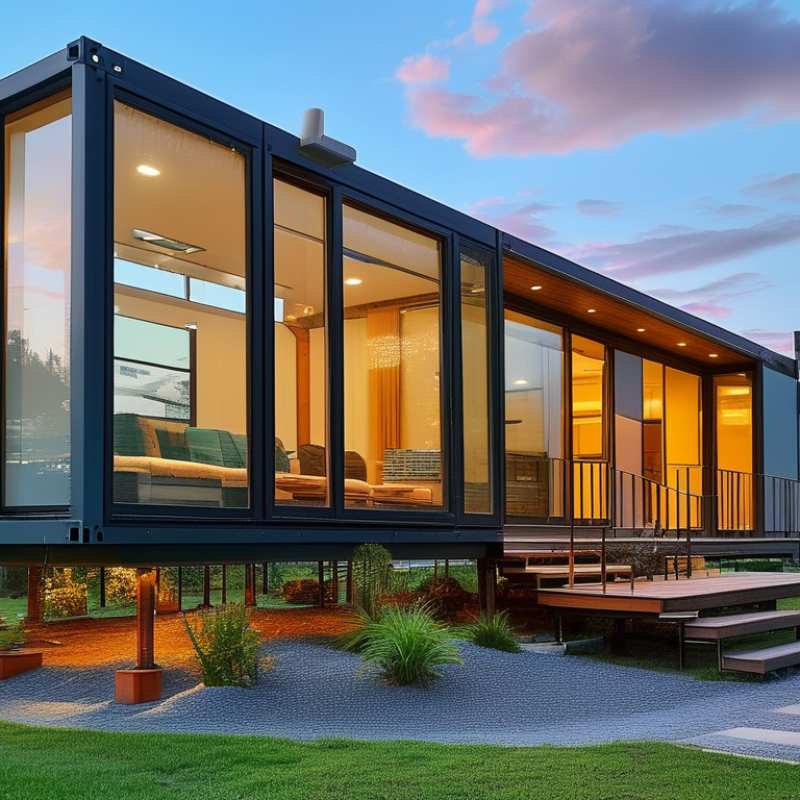
Understanding Modular Homes: Definition and Benefits
Modular homes are gaining popularity due to their unique construction process. Unlike traditional homes, these structures are built in a factory setting and assembled on-site. This method can reduce construction time significantly, often by 30% or more, according to the Modular Building Institute. The quality control in a factory setting also leads to greater consistency in building standards.
Furthermore, modular homes tend to be more energy-efficient. A study by the U.S. Department of Energy reports that modular homes can save homeowners up to 25% on energy costs. Many of these homes come with advanced insulation and energy-efficient appliances. Additionally, modular homes can be customized to meet individual needs, allowing for personal touches without the high costs of traditional construction.
However, potential buyers should be aware of regulations and local zoning laws. Not all locations may permit modular homes, and some communities may have stricter standards. Understanding these nuances is crucial. While modular homes offer many advantages, buyers must consider these factors carefully. Quality, customization, and adherence to local building codes should be at the forefront of every prospective homeowner's mind.
Assessing Your Budget: Costs Beyond Just the Purchase Price
When planning to buy a modular home, understanding your budget is crucial. Many buyers focus solely on the purchase price, overlooking additional costs. These include site preparation, utilities, and landscaping. Location plays a significant role in these expenses, and unexpected fees can arise. Research thoroughly and prepare for the hidden costs that may come your way.
Financing a modular home might also lead to unique challenges. Buyers often underestimate insurance and property tax, which can vary greatly by location. Make sure to account for these when calculating your budget. Furthermore, inspection fees might be overlooked. Getting a professional opinion is essential, even for a modular build. You want to avoid unpleasant surprises post-purchase.
Don't forget about potential upgrades. Many modular homes offer customization options. These can quickly add to your budget. Always prioritize what features are necessary versus what you'd like. Reflect on your long-term needs. Taking the time to assess all costs will help you make a more informed decision.
Understanding Additional Costs When Purchasing a Modular Home
Choosing the Right Manufacturer: Key Factors to Consider
Choosing the right manufacturer is crucial when buying a modular home. Start by researching their experience in the industry. Check how long they have been building modular homes. Look for a manufacturer with a solid reputation. Client testimonials can offer insights. They provide a glimpse into the quality of homes built.
Consider the range of designs offered by the manufacturer. A good variety allows you to find a home that suits your style. Look at the customization options available. Some manufacturers may not allow significant changes. Ask about energy efficiency standards. This aspect is becoming increasingly important for homeowners.
Quality of materials is another vital factor. Ask if they use reputable suppliers for construction. Inquire about their warranty offerings, which reflect the trust in their products. Communication is key during the process. A responsive manufacturer can help reduce stress. Reflect on your experience throughout these interactions; it can be a red flag if they are unresponsive. Be cautious and ask the right questions to ensure you make an informed decision.
Site Preparation: Importance of Location and Land Requirements
When considering a modular home, site preparation is crucial. The right location can enhance your living experience. Assess nearby amenities like schools, shops, and healthcare facilities. You’ll want easy access to essential services. Proximity to public transportation is also beneficial. Think about the commute to work or leisure destinations.
Land requirements vary significantly. Ensure the land is suitable for modular construction. Check zoning restrictions in your area. Examine soil quality and drainage, as these can affect your home’s stability. Discover if the land is prone to flooding or landslides. Evaluate utilities access such as water, electricity, and sewage. These aspects may lead to unexpected costs.
Consider how the topography impacts your home. Level land is easier and cheaper to build on. Slopes may require additional grading and foundation work, increasing expenses. In the end, location and land significantly influence your investment. Poor choices here can lead to future regrets. Reflect on these aspects carefully before making any decisions.
Financing Options: Exploring Loans and Grants for Modular Homes
When considering a modular home, understanding financing options is paramount. Various loans and grants exist for potential homeowners. According to the U.S. Department of Housing and Urban Development (HUD), modular homes can be financed similarly to traditional homes. However, lending criteria might vary. Therefore, it is wise to explore different funding sources.
Consider government-backed loans such as FHA loans. They typically offer lower down payments and competitive interest rates. A recent report from the National Association of Home Builders (NAHB) found that 38% of new homes are financed through such programs. This data underscores the importance of researching government options.
Explore local grant programs as well. Some states provide financial assistance for modular home buyers. This can significantly reduce your overall expenses. Before purchasing, gather information on your eligibility for grants or special financing. Examine your budget carefully and compare multiple offers. Refining these financial details can lead to informed decisions, ultimately saving you money. Remember, buying a home should be approached thoughtfully, weighing both advantages and potential pitfalls.
Conclusion
When considering what you should know before buying a modular home, it is essential to first understand the fundamentals of modular homes and their benefits, such as cost efficiency and quicker construction times. Next, evaluating your budget is crucial, as costs extend beyond the purchase price to include site preparation, utilities, and ongoing maintenance.
Choosing the right manufacturer is another key factor; it involves assessing their reputation, quality of craftsmanship, and customer service. Additionally, site preparation plays a significant role, as the location and land requirements can greatly influence your overall investment. Finally, exploring various financing options, including loans and grants specifically designed for modular homes, can help you make an informed decision and secure the best financial deal.

 SES House