What Industries Benefit From Modular Building Solutions

Time:2026-10-21 Author:Isabella
0%

What industries benefit from modular building solutions? The answer reaches far beyond temporary site offices. Modular construction now supports healthcare, education, housing, hospitality, retail, and commercial development. It can also serve data centers, worker accommodation, and remote infrastructure projects. Each sector values speed, predictable quality, or reduced disruption. The strongest results appear when modular planning begins before traditional design decisions become fixed.

Tom Hardiman, executive director of the Modular Building Institute, describes the approach clearly: “Modular construction is a process, not a product.” That distinction matters. A hospital may receive prefabricated patient rooms with installed plumbing and electrical systems. A school can add classrooms during a short holiday period. A hotel developer can reduce on-site labor while maintaining consistent room layouts. These examples show practical experience, not merely promotional theory.

However, modular solutions are not automatically suitable for every project. Transport limits, crane access, local planning rules, and unusual architectural demands can affect performance. Design changes made too late may also create expensive rework. The picture is not perfect. Careful feasibility studies remain essential.

This article examines which industries gain the most value from modular building solutions. It compares project timelines, quality control, labor requirements, safety considerations, and long-term adaptability. Readers will see where modular construction performs strongly, where conventional building may remain better, and how project teams can make more reliable decisions. The goal is not to present modular building as a universal answer. It is to understand where the method genuinely fits.
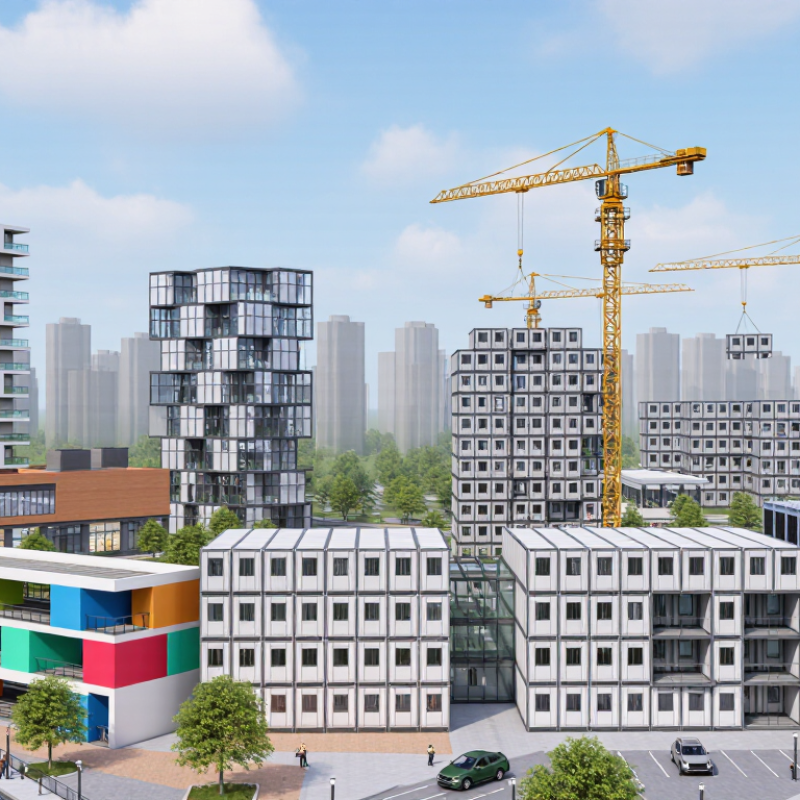
What Industries Benefit From Modular Building Solutions

Industries That Use Modular Building Solutions

Modular building solutions support industries that need usable space quickly, predictably, and with limited site disruption. Construction companies use modular offices, worker accommodation, meeting rooms, and storage units near active projects. Factory production can improve consistency, while on-site assembly reduces noise, waste, and weather delays. However, transport access and ground preparation still require careful planning. Speed is not automatic.

Healthcare providers use modular buildings for clinics, consultation rooms, laboratories, and temporary treatment areas. A controlled factory environment can support cleaner installation and repeatable quality checks. These facilities may include durable wall panels, clinical flooring, ventilation systems, and accessible entrances. Poor coordination with existing utilities can cause expensive delays, though. Medical users need more than attractive layouts.

Schools and universities often choose modular classrooms, libraries, science rooms, and administrative spaces during expansion. The buildings can be installed beside operating campuses with less interruption to lessons. Education planners should review acoustics, daylight, fire protection, accessibility, and future relocation needs before ordering units. A cheap solution may become costly if it cannot adapt to enrollment changes.

Retailers and hospitality operators also use modular solutions for kiosks, cafés, reception areas, and guest rooms. Standardized components help teams repeat proven layouts across different sites. Remote communities may benefit from modular housing and public-service buildings because materials arrive in prepared sections. Yet local climate, labor skills, and maintenance access can change the result. Practical experience matters. A drawing cannot reveal every site problem.

How Modular Construction Supports Healthcare and Medical Facilities

Modular construction is gaining attention in healthcare because medical space must arrive quickly, safely, and with fewer site disruptions. Dodge Data & Analytics’ 2020 SmartMarket Brief reported that 61% of surveyed contractors used prefabrication on at least 10% of their projects. The report also found strong expectations for increased adoption. For hospitals, this can mean factory-built bathroom pods, nurse stations, medical gas assemblies, or entire patient rooms.

The benefits become clearer during renovations. A completed module can be installed beside an operating facility, reducing noise, dust, and corridor closures. Factory production also supports repeatable quality checks for wiring, plumbing, ventilation, and cleanable wall surfaces. The WHO and UNICEF Joint Monitoring Programme reported in 2023 that roughly one in ten healthcare facilities lacked basic water services in 2022. Modular systems cannot solve every infrastructure gap, but integrated plumbing packages may improve consistency in urgent projects. Speed matters.

Clinical requirements still control the design. Isolation rooms need verified airflow, pressure relationships, and suitable filtration. Operating areas require careful coordination between medical gases, lighting, equipment, and infection-control procedures. A factory is not automatically a safer clinic. Teams must review drawings with clinicians, facilities engineers, infection-control specialists, and local authorities before production begins. Small errors become expensive when repeated across twenty rooms. That risk deserves more attention. Future projects should measure not only delivery speed, but also commissioning results, maintenance access, energy use, and patient experience.

How Modular Construction Supports Healthcare Facilities

Modular construction can help healthcare providers deliver hospitals, clinics, laboratories, and temporary treatment units more efficiently. Industry research commonly reports potential construction-time reductions of 30–50% and material-waste reductions of 30–40%. Actual results vary by project scope, design complexity, site conditions, and local regulations.

Data shown as commonly reported industry ranges for modular construction benefits; not a guaranteed project outcome.

Why Education Providers Choose Modular Buildings

Education providers increasingly choose modular buildings because they need usable space without waiting years for conventional construction. Classrooms, laboratories, libraries, and temporary teaching blocks can be manufactured while site preparation continues. McKinsey’s 2019 report estimates that modular construction may shorten project schedules by 20–50%. For schools facing enrolment growth, that difference can protect teaching time.

The 2023 Modular Building Institute Permanent Modular Construction Annual Report identifies education as a major application sector for permanent modular buildings. Its industry data shows continued demand for classrooms and campus facilities across North America. The appeal is practical: factory production offers repeatable quality, enclosed work reduces weather delays, and standard modules can support future expansion. A new science room may arrive with lighting, flooring, and mechanical systems already installed.

Site experience still matters. A tight campus needs careful delivery routes, crane planning, and safe separation from students. The U.S. Government Accountability Office reported in 2020 that school districts faced substantial backlogs for building repairs and modernisation. Modular construction can help, but it is not a universal shortcut. Poor ground surveys or rushed design decisions may create expensive changes later. Some schools also discover that standard layouts feel too narrow for specialist teaching. Education providers should test furniture, circulation, acoustics, and ventilation before approving production. Small details matter. The best solution is flexible, durable, and honest about its limits.

What Industries Benefit From Modular Building Solutions - Why Education Providers Choose Modular Buildings

Industry Typical Modular Applications Primary Project Drivers Benefits Compared with Conventional Construction Why the Sector Uses Modular Solutions Indicative Planning Considerations
Education Classrooms, laboratories, libraries, administration offices, dining areas, sports facilities and temporary teaching accommodation Enrollment growth, urgent capacity requirements, campus expansion and limited construction windows Factory production can reduce on-site activity, helping schools maintain teaching operations and limit disruption to students and staff Buildings can be installed during school holidays, extended or relocated when requirements change, and designed to meet education-space requirements Coordinate design, planning approval, site preparation, utility connections, accessibility and safeguarding requirements before delivery
Healthcare Consultation rooms, outpatient departments, diagnostic spaces, wards and staff facilities Additional clinical capacity, service continuity and rapid response to changing demand Off-site manufacturing can shorten the period of intensive activity around operational healthcare facilities Repeatable layouts and controlled manufacturing support consistent quality while reducing disruption in sensitive environments Confirm infection-control measures, medical services, ventilation, fire safety, accessibility and clinical approvals at an early stage
Residential Housing Apartments, student accommodation, workforce housing and temporary residential units Housing shortages, predictable delivery, site constraints and demand for repeatable units Standardized components can support repeat production, more predictable quality and reduced material exposure to weather during assembly Units can be configured for different occupancy needs and, where permitted, expanded or relocated as demand changes Allow for transport dimensions, lifting access, foundations, planning rules, fire separation and connections to utilities
Commercial and Office Site offices, meeting rooms, retail units, welfare facilities and workplace extensions Fast business expansion, lease flexibility, phased development and operational continuity Modular space can be added without waiting for a full permanent building programme to be completed Businesses can obtain usable space quickly and adapt layouts as staffing levels or operational requirements change Assess customer access, workplace regulations, telecommunications, security, branding requirements and future adaptability
Construction and Infrastructure Site offices, workforce accommodation, welfare buildings, security units and project support facilities Remote locations, changing workforce levels, project phases and demanding site conditions Repeatable modules can be transported, installed and reconfigured for different project stages The approach supports temporary or semi-permanent facilities where conventional construction may be difficult or inefficient Plan transportation routes, ground conditions, lifting operations, power supply, water, drainage and worker welfare standards
Hospitality and Leisure Guest rooms, cabins, reception buildings, restaurants, changing rooms and event facilities Seasonal demand, limited construction seasons, remote locations and the need to open facilities quickly A larger portion of work can be completed away from the live site, helping reduce disruption to guests and visitors Modules can be repeated for consistent room layouts while allowing finishes and internal arrangements to be customized Consider local planning rules, transport access, fire strategy, acoustic performance, accessibility and connection to site services

Note: Project outcomes depend on design complexity, planning approval, site conditions, transport logistics, building regulations and the level of off-site completion. The planning considerations shown are general industry guidance rather than guaranteed project durations or costs.

Modular Solutions for Housing, Hotels, and Hospitality

Modular building solutions are reshaping housing, hotels, and hospitality projects. In housing, factory-built rooms can arrive with walls, wiring, insulation, and fixtures already installed. This controlled process reduces weather delays and limits material waste on crowded urban sites. A finished bathroom module may reach the site ready for connection, saving valuable labor hours.

Hotels benefit from repeatable room layouts. Guest rooms can be produced with consistent flooring, lighting, plumbing, and sound-control details. That consistency supports reliable quality across large developments. It also helps operators prepare rooms faster during renovation work. A modular hotel near a busy transport hub, for example, can reduce disruption by shortening on-site construction time. Guest comfort still depends on careful acoustic testing, ventilation, and durable surfaces.

Hospitality spaces need more than speed. Restaurants, serviced apartments, and small lodges require flexible layouts, efficient kitchens, and accessible circulation. Modular planning can support these needs when designers coordinate early with engineers, contractors, and local authorities. However, modular construction is not automatically faster. A late design change may affect factory production, transport routes, or crane scheduling. Poor early coordination can create expensive delays. This is where experienced project teams matter. They review moisture protection, fire performance, maintenance access, and local building requirements before production begins. The method is powerful, but it rewards discipline.

Industrial, Commercial, and Emergency Uses of Modular Buildings

Modular building solutions serve industries that need usable space without lengthy traditional construction. Their value becomes clear in industrial, commercial, and emergency settings.

Industrial facilities often use modular units for site offices, staff rooms, laboratories, and controlled storage areas. A factory manager can relocate these units as production lines change. Steel frames, insulated panels, durable flooring, and reinforced doors support demanding work environments. However, factory conditions differ widely. Heat, vibration, dust, and chemical exposure require careful material selection. A standard layout may not perform well beside heavy machinery.

Commercial projects use modular buildings for classrooms, clinics, retail spaces, offices, and temporary accommodation. Contractors can install finished modules while permanent buildings remain under construction. This approach helps maintain business operations and reduce disruption for customers. Interior details matter. Natural light, acoustic control, accessible entrances, and efficient heating affect daily comfort. The cheapest configuration is not always the most practical choice.

Emergency applications require speed, coordination, and dependable hygiene standards. Modular units can provide medical assessment rooms, sleeping areas, kitchens, sanitation facilities, or administrative spaces after floods, storms, or infrastructure failures. Clear circulation routes are essential when people are tired or distressed. Power, water, ventilation, and waste systems must be checked before occupancy. A fast installation still needs professional inspection. That part is easy to underestimate. The first plan is rarely perfect, so field feedback should shape later adjustments.

FAQS

Why do education providers choose modular buildings?

They need usable classrooms without waiting years for conventional construction. Factory work can continue while the site is prepared. This may protect teaching time.

Which education spaces can modular buildings provide?

They can provide classrooms, laboratories, libraries, and temporary teaching blocks. Some modules arrive with lighting, flooring, and mechanical systems installed. Small details matter.

Can modular construction shorten project schedules?

Industry estimates suggest schedules may shrink by 20–50 percent. The result depends on design approval, transport, ground conditions, and site coordination. It is not automatic.

What should schools check before approving production?

Schools should test furniture, circulation, acoustics, and ventilation. A narrow room may fail specialist teaching needs. The drawing can look fine.

How do modular buildings support housing and hotels?

Rooms can arrive with walls, wiring, insulation, and fixtures installed. Repeatable layouts support consistent flooring, lighting, plumbing, and sound control. Guest comfort still needs testing.

What can delay a modular hospitality project?

Late design changes may disrupt factory work, transport routes, or crane scheduling. Poor coordination creates expensive delays. Speed needs discipline.

Where are modular buildings useful in industrial and commercial projects?

They can serve as site offices, laboratories, clinics, classrooms, retail spaces, and staff rooms. Durable floors and reinforced doors support demanding environments. Standard layouts may not suit heat, vibration, or dust.

How can modular buildings support emergency response?

They can provide medical rooms, sleeping areas, kitchens, sanitation facilities, and administrative spaces. Power, water, ventilation, and waste systems require inspection before occupancy. Fast installation still needs professional checks.

What are the main limitations of modular construction?

Poor surveys and rushed decisions can cause costly changes later. Tight campuses also require safe delivery routes and crane planning. The method is useful, but not perfect.

Conclusion

Modular building solutions are transforming the way many industries plan, construct, and expand their facilities. This article explores what industries benefit from modular building solutions, including healthcare, education, housing, hospitality, industrial operations, commercial businesses, and emergency services. Because modular structures can be produced efficiently and adapted to different requirements, they offer a practical option for organizations seeking flexible spaces, shorter project timelines, and controlled construction processes.

Healthcare and medical facilities can use modular buildings for clinics, treatment rooms, laboratories, and additional capacity. Education providers may choose them for classrooms, administrative areas, and temporary or permanent campus expansion. In housing, hotels, and hospitality, modular solutions support comfortable, scalable accommodation and guest facilities. Industrial and commercial organizations can apply modular construction to offices, workspaces, storage areas, and operational buildings, while emergency services can benefit from rapidly deployable facilities designed to support urgent community needs.

Isabella

Isabella

Isabella is a dedicated marketing professional with a sharp focus on driving brand growth and engagement through strategic content creation. With an extensive background in digital marketing, she combines her passion for storytelling with her keen understanding of industry trends to deliver......