When exploring the question, "what is the difference between modular and traditional houses," it is vital to consider various factors that impact home construction and quality. According to industry expert Jennifer Smith, “Modular homes are often built faster but come with their own unique challenges.” This statement highlights a significant aspect of the debate.
Modular houses are prefabricated in sections, enabling quicker construction times and potentially lower costs. However, traditional houses are constructed on-site, offering a custom experience that some buyers prefer. Each construction method offers distinct advantages and drawbacks. Modular homes may face zoning and financing hurdles that require careful consideration.
Understanding these differences helps potential buyers make informed decisions. They must assess their preferences, budget, and long-term goals. The choice often reflects lifestyle, personal taste, and intended use. As markets evolve, the lines between these building types may blur, urging buyers to reflect on their priorities.
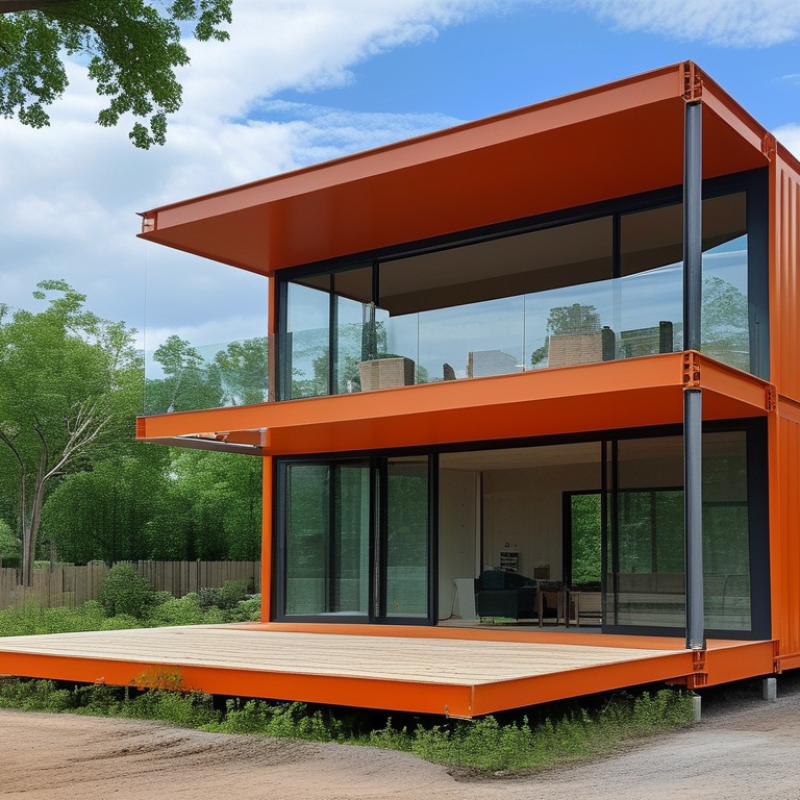
Modular houses have gained popularity in recent years. They are constructed in sections, or modules, in a factory setting. This controlled environment ensures quality and precision. Each module is then transported to the site for assembly. This method can reduce construction time significantly.
Key features of modular houses include flexibility and efficiency. Homeowners can customize their designs to suit their needs. This adaptability allows for a range of styles and layouts. Furthermore, modular homes often use eco-friendly materials. This aspect appeals to many environmentally conscious buyers. However, some people question the perceived value of modular homes compared to traditional houses.
It's important to note that modular homes may not always fit zoning laws or land restrictions. Buyers should investigate local regulations carefully. Additionally, the resale value can sometimes be lower than traditional homes. This situation prompts reflection on long-term investment. Weighing these trade-offs is essential for potential homeowners. They must decide what features matter most in their housing journey.
Traditional houses have a rich history that reflects various architectural styles and cultural trends. Originating in ancient times, they have evolved significantly. The typical features include fixed foundations, solid walls, and traditional roofing. Each region has its unique design, shaped by climate and available materials. For instance, Victorian homes showcase ornate details, while adobe houses highlight earth-friendly materials.
In recent years, reports indicate that over 80% of housing stock in many countries consists of traditional houses. These structures often provide a sense of permanence and stability. However, the industry's reliance on conventional building practices faces criticism for slow adaptation to modern needs. Studies show that traditional houses can be less energy-efficient, often due to outdated insulation practices. Furthermore, they frequently require more maintenance than newer, modular designs. These factors raise important questions about sustainability and efficiency in housing markets.
As we explore housing options, it becomes evident that traditional houses come with inherent inconsistencies. While they embody history and craftsmanship, they often lack the flexibility of modern approaches. This contrast invites reflection on what we value in our living spaces today.
When comparing modular and traditional houses, construction methods significantly impact their effectiveness and efficiency.
Modular homes are built in sections, or modules, in a factory setting. This method allows for consistent quality and faster turnaround times. According to the National Institute of Building Sciences, modular homes can reduce construction time by up to 30%. This efficiency often translates to lower labor costs, making modular homes an economical choice.
On the other hand, traditional houses are constructed on-site, which often leads to unforeseen delays and weather-related challenges.
Reports indicate that delays can add 10-20% to the overall construction costs. Traditional construction relies heavily on local labor and materials, which can vary in quality. This inconsistency sometimes results in prolonged timelines and higher budgets. In contrast, modular construction allows for better control over materials since they come from the same factory.
A common misconception is that modular homes lack durability. In reality, they are built to the same local building codes as traditional homes. However, potential buyers may worry about resale values. Understanding the key differences in construction methods can help clarify these concerns, ensuring informed decisions for prospective homeowners.
Cost is a significant factor in choosing between modular and traditional houses. Data from the National Association of Home Builders indicates that modular homes can cost 10% to 20% less per square foot than traditional homes. This price difference is primarily due to efficient production processes and reduced labor costs. Modular homes often use bulk materials, which further contributes to savings.
Despite the cost benefits, some buyers may have concerns. Traditional homes offer a sense of permanence and are often viewed as more valuable in the long run. On average, traditional properties appreciate at about 3.5% annually, while modular homes may not experience the same level of appreciation. This can cause hesitation for potential homeowners.
Moreover, financing options for modular homes can be less favorable. The construction type can lead to higher interest rates or fewer lenders willing to provide loans. Buyers should thoroughly research and assess these aspects. Considering these costs and financing issues is crucial for anyone deciding between modular and traditional homes.
The environmental impact of modular and traditional houses is a pressing concern today. Modular homes are often built with eco-friendly materials and sustainable practices. Their construction typically generates less waste compared to traditional buildings, which rely heavily on onsite construction methods. This waste reduction can lead to a smaller ecological footprint.
However, modular homes are not without their challenges. Transportation of modules can contribute to carbon emissions. While they promise efficiency, the actual benefits can vary. The sourcing of materials also plays a crucial role. If the materials are not sustainably harvested, the gains in efficiency may be negated.
On the other hand, traditional houses may use local materials, potentially reducing transportation emissions. Yet, they often have longer construction times, resulting in higher resource consumption. Balancing these factors is vital. Homeowners must reflect on their choices and long-term sustainability goals. Ultimately, both options offer unique benefits and drawbacks that deserve careful consideration.
: Traditional houses have fixed foundations, solid walls, and conventional roofing designs.
Each region features unique designs influenced by climate and local materials.
Over 80% of housing stock in many countries includes traditional homes.
Critics argue they are slow to adapt and can be less energy-efficient.
Traditional houses often require more maintenance than modern, modular designs.
Traditional homes are built on-site, leading to potential delays and higher costs.
Modular homes are built in factories, resulting in quicker construction and lower labor costs.
Yes, modular homes meet the same building codes as traditional houses.
Potential buyers often worry about the resale values of modular homes.
The contrast highlights our values in living spaces, questioning craft versus flexibility.
When considering what is the difference between modular and traditional houses, it's essential to understand their distinct characteristics and construction methods. Modular houses are prefabricated structures built in sections off-site, emphasizing efficiency and speed. In contrast, traditional houses are constructed on-site, often reflecting historical architectural styles and local building practices. The construction methods differ significantly, with modular homes often resulting in quicker builds compared to the more prolonged processes of traditional homes.
Cost is another critical factor; modular homes tend to be more cost-effective due to streamlined manufacturing processes, while traditional houses may incur higher labor and material costs. Additionally, environmental impact and sustainability considerations play a vital role in the discussion, as modular construction often results in less waste and a smaller carbon footprint. Overall, the choice between modular and traditional homes hinges on these key differences, influencing budget, timelines, and ecological considerations.

SES House