How to Find the Latest Trends in Modular Housing for 2026?

Time:2026-09-26 Author:Oliver
0%

Modular housing is moving beyond temporary accommodation and standard box-shaped units. In 2026, manufacturers are exploring adaptable layouts, low-carbon materials, and smarter factory production. Homebuyers want more than quick assembly. They expect comfort, durability, attractive design, and predictable costs.

So, what are the latest trends in modular housing? Current developments include modular homes with passive design principles, heat pumps, rooftop solar systems, and improved insulation. Some companies are adding recycled steel, engineered timber, and lower-waste construction methods. Others are developing compact homes with movable walls, built-in storage, and flexible rooms for work or family life.

Factory precision can reduce material waste and improve quality control. However, it does not solve every problem. Transport limits, land conditions, local building requirements, and installation quality still matter. A beautiful module can perform poorly if its foundation or ventilation is neglected.

This guide will examine evidence from manufacturers, architects, housing researchers, and recently completed projects. Real examples will help distinguish genuine progress from attractive marketing. We will consider costs, energy performance, durability, customization, and practical maintenance. Some trends may look promising but remain expensive or difficult to scale. That uncertainty deserves attention.

The strongest choices will depend on climate, budget, site access, and household needs. Readers should verify technical claims through product documentation and qualified professionals. Modular housing is developing quickly. Not every innovation is ready for every home.
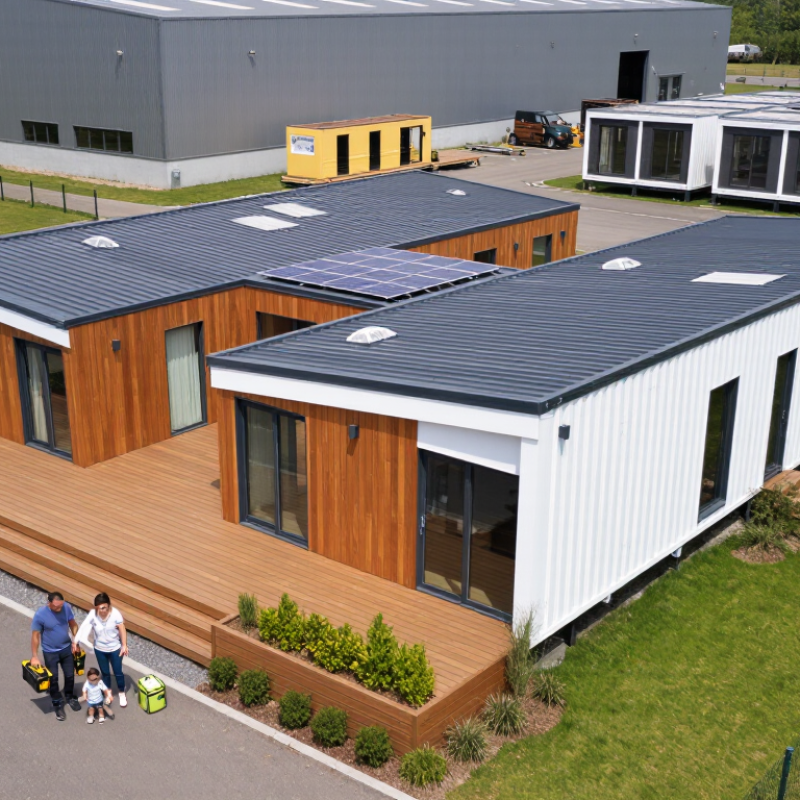
How to Find the Latest Trends in Modular Housing for 2026?

Define Modular Housing and the Scope of 2026 Trends

Modular housing is built as separate sections in a factory, then transported to a site and joined into a finished building. The sections may contain rooms, structural frames, wiring, or plumbing. That distinction matters. Modular does not automatically mean movable, temporary, or identical from one project to another. A home can be designed for permanent use while still relying on factory production.

For 2026, the useful scope is not a list of promised breakthroughs. It is a way to track changes in design, production, and installation. Watch for better energy performance, lower-waste material choices, digital planning, and factory quality checks. Ask how insulation, window placement, and ventilation work together; a neat factory finish cannot compensate for a poorly planned building envelope. Also consider adaptable interiors, such as partitions that can change as household needs shift. Not every project fits. Transport limits, site access, climate, and local building requirements can shape what is practical. I would be cautious about calling any single feature a trend without evidence across multiple projects. Compare specifications and completed buildings, not just renderings.

How to Find the Latest Trends in Modular Housing for 2026?

Modular housing is built in sections in a factory and then transported to a site for assembly. Unlike manufactured homes, modular homes are generally built to the same local or state building codes as site-built homes. For 2026, relevant trends to track include factory-built construction, housing demand, affordability, building codes, and the availability of skilled labor.

How to read this chart: U.S. housing starts provide context for the broader construction market; they are not a measure of modular-home production or market share. The rounded annual figures show housing starts rising through 2021 and then declining through 2024. Compare them with current local permitting, factory capacity, and modular-specific production data when assessing 2026 opportunities.
Source: U.S. Census Bureau and U.S. Department of Housing and Urban Development, New Residential Construction. Annual totals shown in millions of units, rounded.

Identify Reliable Sources for Emerging Housing Developments

To find credible modular-housing trends for 2026, begin with evidence, not polished renderings. A 2019 industry analysis, “Modular construction: From projects to products,” estimated that modular construction could create a $130 billion market across the United States and Europe by 2030, with potential annual savings of $22 billion. These were projections, not measured outcomes. Treat them as context, not proof that every new method will succeed.

Compare those forecasts with local building permits, planning documents, procurement notices, and housing-agency reports. Look for repeated details: factory-built wall panels, standardized floor plans, low-carbon materials, or shorter assembly schedules. Check whether reported time savings include design, transport, and site preparation. That distinction matters. Industry surveys can reveal adoption intent, but intentions do not always become completed homes. Check the footnotes.

For stronger verification, compare at least two independent sources and note their dates, locations, and definitions of “modular.” A housing report may count factory-built sections, while another counts panels or manufactured homes. Walk through a completed project when possible; inspect joints, finishes, and service access. I would still question claims based on one showcase home. It may not reflect ordinary budgets, weather delays, or local approval processes.

Explore Key Areas of Innovation in Modular Construction

Modular construction in 2026 is advancing through better design coordination, factory automation, and more flexible building systems. Digital models help architects, engineers, and manufacturers spot clashes before components reach the site. That saves rework. Still, a polished model cannot fix a rushed design or poor communication.

Material choices are also changing. Teams are testing lower-carbon concrete, recycled steel, and bio-based insulation, while weighing durability, fire performance, and local availability. In factories, robotic cutting and automated quality checks can improve consistency. Yet transport remains a constraint: oversized modules need suitable routes, and a small delivery delay can disrupt an entire installation schedule. The factory is only part of the story.

Building performance is another key area of innovation. Better air sealing, heat pumps, and rooftop-ready designs can support lower energy use, but results depend on installation and maintenance. Adaptable floor plans may also make future changes easier, though flexibility can add upfront cost. To judge a trend, look for measured energy data, documented quality checks, and clear details about what happens on site. Some layouts still feel repetitive. That deserves attention, too.

Assess Which Trends Are Likely to Shape Housing in 2026

By 2026, modular housing is likely to be shaped less by novelty than by delivery speed, energy performance, and adaptable layouts. McKinsey’s 2019 report, Modular construction: From projects to products, estimated that modular methods could shorten construction schedules by 20–50% and reduce costs by up to 20%. These are potential gains, not guarantees; transport, site access, and design changes can erode them.

Energy performance will matter more as buyers and planners scrutinize long-term running costs. The United Nations Environment Programme’s 2023 Global Status Report for Buildings and Construction reported that buildings and construction accounted for 32% of global energy use and 34% of energy-related carbon dioxide emissions in 2022. Expect more attention to airtight envelopes, heat pumps, and factory-installed insulation. Still, a highly efficient unit can disappoint if its layout ignores local climate or daily routines. That detail is easy to miss.

Tips: When assessing a 2026 modular design, compare its verified energy figures, delivery assumptions, and options for future changes. Ask how wall joints, window seals, and service connections are checked after installation. Look closely at the details. A polished render cannot show whether a kitchen feels cramped at breakfast or whether repairs require opening a finished wall.

Track Market Changes and Verify Trend Predictions

How to Find the Latest Trends in Modular Housing for 2026?

Track Market Changes and Verify Trend Predictions

Use market data as a starting point, not a forecast. The Modular Building Institute’s 2024 annual report estimated U.S. commercial modular construction reached $12.2 billion in 2023, with a 6.64% market share. Compare later reports with local building permits, housing starts, labor costs, and factory lead times. A rising market total does not prove every region is adopting modular homes. Check what projects are actually being built.

Test big claims against independent evidence. McKinsey’s 2019 analysis suggested modular construction could cut project timelines by 20–50%, but those savings are not guaranteed. Site access, transport distance, design changes, and local approval processes can all affect delivery. Track whether current projects report measured time and cost outcomes, rather than relying on promotional forecasts. A spreadsheet of project dates and published results can reveal a pattern. Or expose one. Forecasts can miss.

Tips: Compare at least two industry reports, note their publication dates, and check whether they measure housing or commercial buildings. Verify claims against project-level data, and record uncertainty where evidence is thin. Trends change quickly.

FAQS

What is modular housing?

It is built in sections inside a factory, then transported and joined on-site. Sections may include rooms, wiring, plumbing, or structural frames.

Does modular housing mean a home is temporary or movable?

No. Modular homes can be designed for permanent use. Factory construction does not make every home identical.

Which design details matter for energy performance?

Insulation, window placement, and ventilation need to work together. A smooth factory finish cannot fix a poorly planned building envelope.

Can modular interiors adapt to changing household needs?

Some designs use partitions that can be moved as needs change. The practical options depend on the home’s layout.

How can I check whether a claimed trend is real?

Compare multiple industry reports and note their dates. Then check completed projects, local permits, housing starts, and factory lead times.

Do modular projects always finish faster?

No. One analysis suggested timelines could fall by 20–50%, but that result is not guaranteed. Site access and design changes can slow delivery.

What can affect whether a modular home works on a specific site?

Transport distance, road access, climate, and local building requirements all matter. A good-looking plan may still be impractical.

What evidence should I ask for before trusting a cost or schedule claim?

Ask for measured project dates and costs, not just forecasts or renderings. Keep track of uncertainty, too. Forecasts can miss.

Conclusion

This guide explains how to understand what are the latest trends in modular housing for 2026 by first defining modular construction and setting a clear scope for what counts as a trend. It outlines practical ways to follow emerging developments, including reviewing research, industry publications, housing data, and updates from public agencies, while checking the reliability and date of each source.

The guide then explores innovation across design, materials, manufacturing, energy performance, and digital tools. Rather than treating every new idea as a lasting shift, it offers ways to assess which developments could meaningfully shape housing in 2026, considering factors such as affordability, construction speed, quality, and adaptability. Finally, it recommends tracking market changes over time and comparing predictions with evidence, so readers can distinguish durable changes from short-lived attention and form a balanced view of modular housing’s direction.

Oliver

Oliver

Oliver is a seasoned marketing professional with a wealth of expertise in driving brand awareness and engagement. With a deep understanding of our company's product offerings, he consistently delivers high-quality content that enriches our professional blog. His insights not only shed light on......