Why Modular Houses Are Becoming Popular in 2026?

Time:2026-06-16 Author:Liam
0%

In recent years, the construction industry has witnessed a transformative trend. More homeowners and investors are exploring modular houses. But why are modular houses becoming popular in 2026? This question drives our understanding of modern housing needs. These innovative structures offer a blend of efficiency, affordability, and sustainability, making them highly appealing.

Modular houses are prefabricated in sections, allowing rapid construction. Their flexibility in design appeals to many. Also, they consume fewer resources during production, which is environmentally friendly. However, some still question their durability and resale value. Addressing these concerns is essential for wider acceptance.

As urban populations swell, housing demands rise. Conventional construction often struggles to keep pace, leading to delays. Modular homes can fill this gap effectively. Nonetheless, local zoning laws and regulations still pose challenges. Understanding the evolving landscape of modular housing is crucial for stakeholders and consumers alike.
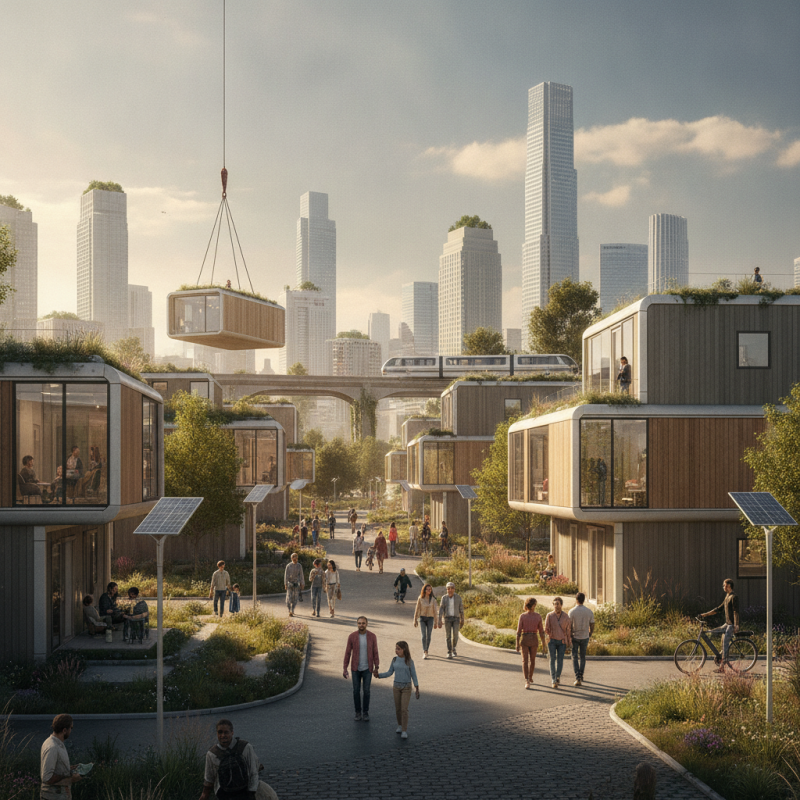
Why Modular Houses Are Becoming Popular in 2026?

Emergence of Modular Housing: A 2026 Perspective

The emergence of modular housing in 2026 reflects a shift in how we approach living spaces. These homes are crafted off-site, which speeds up construction. This method minimizes waste, appealing to eco-conscious buyers. Additionally, modular houses often feature versatile designs, accommodating families of different sizes. More importantly, they offer an affordable solution in an increasingly challenging housing market.

When considering modular homes, look at zoning regulations. Every area has different guidelines. Ensure your location permits modular construction. Also, find a reliable manufacturer. Research their past projects and customer reviews. A good reputation is crucial.

Potential buyers should also think about customization. Many modular homes allow for personal touches. However, these customizations can affect the timeline and budget. It's essential to balance individual needs with practical limits. Modular houses can meet diverse demands, but expectations must align with reality. This awareness will lead to greater satisfaction.

Key Factors Driving Popularity of Modular Homes

Modular houses are gaining traction in 2026 for several compelling reasons. One significant factor is cost efficiency. According to a recent report by the National Association of Home Builders, modular homes can reduce construction costs by up to 20%. This reduction stems from streamlined manufacturing and decreased labor expenses. With housing affordability becoming a pressing issue, many buyers are gravitating toward modular options.

Sustainability also plays a crucial role. Modular homes typically generate less waste during construction compared to traditional homes. The environmental impact is reduced, aligning with growing consumer preferences for eco-friendly living. A survey by the Home Builders Institute found that 75% of potential homebuyers prioritize sustainable materials. This shift is evident, as more modular home manufacturers are investing in eco-conscious materials and energy-efficient designs.

Customization options further attract buyers. Modular homes can be tailored to fit individual preferences without significant cost increases. This ability to modify layouts and finishes appeals to many, especially younger buyers entering the market. Yet, despite these advantages, some consumers still harbor concerns. Misconceptions about quality and durability linger. Addressing these concerns through education and transparency is vital for the industry's growth.

Environmental Sustainability and Modular Construction

Modular houses are gaining traction largely due to their environmental sustainability. In recent studies, over 60% of architects reported favoring modular construction for its reduced carbon footprint. The method allows for more efficient use of materials. It reduces waste, with studies showing that modular builds generate up to 30% less construction waste compared to traditional methods.

Additionally, modular homes can significantly lower energy consumption. The National Renewable Energy Laboratory noted that modular structures can enhance energy efficiency by around 20-25%. This is due to better insulation and design practices, which optimize energy use. The rapid assembly process also means less time on site, leading to lower emissions from machinery.

However, challenges remain. The perception of modular homes still lingers in some markets. There's a need for education on their benefits. Some consumers worry about the longevity and quality of modular structures. Addressing these concerns is crucial for wider acceptance. The industry must continue to promote the advantages and address any misconceptions for true growth.

Cost-Effectiveness: Financial Benefits of Modular Housing

Modular houses are gaining traction in 2026, particularly for their cost-effectiveness. These homes are built in sections, which significantly reduces construction time. A typical modular house can be completed in weeks, not months. Faster construction means lower labor costs and quicker returns on investment.

The financial benefits extend beyond time savings. Modular homes often require less material than traditional builds. This reduction can lead to lower costs, making homeownership more accessible. Moreover, they are designed with energy efficiency in mind. Homebuyers can save on utility bills, adding to long-term savings.

However, there are challenges to consider. Buyers may face limitations in design flexibility. Not all modular homes cater to individual style preferences. The resale market for modular houses is also evolving. Some buyers may hesitate due to misconceptions. Addressing these concerns requires education and transparency in the industry. Understanding both the benefits and the caveats is crucial for prospective homeowners.

Why Modular Houses Are Becoming Popular in 2026? - Cost-Effectiveness: Financial Benefits of Modular Housing

Category Average Cost ($) Average Savings (%) Construction Time (Months) Energy Efficiency Rating
Modular Homes 150,000 20 6 A+
Traditional Homes 250,000 0 12 B
Prefab Apartments 100,000 25 4 A
Tiny Homes 50,000 30 3 A++

Technological Innovations Enhancing Modular Home Design

The rise of modular houses in 2026 is largely driven by technological innovations in design. These advancements are reshaping the way homes are built. Architectural software allows for more precise planning and customization. Homebuyers can visualize spaces in 3D before construction. This enhances creativity and efficiency, but customization can lead to longer timelines.

Sustainable materials are another significant trend. Builders are now using eco-friendly resources that require less energy during production. This reduces the carbon footprint of construction. Smart home technology integrates seamlessly into these designs. Features such as energy-efficient lighting and smart thermostats enable homeowners to save on energy bills. However, there's a learning curve. Not all homeowners are tech-savvy, which may limit their ability to optimize these features.

Modular construction methods also offer benefits. They allow for faster assembly and reduced waste on-site. However, the reliance on factory production can lead to quality control issues. If not managed well, homes may have inconsistencies. It's essential for builders to maintain rigorous standards. Buyers should remain vigilant about this aspect. The innovative details of modular houses truly reflect a modern approach, albeit with challenges that demand careful consideration.

FAQS

: What are modular homes?

: Modular homes are constructed off-site. This method speeds up construction and reduces waste.

Why are modular homes eco-friendly?

They minimize waste during production. Eco-conscious buyers find them appealing for this reason.

How quickly can a modular home be completed?

A typical modular house can be finished in weeks. This is much faster than traditional home building.

What should buyers consider about zoning regulations?

Buyers must check local guidelines. Different areas have diverse rules about modular construction.

Can modular homes be customized?

Yes, many modular homes allow for personalization. However, customization can affect budget and time.

What are the financial benefits of modular housing?

They require less material and labor costs. Homeowners can save on utility bills too.

Are there limitations to design flexibility in modular homes?

Yes, not all modular homes fit individual styles. Potential buyers should be aware of this.

Is there a resale market for modular homes?

The resale market is evolving, but misconceptions exist. Education is needed to address buyer hesitations.

What should buyers know before purchasing a modular home?

Understanding benefits and limitations is important. Awareness leads to greater satisfaction with the purchase.

Are modular homes a good long-term investment?

They can be, but buyers should research carefully. Market perceptions can influence future value.

Conclusion

In 2026, the question of "why are modular houses becoming popular" is addressed through several key factors. The emergence of modular housing has gained traction due to its innovative approach to home building, offering a practical solution to modern housing needs. Environmental sustainability plays a crucial role, as modular constructions often use fewer resources and generate less waste compared to traditional methods.

Additionally, the financial benefits associated with modular homes cannot be overlooked. Their cost-effectiveness allows for quicker construction times and reduced labor costs, making homeownership more accessible. Technological innovations further enhance modular home designs, enabling greater customization and efficiency. Together, these factors highlight the growing appeal of modular housing in the contemporary real estate landscape.

Liam

Liam

Liam is a dedicated marketing professional with a profound expertise in the industry, where he excels at highlighting the unique advantages of our core products. With a keen understanding of market trends and consumer needs, Liam frequently updates our company’s professional blog, providing......