What Permits Are Needed for Modular Houses to Build?

Time:2026-07-28 Author:Amelia
0%

Building a modular house can be an exciting venture. However, it comes with various responsibilities. One of the most critical aspects to consider is the legal side. Homeowners must navigate through a maze of regulations. Understanding what permits are needed for modular houses is essential. These permits can vary depending on location. Each state has its own specific requirements.

Local authorities often dictate the necessary permits. These can include building permits, zoning permits, and inspections. The process can feel overwhelming. Many builders overlook vital permits, leading to costly delays. Delays can result in financial strain and frustration.

Engaging with professionals can help clarify the permit process. Architects and builders often have experience with local codes. Their expertise can prevent pitfalls and streamline the project. It’s key to approach this process with careful planning. Many people underestimate the effort involved in securing permits. Ignoring this critical step may pose risks to your dream home.
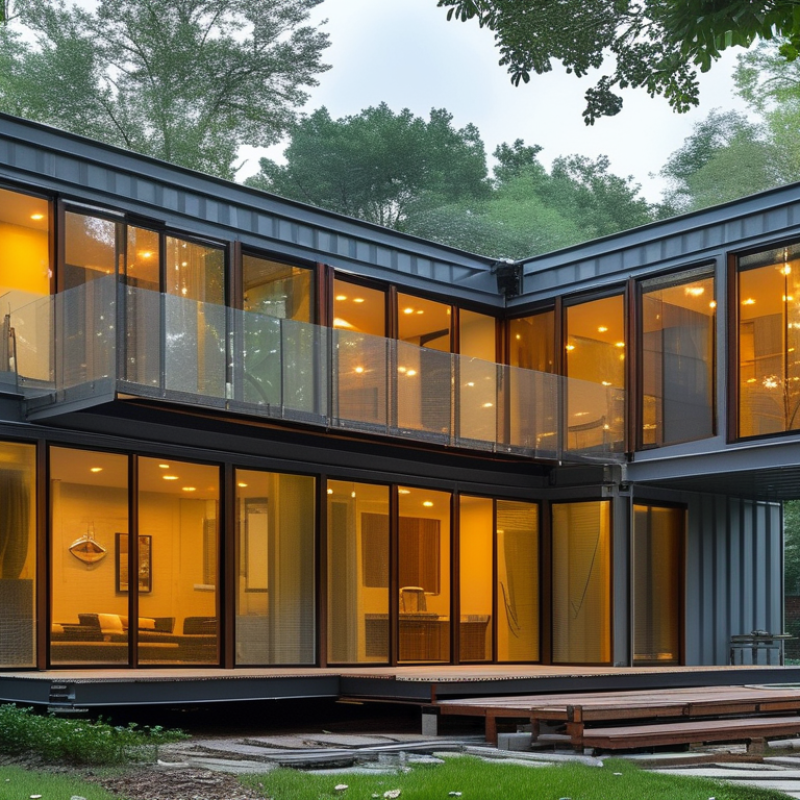
What Permits Are Needed for Modular Houses to Build?

Understanding Modular Houses and Building Regulations

Building a modular house can be an exciting endeavor. However, it's essential to understand the various building regulations that apply. Modular houses, which are constructed off-site and then assembled on location, must adhere to state and local codes. These regulations can vary greatly depending on the area. Therefore, conducting thorough research is critical before starting your project.

Each region may require specific permits, such as zoning permits or building permits. It’s wise to consult with local authorities to determine what is needed. Inspections may be necessary at various stages of construction. This ensures compliance with safety standards. Not all areas may have the same rules. This inconsistency can lead to confusion for builders and homeowners alike.

Learning about modular houses also involves understanding the environmental impact. Energy efficiency standards and sustainability practices are increasingly important. You may find varying guidelines regarding materials and construction methods. It’s crucial to stay informed about those that apply to your project. Without proper knowledge, the construction process can encounter unexpected challenges. Attention to detail and proper planning will pay off in the long run.

Types of Permits Required for Modular House Construction

When planning to build a modular house, understanding the types of permits required is essential. Each locality has different regulations. Often, these incorporate zoning permits, building permits, and safety inspections. A zoning permit ensures that your property is suitable for a modular home. Building permits are typically required to verify that construction meets local codes.


In addition to permits, you may need an environmental assessment. This is crucial if your land is near sensitive areas. A contractor or local building authority can provide guidance. While many think that acquiring these permits is straightforward, there can be hurdles. It's not uncommon for paperwork to get lost or delayed. This may result in prolonged waiting times for approval.


Understanding these requirements can be a complex task. Each municipality has its own set of rules, which change frequently. Relying solely on online sources may not provide up-to-date information. Engaging with local authorities can lead to clearer insights. It’s important to approach this process with patience and due diligence.

Local vs. State Permits: What You Need to Know

When building modular houses, understanding local and state permits is crucial. Local permits regulate specific building practices. They ensure that the structure meets zoning, safety, and neighborhood standards. These permits can vary widely. Check with your local building department for specifics. State permits often cover broader regulations, such as environmental impact and construction codes. Ignoring these can lead to costly delays.

When approaching the permit process, it’s helpful to gather all necessary documentation early. Create a checklist of required permits from both local and state authorities. Establish clear communication with your local officials. They can offer guidance and prevent missteps. Provide accurate information. Incomplete applications can lead to rejections.

**Tips:** Always verify your measurements. Mistakes can complicate approvals. Engage a reliable contractor familiar with local and state laws. Remember, each locality may have unique requirements that differ from others. Take time to understand these nuances to avoid future hiccups in your building journey.

Permits Required for Modular Houses

This chart illustrates the various types of permits typically required for building modular houses. Each permit plays a crucial role in ensuring safety and compliance with local and state regulations.

Navigating Zoning Laws for Modular Home Placement

When considering modular homes, zoning laws play a crucial role. Each municipality has unique regulations that govern where these homes can be placed. According to a report from the American Planning Association, nearly 40% of zoning codes across the United States do not adequately address modular housing. This creates confusion for builders and potential homeowners.

Many regions classify modular homes differently from traditional homes, complicating the approval process. In some areas, they are treated as temporary structures, which limits their placement options. Before breaking ground, it is vital to consult local zoning ordinances. Engagement with local planning boards can uncover essential guidelines that affect design and placement.

Research indicates that 60% of zoning disputes arise from misunderstandings regarding building classifications. Understanding local regulations can save time and resources. Homeowners should be prepared for challenges, including permit applications and inspections. Investing time in understanding zoning laws will result in more successful modular home projects. Continuous changes in regulations require vigilance. As the demand for modular homes grows, staying informed about zoning laws becomes even more critical.

Inspection Processes and Compliance for Modular Homes

The inspection process for modular homes is complex and varies by location. Each state has its own set of codes and regulations that must be followed. According to the Modular Building Institute, about 90% of all modular buildings are inspected at the factory before they reach the job site. This pre-inspection ensures compliance with local building codes and safety standards. However, the need for local inspections remains significant. Local authorities often require inspections to verify that modular homes meet zoning laws and environmental standards.

Compliance can be challenging. For instance, some regions may enforce stricter codes than others. This inconsistency can lead to confusion for builders and homeowners alike. A study from the National Association of Home Builders highlights that nearly 30% of modular home builders encounter issues related to permitting and inspection delays. These delays can extend timelines and inflate costs. Builders often struggle to navigate the labyrinth of local regulations, which differ widely.

Proper documentation is crucial. Builders should maintain accurate records of all permits and inspections. This helps to ensure that the modular home complies with state law. Each step of the process must align with local standards. Even minor discrepancies can lead to significant setbacks. Many builders feel unprepared for these challenges, underscoring the need for greater clarity and resources in this area.

What Permits Are Needed for Modular Houses to Build? - Inspection Processes and Compliance for Modular Homes

Permit Type Description Required Documentation Inspection Required Typical Approval Time
Building Permit Required for the construction of modular homes. Blueprints, site plan, and construction schedule. Yes, before construction starts. 2-6 weeks.
Zoning Permit Ensures compliance with local zoning laws. Zoning application form, property deed. No. 1-4 weeks.
Environmental Permit Ensures compliance with environmental regulations. Environmental impact assessment, site plan. Yes, after preliminary site work. 4-8 weeks.
Health Department Permit Required for wastewater and septic systems. Septic design plan, soil tests. Yes, prior to installation of systems. 2-4 weeks.

FAQS

: What types of permits are required for building a modular home?

: You'll need zoning permits, building permits, and possibly safety inspections.

Why is a zoning permit necessary for a modular house?

It ensures your property is suitable for a modular home and meets local regulations.

How can delays occur during the permit process?

Paperwork can get lost or delayed, causing prolonged waiting times for approval.

What is the difference between local and state permits?

Local permits regulate specific building practices. State permits cover broader regulations.

What should I do to prepare for the permit process?

Gather necessary documentation early and create a checklist for both local and state permits.

Why is compliance with inspection processes important?

It ensures that modular homes meet safety standards and local building codes.

What challenges do builders face with inspections?

Different regions may have varying codes, leading to confusion and potential delays.

How important is proper documentation during construction?

Accurate records of permits and inspections are crucial to ensure compliance with state laws.

How do minor discrepancies affect the building process?

Even small issues can lead to significant setbacks and increased costs.

What can builders do to avoid permit issues?

Engage with local authorities and establish clear communication to prevent missteps.

Conclusion

When considering the construction of modular houses, understanding what permits are needed for modular houses is crucial for a smooth building process. This involves familiarizing oneself with various building regulations that govern modular home construction. Different types of permits may be required, which can include local and state permits tailored to specific locations and their respective codes.

Additionally, navigating zoning laws is an essential step in determining where a modular home can be placed, as these laws can vary widely by municipality. Lastly, an understanding of the inspection processes and compliance requirements is necessary to ensure that the modular home meets all safety and regulatory standards throughout the construction phase. By comprehensively addressing these elements, prospective builders can facilitate the successful establishment of their modular homes.

Amelia

Amelia

Amelia is a seasoned marketing professional with a wealth of expertise in our company’s core offerings. With an unwavering passion for driving growth and innovation, she plays a pivotal role in shaping our marketing strategies and enhancing brand visibility. A key aspect of her responsibilities......