Securing financing for your modular house project can be challenging. The modular construction market has been growing steadily. According to the Modular Building Institute, the industry experienced a 15% growth in 2020 alone. This shift reflects a greater acceptance of modular homes. Yet, many potential buyers still struggle with how to finance a modular house project.
Expert Mark Smith, a financial consultant in the construction industry, highlights, "Understanding financing options is crucial for success." His words resonate with many who face financial hurdles when embarking on a modular project. Whether you seek a conventional mortgage or alternative funding sources, knowledge is key. Traditional lenders may not fully understand modular homes, which complicates approval processes.
The common narrative is that modular houses are cheaper and quicker to build. However, the financing landscape can be murky. Many prospective buyers overlook the importance of building strong financing strategies. Overcoming these challenges requires careful planning and expert advice. Knowing where to start is essential to unlock the potential of your modular house project.
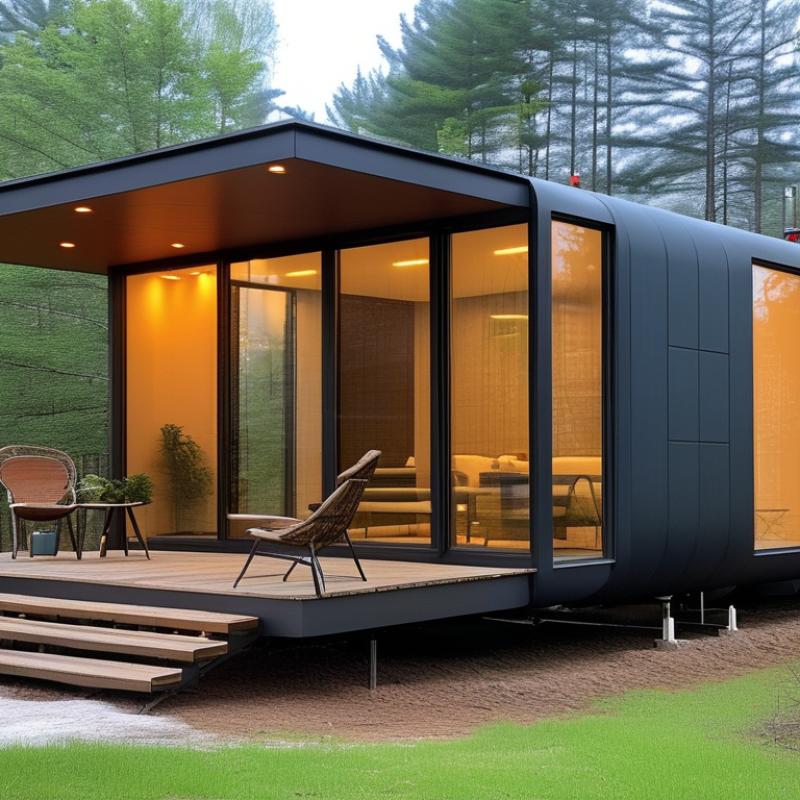
The modular housing market is experiencing significant growth. More people are recognizing the benefits of this construction method. Modular homes offer speed, cost efficiency, and sustainability. The demand for affordable housing drives this trend. Many view modular houses as an attractive alternative to traditional construction.
Changes in consumer preferences are shaping the market. Buyers seek customizable options and energy-efficient designs. Advances in technology enhance the quality of prefabricated modules. Modern modular homes often exceed construction codes, ensuring safety and durability. However, potential buyers must research the reliability of manufacturers. Not every company adheres to the same standards.
Despite the advantages, challenges remain in financing these projects. Lenders may be hesitant to fund modular homes due to misconceptions. It’s crucial for buyers to educate themselves about financing options. Understanding the market will assist in securing the necessary funds. Buyers should prepare to present detailed plans and projections to potential lenders. Engaging with professionals in the modular sector can provide valuable insights and build credibility.
When considering financing options for your modular house project, there are various pathways to explore. Traditional mortgages are available, but specific loans for modular homes can be beneficial. These loans often have lower interest rates and favorable terms. A common option is the FHA loan, which is designed for those looking for lower down payment requirements. This can suit first-time homeowners well.
Another route is personal loans. These loans can be faster to process and do not always require collateral. However, they typically come with higher interest rates. It’s essential to weigh your options carefully. You may not qualify for every type of financing. Additionally, always consider the total cost, including hidden fees.
A less conventional but rising option is crowdfunding. This approach allows individuals to invest in your project via an online platform. It might seem daunting, but many have found success. Each financing option presents its own set of challenges. Understanding these can help you make informed decisions without financial strain.
Evaluating your creditworthiness is crucial when seeking financing for your modular house project. Lenders will assess your credit score, which typically ranges from 300 to 850. A higher score indicates a lower risk for lenders. Ensure you check your score before applying. This allows you to identify areas for improvement.
Your financial standing also plays a significant role. Lenders look at your income, expenses, and debt-to-income ratio. A ratio below 36% is ideal. Keep track of all financial documents, such as pay stubs and tax returns. These documents help lenders understand your financial health. Consider working with a financial advisor to review your situation. This can reveal potential weaknesses in your application.
Take a moment to reflect on your spending habits. Sometimes, unnecessary expenses may affect your credit score. Adjusting your budget can improve your financial standing over time. Being proactive about your finances demonstrates responsibility. This may enhance your chances with lenders. Remember, evaluating your creditworthiness is a continuous process. Regularly monitor your credit report and make informed decisions.
Securing financing for a modular house project can be challenging. Understanding the loan application process is crucial. Recent data shows that modular homes can save buyers up to 20% in construction costs. This statistic highlights the financial viability of modular construction, yet many lenders remain cautious. They often see modular homes as unconventional, which can complicate loan approvals.
Many lenders require a higher down payment for modular homes. This can be anywhere from 10% to 20% of the total loan amount. It’s essential to prepare all necessary documentation, such as personal financial statements and proof of employment. Lenders also look favorably on credit scores above 700. However, mobile or manufactured homes tend to be assessed differently. It might take longer to secure financing due to additional inspections or appraisals. This can be frustrating for potential homeowners.
Working with a specialized lender can help simplify the process. Experienced lenders understand the nuances of modular home financing. They often offer tailored products for such projects. If you encounter roadblocks, don’t hesitate to seek advice. Consider documenting your experiences and sharing them as you navigate the complexities of securing financing for your modular home.
Securing financing for a modular house project often hinges on understanding available government grants and incentives. Reports from the U.S. Department of Housing and Urban Development indicate that modular homes can reduce construction costs by up to 20%. This significant saving can be amplified through various federal and state programs. Many local governments offer grants specifically designed for sustainable housing initiatives. By leveraging these programs, homeowners can offset initial expenses and make modular housing more accessible.
In addition, the Energy Star program provides tax incentives for energy-efficient homes. This can further decrease the overall project cost. According to the National Renewable Energy Laboratory, energy-efficient homes can save homeowners over $500 annually in utility costs. When pursuing financing, it’s crucial to explore all local, state, and federal options. Some incentives may require specific qualifications or comply with certain building standards. This can sometimes lead to a complex application process.
The ongoing interplay between financing and planned incentives creates a challenging landscape. Yet, understanding the fine print can reveal opportunities. Staying informed and diligent could unlock significant financial support. Each opportunity has its own set of requirements, which might require adjustments to the initial project plan. Being adaptable and proactive is essential in navigating this funding maze effectively.
: Modular homes offer speed, cost efficiency, and sustainability. They are also considered attractive alternatives to traditional houses.
Research the reliability of manufacturers. Not every company follows the same standards in construction and safety.
Traditional mortgages and specific modular loans can be beneficial. FHA loans are good for those needing lower down payments.
Yes, personal loans can be processed quickly but often have higher interest rates. Weigh the total costs carefully.
Crowdfunding allows individuals to invest in projects online. It might be daunting but can lead to success for many.
Many local and federal programs offer grants for sustainable housing. They can reduce construction costs significantly.
Several incentives have specific requirements or standards. This may complicate the application process for potential homeowners.
Energy-efficient homes can save homeowners over $500 annually on utilities. They qualify for tax incentives, further reducing costs.
Buyers must educate themselves to overcome misconceptions lenders might have. This knowledge aids in securing necessary funds effectively.
Each financing option has its challenges. Buyers should prepare detailed plans and engage with professionals for better chances.
Securing financing for a modular house project is crucial for prospective homeowners. To effectively understand how to finance a modular house project, it is essential to examine the growth and trends within the modular housing market, which has been gaining traction due to its affordability and efficiency. Various financing options are available, ranging from traditional loans to specialized mortgage products, catering specifically to modular homes.
Assessing your creditworthiness and financial standing is vital in obtaining favorable financing. Once you've evaluated your financial health, navigating the loan application process becomes easier. Additionally, prospective builders should explore government grants and incentives that can alleviate costs, making modular housing an accessible option for many. Ultimately, being informed and prepared will streamline the journey of funding a modular home project.

SES House