Why Does a Modular House Work for Global Buyers?

Time:2026-10-22 Author:Liam
0%

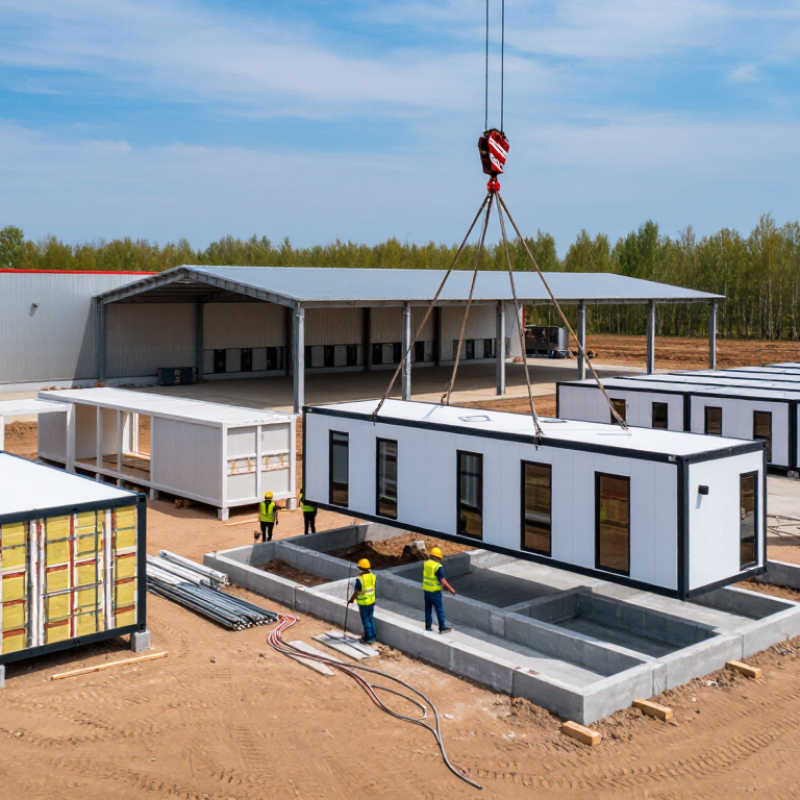
Why does a modular house work for global buyers? The answer begins with its controlled construction process. Homes are assembled in factories, away from rain, dust, and unpredictable site delays. Workers build walls, floors, wiring, and plumbing in measured sections. These sections are then transported and joined on the buyer’s land.

Tom Hardiman, Executive Director of the Modular Building Institute, describes the principle clearly: “Modular construction is a process, not a product.” His observation helps explain how does a modular house work in practical terms. The house is not simply delivered as a finished box. It is designed for factory production, careful transportation, rapid installation, and local completion. A crane may place several modules onto a prepared foundation within hours. Electricians and plumbers then connect essential services on site.

This method appeals to buyers in different countries because it can improve schedule control, material tracking, and construction consistency. It may also reduce waste through repeated measurements and planned cutting. However, modular housing is not a universal shortcut. Local climate, transportation routes, foundation conditions, and building standards still matter. A factory cannot solve every site problem.

That limitation deserves attention.

A successful project needs experienced designers, certified manufacturers, reliable logistics, and independent inspections. Buyers should review factory quality records, warranties, installation responsibilities, and local approvals before signing. The process can feel unfamiliar at first. Yet, when planning is transparent, modular construction offers a practical path to a durable home with fewer surprises.
Why Does a Modular House Work for Global Buyers?

What Is a Modular House and How Is It Built?

A modular house is a dwelling made from factory-built sections, called modules, rather than assembled entirely outdoors. Each module may contain flooring, walls, wiring, insulation, and plumbing before leaving the factory. Workers build these sections on controlled production lines, where measurements can be checked repeatedly. That setting can reduce weather delays, but it does not remove every construction risk.

The process begins with a design adapted to the buyer’s land, climate, transport route, and local building rules. Engineers calculate loads for wind, snow, earthquakes, and the final foundation. At the site, crews prepare foundations and utility connections while the modules are completed indoors. A crane then places each section, sometimes in a single day, although finishing work takes longer. Installers join the modules, seal the exterior, connect services, and complete details such as flooring and cabinets.

For global buyers, this method offers clearer factory quality checks and more predictable scheduling. It can also suit remote locations where skilled labor or dry weather is limited. However, international delivery is not simple. Road width, port handling, customs documents, voltage, and local approvals can affect the plan. A small change after production starts may cause costly delays. In practice, coordination matters as much as the factory itself. The process is efficient, but it still needs local expertise and honest inspection.

How Modular Construction Improves Quality and Production Speed

Why Does a Modular House Work for Global Buyers?

Modular construction improves quality by moving skilled work into a controlled factory. Workers use repeatable jigs, measured connections, and protected materials. This reduces weather-related damage and inconsistent site conditions. A 2019 global construction study found that modular methods could reduce project schedules by 20% to 50%. It also estimated potential cost reductions of up to 20%. These figures come from “Modular Construction: From Projects to Products,” a widely cited industry analysis.

Production speed matters when buyers face different climates, labor shortages, and delivery distances. Factory teams can prepare foundations while modules are built indoors. Several trades can work in parallel. The result is fewer idle days on site. The 2020 “State of the Construction Industry” report from the Construction Industry Institute linked early planning and standardized processes with better productivity. Still, speed is not automatic. Poor transport planning, unclear tolerances, or late design changes can erase the advantage. That weakness deserves attention.

Tips: Ask for factory inspection records, moisture readings, and dimensional checks. Review the quality plan before signing. Require sample wall sections and connection details. Compare promised production time with shipping and site preparation time. A fast factory is not enough. Quality must remain visible at every stage.

Why Does a Modular House Work for Global Buyers? - How Modular Construction Improves Quality and Production Speed

A practical comparison of modular construction benefits for international residential projects

Performance Dimension Modular Construction Conventional Site-Built Construction Why It Matters to Global Buyers
Overall project schedule Typically 20–50% shorter when factory production and site preparation occur at the same time. Most major activities are completed sequentially at the building site. Earlier completion can reduce financing, rental, and project-management costs.
Weather exposure Most assembly takes place in a weather-controlled factory environment. Framing, roofing, and finishing work can be interrupted by rain, snow, wind, or extreme heat. More predictable production is valuable when projects are located in regions with seasonal weather risks.
Quality-control process Repeatable workstations, standardized procedures, and factory inspections support consistent quality. Quality can vary with weather, site conditions, subcontractor availability, and local workmanship. Buyers receive a more measurable production process and clearer inspection checkpoints.
Material waste Computer-controlled cutting, bulk purchasing, and factory sorting can reduce off-cuts and unused materials. On-site cutting, packaging, storage, and weather damage may generate more construction waste. Better material efficiency can support sustainability targets and reduce disposal costs.
Production repeatability Standardized components can be reproduced with consistent dimensions across multiple projects. Each project depends more heavily on site-specific sequencing and individual trade coordination. Repeatability simplifies multi-unit developments and international project planning.
Labor requirements at the site A larger share of labor is concentrated in the factory, reducing the number of site-based tasks. More trades and installation activities must be coordinated directly at the site. This can help address local labor shortages and reduce complex on-site coordination.
Design flexibility Layouts can be customized, but dimensions, transport limits, and module connections must be considered early. On-site construction generally allows more direct changes during the building process. Early design coordination helps overseas buyers avoid costly changes after manufacturing begins.
Transportation and logistics Modules require route planning, lifting equipment, protective packaging, and coordinated delivery schedules. Materials arrive in smaller shipments but may require more frequent site deliveries and storage. A documented logistics plan improves cost visibility for cross-border projects.
Building-code compliance Designs and components must satisfy the destination country’s structural, fire, energy, and electrical requirements. Compliance is managed primarily through local design teams, contractors, and inspections. Early code review is essential for obtaining permits and avoiding delays at the destination.
Cost predictability Factory-controlled quantities and standardized production can make the manufactured portion easier to estimate. Costs may change because of site conditions, labor availability, material price changes, and weather delays. More predictable budgeting supports investment decisions and international procurement planning.
Best-fit application Housing developments, remote projects, workforce accommodation, standardized residences, and time-sensitive builds. Highly bespoke buildings, difficult-access sites, or projects requiring frequent changes during construction. The optimal method depends on design complexity, transport access, local regulations, and total project scope.

Note: The schedule and efficiency ranges shown are typical industry estimates rather than guaranteed outcomes. Actual results depend on design standardization, site preparation, transport distance, local regulations, weather, labor conditions, and project complexity.

Why Modular Houses Adapt to Different Climates and Locations

Why Does a Modular House Work for Global Buyers?

A modular house can adapt to different climates because its components are designed around local conditions. In cold regions, insulated wall panels, triple glazing, and protected plumbing reduce heat loss and freezing risks. Roof structures also need careful engineering for heavy snow and strong winter winds. Small details matter.

Hot and humid locations require different decisions. Shaded windows can limit solar heat, while ventilated roof spaces help release trapped heat. Moisture-resistant finishes and raised foundations may reduce mold and flooding concerns. In dry, windy areas, dust-sealed joints and durable exterior cladding become more important. These choices should follow local climate data, not assumptions.

Location affects more than temperature. Soil conditions, road access, rainfall, earthquake exposure, and available utilities can change the design. Qualified local engineers should review structural calculations and building requirements before production begins. Factory construction improves consistency, yet transportation can create limits. A large module may not reach a remote site easily. Sometimes smaller sections work better, although they may require more on-site connections.

The method is not magic. Poor drainage or careless installation can undermine a well-built module. Experienced teams inspect foundations, seals, ventilation, and connection points during assembly. Buyers should also ask how materials perform after years of heat, moisture, or repeated freezing. That answer may be less exciting, but it is often more useful.

Why Does a Modular House Work for Global Buyers?

Modular houses can be adapted to different locations by adjusting insulation, ventilation, moisture control, roof design, and structural detailing. The chart compares representative annual precipitation levels across contrasting climate zones, showing why local design specifications are essential.

Approximate 1991–2020 climate-normal values compiled from publicly available national meteorological and climate reference data. Actual building specifications should be verified against local wind, snow, heat, humidity, seismic, and building-code requirements.

How Modular Homes Reduce Costs, Waste, and Construction Risks

Why Does a Modular House Work for Global Buyers?

How Modular Homes Reduce Costs, Waste, and Construction Risks

Modular homes are built in controlled factory conditions before reaching the building site. This process protects materials from rain, mud, and repeated handling. Workers use measured cutting lists, jigs, and repeatable assembly methods. These details can reduce offcuts and improve consistency. Still, factory precision is not magic. Poor design decisions remain expensive, even when production is efficient.

Cost savings often come from shorter site schedules. While modules are produced indoors, foundation work can happen at the property. Fewer wet-weather delays may reduce labor and equipment expenses. Factory purchasing can also make material quantities easier to track. On a typical project, unused timber, packaging, and damaged panels become visible waste. Yet transport, cranes, and site access can add costs. Buyers should request a complete budget, not only the factory price.

Construction risks become easier to manage when quality checks happen at several stages. Inspectors can review wiring, plumbing connections, insulation, and structural joints before delivery. Digital records may also support communication between designers, contractors, and buyers in different countries. Local engineers must still confirm foundations, wind loads, fire safety, and energy requirements. One overlooked rule can delay approval. That is the uncomfortable part. Modular building reduces uncertainty, but it cannot remove the need for careful planning, qualified supervision, and realistic site assessments.

What Global Buyers Should Consider Before Purchasing a Modular House

A modular house can cross borders, but the buying decision cannot ignore local conditions. Check planning approval, structural codes, fire safety, insulation rules, and utility standards before signing. Seismic zones, coastal wind, snow loads, and humidity may require design changes. A factory drawing is not automatically a local building permit.

Budget beyond the house price. Transport distance, port handling, cranes, foundations, site drainage, and utility connections can change the final cost. The McKinsey report “Modular construction: From projects to products” estimates that modular methods may reduce schedules by 20–50% and costs by up to 20%.

Those figures are not guarantees. Local labor, exchange rates, and customs procedures can reduce the advantage. Small details matter.

Energy performance deserves equal attention. Buildings produced about 37% of global energy-related emissions in 2022, according to the 2023 Global Status Report for Buildings and Construction by UNEP and GlobalABC.

Ask for tested U-values, airtightness results, ventilation specifications, and product certificates. Also inspect the warranty, maintenance process, spare-part availability, and responsibility for defects after installation.

A low price may hide weak after-sales support. Think carefully. The most attractive design may still be unsuitable for the site, climate, or local inspection process.

FAQS

How can modular construction improve house quality?

Skilled workers build modules inside a controlled factory. Measured jigs and repeatable connections improve consistency. Materials stay protected from rain and mud. Factory inspections can check moisture, dimensions, and wall samples. Still, quality is not automatic. A rushed process can hide defects.

Can a modular house be built faster than a traditional house?

Often, yes. Factory production and site preparation can happen simultaneously. Several trades may work in parallel. This can reduce idle days and shorten the schedule. However, shipping, cranes, foundations, and late design changes may cause delays. Speed needs careful planning.

How does a modular house handle cold climates?

Cold regions may need insulated wall panels and triple-glazed windows. Protected plumbing helps reduce freezing risks. Roof structures must resist snow and strong winter winds. A small seal failure can create a cold, damp corner. That detail is easy to underestimate.

What features help modular houses perform in hot or humid areas?

Shaded windows can reduce direct solar heat. Ventilated roof spaces help release trapped heat. Moisture-resistant finishes may limit mold concerns. Raised foundations can help in flood-prone locations. Good drainage still matters. The house cannot fix poor site design.

Can a modular house fit a remote or difficult location?

Sometimes, but transportation may limit the module size. Narrow roads, bridges, and steep access routes need early review. Smaller sections may reach remote sites more easily. They usually require more connections during assembly. The practical answer may be less elegant.

What local requirements should buyers check before purchasing?

Buyers should review planning approval and structural rules. Fire safety, insulation, utilities, and local inspections also matter. Snow loads, coastal winds, earthquakes, and humidity may change the design. A factory drawing is not automatically a local permit. That assumption can become expensive.

Which extra costs should be included in the budget?

Include transport, port handling, cranes, foundations, and drainage. Utility connections and site preparation also affect the final cost. Exchange rates and customs procedures may change the estimate. A low house price does not show the full project cost. The final number may surprise you.

What evidence should buyers request before signing?

Ask for factory inspection records and moisture readings. Request dimensional checks, connection details, and sample wall sections. Review tested U-values and airtightness results. Check ventilation specifications, certificates, warranties, and spare-part availability. Also ask who handles defects after installation. That answer matters.

Conclusion

A modular house is built in sections, or modules, inside a controlled factory environment before being transported to the building site. But how does a modular house work in practice? Each module is carefully designed, manufactured, inspected, and equipped with essential elements such as walls, flooring, wiring, and plumbing. Once delivered, the modules are assembled on a prepared foundation, allowing construction to progress faster and with more consistent quality than many traditional building methods.

For global buyers, modular construction offers flexibility across climates, locations, and lifestyle needs. Designs can be adapted with suitable insulation, ventilation, materials, and structural features for different environments. Factory production can also reduce material waste, labor delays, weather-related problems, and unexpected costs. Before purchasing, buyers should evaluate transportation requirements, local building codes, foundation conditions, installation services, warranty coverage, maintenance needs, and the supplier’s ability to provide dependable communication and after-sales support. These factors help ensure that the home is practical, compliant, durable, and suitable for its intended location.

Liam

Liam

Liam is a dedicated marketing professional with a profound expertise in the industry, where he excels at highlighting the unique advantages of our core products. With a keen understanding of market trends and consumer needs, Liam frequently updates our company’s professional blog, providing......