Why Are Modular Houses Ideal for Remote Locations?

Time:2026-10-16 Author:Ethan
0%

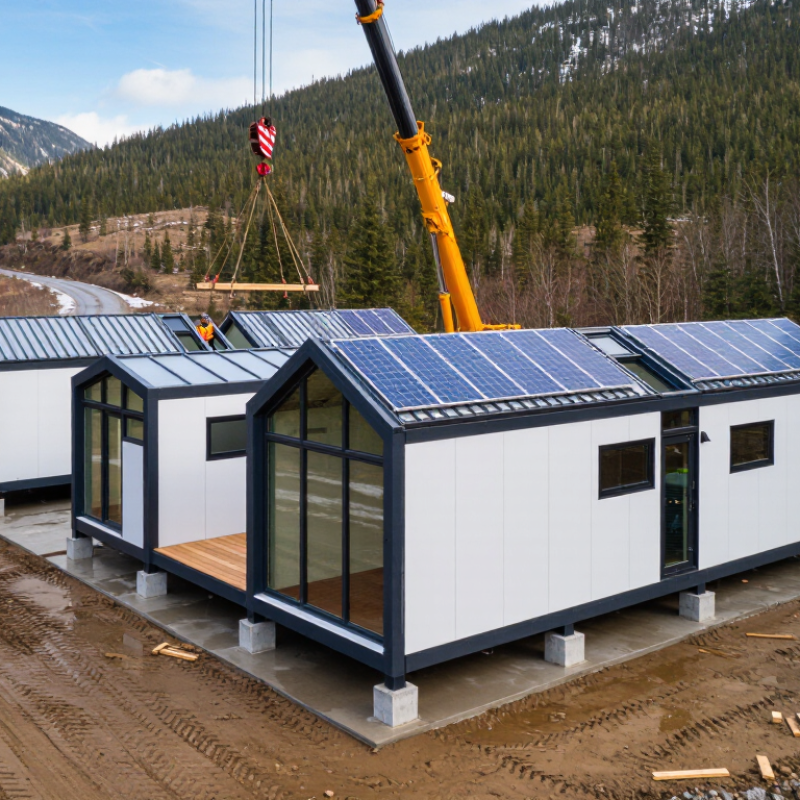
Remote homes face challenges that ordinary construction often cannot handle. Mountain roads may be narrow, muddy, or blocked by snow. Deliveries can take days. Skilled workers may also live hundreds of miles away. These conditions explain why modular houses are suitable for remote locations. Their main sections are built in controlled factory environments, then transported to the site. This process can reduce on-site labor, material waste, and weather-related delays.

Experienced builders and structural engineers usually assess access, soil, climate, utilities, and local building requirements before recommending a design. Factory production supports consistent measurements and documented quality checks. Insulated wall panels, reinforced frames, and energy-efficient windows can help maintain comfort during cold nights or intense heat. A small modular home might arrive as several finished sections, ready for connection to a prepared foundation. That saves valuable time.

However, modular construction is not automatically simple. Transporting large units through forests or steep terrain can be expensive. A remote site may need a crane, temporary road improvements, or independent water and power systems. Poor planning can erase the expected savings. This deserves attention.

A reliable project also requires clear engineering records, experienced contractors, and inspections throughout installation. Solar panels, battery storage, rainwater collection, and high-performance insulation may improve independence, but each choice needs local evaluation. Design assumptions can fail. Therefore, the strongest approach combines factory efficiency with careful site research. It recognizes the benefits of modular housing without ignoring its practical limits.
Why Are Modular Houses Ideal for Remote Locations?

What Defines a Modular House for Remote Living

A modular house for remote living is not simply a small building delivered by truck. It is a coordinated system designed for difficult access, limited labor, and changing weather. Each module is built in a controlled factory, then transported to a prepared site. The 2024 Permanent Modular Construction Annual Report estimated the North American market at 20.3 billion dollars in 2023. That scale reflects growing confidence in factory-based construction.

What defines a remote-ready modular house is its independence from nearby services. A strong design includes high-performance insulation, sealed joints, efficient heating, water storage, wastewater treatment, and backup power connections. Solar panels may help, but they cannot replace careful energy planning. Windows should frame the landscape without creating heat loss. Plumbing routes must remain accessible when winter repairs are difficult. These details matter more than decorative finishes.

Transportation also shapes the building. Modules need reinforced lifting points, compact dimensions, and durable exterior materials. The McKinsey Global Institute reported that modular construction can reduce project schedules by up to 50 percent and costs by up to 20 percent. Those gains are possible, not guaranteed. Poor road access, uneven foundations, or inaccurate site measurements can erase them quickly. The model is not flawless. Remote projects still need local engineers, verified soil assessments, and maintenance plans written for real hands and real weather.

Why Are Modular Houses Ideal for Remote Locations?

Modular homes are assembled from factory-built sections, allowing much of the work to be completed in a controlled environment before delivery to the site. This can reduce weather-related delays and the amount of on-site construction required in hard-to-reach areas.

The ranges show commonly reported industry benchmarks for the share of construction completed off-site. Actual results depend on design complexity, transport access, local regulations, and site conditions.

How Modular Homes Simplify Transportation to Isolated Sites

Why Are Modular Houses Ideal for Remote Locations?

How Modular Homes Simplify Transportation to Isolated Sites

Remote construction often fails at the road before it fails at the foundation. Modular homes move much of the work into a controlled factory. Finished wall panels, floor cassettes, or volumetric rooms travel as planned loads. A 2019 McKinsey construction report found that modular methods can shorten schedules by 20–50%. That advantage matters where weather, limited labor, and long supply routes cause costly delays. Fewer deliveries can also protect fragile gravel roads.

Transportation becomes easier when engineers plan the route early. Teams check bridge clearances, turning radii, axle limits, and unloading space before fabrication. They may divide one dwelling into compact modules, then protect corners with temporary framing. The Modular Building Institute’s 2024 report recorded permanent modular construction at 6.64% of new commercial construction in 2023. The market is measurable and expanding. Still, this figure does not guarantee savings at every isolated site. Oversized loads, permits, escorts, or a missing crane can remove the benefit. That is the uncomfortable part.

Tips: Ask a transport engineer to review the route before production drawings are approved. Photograph narrow bends and soft shoulders. Confirm the crane’s reach on delivery day. Keep a weather buffer. Do not assume winter roads remain reliable. A small pilot module can expose weak assumptions early. Experienced teams still miss details sometimes. The best plans allow room for imperfect roads, late weather, and one wrong measurement.

Why Factory Construction Benefits Remote Housing Projects

Why Are Modular Houses Ideal for Remote Locations?

Why Factory Construction Benefits Remote Housing Projects

Remote housing projects face difficult roads, short building seasons, and limited local labor. Factory construction addresses these pressures before modules reach the site. Teams assemble walls, roofs, wiring, and plumbing in a controlled facility. This setting supports repeatable inspections and protects materials from rain, dust, and sudden temperature changes.

Transport still requires careful planning. A finished module may travel along narrow mountain roads or cross an unpaved access route. Designers must consider width, weight, bridge limits, and crane access early. Factory production can reduce on-site work, which means fewer deliveries and less equipment operating in fragile surroundings. It also helps workers complete interior tasks before arrival, even during harsh weather.

Quality control becomes more visible in a factory. Inspectors can check insulation, moisture barriers, electrical connections, and window seals under consistent conditions. However, factory building is not risk-free. A small measurement error can create expensive transport or foundation problems. Site surveys must be accurate, and local building requirements still matter. Remote locations may also need specialized heating, water storage, or backup power.

The strongest projects combine factory precision with local knowledge. Residents and site contractors can identify seasonal flooding, difficult access, and repair limitations. A practical design leaves room for adjustment. Standardization helps, but it should not erase local realities.

How Modular Design Supports Off-Grid Utilities and Energy Use

Why Are Modular Houses Ideal for Remote Locations?

Modular homes suit remote sites because their systems can be planned before delivery. Wall panels arrive insulated, sealed, and ready for fast assembly. This reduces construction time in places with limited road access. More importantly, the design can support independent utilities from the beginning. A roof can hold solar panels, while a utility wall can organize batteries, inverters, and water controls. Small spaces matter there.

Off-grid energy needs careful measurement, not hopeful guessing. A typical setup may combine solar panels, battery storage, and a backup generator for long cloudy periods. Efficient lighting, induction cooking, and heat-pump systems can reduce daily demand. Rainwater tanks and filtered storage can support household use, but local testing remains essential. Wastewater treatment also needs professional planning and regular inspection. I have seen designs fail when owners calculated average use instead of winter use. That mistake is expensive.

Tips:

List every appliance and its wattage. Track seasonal sunlight. Leave service access around batteries and filters. Choose durable materials that local technicians understand. Do not hide every pipe inside a wall. Accessibility saves time later. Modular construction is flexible, but it is not automatically maintenance-free. Snow loads, wind exposure, water quality, and future repairs should shape the design before fabrication.

What Factors Determine a Modular Home’s Suitability for Remote Areas

Why Are Modular Houses Ideal for Remote Locations?

What Factors Determine a Modular Home’s Suitability for Remote Areas?

Remote living begins with access. A modular home must match narrow roads, bridge limits, turning spaces, and available lifting equipment. The 2019 McKinsey report Modular Construction: From Projects to Products found that modular methods can shorten schedules by 20–50% and reduce costs by up to 20%. However, remote transport can erase those gains. A home divided into smaller modules may arrive more safely, but assembly requires careful planning and skilled supervision.

Climate is equally important. The International Energy Agency’s 2023 Global Status Report for Buildings and Construction states that buildings consumed about 30% of global final energy in 2022. Therefore, insulation, airtight joints, glazing, and efficient heating deserve early attention. In cold regions, frozen ground can disrupt foundations. In coastal or high-wind areas, anchoring and moisture control become essential. Local building codes still apply, even when inspectors are far away.

Utilities determine practical suitability. A remote site may need solar power, battery storage, a private water system, and wastewater treatment. These systems require access for repairs, not just installation. A design that depends on one specialist can become fragile. That is an uncomfortable weakness. Digital plans also help, but poor connectivity can delay decisions. Site surveys, soil testing, seasonal road checks, and realistic delivery trials often reveal more than a polished brochure. A home can be factory-precise and still fail if its foundation, water source, or maintenance route is misunderstood.

FAQS

What is a modular house for remote living?

It is a factory-built home designed for difficult access and limited local services. Modules are transported and assembled on a prepared site. It needs more than compact rooms. Insulation, water, heating, power, and repairs must work together.

Why can modular homes suit remote locations?

Factory construction can reduce on-site labor and shorten assembly time. Insulated wall panels may arrive sealed and ready for installation. This helps where roads are narrow or workers are scarce. Still, the model is not automatically cheaper.

What access issues should be checked before ordering?

Measure road widths, bridge limits, turning areas, and lifting equipment. Test the delivery route during difficult weather, not only on a sunny day. A small mistake can stop a large module beside a muddy road.

How should an off-grid energy system be planned?

List every appliance and record its wattage. Include heating, cooking, lighting, pumps, and winter use. Solar panels and batteries may need backup power during long cloudy periods. Hope is not an energy plan.

What water systems might a remote modular home need?

The home may use rainwater tanks, wells, filtration, or stored water. Local water testing should guide the design. Pipes and filters need reachable service spaces. Hidden plumbing looks tidy until winter repairs begin.

How does climate affect modular house design?

Cold regions need strong insulation, sealed joints, and efficient heating. High-wind sites need reliable anchoring and moisture control. Snow loads must be calculated before fabrication. Frozen ground can also disturb foundations.

What site checks are important before delivery?

Complete soil testing, foundation surveys, seasonal road checks, and accurate measurements. Confirm drainage and the location of utility equipment. Factory precision cannot correct a misunderstood site. That weakness is easy to overlook.

How can owners make future maintenance easier?

Leave clear access around batteries, filters, pipes, and heating equipment. Use materials local technicians understand. Keep digital plans and printed backup copies. Connections fail sometimes. Good access limits the damage.

Are remote modular homes maintenance-free?

No. Solar equipment, water systems, wastewater treatment, and heating still need inspections. Snow, wind, poor water quality, and weak connectivity may create delays. The house can be well built and still become difficult to operate.

Conclusion

Modular houses are prefabricated homes made from carefully engineered sections that are built in a controlled factory environment and assembled at the remote site. Their design makes transportation easier because modules can be delivered in manageable units, reducing construction time, material waste, and the need for extensive on-site labor. This is especially valuable in isolated areas where roads, equipment, and skilled workers may be limited.

A major reason why modular houses are suitable for remote locations is their flexibility. Factory construction supports consistent quality and efficient scheduling, while modular designs can be adapted to challenging terrain, different climates, and limited infrastructure. These homes can also incorporate off-grid systems such as solar power, battery storage, rainwater collection, efficient heating, and waste-management solutions. However, suitability depends on transport access, local weather conditions, foundation requirements, utility needs, building regulations, and the availability of maintenance services.

Ethan

Ethan

Ethan is a seasoned marketing professional with a deep expertise in our company's innovative product line. With a passion for sharing knowledge and insights, he takes the lead in regularly updating our corporate blog, where he explores industry trends, product features, and effective marketing......