High-precision prefabricated structures engineered for global export, rapid assembly, and ultimate durability.
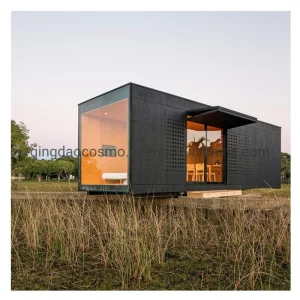
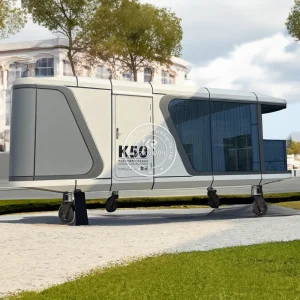
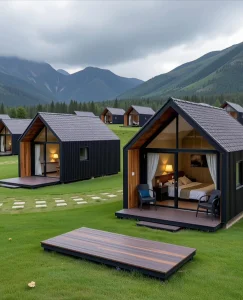
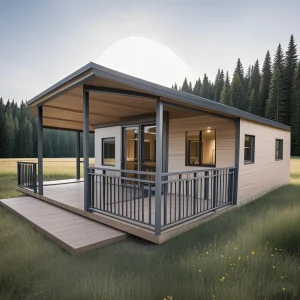
An in-depth analysis of off-site manufacturing, thermal performance boundaries, structural compliance, and China's strategic B2B export capacity.
The traditional construction sector is experiencing a structural realignment driven by critical shortages of skilled site labor, escalating raw material costs, and stringent regulatory demands for carbon reduction. In markets across North America, Europe, Australia, and the Middle East, developers are pivoting away from legacy site-built systems toward industrialized off-site manufacturing.
Often referred to as Design for Manufacture and Assembly (DfMA), this approach transforms building design from a series of unpredictable field events into a highly controlled, sequence-optimized assembly process. By manufacturing structural components in a dedicated facility, projects run parallel to siteworks, cutting site schedules by up to 50%. This process minimizes on-site waste by up to 90%, offering a direct mechanism to mitigate the environmental footprints of major infrastructure schemes.
Understanding the engineering components of modular systems is essential for B2B procurement managers. Modern modular housing relies on high-performance materials and advanced mechanical designs to achieve structural durability comparable to, or exceeding, traditional cast-in-place concrete structures.
Structures are designed around a cold-formed light-gauge steel (LGS) chassis or hot-rolled structural steel columns (typically Q235B or Q355B grades). Standard coatings include a heavy hot-dip galvanization layer (min. 275 g/m²) to protect against rust and structural corrosion in coastal regions.
High R-value insulation cores (Polyurethane, Rockwool, or PIR) are standard. Standard U-values can be customized to under 0.20 W/m²K, which meets strict European Energy Performance of Buildings Directive (EPBD) laws and USA IECC codes.
Double-layer walls with acoustic decoupling clips and fire-rated plasterboard linings limit noise transfer (STC ratings > 52dB) and secure Class-A fire-resistance ratings for commercial applications.
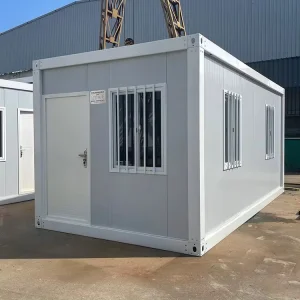
These modular solutions utilize specialized locking systems and precision-engineered connection plates. During transportation, the modules are loaded as standardized ISO shipping units (using specialized container corners or flat-pack frameworks) to lower shipping costs. Once onsite, they lock into place on preset foundations (helical piles, strip footings, or slab-on-grade) using heavy-duty structural bolts and weatherproof sealing tape.
Modular housing systems go beyond single-family homes. They are scaleable platforms designed to solve macro-level real estate, utility, and infrastructure challenges around the world:
In the mining, oil and gas, and remote energy industries, companies must house hundreds of workers in harsh environments. Flat-pack and containerized dormitory systems allow teams to quickly establish self-sustaining, high-comfort base camps. Features include built-in HVAC systems, integrated wet areas (ensuites), and industrial fire safety systems.
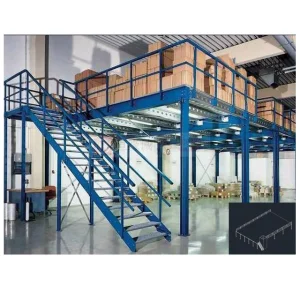
For educational complexes, medical wards, and emergency response structures, time is the critical factor. Multi-story steel frame modules can be joined horizontally and stacked vertically up to six floors without requiring a heavy secondary support structure. These facilities assemble in days rather than months, helping communities quickly restore critical public services.
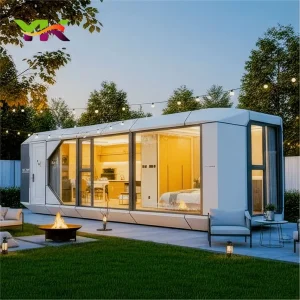
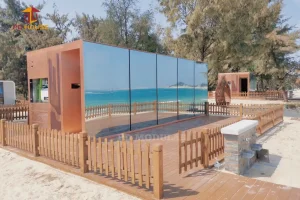
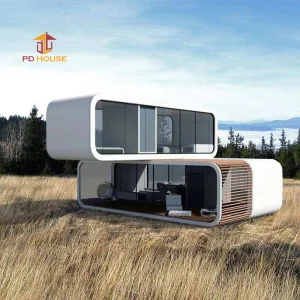
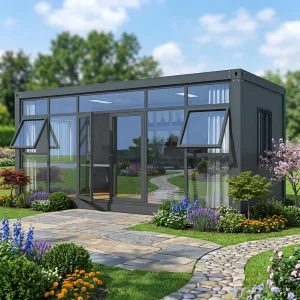
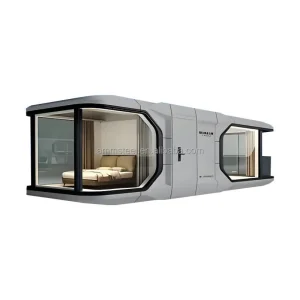
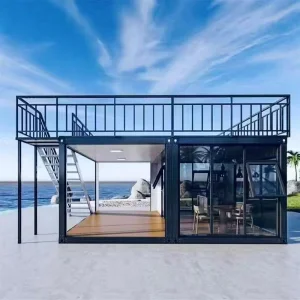
The global hospitality sector is shifting toward eco-conscious design. Prefabricated mirror-glass tiny houses and smart capsule pods provide high-end, off-grid suites without impacting delicate natural environments. These units feature integrated home automation, built-in double-glazed low-E glass facade panels, and factory-tested plumbing systems, arriving ready for immediate guest check-in.
Foshan SES House Co., Ltd. is a leading Modular House Manufacturer | Prefabricated Homes, Container Houses & Steel Structure Buildings dedicated to providing innovative, efficient, and sustainable building solutions for clients worldwide. With extensive experience in prefabricated construction, the company serves residential, commercial, industrial, educational, healthcare, and infrastructure sectors through high-quality modular building systems.
Located in Foshan, China, SES House operates advanced manufacturing facilities equipped with modern production technologies and strict quality management systems. The company specializes in the design, engineering, manufacturing, and installation of a wide range of modular structures, including prefabricated homes, container houses, steel structure buildings, modular villas, portable houses, worker camps, modular offices, educational facilities, healthcare buildings, and customized commercial projects.
SES House offers comprehensive OEM, ODM, and project-based solutions tailored to the specific requirements of developers, contractors, government agencies, and private enterprises. From architectural planning and structural design to manufacturing, transportation, and on-site assembly support, the company delivers complete turnkey modular construction services. Every project is engineered to achieve durability, safety, energy efficiency, and rapid deployment.
Quality and innovation are at the core of the company's operations. By utilizing premium steel structures, environmentally friendly materials, and precision manufacturing processes, SES House ensures reliable building performance while reducing construction time and labor costs compared to traditional construction methods.
The company has successfully supplied modular building solutions to customers across North America, Europe, Australia, Southeast Asia, Africa, and the Middle East. Supported by professional project management, competitive pricing, flexible customization capabilities, and responsive customer service, SES House continues to build long-term partnerships with clients around the globe.
Foshan SES House Co., Ltd. remains committed to advancing modern construction through smart modular technologies, sustainable development practices, and high-quality prefabricated building solutions that meet the evolving needs of global markets.
Sourcing modular housing from specialized B2B exporters in China offers significant cost and scale benefits for international developers. China’s advanced industrial base provides key structural advantages that ensure high-quality production:
Integrated Material Supply Chains: Chinese hubs like Foshan house complete clusters for raw steel production, aluminum extrusion, energy-efficient glazing, insulation, and smart home hardware. This direct access keeps material procurement costs low and minimizes supply chain delays.
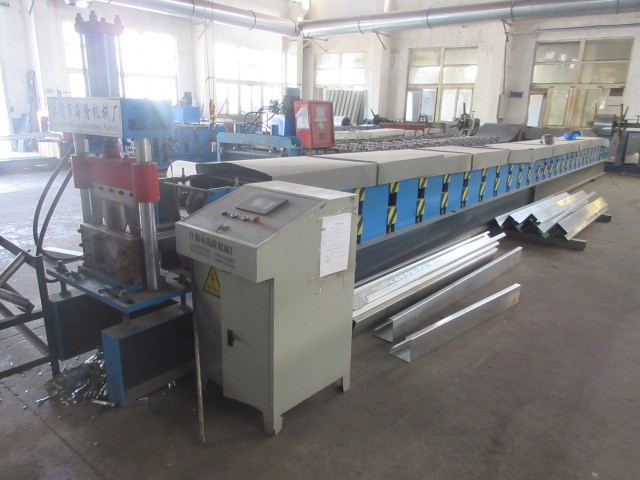
Advanced Production Scale: China’s manufacturing facilities use automated production lines, CNC steel cutting, robotic welding systems, and temperature-controlled curing areas. This level of automation ensures consistent build quality and allows plants to handle large commercial orders quickly.
Professional B2B Engineering Support: Leading exporters supply detailed BIM (Building Information Modeling) files, structural calculation sheets, load-bearing simulations, and 3D installation guides. This clear documentation helps developers secure local municipal approvals and building permits.
Exporters build structures to comply with the International Building Code (IBC), International Residential Code (IRC), and regional European standards (CE Mark/Eurocodes). Key structural certifications include ISO 9001 for quality control, AWS/CWB weld standards, and CE/UL/SAA approvals for internal electrical and plumbing systems. Custom engineering reports can be generated to match local code requirements.
The primary steel frames are engineered to absorb seismic energy, meeting Grade 8 earthquake resistance specifications. Wall, roof, and foundation connection nodes are calculated to withstand extreme wind loads (up to Category 5 hurricanes or 240 km/h winds). Protective paint coatings and hot-dip galvanization protect the structure in high-humidity and high-salinity coastal areas.
With regular maintenance, hot-dip galvanized steel modular structures have a design life of over 50 years. Secondary components like composite siding, roofing membranes, and window frames can be replaced as needed over time, matching the lifespan of traditional brick-and-mortar homes.
Logistics planning is based on the design type. Flat-pack cabins and light steel trusses pack flat to ship in standard 40ft High Cube (HQ) shipping containers, keeping freight costs low. Fully-assembled capsule homes and luxury pods ship as complete units on specialized flat-rack containers or via OOG (Out of Gauge) shipping lines.
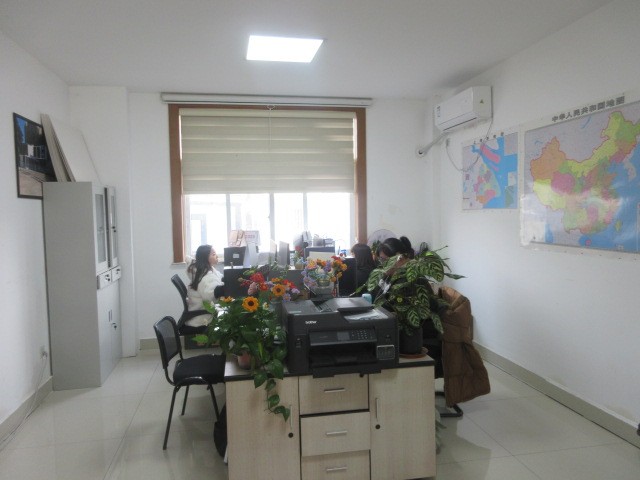
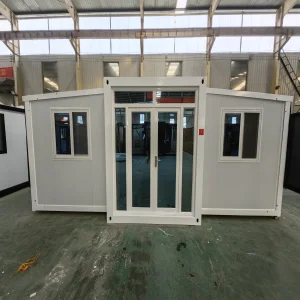
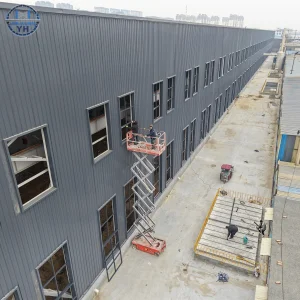
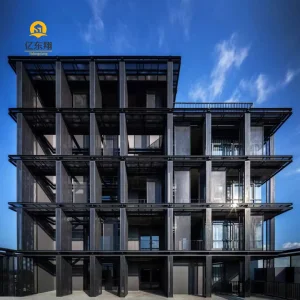
Our manufacturing facilities combine heavy metal production capacity with precision assembly lines. The gallery below showcases our CNC raw material cutting machinery, structural welding bays, assembly lines, and finished modular buildings awaiting transport:
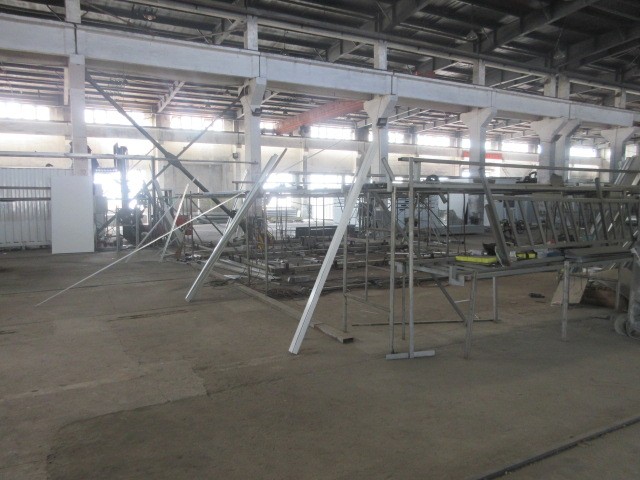
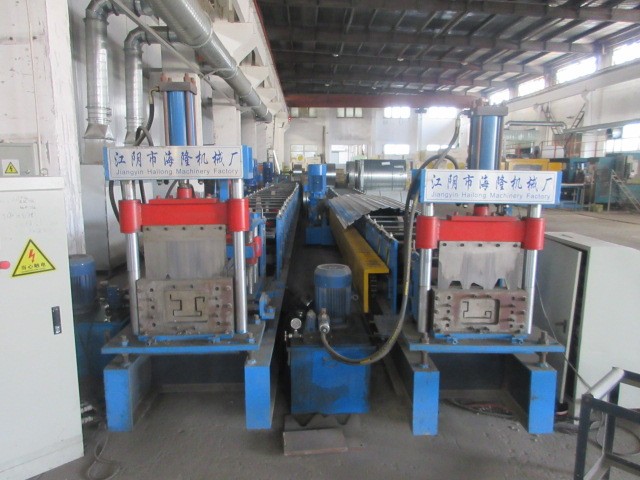
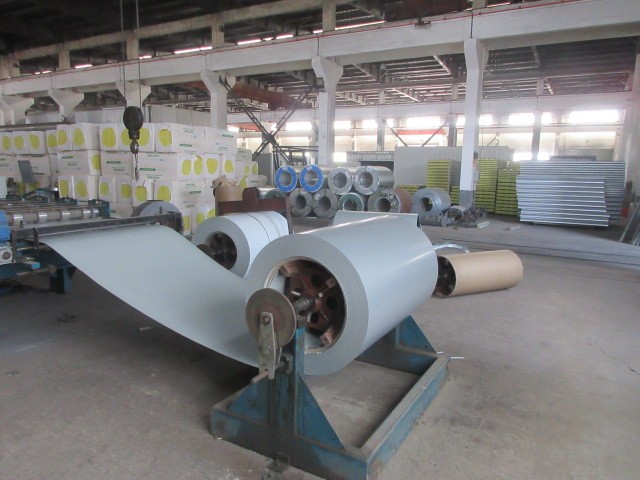
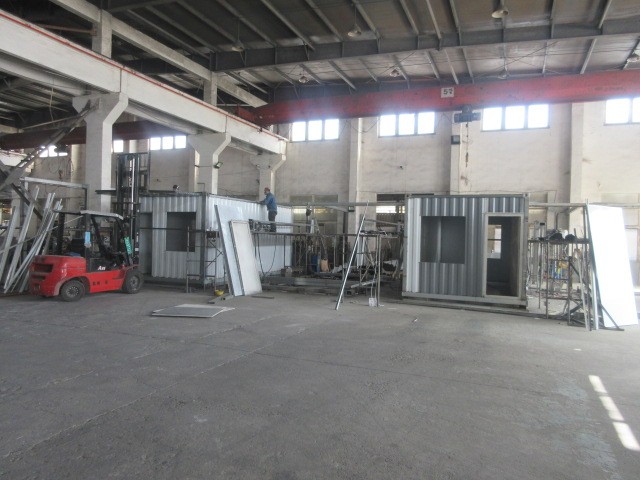
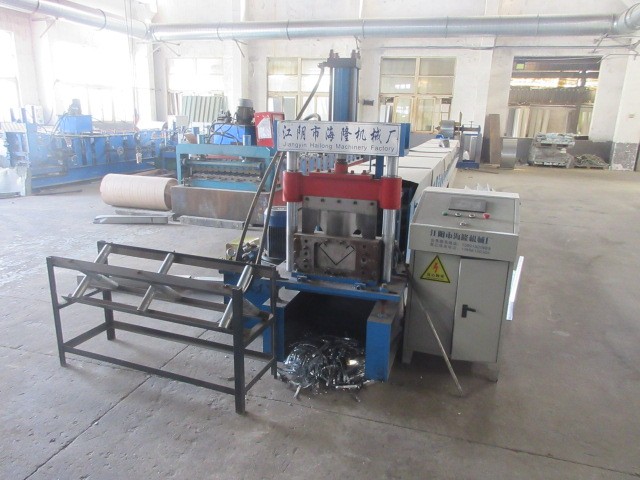
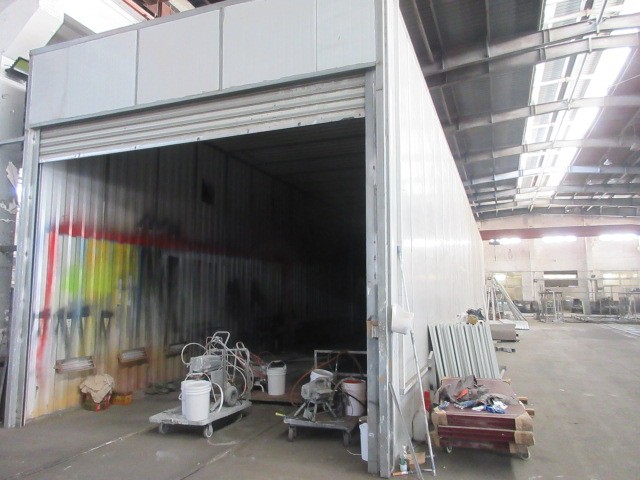
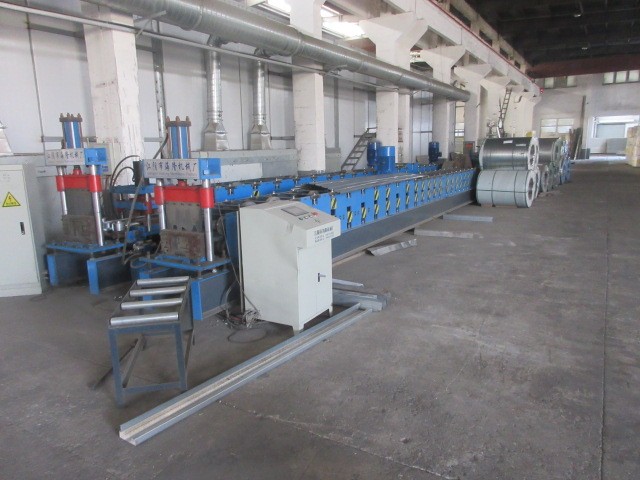
High-durability structural solutions engineered for commercial, industrial, and luxury residential programs.
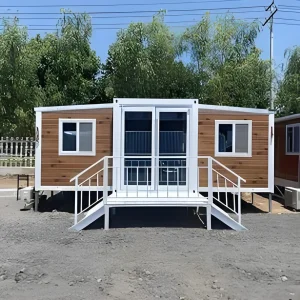
 SES House