Engineered for rapid mobilization, extreme environment durability, and circular-use flexibility.
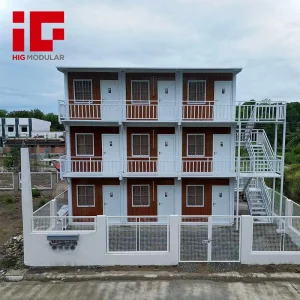
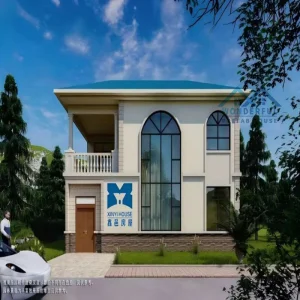
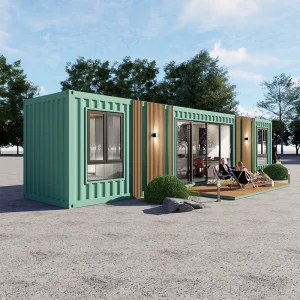
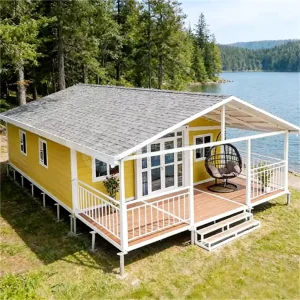
The global trade landscape, coupled with the rapid escalation of temporary public venues, international expos, and regional summits, has transformed the architectural requirements for temporary exhibition facilities. Modern procurement teams at large-scale enterprises, federal governments, and international event conglomerates no longer view temporary spaces as quick "throw-away" installations. Instead, they demand highly integrated structural systems with the safety, performance, and thermal profile of permanent buildings.
Key drivers behind international procurement protocols include circular economics, strict environmental, social, and governance (ESG) compliance, and immediate structural certifiability. Organizations require facilities that can be deployed within days, remain operational across varying climatic zones, and then be dismantled and shipped to new geographic coordinates without material degradation. This structural resilience dictates the utilization of engineered steel frames and high-performance structural insulated panels (SIPs) that survive continuous erection-dismantling cycles.
B2B decision-makers prioritize wind load certification (often demanding resistance of upwards of 120 km/h), structural fire-rating compliance (ASTM E84 and EN 13501-1 Class A standards), and rapid containerized transportability (designed to fit standard 40-foot HQ shipping containers).
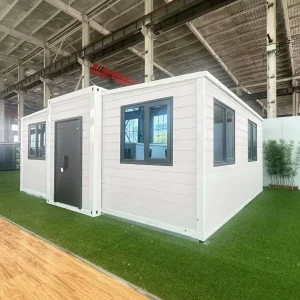
Maximizing packing density translates directly to freight cost reduction. The integration of flat-pack mechanics allows for up to four standard container-sized modules to load within a single shipping container footprint, optimizing logistical capital expenditure.
Deploying versatile spatial infrastructure across multiple industry verticals, from administrative hubs to deep-country field camps.
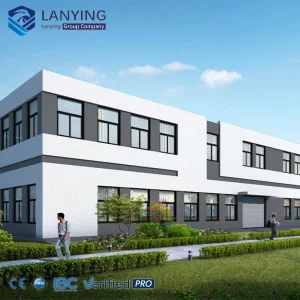
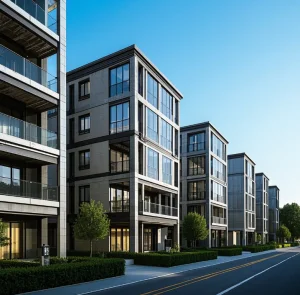
Large-scale modular showrooms, VIP lounges, multi-level temporary exhibition buildings, and international press centers. These structures blend floor-to-ceiling double-glazed glass facades with high-load steel portal frames to deliver landmark architectural statements.
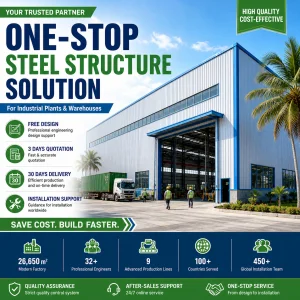
Integrated warehousing, cold-storage, heavy machinery workshops, and factory-adjacent administrative complexes. Built with heavy-gauge hot-dip galvanized steel framing systems capable of handling internal overhead cranes and deep floor loadings.
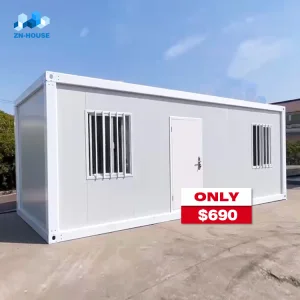
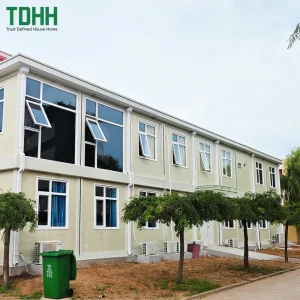
Temporary school classrooms, municipal healthcare centers, emergency response basecamps, and high-density workforce accommodation. Our structures are optimized for quick spatial scaling, sanitation-ready configurations, and modular stackability.
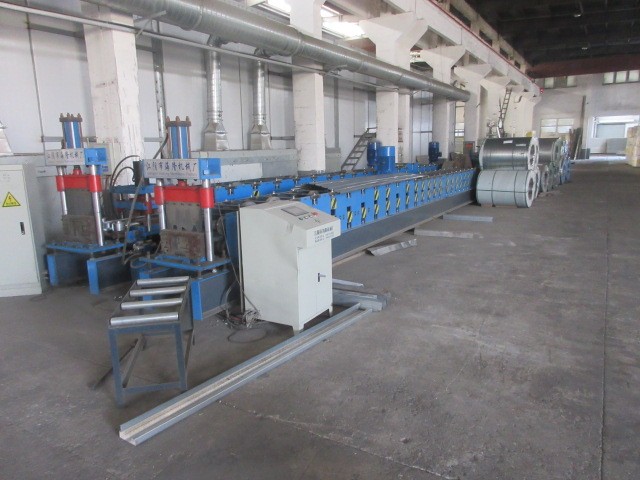
We leverage advanced structural mechanics, utilizing premium cold-rolled and hot-dip galvanized steel (Q235B & Q355B grades) treated with high-durability epoxy primer coatings to ensure long-term corrosion resistance in humid, coastal, or hyper-arid environments. The structural integrity of each frame is verified using FEA (Finite Element Analysis) simulating extreme seismic activity (Grade 8 resistance) and intense snow loads.
Elite Modular House Manufacturer & Exporter of Turnkey Modular Space Solutions
Foshan SES House Co., Ltd. is a leading Modular House Manufacturer | Prefabricated Homes, Container Houses & Steel Structure Buildings dedicated to providing innovative, efficient, and sustainable building solutions for clients worldwide. With extensive experience in prefabricated construction, the company serves residential, commercial, industrial, educational, healthcare, and infrastructure sectors through high-quality modular building systems.
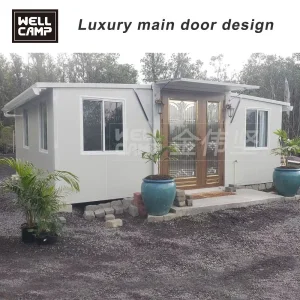
Located in Foshan, China, SES House operates advanced manufacturing facilities equipped with modern production technologies and strict quality management systems. The company specializes in the design, engineering, manufacturing, and installation of a wide range of modular structures, including prefabricated homes, container houses, steel structure buildings, modular villas, portable houses, worker camps, modular offices, educational facilities, healthcare buildings, and customized commercial projects.
SES House offers comprehensive OEM, ODM, and project-based solutions tailored to the specific requirements of developers, contractors, government agencies, and private enterprises. From architectural planning and structural design to manufacturing, transportation, and on-site assembly support, the company delivers complete turnkey modular construction services. Every project is engineered to achieve durability, safety, energy efficiency, and rapid deployment.
Quality and innovation are at the core of the company's operations. By utilizing premium steel structures, environmentally friendly materials, and precision manufacturing processes, SES House ensures reliable building performance while reducing construction time and labor costs compared to traditional construction methods.
The company has successfully supplied modular building solutions to customers across North America, Europe, Australia, Southeast Asia, Africa, and the Middle East. Supported by professional project management, competitive pricing, flexible customization capabilities, and responsive customer service, SES House continues to build long-term partnerships with clients around the globe.
Foshan SES House Co., Ltd. remains committed to advancing modern construction through smart modular technologies, sustainable development practices, and high-quality prefabricated building solutions that meet the evolving needs of global markets.
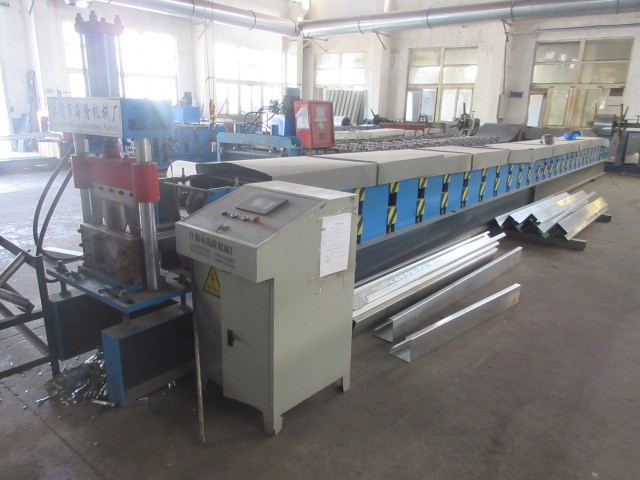
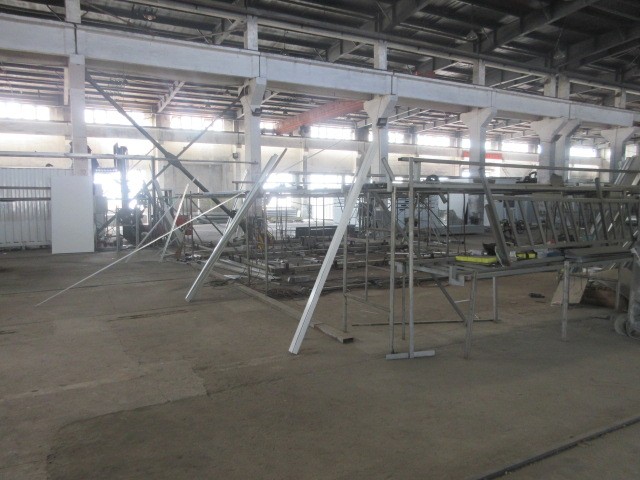
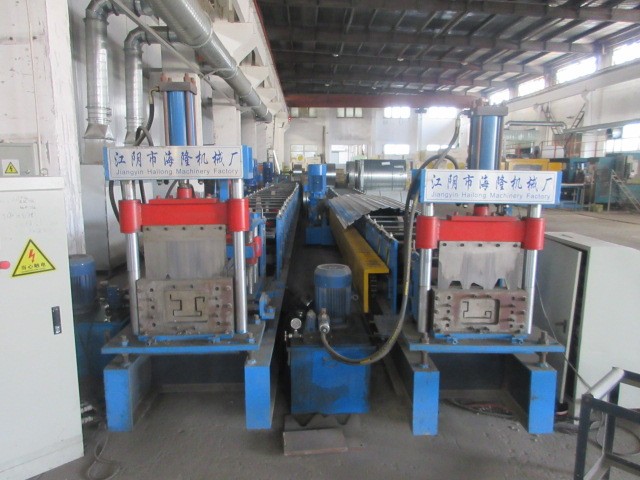
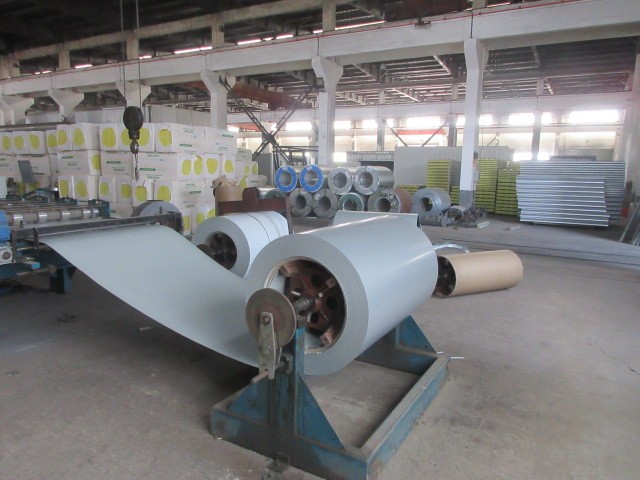
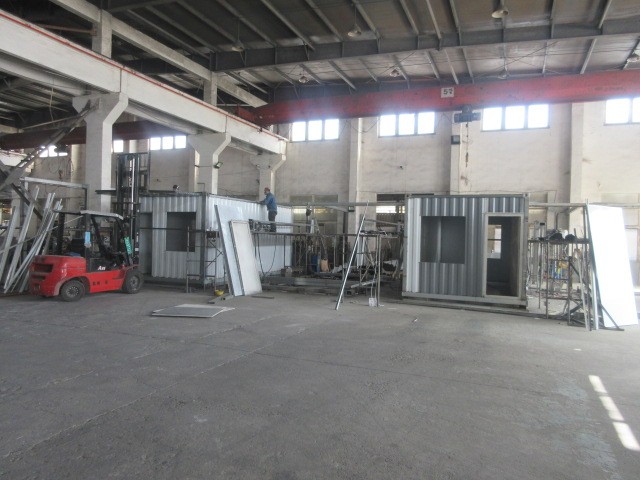
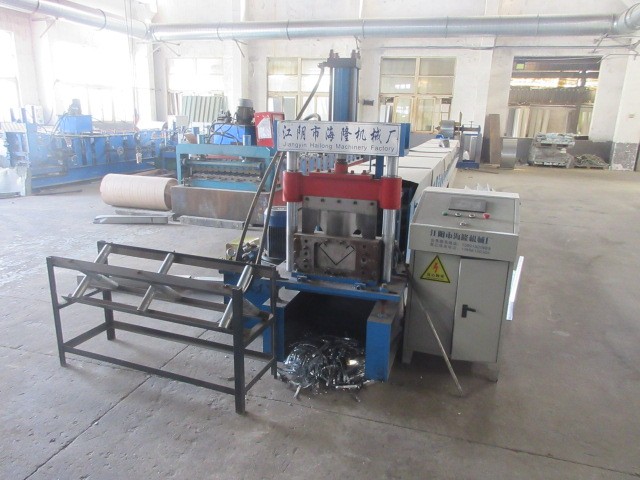
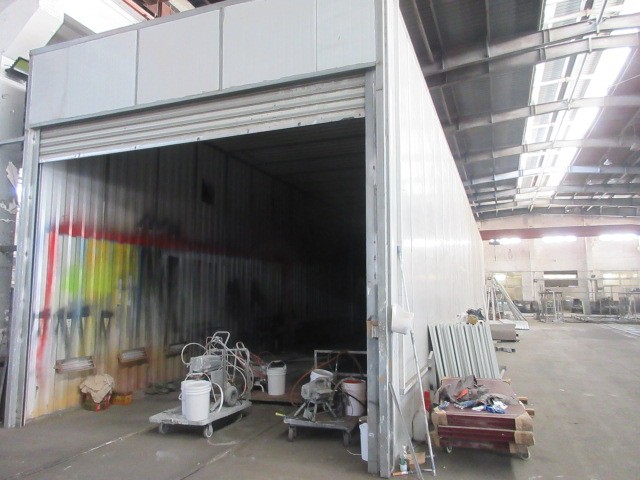
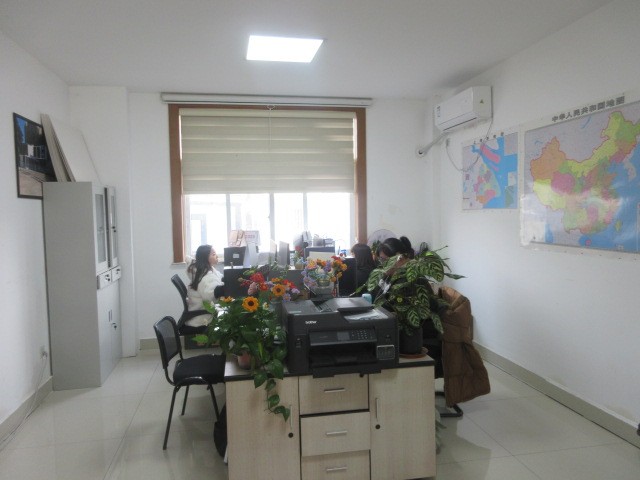
Navigating global building codes is a cornerstone of SES House's international market penetration. Different jurisdictions enforce divergent requirements for wind velocity resistance, snow load thresholds, and seismic safety ratings. Our team of in-house structural engineers ensures that every temporary exhibition facility, prefab container house, or light steel structure is calculated and manufactured to meet regional structural mandates.
We work in close cooperation with international third-party certification bodies (including SGS, BV, and TÜV) to guarantee compliance with regional certification systems. From fire-resistant testing on insulation materials to load-testing on modular lifting joints, our quality management framework leaves no detail unchecked.
We actively design in alignment with Eurocodes (EN 1990-1999) for structural steel, American Standards (AISC & IBC) for structural integrity and wind thresholds, and AS/NZS 1170 for wind and earthquake loading profiles in Australia and Oceania.
To assure seamless commissioning, we supply highly detailed assembly blueprints, 3D structural videos, and online engineering consulting. For complex multi-story complexes, we dispatch field supervisors on-site to direct localization work and structural validation.
Addressing key technical inquiries from procurement teams, structural architects, and event coordinators.
Our structures are engineered to handle extreme conditions. Standard designs easily resist wind loads up to 110-120 km/h (equivalent to Class 12 typhoons) and seismic forces up to Grade 8 intensity. For coastal projects or high-altitude installations, we can increase the structural steel member thicknesses (up to 4.0mm cold-formed profiles or customized H-beams) to withstand wind loads up to 150 km/h and high regional snow loads.
Yes, circular design is central to our engineering. All modular joints and structural connectors utilize heavy-duty bolted assemblies or twist-lock connectors instead of field welding. This permits damage-free dismantling and re-erection cycles. With proper care and periodic maintenance of weather seals, the structural frame maintains its physical integrity for over 20-30 years, surviving dozens of redeployments.
To achieve premium HVAC efficiency, we offer double-glazed, low-emissivity (Low-E) insulated glass facade panels combined with Rockwool (density up to 120 kg/m³) or Polyurethane (PU) sandwich wall panels. These configurations drastically reduce thermal bridging, enabling high energy efficiency in sub-zero winters or hot desert summers. Internal ventilation, ducting, and integration points for central HVAC systems are engineered during the BIM design phase.
Once structural design and layout blueprints are signed off, production of a 1,000 sqm facility takes approximately 15 to 25 days depending on the customization level (curtain walls, integrated plumbing, partitioning, etc.). Quality checks and container stuffing require an additional 3 days. Shipping times depend on the destination port, but we operate close to major deep-water ports in Southern China (Guangzhou and Shenzhen), securing efficient global routes.
Pioneering futuristic modular design and heavy-duty structural steel buildings for global markets.
 SES House