Explore our foundational range of modular houses, custom villas, fast-install portable cabins, and robust steel buildings designed for rapid, labor-optimized onsite execution.
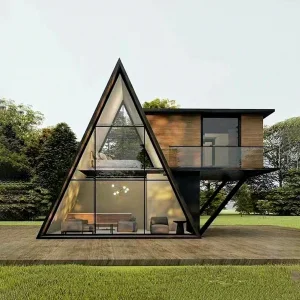
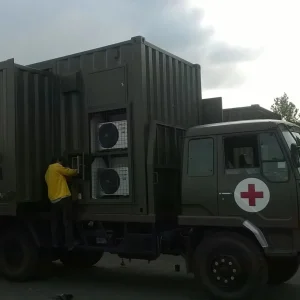
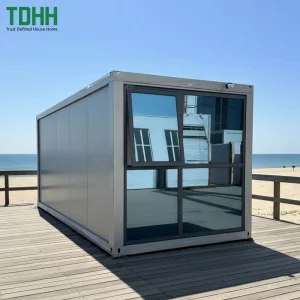
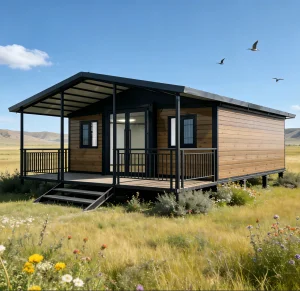
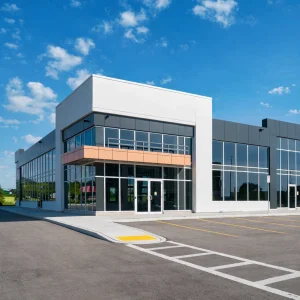
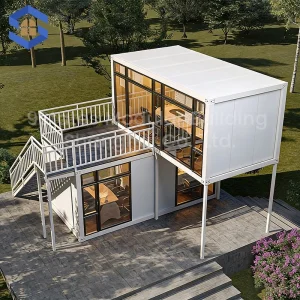
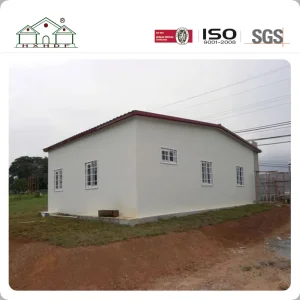
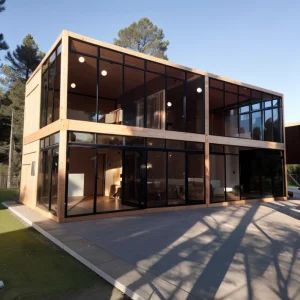
The global construction sector is undergoing a profound structural transition. Driven by volatile on-site labor markets, stricter environmental mandates, and the pressing demand for shorter project timelines, developers are moving away from traditional stick-built construction. Modern Efficient Construction Solutions represent a paradigm shift where up to 90% of structural, mechanical, and architectural detailing is performed off-site in controlled factory settings.
By leveraging advanced engineering practices in our state-of-the-art facilities in Foshan, China, Foshan SES House Co., Ltd. acts as a critical strategic node for international importers and project developers. We bypass traditional on-site inefficiencies—such as weather delays, material shrinkage, and craft labor variability—by engineering load-bearing steel spatial structures and prefabricated panels to sub-millimeter tolerances. This systematic approach ensures that projects are completed up to 50% faster than conventional structures while simultaneously mitigating ecological impact.
At the center of our manufacturing success is an unwavering commitment to structural integrity. Our prefabricated building designs integrate cold-formed structural steel framing, hot-dipped galvanized structural profiles, and high-performance insulated sandwich panels (Polyurethane, Rockwool, and EPS) to establish superior thermal envelopes, acoustic attenuation, and seismic resilience.
| System Type | Primary Structural Core | Insulation Options | Wind & Seismic Rating | Best Application Scenarios |
|---|---|---|---|---|
| Flat Pack Container Units | Q235B/Q345B Galvanized Steel Profiles | 50-100mm Rockwool / PU sandwich panels | Wind: 110-120 km/h | Seismic: Grade 8 | Labor camps, remote mining offices, temporary accommodation |
| Expandable Steel Villas | Heavy-Duty Steel Frames (Z-Type & Folding hinges) | High-density PIR/PU fire-rated insulation | Wind: 120-140 km/h | Seismic: Grade 8 | Modern residential housing, resort villas, turnkey healthcare pods |
| Pre-engineered Steel Warehouses | H-Section Columns & C/Z Purlin Framing | Single skin corrugated sheeting / composite panels | Customized up to 180 km/h | Seismic: Grade 9 | Heavy industrial storage, logistics hubs, shopping mall shells |
Every structural weld is executed according to AWS/ISO parameters, ensuring structural uniformity. For markets facing coastal salinity or humid environments, we utilize premium protective coatings with a marine-grade classification (C3 to C5 ratings) to guarantee that components resist atmospheric corrosion for over 30 years without structural degradation.
B2B sourcing agents, engineering firms, and regional real estate developers require modular components that align with localized building codes. Sourcing prefabricated systems from overseas requires strict quality verification and alignment with international safety standards, including the American Society for Testing and Materials (ASTM), Eurocodes, and the Building Code of Australia (AS/NZS).
Our engineering division at Foshan SES House Co., Ltd. resolves these regulatory hurdles by providing complete structural calculations, wind-load analysis, and seismic simulations during the pre-production phase. By designing with BIM (Building Information Modeling) pipelines, we facilitate seamless handovers for structural approval in destination jurisdictions across North America, Europe, Australia, and the Middle East.
Components engineered to comply with IBC, AS/NZS 1170, and Eurocode 3, supporting straightforward local permitting and structural approvals.
Our flat-pack and expandable designs optimize shipping volumes, dramatically reducing ocean freight costs per structural unit.
Complete project-specific customization, covering interior architectural finishes, electrical layouts, plumbing configurations, and HVAC integration.
Prefabricated structures serve as critical infrastructure across several key industries:
Examine our specialized high-performance portfolio, including sustainable energy-independent villas, double-story container offices, and robust industrial warehouse solutions.
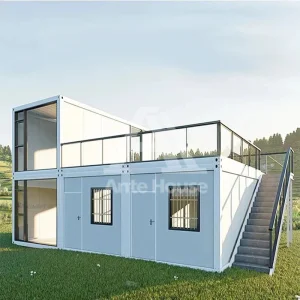
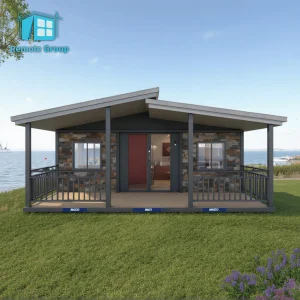
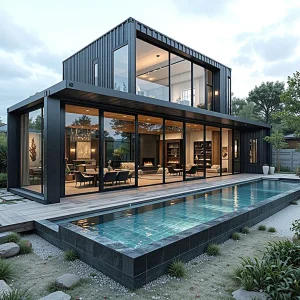
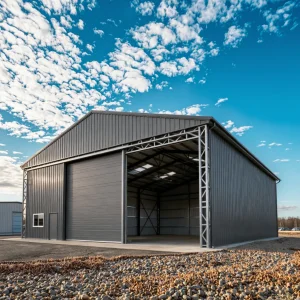
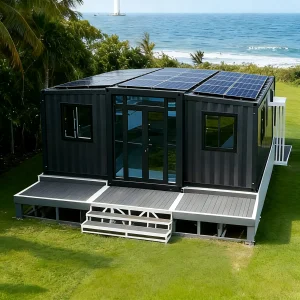
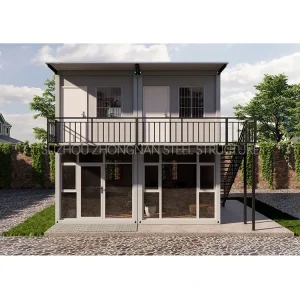
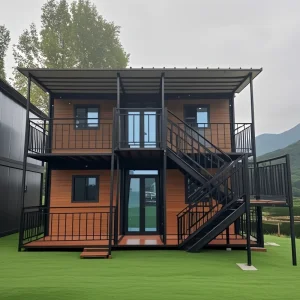
The next phase of construction technology centers on ecological performance and circular system design. The manufacturing pipeline at Foshan SES House Co., Ltd. is actively transitioning to integrate high-efficiency photovoltaic (solar) arrays, greywater filtration loops, and smart thermal-bridging mitigations directly into our structural frames. Our solar-integrated modular duplexes demonstrate this direction, combining renewable energy generation with low-conductivity structural wall panels.
Additionally, we emphasize modular components that can be fully disassembled, reused, or recycled. This approach supports a circular construction lifecycle, reducing carbon footprint throughout manufacturing, transport, assembly, and decommissioning. By using light steel structural sections and dry-assembly techniques, we eliminate concrete waste and minimize site remediation requirements, helping developers align with global ESG (Environmental, Social, and Governance) investment criteria.
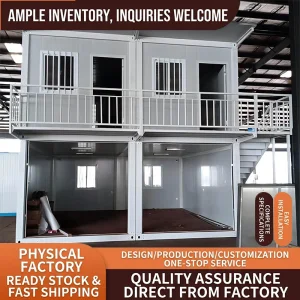
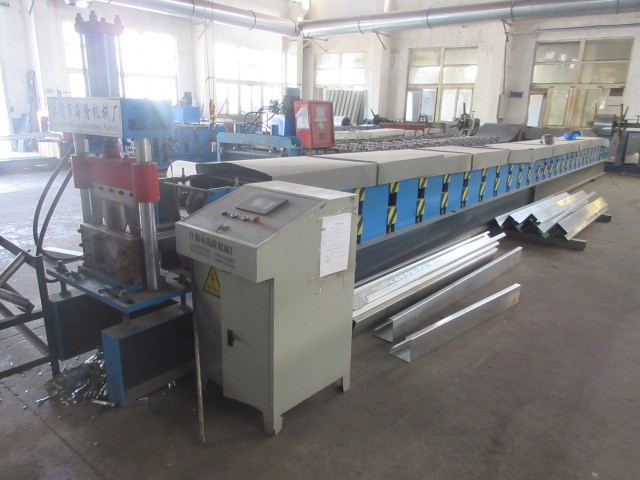
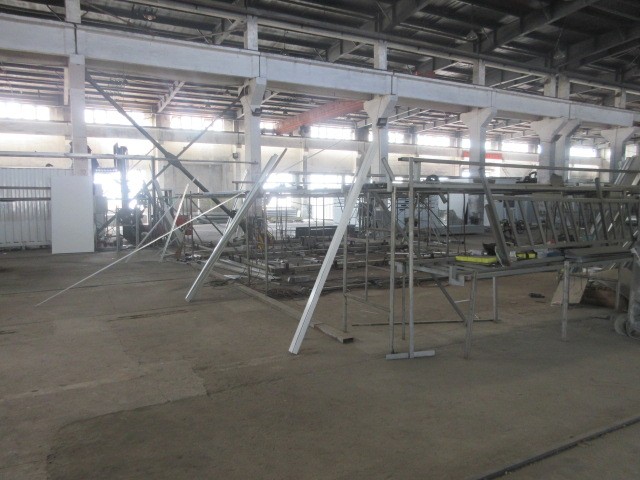
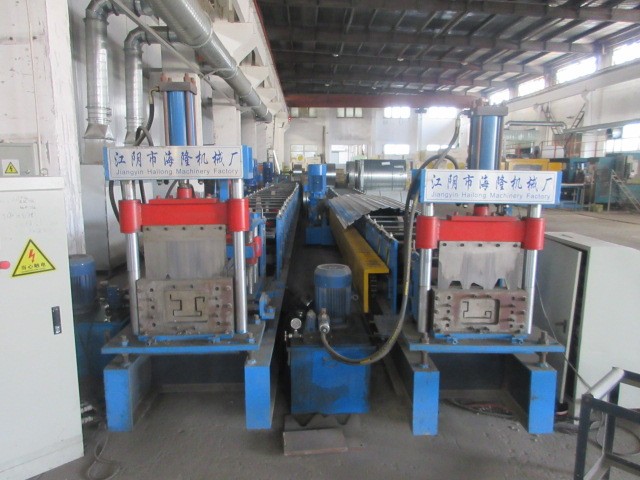
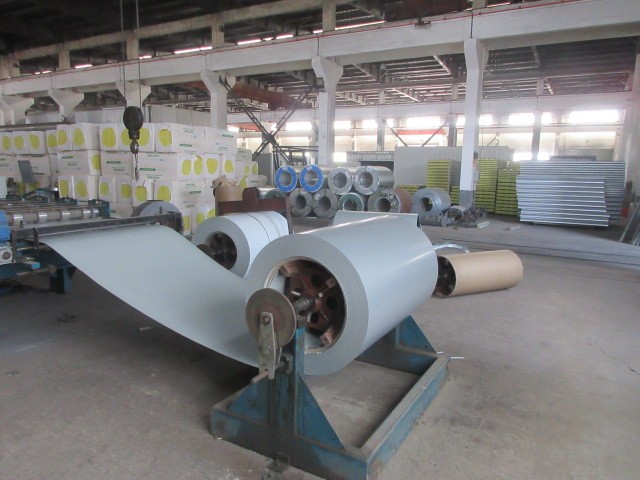
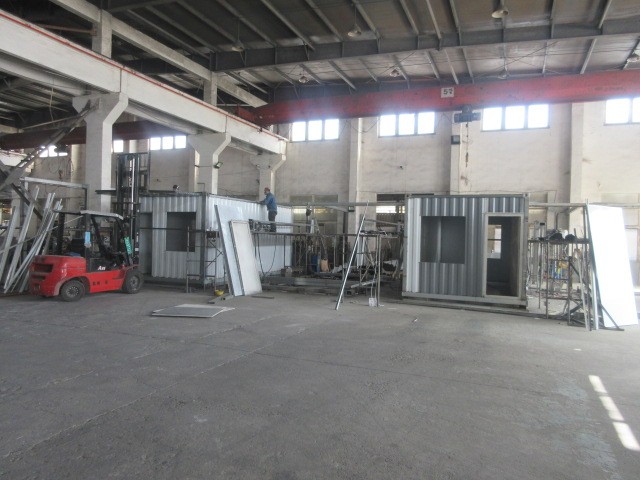
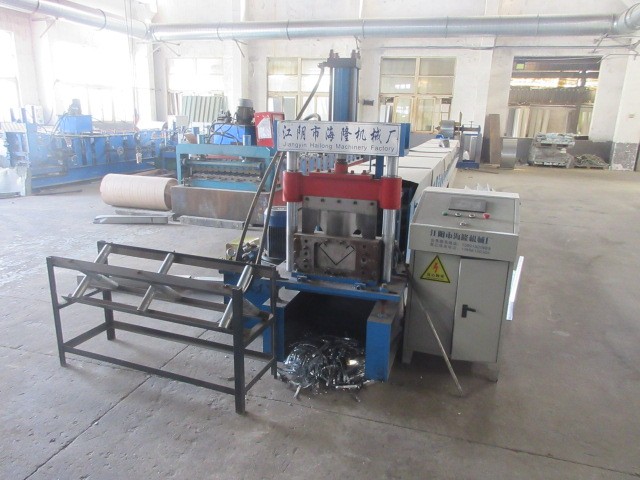
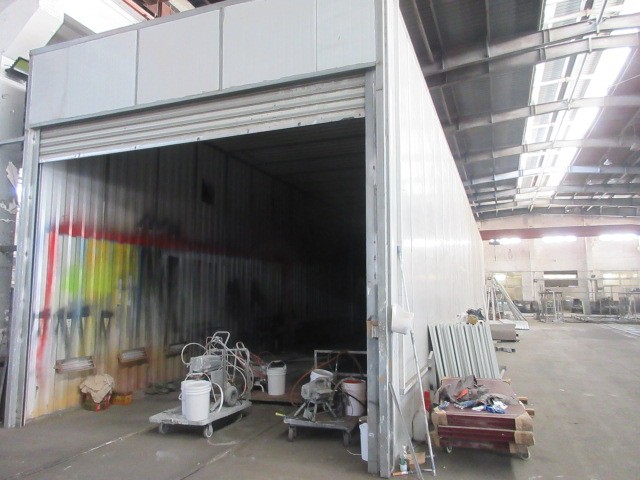
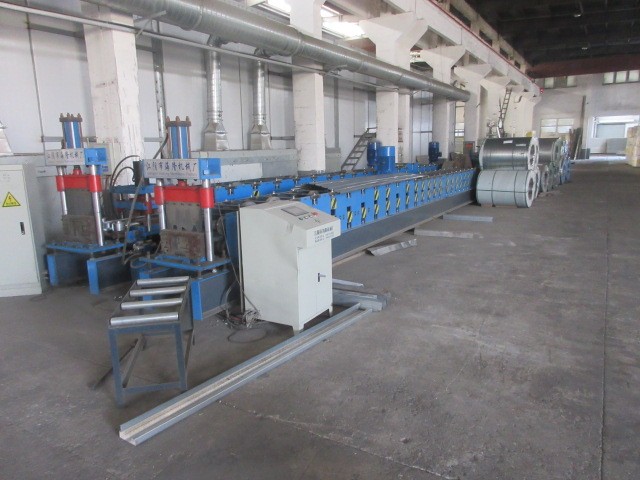
Our advanced production lines in Foshan, China, combine automated welding systems, high-speed profile shaping machines, and rigorous quality check zones to ensure consistency across every component. Below is a look at our current factory operations, showing structural assemblies, modular components, finished designs, and shipping preparation.
Read detailed answers from our senior engineering team regarding structural reliability, international shipping, site preparation, and building code compliance.
Our permanent structural steel buildings and modular luxury villas are engineered with a design life of 30 to 50 years. Temporary flat pack containers and accommodation units have a design life of 15 to 25 years. Lifespan is maximized by applying hot-dip galvanization to structural components and using anti-corrosive marine-grade paint finishes (C3/C4 class coatings) to protect against oxidation in damp or coastal environments.
Every building is designed using advanced structural calculation software (such as SAP2000 and Tekla Structures) to meet specific local codes. Standard units are engineered to withstand Wind Class 11 (up to 120 km/h) and Seismic Grade 8 events. For regions prone to typhoons, hurricanes, or high seismic activity, we can reinforce structural profiles, column connections, and foundation anchors to withstand wind speeds up to 180 km/h and Seismic Grade 9 events.
We offer a range of core insulation materials, including Polyurethane (PU/PIR), Rockwool, and Expanded Polystyrene (EPS), with thicknesses varying from 50mm to 150mm. For high thermal efficiency, we recommend 100mm Polyurethane sandwich panels, which offer an R-value of approximately R-26 (U-value of 0.22 W/m²K). This helps minimize heating and cooling energy demands, even in extreme climates.
We package and ship modular components in two main ways to optimize shipping costs: flat-pack systems and expandable structures. For flat-pack systems, four standard 20ft container cabins are bundled to match the exact dimensions of a standard 20ft GP shipping container, which helps lower ocean freight costs. Our expandable villas are designed to fold into a compact format, allowing a complete double-wing villa to fit inside a single 40ft HQ container for straightforward shipping and transport.
Yes. All electrical wiring, outlets, switches, distribution boards, conduits, and plumbing systems are configured to meet the specific national standards of the destination country (such as UL/CSA for North America, CE/EN for Europe, and SAA/AZ/NZS for Oceania). These systems are pre-installed in the factory, allowing for quick plug-and-play connections on site.
The standard process begins with schematic architectural design and BIM modeling (7–14 days), followed by engineering calculations and manufacturing drawing sign-offs (7 days). Factory production typically takes between 20 to 30 days depending on the project volume, followed by assembly inspections and quality audits. Total lead times generally range between 45 to 60 days, excluding ocean freight transit times.
 SES House