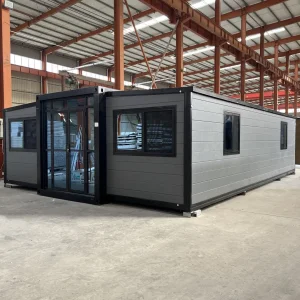
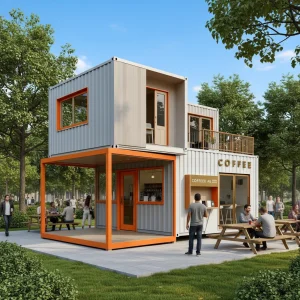
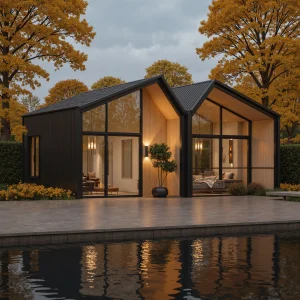
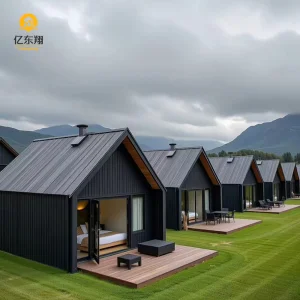
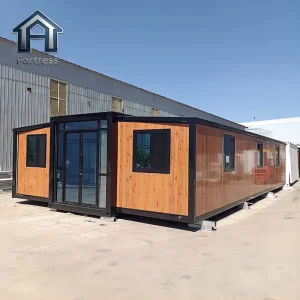
Premium structural assemblies utilizing state-of-the-art metal frameworks and localized thermal envelopes for versatile applications.
The global building sector is undergoing a fundamental structural transition. Traditional onsite fabrication methodology is increasingly failing to satisfy modern demands due to volatile labor dynamics, material supply chain disruptions, and escalating environmental mandates. Consequently, industrialized volumetric construction has emerged as the defining paradigm for sustainable, high-efficiency developments.
Our OEM/ODM manufacturing capability transforms how living spaces are designed, engineered, and constructed worldwide. By utilizing high-tolerance fabrication procedures inside specialized factories, we bypass traditional site vulnerabilities. Our prefabricated systems allow parallel site work and production schedules, resulting in project delivery cycles that are up to 50% to 70% faster than legacy concrete-and-brick projects.
This whitepaper breaks down the technical underpinnings, global supply strategies, localized structural compliance standards, and engineering practices that allow us to provide high-caliber living systems across diverse climates and zoning jurisdictions.
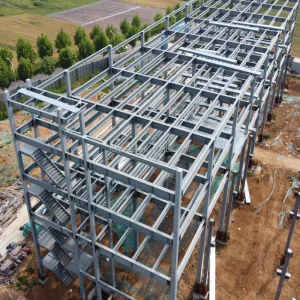
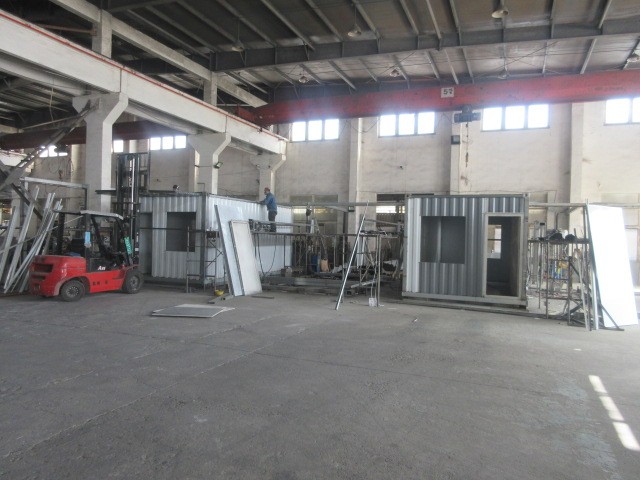
Shifting 90% of the building workflow to structural, quality-controlled factory environments to secure extreme geometric tolerances and avoid weather disruptions.
Engineered thermal barriers with minimal thermal bridging, customized acoustic dampening index, and structural wind mitigation ratings up to Typhoon class.
Strategic supply chain solutions tailored for institutional developers, government housing schemes, and resort builders.
Modular designs optimize development cash flows. By minimizing onsite structural works, developers reduce capital exposure, construction loan interest cycles, and site supervision costs.
Structural units are engineered to match international standard shipping dimensions (ISO 20GP, 40HQ, or flat-pack configurations), lowering oceanic freight expenses and securing overland delivery.
Essential for workforce housing camps and humanitarian response shelters. High-capacity manufacturing lines allow delivery of hundreds of modules in weeks rather than months.
To construct resilient high-performance living structures, we implement a meticulous material selection and quality validation process:
| Structural Frame | Q355B Cold Rolled / Welded Steel Members |
| Corrosion Class | C3 to C5-M (Marine environments) via Epoxy Zinc Coatings |
| Wall Insulation | 50-150mm PIR / Rockwool (A1 Non-combustible rating) |
| Seismic Performance | Class 8 Resistance Index (IBC compliance) |
| Wind Load Resistance | Up to 0.6 KN/m² (equivalent to 180km/h velocity forces) |
| Operational Lifespan | Main frame engineered structural lifespan exceeds 50 years |
Our modular architecture systems are deployed across various industries, balancing rapid installation speed with reliable performance.
Modular structures for remote resource projects. Including heavy-duty worker camps, operations offices, dining spaces, and medical facilities, engineered to handle harsh climates.
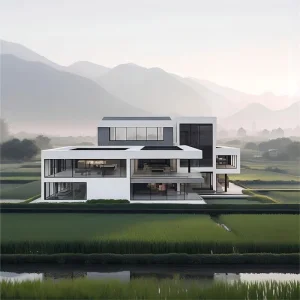
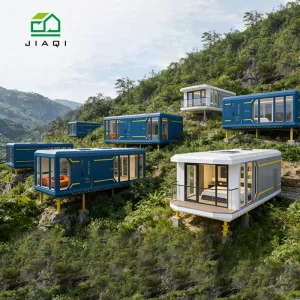
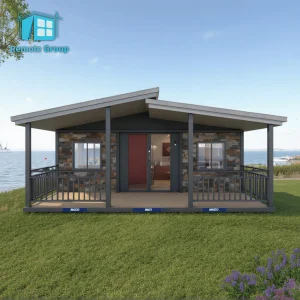
Architectural designs for coastal retreats and premium modular villas. By combining high-end interior finishes with low-impact foundation options, they integrate into sensitive natural settings.
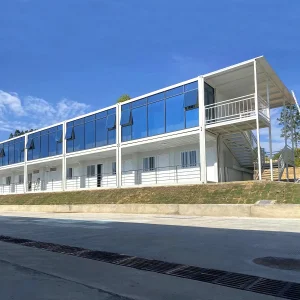
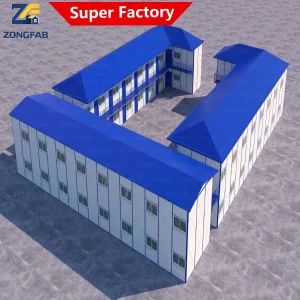
Designed to meet urban density needs, these modular structural systems allow quick construction of social housing and multi-tier apartments while reducing neighborhood disturbance.
Foshan SES House Co., Ltd. is a leading Modular House Manufacturer | Prefabricated Homes, Container Houses & Steel Structure Buildings dedicated to providing innovative, efficient, and sustainable building solutions for clients worldwide. With extensive experience in prefabricated construction, the company serves residential, commercial, industrial, educational, healthcare, and infrastructure sectors through high-quality modular building systems.
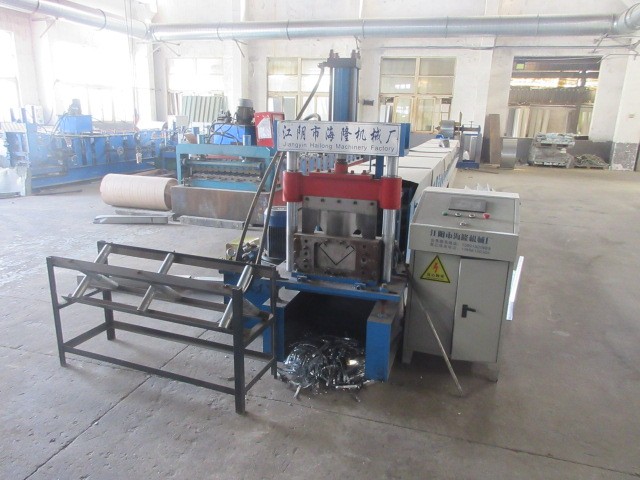
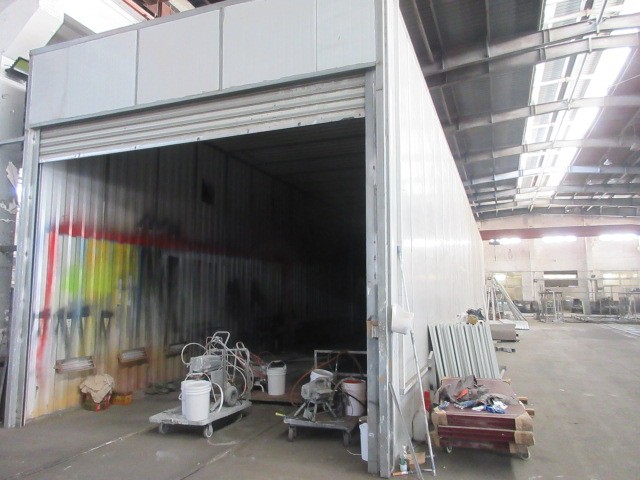
Located in Foshan, China, SES House operates advanced manufacturing facilities equipped with modern production technologies and strict quality management systems. The company specializes in the design, engineering, manufacturing, and installation of a wide range of modular structures, including prefabricated homes, container houses, steel structure buildings, modular villas, portable houses, worker camps, modular offices, educational facilities, healthcare buildings, and customized commercial projects.
SES House offers comprehensive OEM, ODM, and project-based solutions tailored to the specific requirements of developers, contractors, government agencies, and private enterprises. From architectural planning and structural design to manufacturing, transportation, and on-site assembly support, the company delivers complete turnkey modular construction services. Every project is engineered to achieve durability, safety, energy efficiency, and rapid deployment.
Quality and innovation are at the core of the company's operations. By utilizing premium steel structures, environmentally friendly materials, and precision manufacturing processes, SES House ensures reliable building performance while reducing construction time and labor costs compared to traditional construction methods.
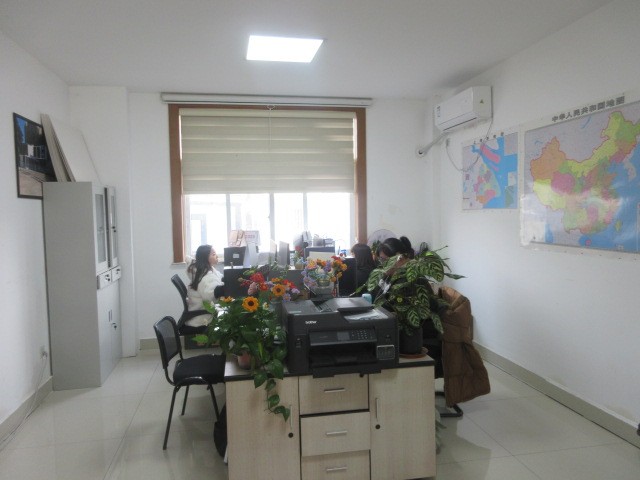
The company has successfully supplied modular building solutions to customers across North America, Europe, Australia, Southeast Asia, Africa, and the Middle East. Supported by professional project management, competitive pricing, flexible customization capabilities, and responsive customer service, SES House continues to build long-term partnerships with clients around the globe.
Foshan SES House Co., Ltd. remains committed to advancing modern construction through smart modular technologies, sustainable development practices, and high-quality prefabricated building solutions that meet the evolving needs of global markets.
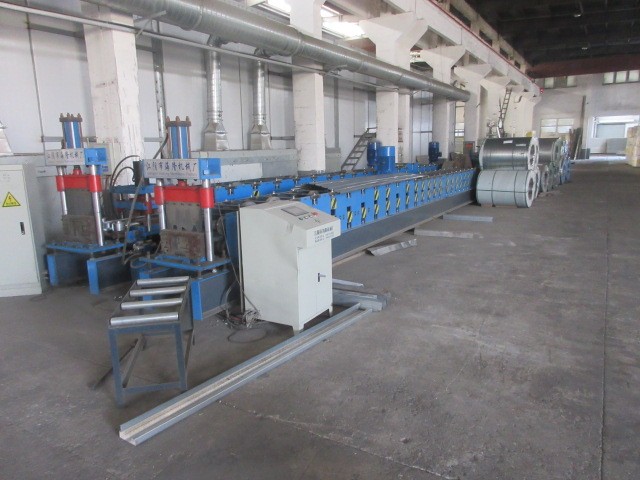
Our engineering goals focus on improving thermal efficiency, structural resilience, and automation in prefabrication.
Integrating bio-based insulation materials and recycled alloys into structural components. This reduces embodied carbon metrics while maintaining structural strength and thermal performance.
Developing modular housing units with pre-wired solar storage systems, greywater recycling loops, and smart monitoring controls for independent, off-grid operation.
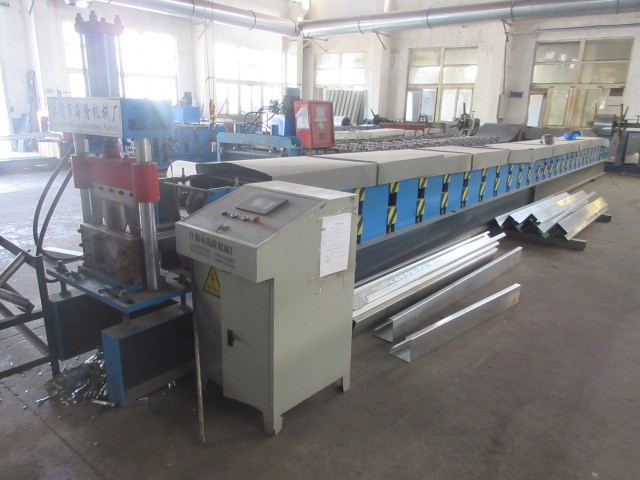
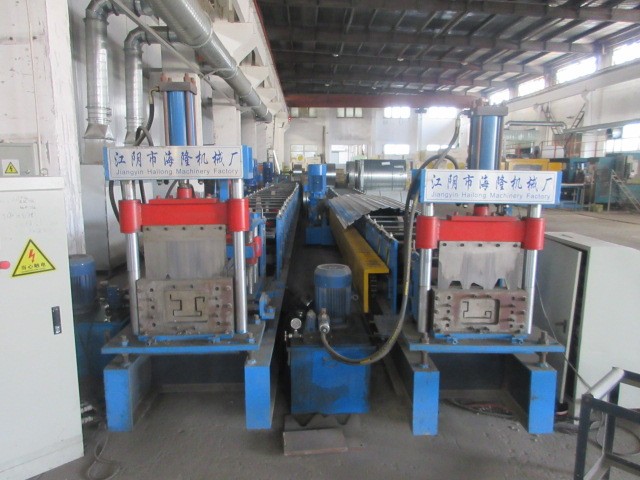
Deploying robotic welding stations and laser cutting setups to scale up production capacity while maintaining high geometric accuracy across custom orders.
Our engineering processes focus on meeting local building regulations and structural verification standards.
To meet region-specific energy requirements (such as Title 24 in the US or Eurocode Part 6), we customize insulation layers and use double/triple-glazed low-E window units. We also perform blower door simulations to verify envelope airtightness.
Our engineering designs are verified through FEA (Finite Element Analysis) modeling. We evaluate structures under static load, dynamic seismic movement, and wind force conditions, ensuring compliance with IBC, Eurocode 3, and AS/NZS 1170 standards.
Detailed technical answers to common queries from engineering consultants, project developers, and procurement agents.
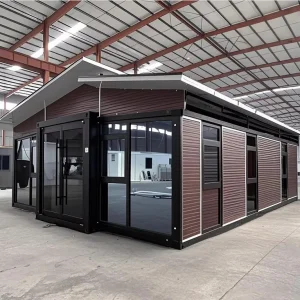
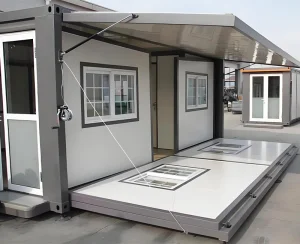
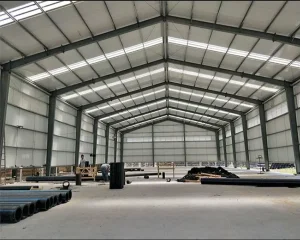
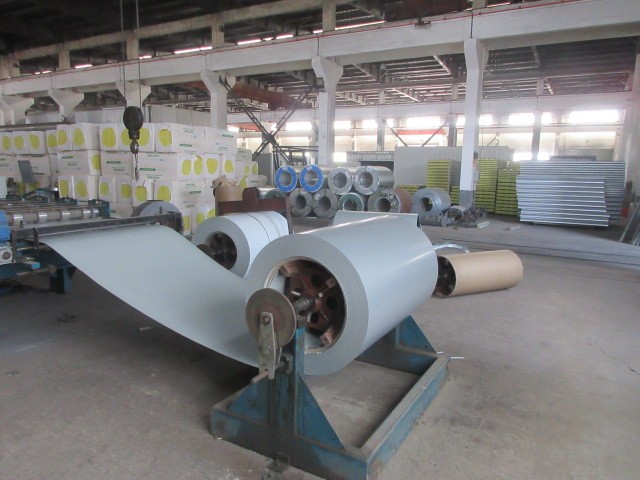
Further advanced designs incorporating expandable components, high-density sandwich panels, and industrial warehouse frameworks.
 SES House