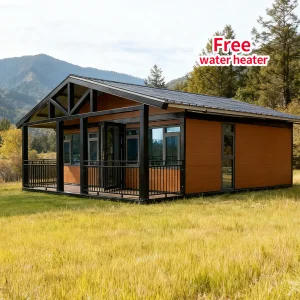
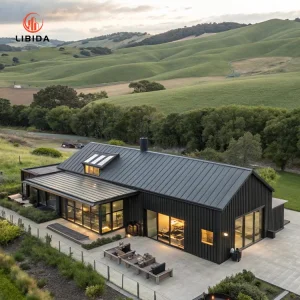
Explore our structural solutions engineered for speed, durability, and multi-sector integration.
Transforming the parameters of rapid structural engineering and global modular construction.
Foshan SES House Co., Ltd. is a leading Modular House Manufacturer | Prefabricated Homes, Container Houses & Steel Structure Buildings dedicated to providing innovative, efficient, and sustainable building solutions for clients worldwide. With extensive experience in prefabricated construction, the company serves residential, commercial, industrial, educational, healthcare, and infrastructure sectors through high-quality modular building systems.
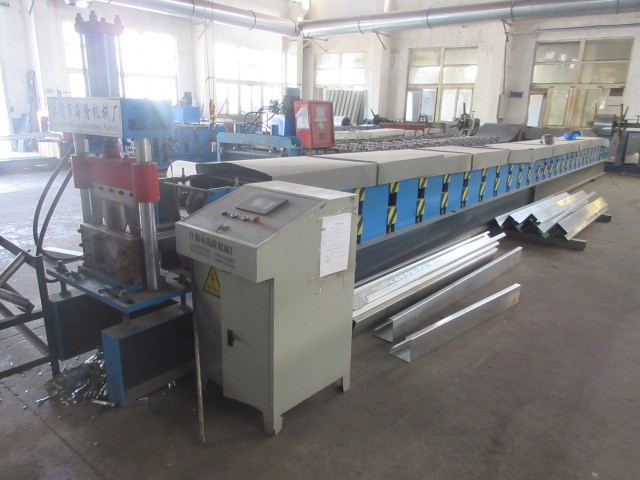
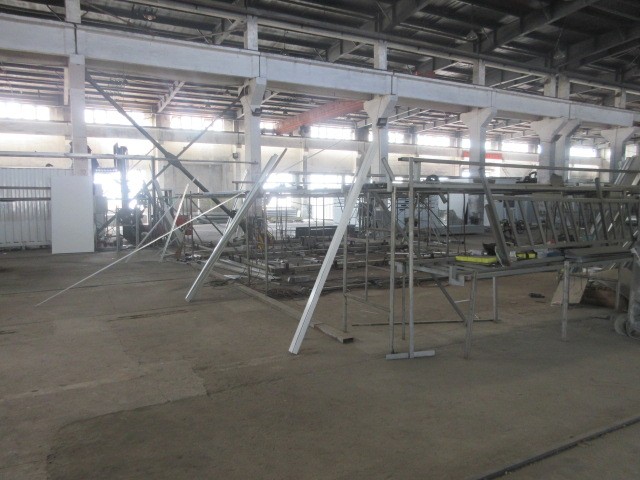
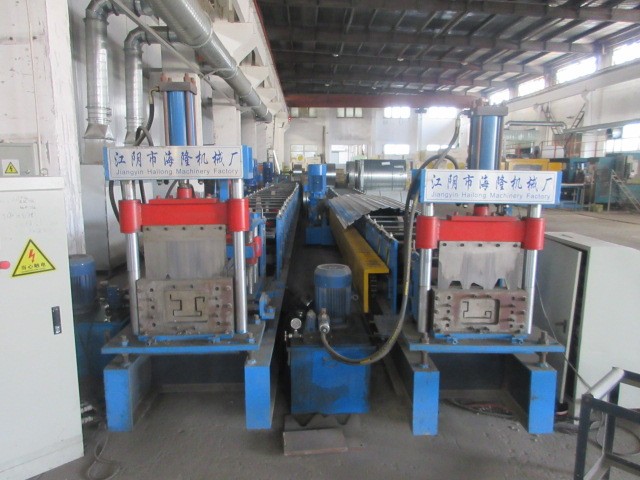
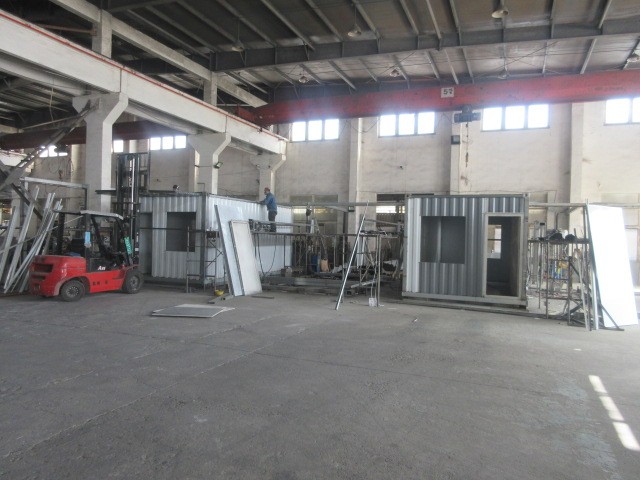
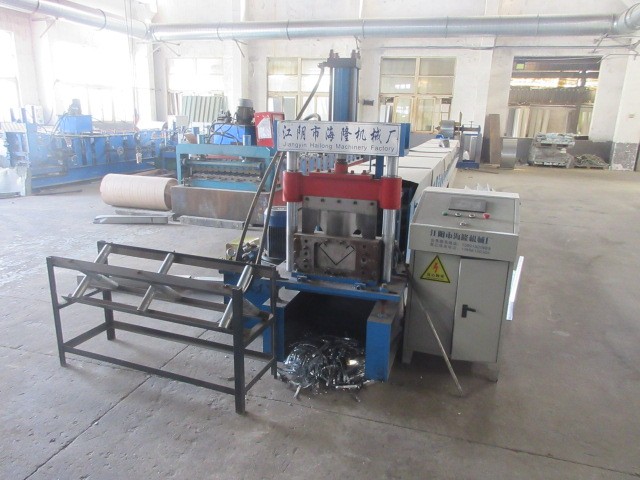
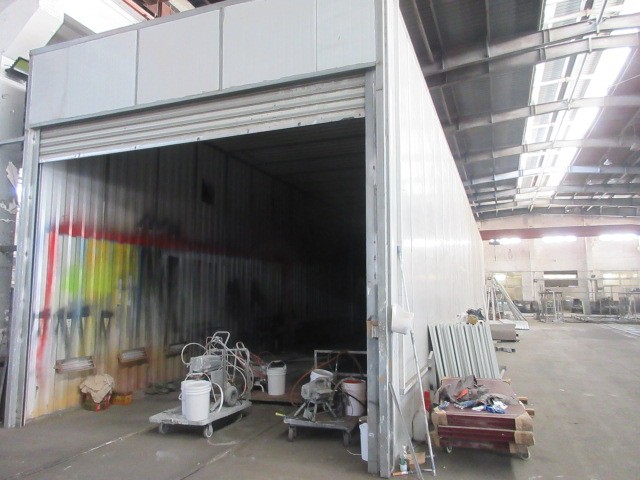
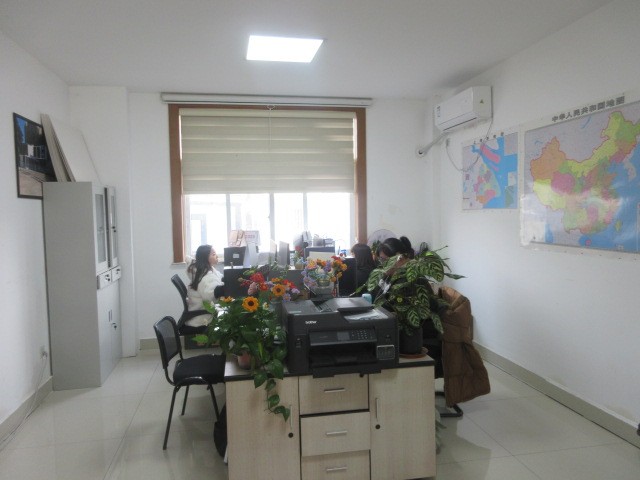
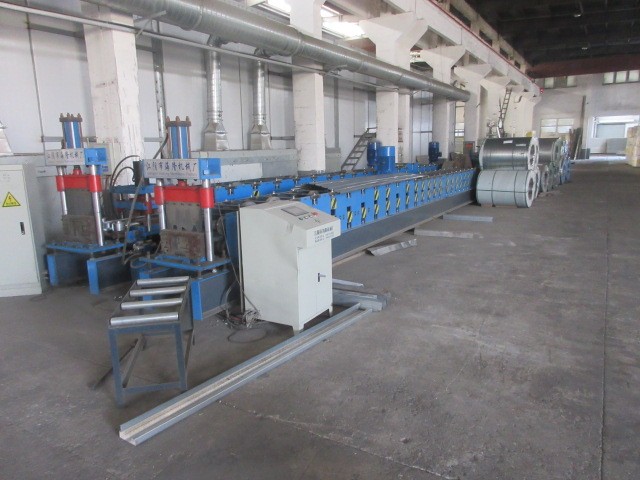
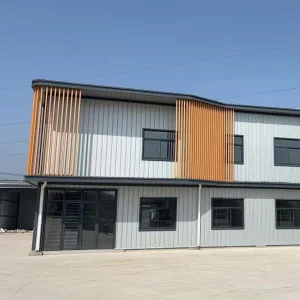
Located in Foshan, China, the epicenter of advanced industrial metal fabrications and building material manufacturing, SES House operates state-of-the-art facilities equipped with modern production technologies and highly rigorous quality management systems. The company specializes in the design, engineering, manufacturing, and structural installation of a vast range of modular units. Our profile covers prefabricated homes, container houses, steel structure buildings, modular villas, portable houses, worker camps, modular offices, educational facilities, healthcare buildings, and fully customized commercial turnkey solutions.
SES House offers comprehensive OEM, ODM, and project-based solutions tailored to the specific requirements of developers, contractors, government agencies, and private enterprises. From architectural planning and structural design to manufacturing, transportation, and on-site assembly support, the company delivers complete turnkey modular construction services. Every project is engineered to achieve durability, safety, energy efficiency, and rapid deployment.
The company has successfully supplied modular building solutions to customers across North America, Europe, Australia, Southeast Asia, Africa, and the Middle East. Supported by professional project management, competitive pricing, flexible customization capabilities, and responsive customer service, SES House continues to build long-term partnerships with clients around the globe.
Why the shift towards expandable modular units represents a systemic upgrade in real estate development.
The contemporary global real estate, hospitality, and industrial construction sectors face an unprecedented triad of challenges: skyrocketing onsite labor costs, strict regional environmental regulations, and the critical need for rapid speed-to-market. Traditional construction schedules are increasingly viewed as high-risk, subject to weather delays, materials shortages, and localized labor inefficiency.
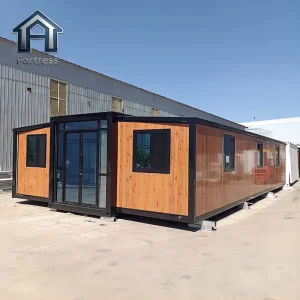
Consequently, the demand for Expandable Modular Units has shifted from a novelty solution to a primary capital allocation strategy. By shifting 90% of the construction process to a controlled factory setting, project developers reduce risk profiles significantly. Expandable container units, specifically, offer unique shipping efficiencies: they compress to standard ISO dimensions for ocean transit and expand to up to three times their shipping volume upon arrival, providing massive transport cost reductions.
Manufactured using Q355B hot-dip galvanized steel frames to resist severe wind load indices up to category 12 hurricanes.
Utilizing high-density polyurethane (PU) and rockwool cores to maximize thermal insulation values and reduce lifetime HVAC energy consumption.
Pre-engineered structural designs compatible with ICC-ES, CE, and AS/NZS building codes, facilitating rapid municipal permitting approvals.
Integrated electrical wiring conduit networks and sanitary plumbing pre-installed to simplify final localized utility drop-ins.
Why sourcing from Foshan SES House offers incomparable competitive benefits over local fabricators.
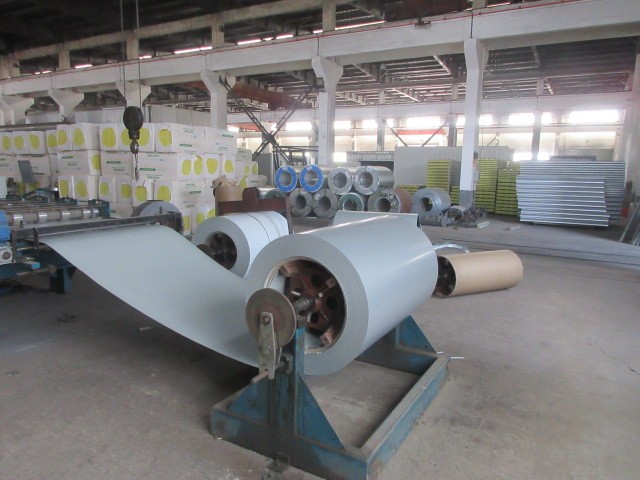
The efficiency of Foshan's manufacturing hub lies in its industrial clustering. From raw steel extrusion mills and automated powder-coating factories to the assembly of high-end interior finishing products, the entire ecosystem is concentrated within a 50-kilometer radius. SES House leverages this cluster to optimize supply chains and protect clients from fluctuating material costs.
By purchasing raw inputs in bulk and utilizing advanced manufacturing processes, we minimize material waste. Lower labor costs in a controlled production line translate directly into savings for our clients.
Our shipping designs ensure that units fold down into transport-friendly packages. This structural design saves significant freight costs compared to moving fully assembled modular homes.
Every unit goes through a standardized quality control pipeline before dispatch, covering structural stability, weld integrity, electrical routing, and water-resistance testing.
Our design team can modify interior floor plans, material specs, and thermal ratings to match the destination country's building codes and climatic requirements.
Through decades of integration, SES House has developed a supply chain capable of handling large-scale commercial orders, delivering hundreds of units per month to support infrastructure developments, mining camps, and rapid commercial housing initiatives.
A granular look at the mechanical design and composition of our modular units.
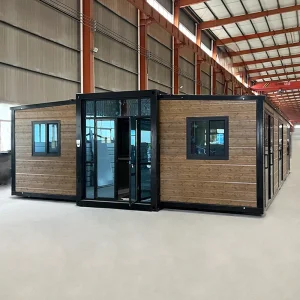
The core innovation of the Expandable Modular Unit is its mechanical articulation. Standard models use a system of heavy-duty hinges, guide tracks, and winch or hydraulic systems to unfold side rooms, transforming a 20ft flatpack container into a multi-bedroom villa in less than 30 minutes.
To maintain structural rigidity during shipping, unfolding, and decades of use, we employ high-tensile steel alloys. Wall sections utilize composite panels that combine structural exterior metal skin with interior insulation boards, preventing thermal bridging and moisture collection.
| Engineering Metric | Standard Specifications | Premium Upgrades / Options |
|---|---|---|
| Main Frame Construction | Q235B / Q355B Steel, Hot-Dip Galvanized (Min 275g/m² coating thickness) | Enhanced structural coating for marine environment corrosion protection |
| Wall Core Insulation | 50/75mm EPS / Glasswool Panels (Density: 12-16 kg/m³) | Polyurethane (PU) or Rockwool panels (Class A fire rating, Density up to 100 kg/m³) |
| Roof Loading Limit | 0.8 kN/m² (Simulated snow loading capacity) | Reinforced beam options for up to 1.8 kN/m² snow weight |
| Wind Resistance Rating | Grade 10 Wind Scale (up to 102 km/h) | Structural reinforcements meeting Category 12 hurricane codes (up to 150 km/h) |
| Interior Electrical Standard | SABS / CE / UL Certifications, pre-wired conduit networks | AS/NZS 3000 compliant sub-boards and outlets |
| Seismic Resistance | Richter Scale Class 7 | Richter Scale Class 8 structural framing options |
Looking forward, our technology roadmap focuses on incorporating smart energy systems. We are designing roof structural frames with integrated photovoltaic solar panels and modular energy storage systems, aiming to make these expandable homes fully self-sustaining in remote off-grid locations.
How industries around the globe implement SES House modular designs to solve real-world space challenges.
The versatility of modular units allows them to serve diverse sectors, adapting to unique spatial and environmental requirements.
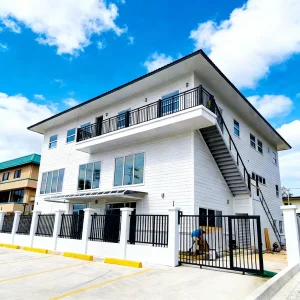
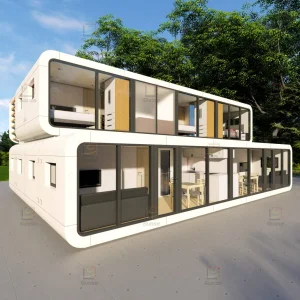
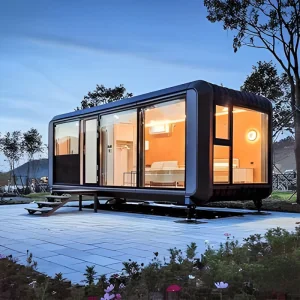
In locations like the Caribbean and remote Australian islands, traditional construction is often blocked by environmental regulations and lack of local labor. Our premium units, such as the Luxury Mobile Wooden Villa or the Apple Cabin, can be assembled quickly with minimal site impact. This allows resort operators to deploy guest accommodations fast, speeding up their path to revenue generation.
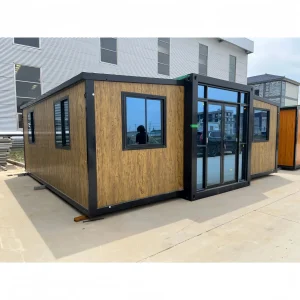
With housing costs rising in North America and Europe, homeowners are increasingly building ADUs for family use or rental income. Our 3-bedroom expandable modular home fits standard backyard layouts, providing modern, comfortable living space without the disruption of long traditional building timelines.
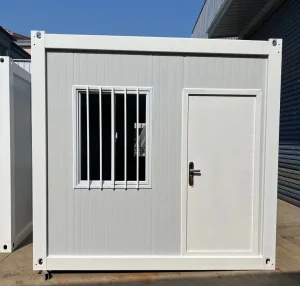
Mining companies, agricultural operations, and remote clinics require functional, durable spaces that can be set up immediately. Our flatpack and expandable container structures serve as offices, temporary housing, and medical hubs, and can be easily disassembled and moved to new locations as projects shift.
How we help clients navigate international building codes and permitting requirements.
Compliance is a key factor when purchasing modular buildings internationally. A primary concern for developers is whether a prefab structure manufactured in China will meet local building authority guidelines. At SES House, we address this during the design phase through our dedicated engineering support services.
We design and build in accordance with the International Building Code (IBC), Eurocodes, and AS/NZS standards. Our engineering team provides detailed structural calculations, foundation layout plans, and material certifications. Our pre-installed plumbing and electrical conduits conform to standards like CE, UL, and AS/NZS 3000, simplifying local inspections and utility connection sign-offs.
Detailed technical answers to common queries from architects, developers, and project managers.
Our expandable modular units fold flat for transport. Once positioned on-site, a light crane or forklift helps unfold the side roofs and walls, which then slide smoothly along pre-greased internal tracks. Support pillars are adjusted to level the floor, and the structural seams are bolted and sealed. Setting up a standard 20ft expandable unit typically takes a 3-person team less than an hour.
Using hot-dip galvanized steel frames with a zinc coating weight of 275g/m² protects our structures from rust and corrosion. In high-humidity coastal settings, our units have an expected lifespan of 25 to 30 years. Regular upkeep, such as checking external seals and paint, can extend this lifespan even further.
Yes. We offer complete OEM and ODM design services. Clients can customize internal layouts, room configurations, wall panel thicknesses, window types, flooring materials, and kitchen or sanitary fixtures. Our engineering team works with clients to adjust designs to meet localized load ratings and thermal parameters.
We use a multi-tiered sealing system to prevent water ingress. This includes EPDM rubber gaskets, overlapping steel flashing structures, and high-performance weather-resistant structural silicone sealants. The physical joints are also designed with internal drainage channels that redirect rainwater away from the seams.
Yes, our units are pre-wired and plumbed during factory assembly. Cables run through fire-retardant conduits inside the walls, ending in pre-cut boxes for outlets and switches. Hot and cold water plumbing lines are also pre-routed to designated fixtures, allowing for quick connection to local mains utility systems.
Extended product lines designed for specialized industrial storage, housing, and structural applications.
 SES House