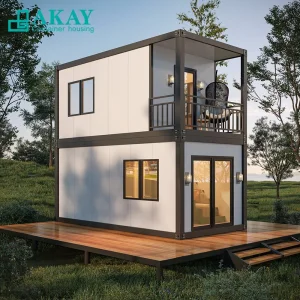
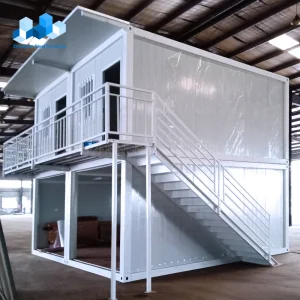
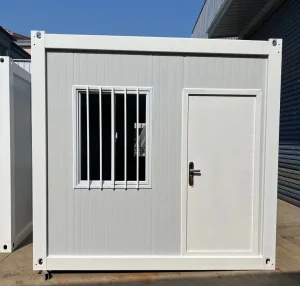
Rapid-deployment, structural steel modular units optimized for local climatic conditions, regulatory frameworks, and diverse construction applications.
The global construction industry is undergoing a structural paradigm shift towards off-site manufacturing (OSM) and modularization, driven by the imperatives of cost reduction, rapid project lifecycle velocity, and environmental sustainability. In Israel, this transformation is accelerated by unique domestic factors, including high land values, persistent skilled labor shortages, and an urgent requirement for rapid infrastructure and residential deployment.
Flat pack houses—pre-engineered modular units manufactured in factory-controlled settings and shipped in compact, knock-down configurations—have emerged as a pivotal technology to resolve the tension between high construction costs and the demand for fast, durable building systems. As a leading specialized manufacturer, Foshan SES House Co., Ltd. integrates advanced design, engineering, and manufacturing capabilities to deliver high-performance modular units customized for the specific environmental, logistics, and building code requirements of the Israeli market.
Israel's construction sector is characterized by rigorous engineering standards, strict zoning laws, and a diverse range of microclimates—from the humid Mediterranean coastline to the arid, high-temperature conditions of the Negev Desert. Consequently, any imported structural building solution must meet demanding mechanical and thermal criteria.
Situated along the Dead Sea Transform fault system, Israel enforces strict seismic design regulations under Israel Standard SI 413 (Design Provisions for Earthquake Resistance of Structures). Traditional masonry structures require significant structural mass to resist seismic energy. In contrast, flat pack houses manufactured by SES House utilize light-gauge high-tensile steel frames (typically Q235B or Q345B steel, hot-dip galvanized with zinc coatings up to 275 g/m²). This cold-formed steel chassis offers superior strength-to-weight ratios, allowing the modular frames to flex and absorb seismic energy without catastrophic structural failure. Furthermore, our systems are calculated to withstand wind pressures of up to 1.2 kN/m² (equivalent to 150 km/h wind speeds), making them fully compliant with coastal wind codes in Tel Aviv, Haifa, and Ashdod.
Energy conservation in buildings is regulated under SI 5281, Israel's green building standard, which has transitioned from voluntary to mandatory for major building categories. The high ambient temperatures of summer and cool winter nights in desert regions require structures with low thermal transmittance (U-values). SES House addresses this through customized wall envelope solutions:
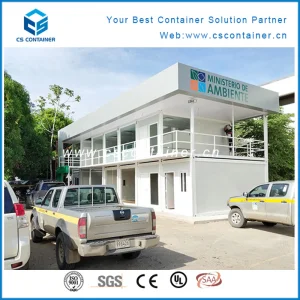
The versatility of the SES modular system allows it to serve multiple high-growth segments in Israel, providing immediate space solutions that bypass the long delays associated with traditional wet construction.
The global prefabricated building market is projected to reach over USD 150 billion by 2030, driven by urbanization and the demand for resource-efficient construction methods. In this landscape, the manufacturing ecosystem of Southern China—specifically the industrial cluster of Foshan—serves as the primary engine for high-quality, cost-competitive modular building exports.
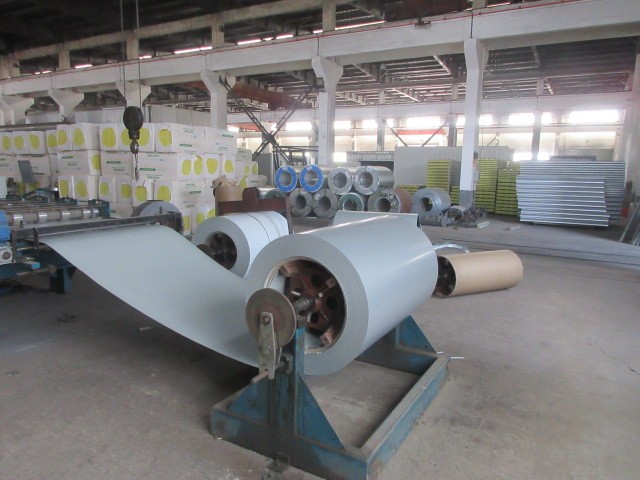
Foshan's advanced manufacturing infrastructure provides unmatched supply chain resilience. The geographic concentration of steel processing plants, sandwich panel manufacturers, extrusion facilities, and hardware suppliers allows Foshan SES House Co., Ltd. to source premium raw materials with strict quality controls while maintaining highly competitive pricing structures.
Transporting modular structures globally presents significant cost challenges if not managed efficiently. Flat pack houses are designed precisely to address this issue. A standard 20FT flat pack unit, when folded, has a height of only 640mm.
Four flat pack units are packed and coupled together to match the exact ISO dimensions of a single standard 20FT shipping container. This means they are shipped as a "SOC" (Shipper Owned Container), saving substantial ocean freight costs. Alternatively, up to 6-8 units can be loaded inside a single 40FT High Cube (HQ) shipping container.
Our logistics team coordinates seamless transit from Shenzhen or Nansha ports directly to Ashdod or Haifa ports, providing complete shipping manifest support, customs clearance documentation, and inland transit coordination to project sites across Israel.
| Structural Component | Standard Specification | Performance / Compliance Standard | |
|---|---|---|---|
| Main Frame Structure | Q345B Cold-Rolled Galvanized Steel (2.5mm - 4.0mm profile thickness) | ISO 9001 / GB/T 700 / ASTM A36 | Resists 12-grade wind load and seismic Zone 4 force. |
| Wall Insulation | 75mm High-Density Rockwool (A1 fire rating) or PU Panel | EN 13501-1 Class A1 / BS 476 | Thermal conductivity ≤ 0.038 W/m·K. |
| Roof Panel Structure | 0.5mm Color Steel Sheet + 75mm Glasswool + Steel Purling Grid | Waterproof rating Class 1, load up to 1.5 kN/m² | Features internal integrated downspouts in 4 corner columns. |
| Floor System | 18mm Fiber Cement Board + 1.8mm Homogeneous PVC floor cover | EN 13501 Fire Resistance / ASTM Floor Load specs | Water-resistant, load capacity ≥ 2.5 kN/m². |
| Window & Door | Aluminum Alloy / PVC sliding double glass (5mm+9A+5mm) | SI 1068 (Israeli Glazing Standard) | Acoustic isolation up to 32 dB. |
The next decade of modular building in Israel will be defined by integration of smart energy systems, zero-carbon footprints, and circular materials. As an exporter committed to innovation, SES House is actively pursuing research in three core technological directions:
With over 300 sunny days per year, Israel is a prime market for solar power. We are developing building-integrated photovoltaics (BIPV) for our flat pack roof systems, enabling modular units to act as localized micro-grids. By integrating lightweight flexible monocrystalline silicon panels onto the top roof sheeting, these homes can generate sufficient electricity for LED lighting, HVAC operations, and water filtration.
In dense urban environments like Central Tel Aviv or near major transport corridors, acoustic comfort is vital. SES is introducing multilayer composite floor panels utilizing acoustic rubber dampeners and calcium silicate board combinations to reduce impact sound transmission (Ln,w) to below 50 dB, ensuring quiet indoor living and work environments.
Our goal is to reach 95% recyclable structural mass in our products. This includes transitioning from traditional paint applications to low-VOC electrostatic powder coating, utilizing eco-friendly rockwool binders, and ensuring all structural steel components can be melted and reused at the end of the building's lifecycle.
Foshan SES House Co., Ltd. is a leading Modular House Manufacturer | Prefabricated Homes, Container Houses & Steel Structure Buildings dedicated to providing innovative, efficient, and sustainable building solutions for clients worldwide. With extensive experience in prefabricated construction, the company serves residential, commercial, industrial, educational, healthcare, and infrastructure sectors through high-quality modular building systems.
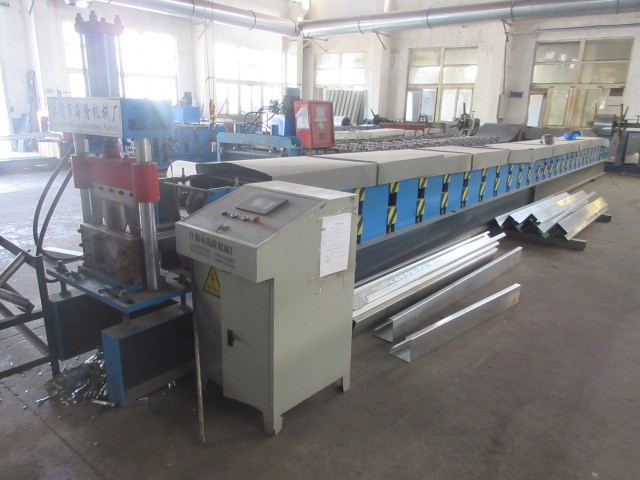
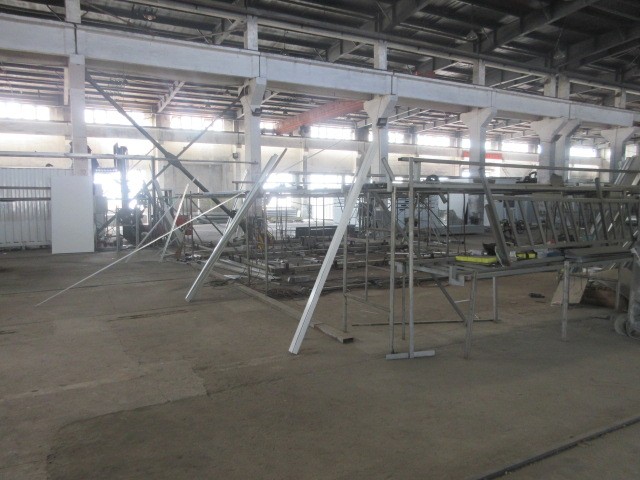
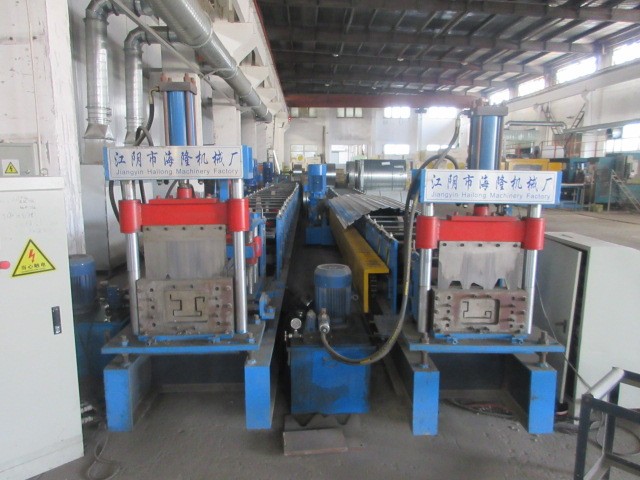
Located in Foshan, China, SES House operates advanced manufacturing facilities equipped with modern production technologies and strict quality management systems. The company specializes in the design, engineering, manufacturing, and installation of a wide range of modular structures, including prefabricated homes, container houses, steel structure buildings, modular villas, portable houses, worker camps, modular offices, educational facilities, healthcare buildings, and customized commercial projects.
SES House offers comprehensive OEM, ODM, and project-based solutions tailored to the specific requirements of developers, contractors, government agencies, and private enterprises. From architectural planning and structural design to manufacturing, transportation, and on-site assembly support, the company delivers complete turnkey modular construction services. Every project is engineered to achieve durability, safety, energy efficiency, and rapid deployment.
Quality and innovation are at the core of the company's operations. By utilizing premium steel structures, environmentally friendly materials, and precision manufacturing processes, SES House ensures reliable building performance while reducing construction time and labor costs compared to traditional construction methods.
The company has successfully supplied modular building solutions to customers across North America, Europe, Australia, Southeast Asia, Africa, and the Middle East. Supported by professional project management, competitive pricing, flexible customization capabilities, and responsive customer service, SES House continues to build long-term partnerships with clients around the globe.
Foshan SES House Co., Ltd. remains committed to advancing modern construction through smart modular technologies, sustainable development practices, and high-quality prefabricated building solutions that meet the evolving needs of global markets.
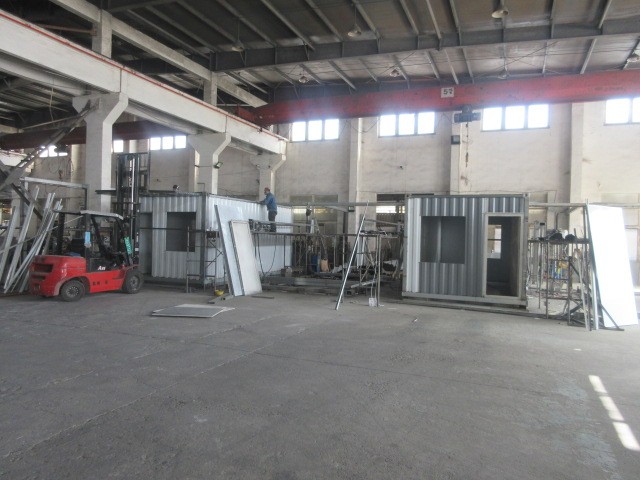
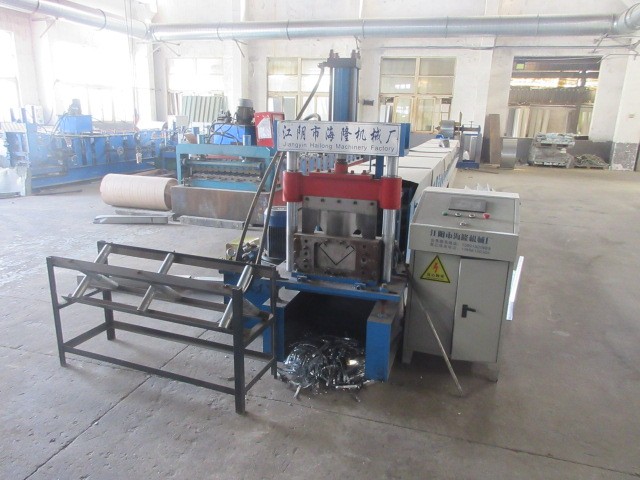
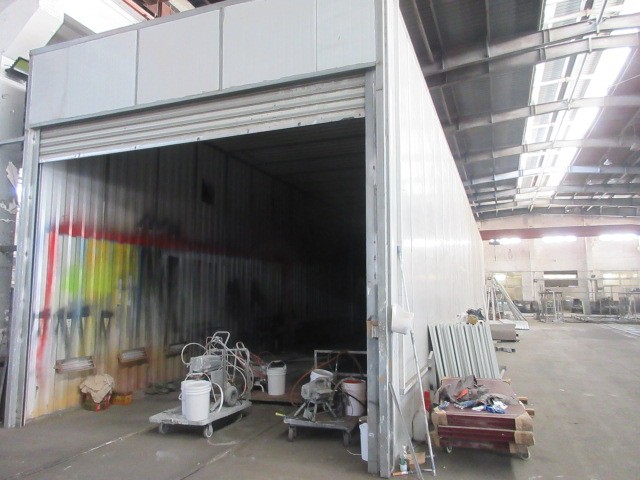
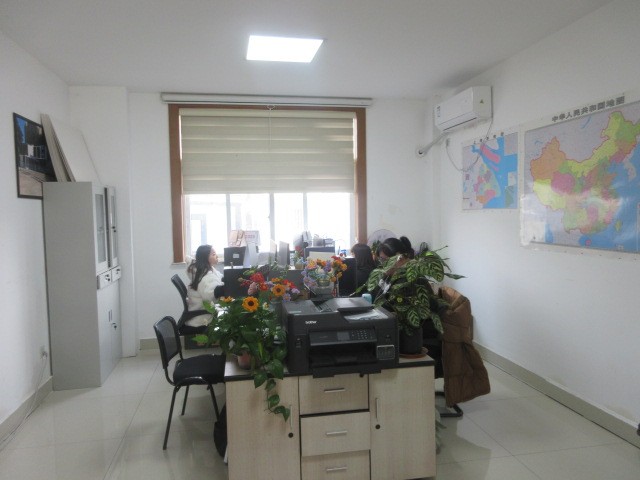
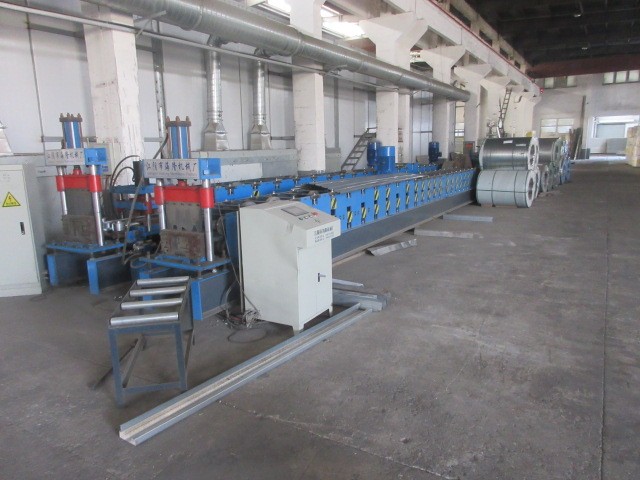
A diverse array of customizable, structural-grade container and modular housing systems designed for commercial and residential applications.
Essential insights regarding construction codes, logistics, engineering specifications, and structural longevity for Israel project developers.
 SES House