Rapid deployment structures featuring superior seismic resistance, advanced thermal engineering, and compliance with local building codes.
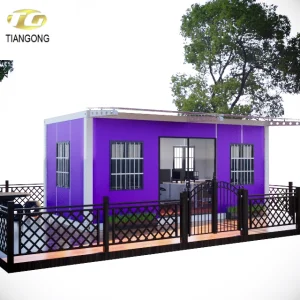
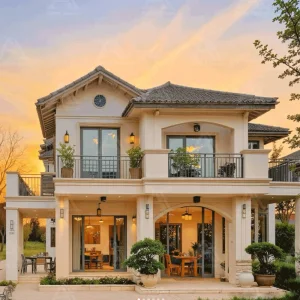
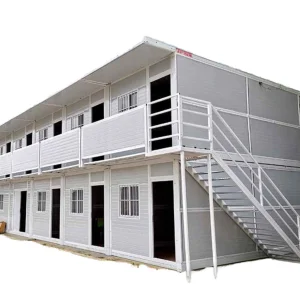
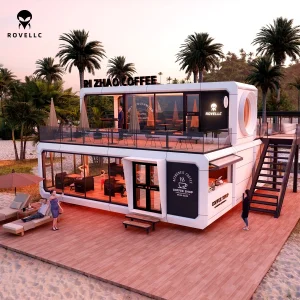
The Seoul Metropolitan Area, home to over 25 million people, represents one of the most hyper-dense urban environments globally. As land valuations continue to escalate and the municipal government pushes for carbon neutrality by 2050 under the "Seoul Smart City Masterplan," traditional on-site construction is facing unprecedented roadblocks. Strict noise control ordinances, localized dust limitations, and severe labor shortages have forced forward-thinking real estate developers, commercial operators, and municipal planners to pivot toward off-site prefabrication and modular construction methods.
By shifting up to 90% of the building processes to our precision-controlled factory environment in Foshan, South Korean projects can circumvent local urban disruption. This structural paradigm shift allows for concurrent site preparation and structural module fabrication, resulting in project delivery timelines that are 35% to 50% faster than traditional concrete frameworks.
Globally, modular construction is no longer treated as a temporary housing fallback; it is a primary procurement methodology for multi-family residential, premium commercial, and heavy-duty industrial developments. North American, European, and East Asian markets are seeing explosive adoption rates. In South Korea, the Ministry of Land, Infrastructure and Transport (MOLIT) has actively revised policies to incentivize modular housing for public residential plans and transit-oriented commercial structures.
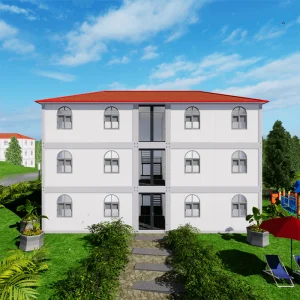
Targeting single-person households, student accommodation hubs, and co-living spaces in high-density districts such as Mapo-gu, Gwanak-gu, and Seodaemun-gu.
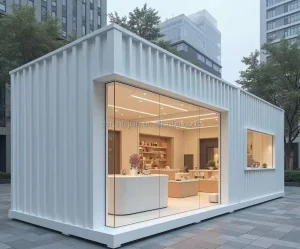
Pop-up retail shops, creative cafes, and tech showrooms in bustling districts like Seongsu-dong, Hongdae, and Gangnam where lease agility is highly valued.
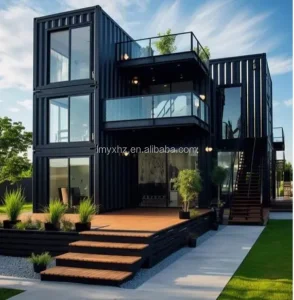
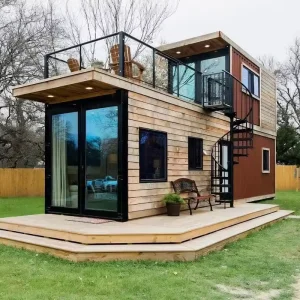
High-end leisure projects in surrounding areas like Gapyeong, Yangpyeong, and Incheon, offering rapid-installation luxury retreats with zero local ecology damage.
Foshan SES House Co., Ltd. sits at the heart of China’s most advanced architectural manufacturing cluster. Our strategic positioning allows direct access to premier steel mills, cutting-edge insulation fabricators, and high-performance glazing suppliers. This structural ecosystem enables us to achieve cost and engineering efficiencies that are impossible in localized Korean fabrication yards.
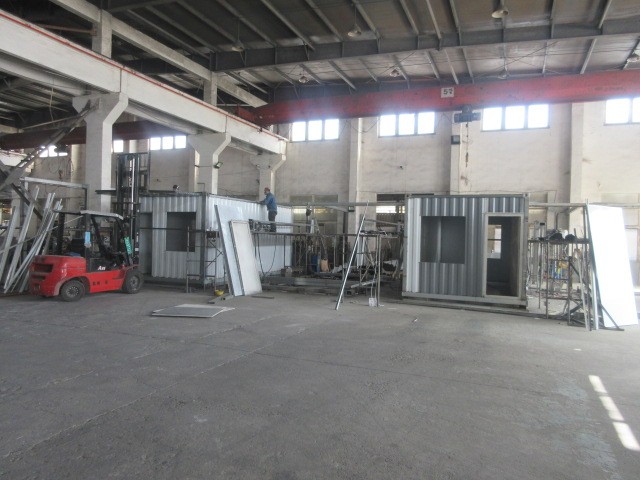
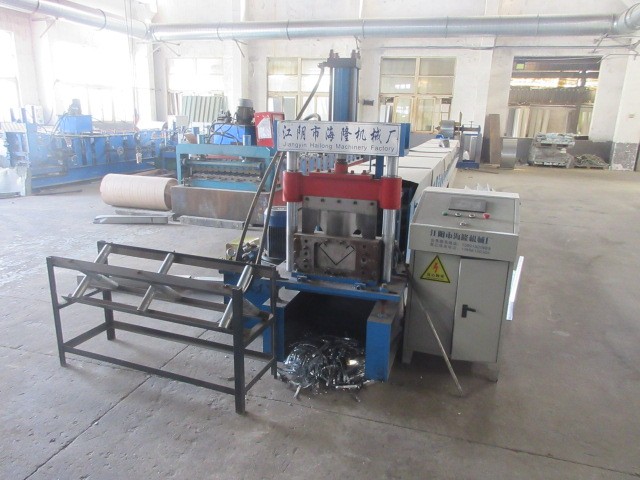
Our manufacturing workflow features advanced automated robotic welding, computerized plasma cutting, and standardized hot-dip galvanization processes. This level of quality control ensures dimensional tolerances are held within +/- 1mm, which is critical for stackable, multi-story modular systems. Once manufactured, our products are loaded directly onto maritime containers and dispatched through Guangzhou/Shenzhen ports to Incheon and Busan Ports within 3-5 transit days, guaranteeing just-in-time delivery directly to urban construction sites.
Foshan SES House Co., Ltd. is a leading Modular House Manufacturer specializing in Prefabricated Homes, Container Houses & Steel Structure Buildings. We provide innovative, efficient, and sustainable building solutions for clients worldwide.
With a modern factory floor, SES House specializes in the design, engineering, manufacturing, and installation of a wide range of modular structures. Our systems include prefabricated homes, modular villas, portable houses, worker camps, offices, educational facilities, healthcare buildings, and customized commercial projects.
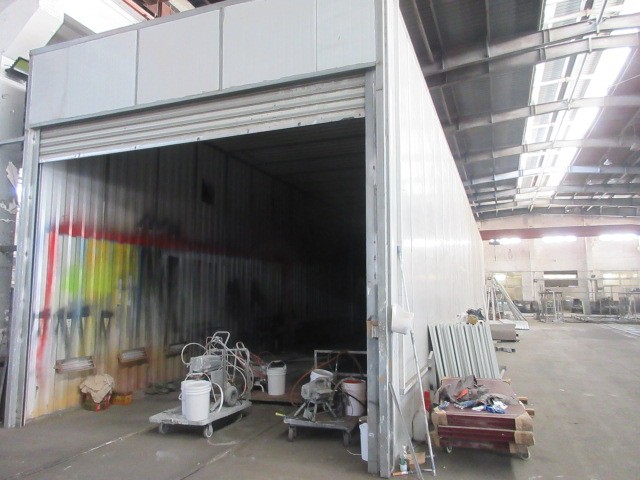
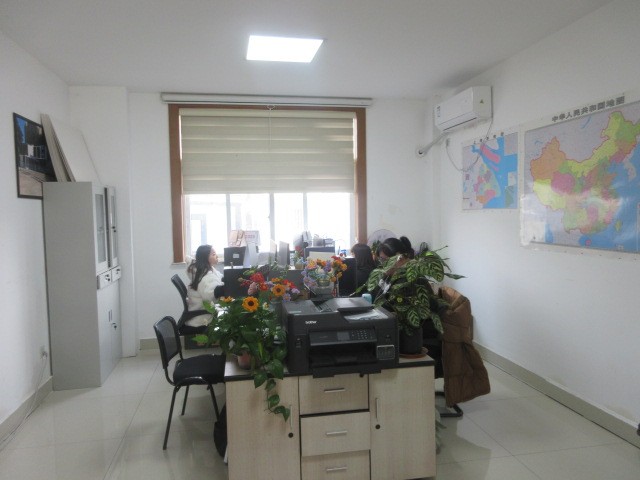
Get Direct Factory PricingA visual breakdown of our structural steel fabrication, module assembly line, and successful architectural installations worldwide.
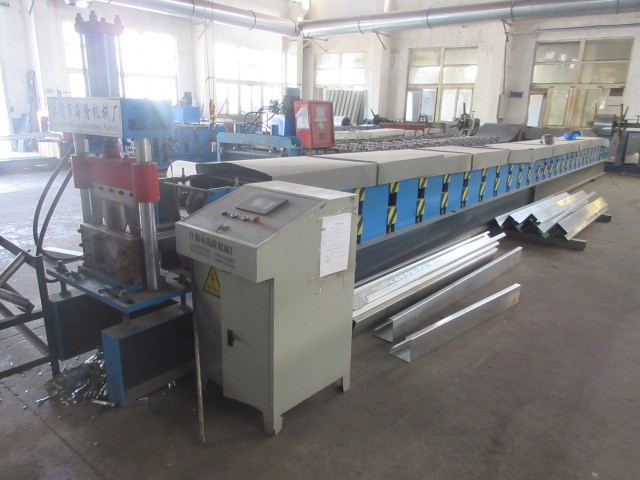
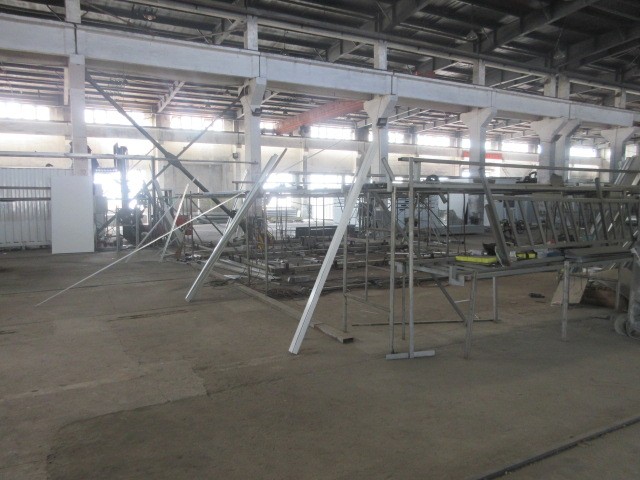
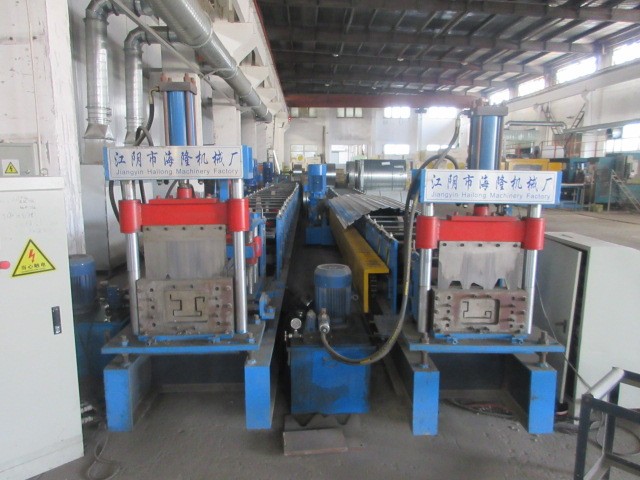
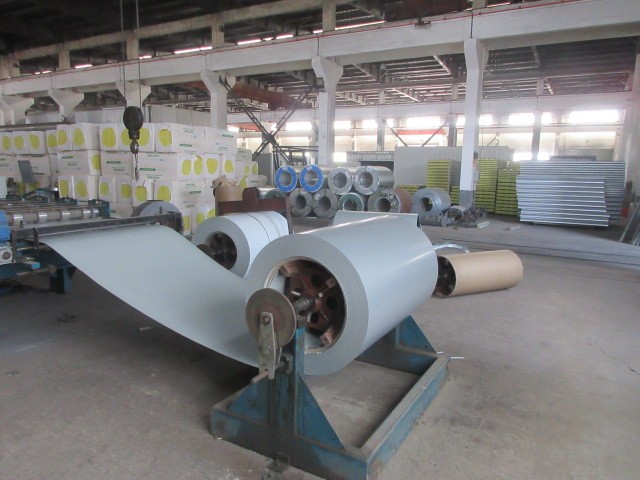
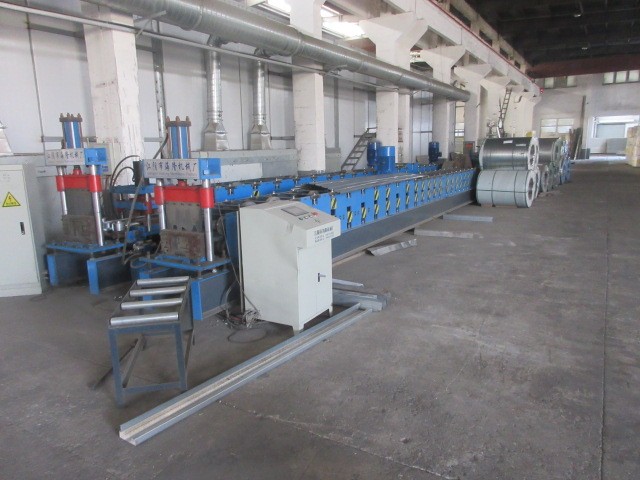
Exporting structural building systems to South Korea requires strict adherence to local building laws. Every unit designed and shipped by SES House for the Seoul market is engineered to satisfy the rigorous requirements of the Korean Building Code (KBC) and structural safety standard certification processes.
Our structural engineers design core steel frames capable of satisfying Korea’s Seismic Design Category D requirements. Standard designs are structurally qualified to withstand wind speeds of up to 45 m/s, matching local weather conditions in coastal and metropolitan regions alike.
Seoul’s cold winters and hot, humid summers require premium insulation. We utilize high-density polyurethane (PU) structural insulated panels (SIPs) or premium rockwool cores that meet local thermal transmittance (U-value) guidelines for central, coastal, and southern Korean zones.
Furthermore, our materials are aligned with local Korean fire prevention safety laws. Using class-A non-combustible gypsum boards and heavy-duty steel structure coatings, our designs can provide up to 2 hours of structural fire resistance, matching multi-family residential zoning requirements.
Browse our complete catalog of container components, demountable high-rise framing, and premium structural capsule units.
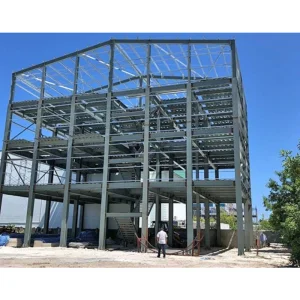
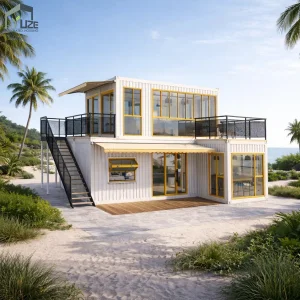
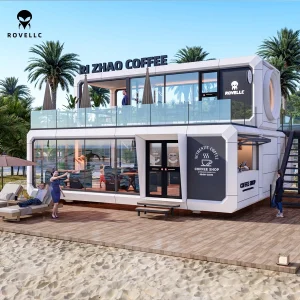
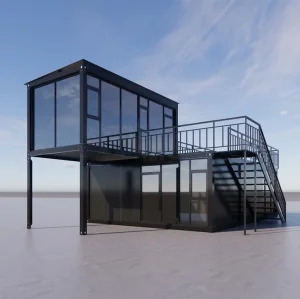
As construction technologies evolve, SES House is incorporating advanced automation and intelligence systems into our modular frameworks. Our technical development path prioritizes three main pillars:
Utilizing Building Information Modeling (BIM) from planning to delivery, ensuring seamless collaboration between architectural structural layouts, mechanical components, and site development works.
Focusing on sustainable sourcing, low-VOC interior paints, energy-efficient triple glazing, and recyclable steel components that help secure green certifications like Korea's G-SEED.
Pre-wiring modules for IoT configurations, embedded digital interfaces, automated heating controls, and dynamic energy-management setups optimized for Seoul's technological context.
Technical guidance and logistics answers for commercial real estate developers, contractors, and hospitality companies.
Yes. Every building designed for the Korean market undergoes rigorous finite element structural analysis. We design utilizing high-ductility structural steel frames capable of satisfying the Korean Building Code (KBC) seismic standards, ensuring safety during earthquake events.
We use high-performance PIR/Polyurethane or structural rockwool sandwich panels. Combined with thermal break double/triple-glazed windows and insulated joints, our modules prevent thermal bridging, limit energy usage, and eliminate condensation during freezing winters.
Once fabrication, testing, and factory pre-assembly are finalized, our modules are packed and loaded. Transit from nearby Nansha or Shenzhen ports directly to Incheon or Busan Port takes 3 to 5 days, enabling rapid and predictable logistics planning.
Absolutely. Our modular structures utilize heavy-gauge, hot-rolled steel frame columns capable of bearing high vertical loads, making them ideal for multi-story apartment buildings, schools, and hotel applications up to 10 floors.
We execute rigorous pre-assembly testing at our factory. Every modular block undergoes quality verification checks, covering structural alignment, waterproofing tests, electrical connectivity diagnostics, and finishing quality, before being securely packed for international freight.
Get in touch with our design and engineering team to receive customized floor plans, structural compliance assistance, and direct factory pricing for the Seoul market.
Send Inquiry Now SES House