Explore our high-demand structural modules, precision-engineered to meet structural and regulatory requirements in Victoria. Designed for rapid deployment across Melbournian commercial, educational, and medical hubs.
The Greater Melbourne area, spanning from the bustling logistics hubs of Dandenong and Truganina to the dense commercial zones of Port Melbourne and the CBD, is undergoing a paradigm shift. Rising material costs, persistent shortages of skilled wet trades (carpenters, bricklayers, and concreters), and aggressive state infrastructure developments have created a challenging economic environment for traditional build methods.
In response, tier-1 developers, municipal authorities, and corporate industrial operators are transitioning to off-site prefabrication and modular steel construction. Off-site fabrication under climate-controlled conditions addresses the delays typical of Victoria's unpredictable weather patterns, commonly known as "four seasons in one day." By shifting 80% of structural fabrication to a controlled factory floor, project lead times are slashed by up to 50%, with significantly reduced site disruption and waste generation.
Importing and installing modular assets in Melbourne requires absolute compliance with local building codes. Non-compliant structures risk massive financial penalties, stopped works, and insurance invalidation. As an established global exporter, our engineering processes are strictly mapped to the Australian National Construction Code (NCC 2022) requirements:
Structural integrity verified for cold-formed and hot-rolled structural steel members to withstand Victorian load conditions.
Engineering calculated for region A (Melbourne metro) and region B (coastal Victoria) to resist severe wind gusts.
Providing high-thermal efficiency wall panels, double-glazed fenestration, and thermal break systems to meet Melbourne's Zone 6 climate requirements.
Furthermore, our designs facilitate compliance with Victorian water authorities, local municipal council planning schemes, and Energy Safe Victoria (ESV) certifications for electrical sub-assemblies. All structural designs can be provided with Form 15/Form 16 equivalents or fully certified structural calculations ready for sign-off by a registered Victorian building practitioner (RBP).
Why source modular assets from our manufacturing base in Foshan, China? Foshan is globally recognized as the epicenter of structural steel fabrication, architectural metals, and interior finish manufacturing. This raw material proximity allows us to deliver high-specification industrial modular systems at a fraction of domestic Australian assembly costs, without compromising on materials or finishing quality.
Through robust maritime freight routes running from Nansha/Shenzhen ports directly to the Port of Melbourne, we ensure a reliable logistics pipeline. The cost benefits remain substantial even after accounting for international shipping tariffs, local port handling, and domestic heavy haulage to your site location.
Foshan SES House Co., Ltd. is a leading Modular House Manufacturer | Prefabricated Homes, Container Houses & Steel Structure Buildings dedicated to providing innovative, efficient, and sustainable building solutions for clients worldwide. With extensive experience in prefabricated construction, the company serves residential, commercial, industrial, educational, healthcare, and infrastructure sectors through high-quality modular building systems.
Located in Foshan, China, SES House operates advanced manufacturing facilities equipped with modern production technologies and strict quality management systems. The company specializes in the design, engineering, manufacturing, and installation of a wide range of modular structures, including prefabricated homes, container houses, steel structure buildings, modular villas, portable houses, worker camps, modular offices, educational facilities, healthcare buildings, and customized commercial projects.
SES House offers comprehensive OEM, ODM, and project-based solutions tailored to the specific requirements of developers, contractors, government agencies, and private enterprises. From architectural planning and structural design to manufacturing, transportation, and on-site assembly support, the company delivers complete turnkey modular construction services. Every project is engineered to achieve durability, safety, energy efficiency, and rapid deployment.
Quality and innovation are at the core of the company's operations. By utilizing premium steel structures, environmentally friendly materials, and precision manufacturing processes, SES House ensures reliable building performance while reducing construction time and labor costs compared to traditional construction methods.
The company has successfully supplied modular building solutions to customers across North America, Europe, Australia, Southeast Asia, Africa, and the Middle East. Supported by professional project management, competitive pricing, flexible customization capabilities, and responsive customer service, SES House continues to build long-term partnerships with clients around the globe.
Foshan SES House Co., Ltd. remains committed to advancing modern construction through smart modular technologies, sustainable development practices, and high-quality prefabricated building solutions that meet the evolving needs of global markets.
Contact our structural engineering team today to receive a detailed cost breakdown and compliance assessment.
Send Inquiry Now
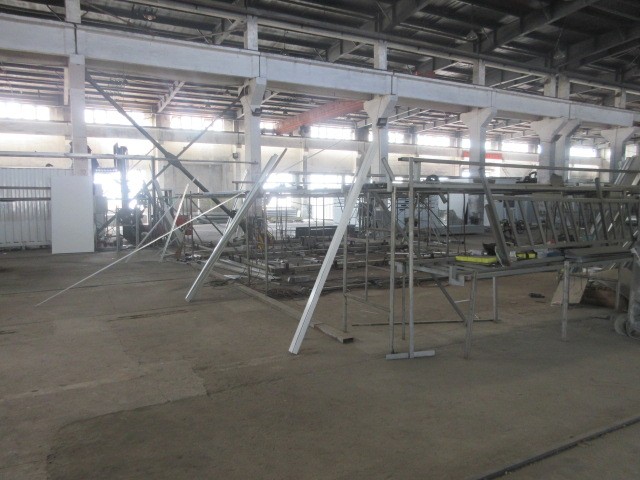
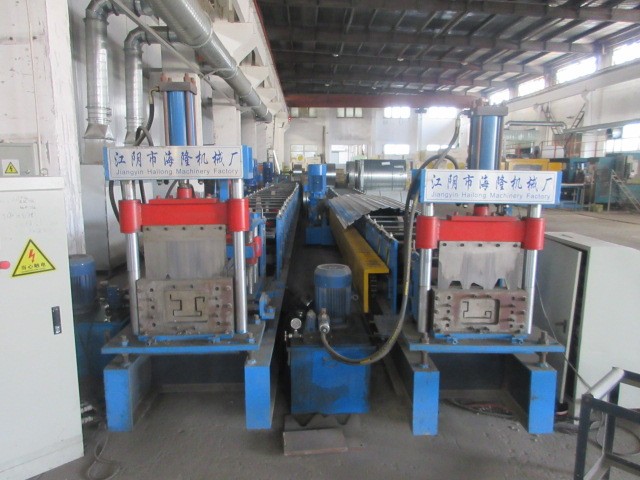
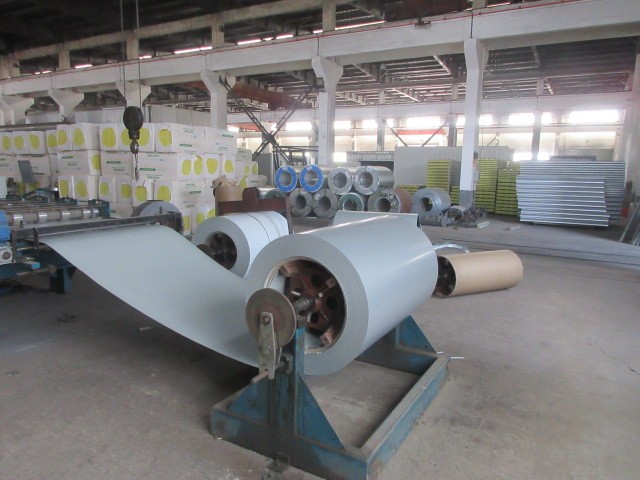
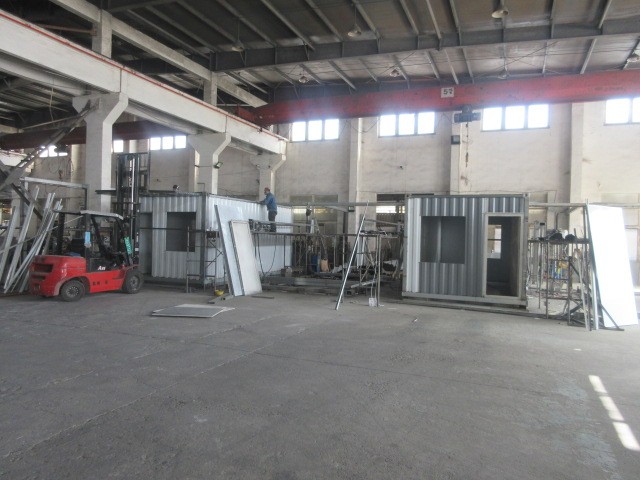
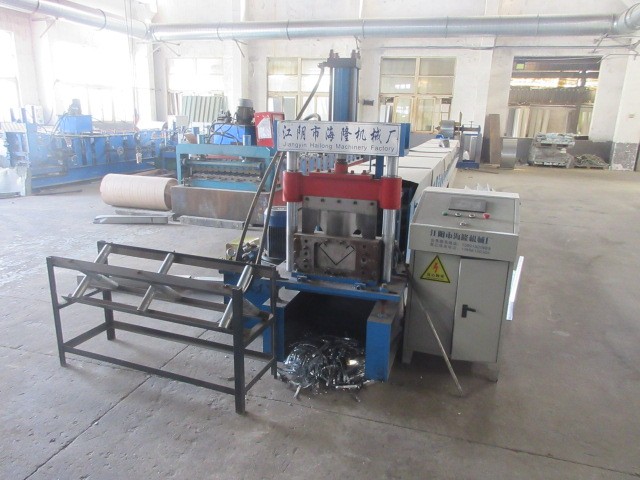
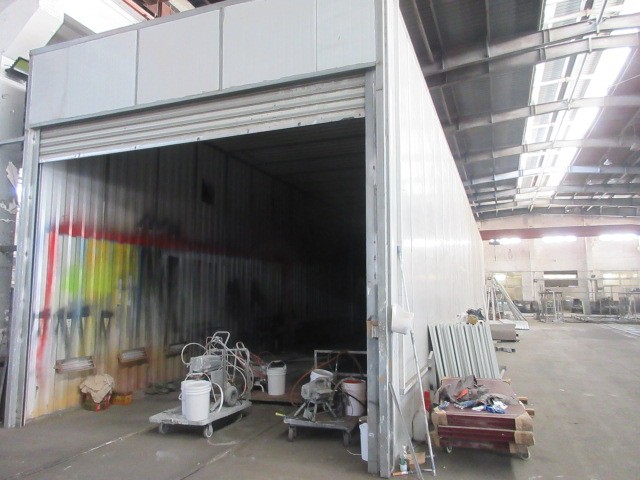
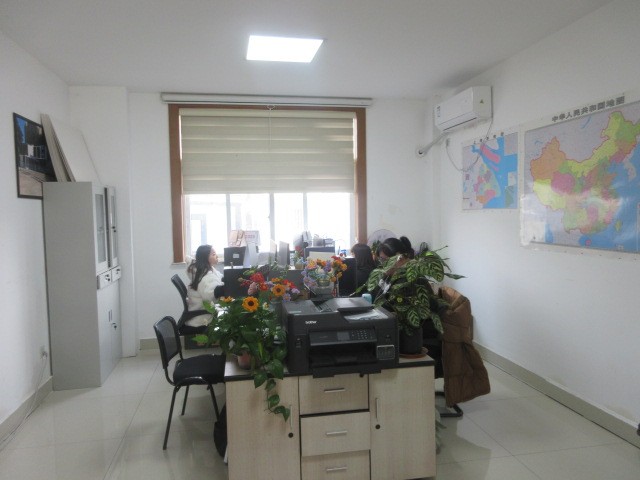
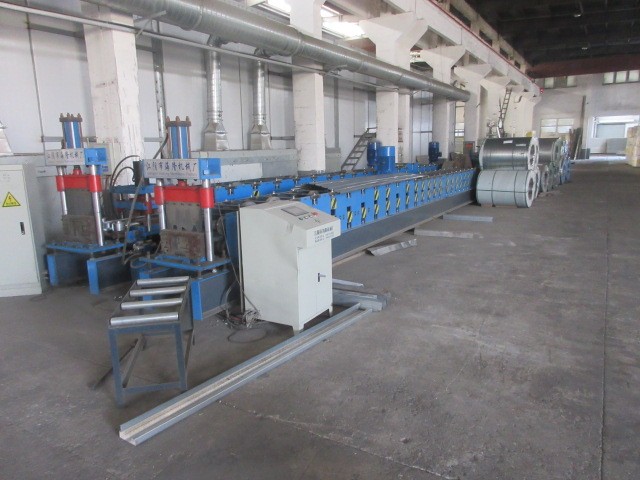
Modular construction is highly versatile and suited for various local application scenarios across Victoria:
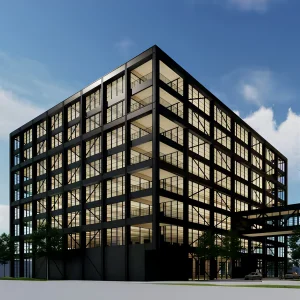
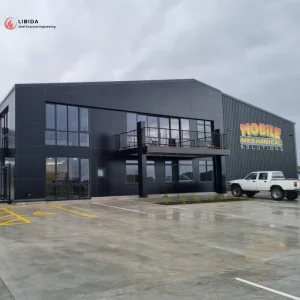
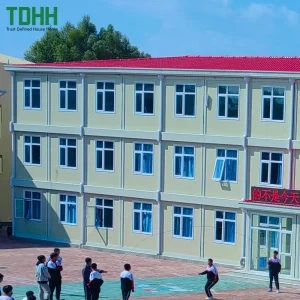
Heavy-duty, stackable modular office configurations ideal for long-term transport infrastructure developments in the Melbourne CBD and metropolitan rail link corridors.
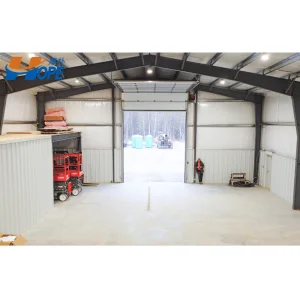
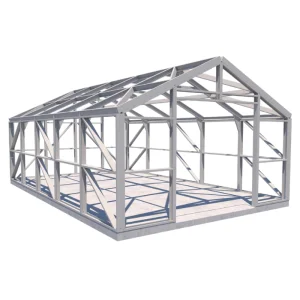
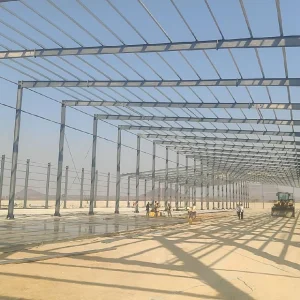
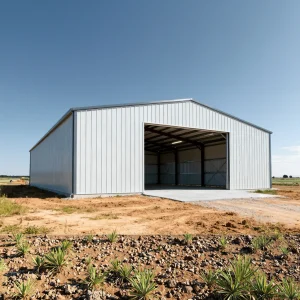
Wind-resistant, high-span steel portal frame designs customized for transport, logistics, and bulk goods storage in Outer Western and South-Eastern Melbourne suburbs.
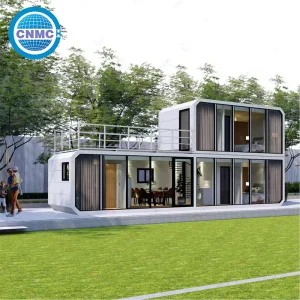
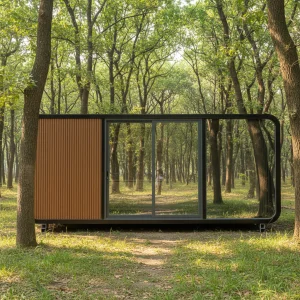
Highly aesthetic, double-glazed mobile "Apple Cabins" and pop-up cafe structures suitable for the Yarra Valley, Mornington Peninsula, and Great Ocean Road tourist spots.
The global construction industry is shifting from traditional, labor-heavy site practices to digital, automated, and precision-manufactured methods. Modular technology sits at the center of this transformation:
Yes. All modular buildings destined for Victoria are engineered specifically to comply with the NCC 2022, including structural steel codes, wind loading parameters (AS/NZS 1170.2), and energy efficiency mandates (Section J).
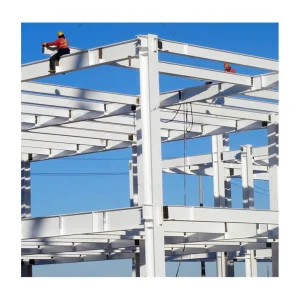
Our structural steel frameworks utilize bolted connections and heavy-gauge members calculated to resist Region A/B wind classifications and local seismic conditions, utilizing design modeling software to verify stability under high lateral and vertical loads.
Yes, scalability and mobility are key benefits. Our container cabins and modular offices feature crane lifting points and ISO corner castings, allowing them to be loaded onto semi-trailers and relocated to new sites.
Standard custom configurations take between 30 to 45 days for manufacturing. Shipping from Shenzhen or Nansha to the Port of Melbourne generally requires an additional 18 to 25 days depending on shipping schedules.
We offer flexible configuration options. We can pre-install wiring, conduit, and outlets to meet client-specified layouts, allowing local licensed Australian contractors to perform final terminations, testing, and certification on-site.
Melbourne is located in Climate Zone 6. We supply rockwool, polyurethane (PU), or PIR sandwich panels with custom thicknesses (typically 75mm to 150mm) alongside double-glazed, argon-filled windows to meet or exceed thermal R-value requirements.
They typically utilize cast-in-situ concrete pads or bored piers with embedded steel anchor bolts. For temporary or soft ground conditions, screw piles are also commonly used. Structural connection drawings are provided for your local foundation contractor.
We apply heavy-duty hot-dip galvanization (minimum coating mass of 275 g/m²) and multi-layer epoxy primer coatings to ensure long-term resistance to rust, atmospheric salt spray, and moisture.
Yes. We specialize in project-based OEM/ODM manufacturing. Our engineering team converts your drawings or 3D models into precise production plans, adjusting dimensions, layouts, and materials to match your project specifications.
We provide detailed architectural drawings, structural calculation packets, steel material mill test reports, and component specifications to support your local building surveyor or certifier's review process.
Select from our range of structural frames, insulated modules, and portable retail pods. Use the links below to access full specifications, load limits, and engineering drawing packages.
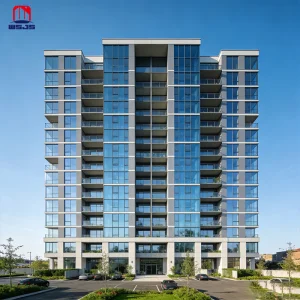
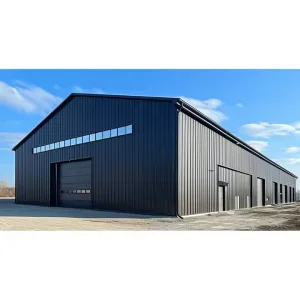
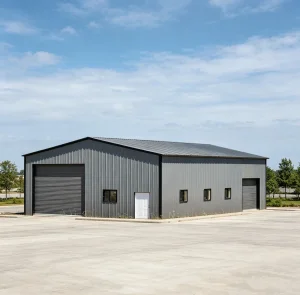
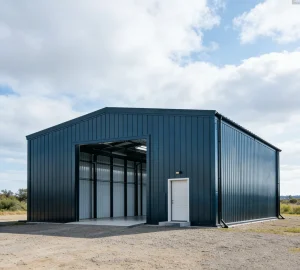
For architectural plans, custom structural spans, material safety data sheets (MSDS), wind ratings, or localized energy compliance paperwork.
Send Inquiry Now SES House