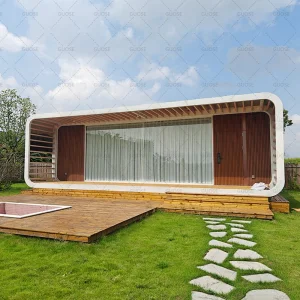
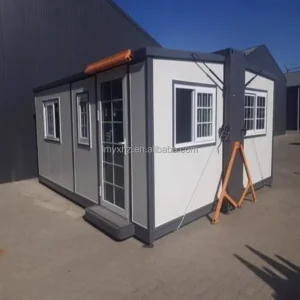
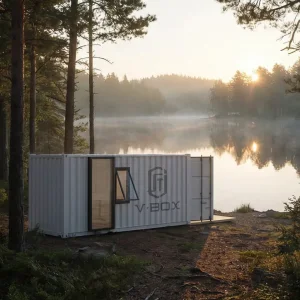
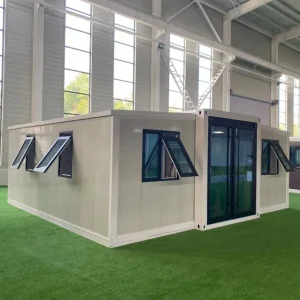
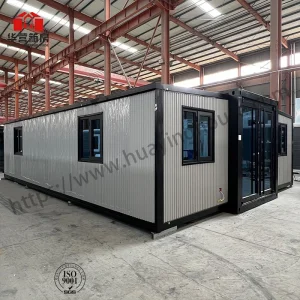
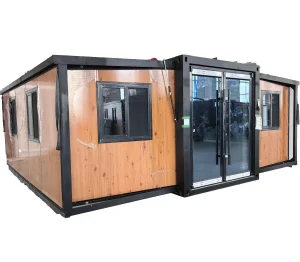
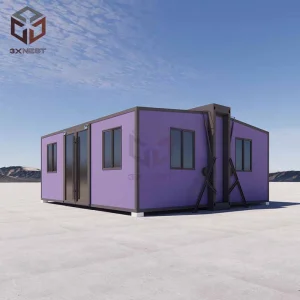
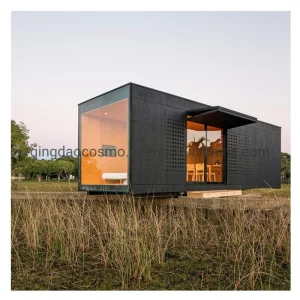
Premium prefabricated housing designs customized to meet the challenging coastal and high-altitude climates of Eritrea.
Eritrea, situated strategically along the Horn of Africa, presents a highly specialized landscape for infrastructural development. The capital city, Asmara—famed for its modernist architectural heritage—along with the scorching coastal economic zones of Massawa and Assab, demand building methods that balance environmental adaptability with rapid deployment. Traditional brick-and-mortar building in Eritrea faces significant bottlenecks, including high material import duties, specialized masonry shortages, and seismic safety requirements due to East African Rift vulnerabilities.
In response to these localized pain points, prefabricated tiny houses and modular steel structure cabins have emerged as an optimal paradigm. These structures utilize high-tensile, hot-dip galvanized steel frames to resist the corrosive maritime atmosphere of the Red Sea coast. Furthermore, with the country’s focus on developmental mining (gold, copper, and potash extraction), remote administrative centers, and eco-tourism initiatives, structural mobility has shifted from a novel feature to a fundamental commercial requirement.
Temperature variations in Eritrea can range from the sub-cool highlands of Asmara (2,325m elevation) to the intense 45°C heat waves of the lowlands. Modular homes manufactured by Foshan SES House Co., Ltd. tackle these environmental dynamics by integrating high-density polyurethane (PU) or fireproof rock wool sandwich panels. This composite engineering maintains thermal stability inside the modules, cutting HVAC power draw by up to 40%—a critical efficiency metric given the high cost of off-grid electricity production in remote mining and agricultural outposts across Eritrea.
On a global scale, the tiny house market is undergoing a structural transition from wood-framed luxury glamping units to hyper-engineered, steel-frame multi-functional modules. While Western manufacturers focus largely on customized, high-overhead designs, Chinese suppliers offer industrial scale, speed, and precision. Foshan SES House Co., Ltd. leads this space by integrating full-cycle services: from architectural layout to marine logistics.
Located in the heart of China's prefabricated building capital, Foshan, SES House operates advanced manufacturing facilities equipped with modern production technologies and strict quality management systems. The company specializes in the design, engineering, manufacturing, and installation of a wide range of modular structures, including prefabricated homes, container houses, steel structure buildings, modular villas, portable houses, worker camps, modular offices, educational facilities, healthcare buildings, and customized commercial projects.
SES House offers comprehensive OEM, ODM, and project-based solutions tailored to the specific requirements of developers, contractors, government agencies, and private enterprises. From architectural planning and structural design to manufacturing, transportation, and on-site assembly support, the company delivers complete turnkey modular construction services. Every project is engineered to achieve durability, safety, energy efficiency, and rapid deployment.
Deploying targeted prefab structures to meet the specific requirements of Eritrea's primary growth sectors.
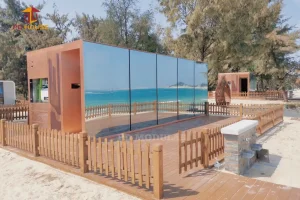
The Dahlak Archipelago and the pristine coastal stretches near Massawa hold significant potential for low-impact luxury eco-tourism. Using mirror-glass tiny houses creates premium accommodation with minimal footprint, protecting the sensitive desert-marine ecosystem.
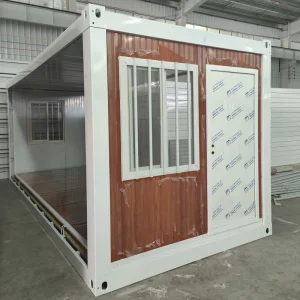
Eritrea's mining sector relies on remote installations. Setting up modular living shelters, dining halls, and site offices using flat-pack and expandable container houses ensures safe, clean accommodation for geological and engineering crews within days.
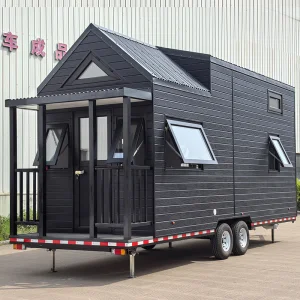
As cities like Keren and Mendefera grow, expanding standard utility connections can be slow. Modular, solar-ready tiny houses provide immediate housing relief for administrative staff, healthcare workers, and educators deployed to regional centers.
Explore our highly-regarded architectural modules, built to international structural, thermal, and electrical standards.
At our state-of-the-art facility in Foshan, China, quality assurance and innovation drive every phase of the manufacturing process. Quality and innovation are at the core of our operations. By utilizing premium steel structures, environmentally friendly materials, and precision manufacturing processes, SES House ensures reliable building performance while reducing construction time and labor costs compared to traditional construction methods.
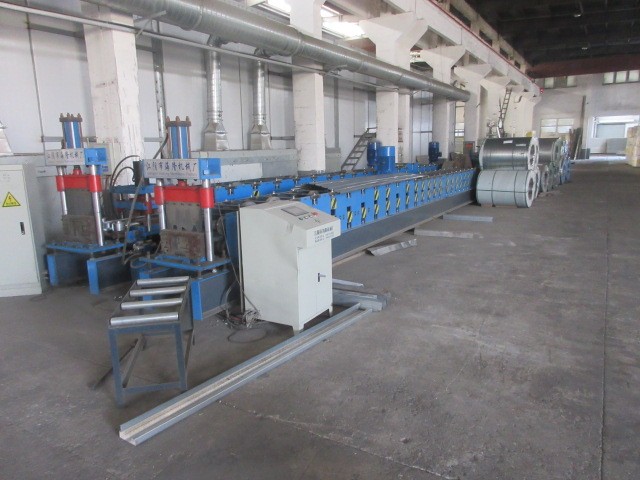
Our manufacturing floors utilize high-precision automated laser cutters, structural metal bending complexes, and eco-friendly hot-dip galvanizing lines. This robust setup allows us to export directly to ports across the globe, ensuring each unit complies with rigorous international building codes (IBC), AS/NZS structures, and CE safety protocols.
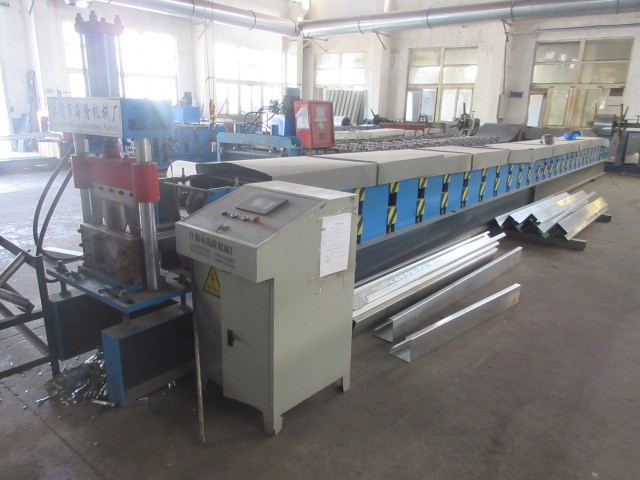
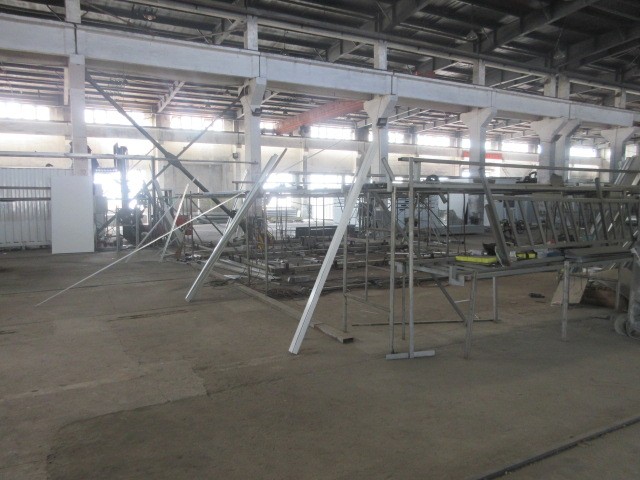
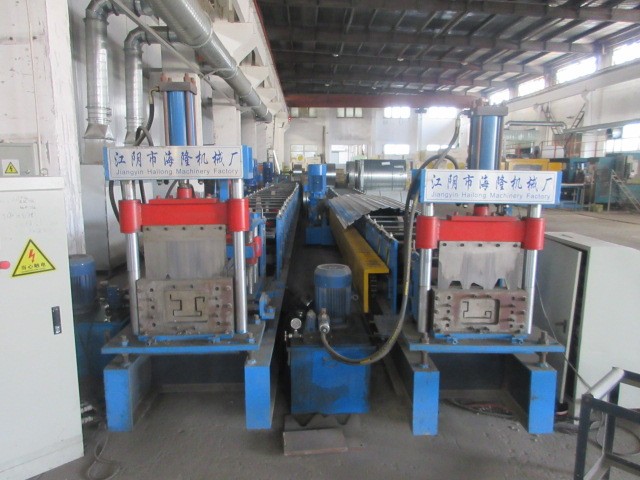
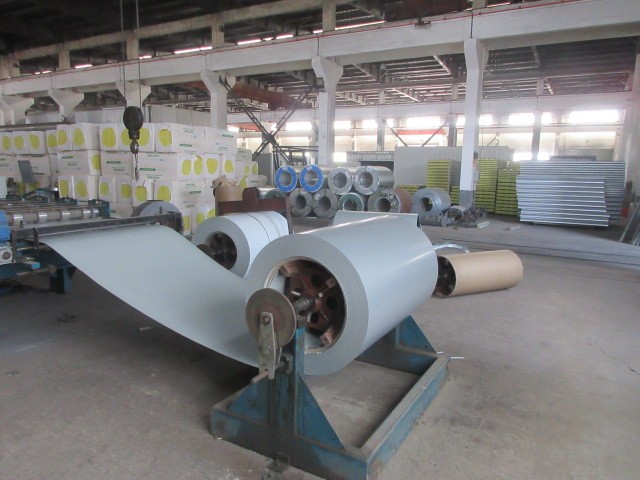
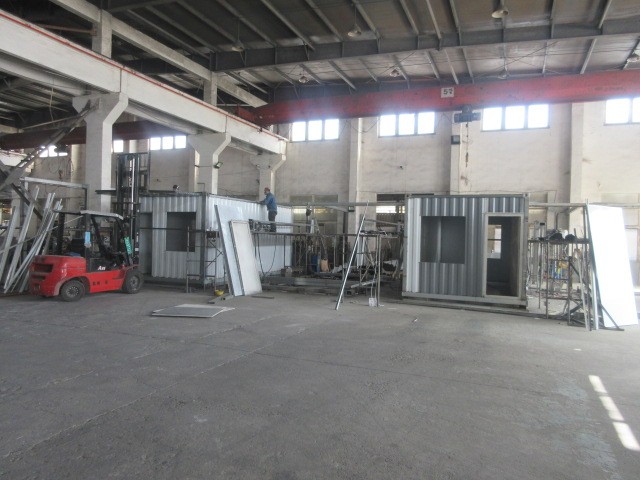
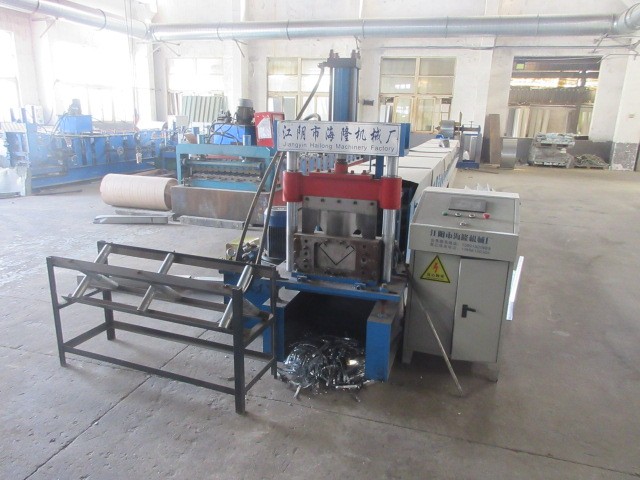
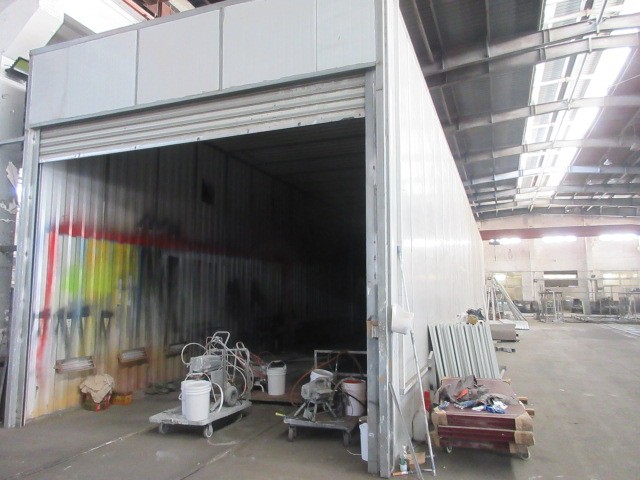
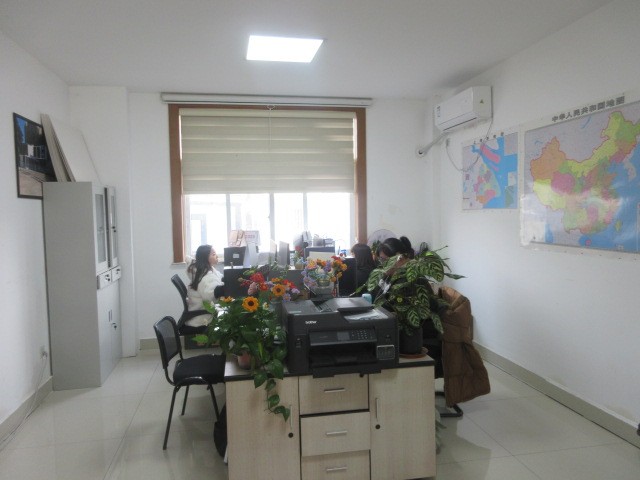
The company has successfully supplied modular building solutions to customers across North America, Europe, Australia, Southeast Asia, Africa, and the Middle East. Supported by professional project management, competitive pricing, flexible customization capabilities, and responsive customer service, SES House continues to build long-term partnerships with clients around the globe. We remain committed to advancing modern construction through smart modular technologies, sustainable development practices, and high-quality prefabricated building solutions that meet the evolving needs of global markets.
Importing prefabricated structures to Eritrea requires careful planning around customs, port operations, and inland transport. Shipping primarily goes through the Port of Massawa for northern destination networks or the Port of Assab for southern routes. The following guide helps streamline this process for procurement officers:
To minimize shipping costs, our flat-pack and expandable series are designed to match standard marine dimensions. For example, a 40FT High Cube container can hold up to four flat-packs or two fully equipped expandable homes. This optimization significantly lowers shipping costs per unit.
Eritrea operates on a 230V, 50Hz grid with Type C and L outlets. During manufacturing, SES House pre-installs all electrical circuits, distribution boxes, and conduits to match these specifications. All internal piping uses durable PPR materials to withstand the mineral-rich bore water common in the Horn of Africa.
Expert answers addressing the engineering, import, and assembly requirements for tiny houses in Eritrea.
 SES House