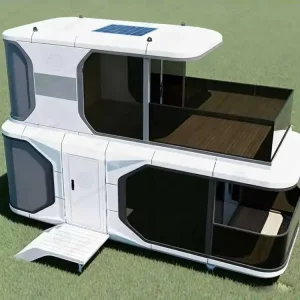
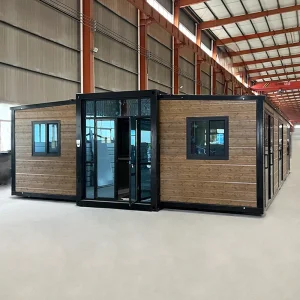
SES House
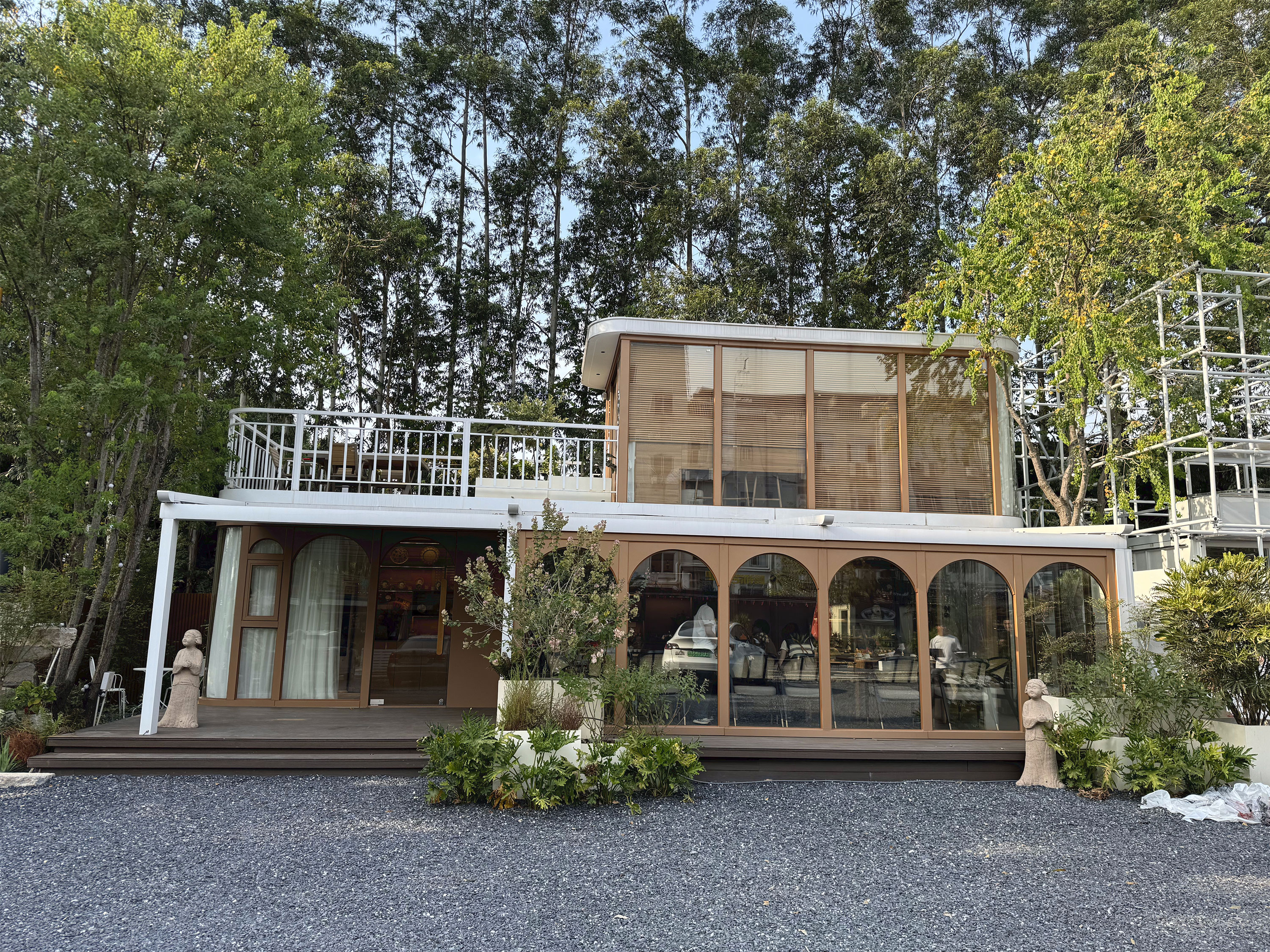
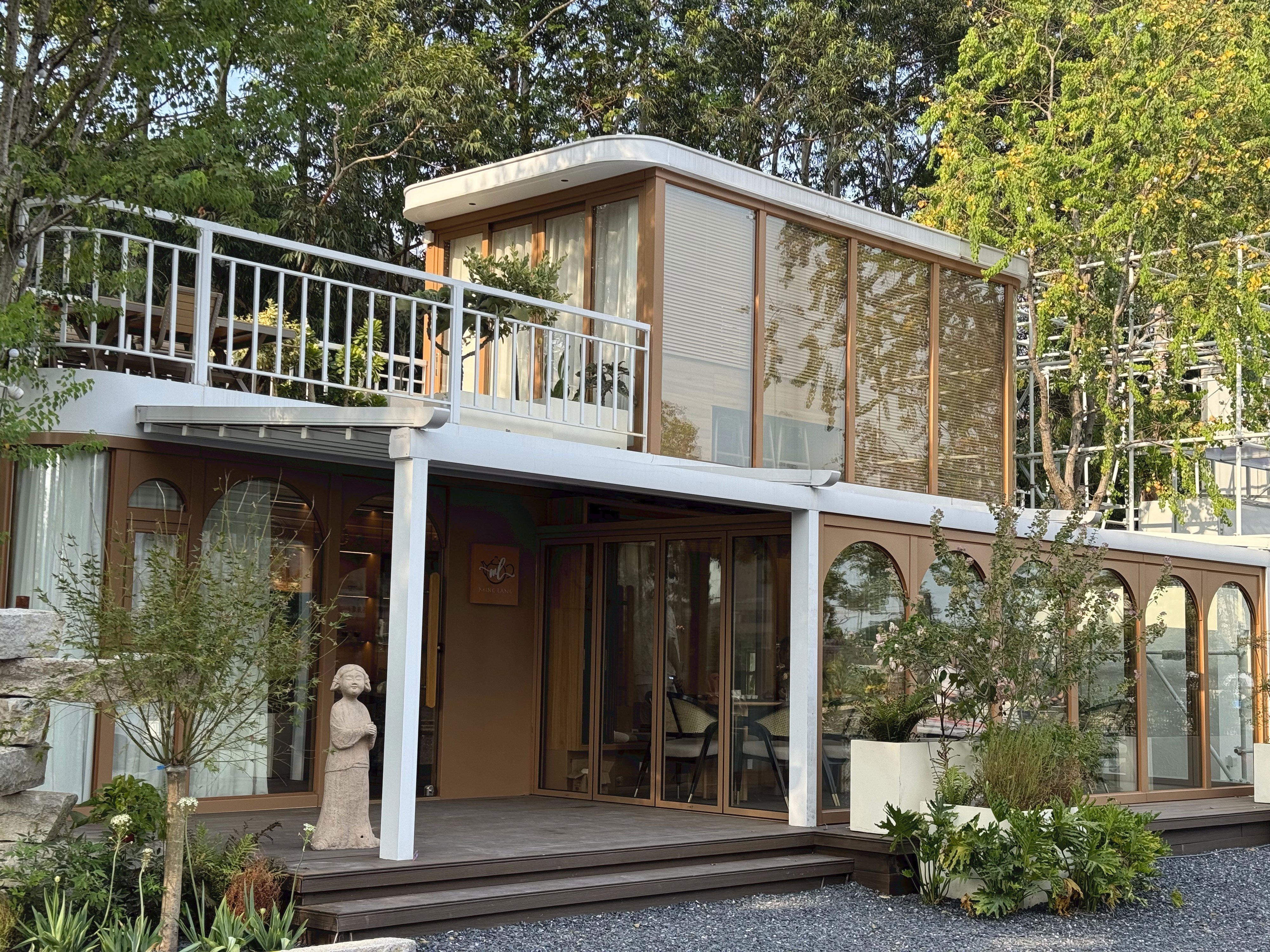
1 / 5
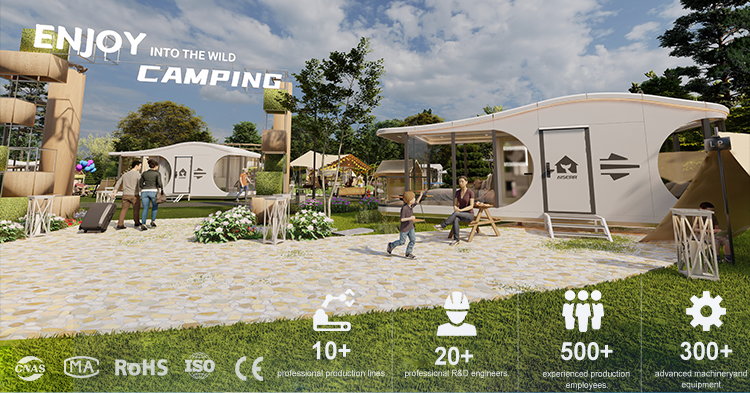
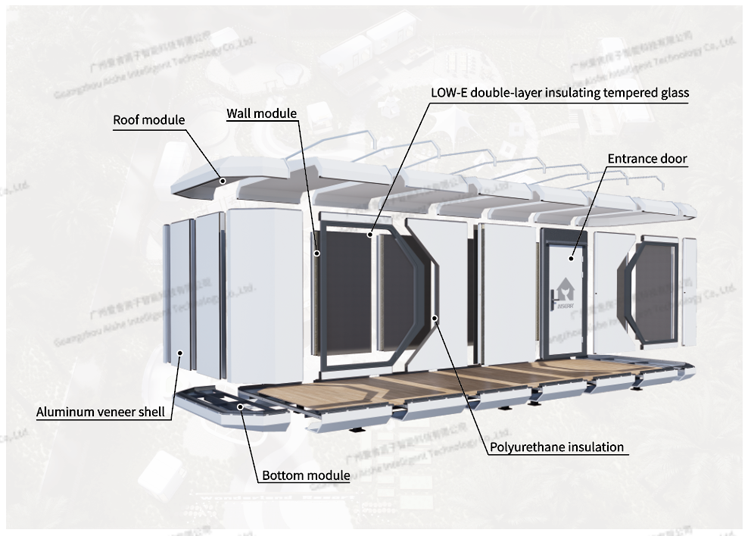
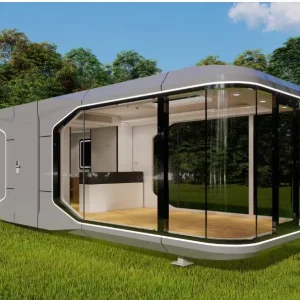
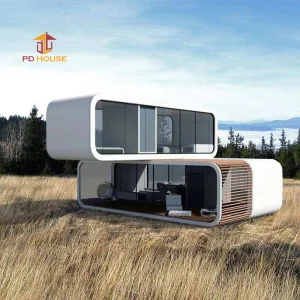
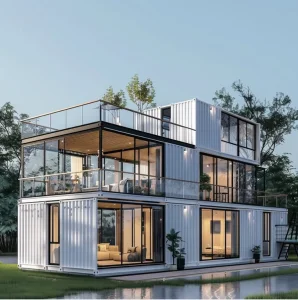
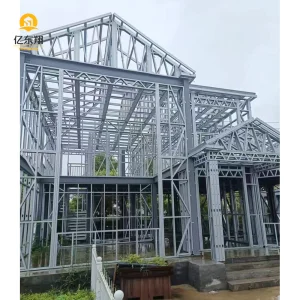
All modules are connected using bolts and screws. Most modules, such as roofs, walls, floors, and doors, are completedin a factory environment. The factory caries out mass production and delivers components to the site for installationThis means that modular buildings can significantly reduce construction time, with assembly taking only a few days.
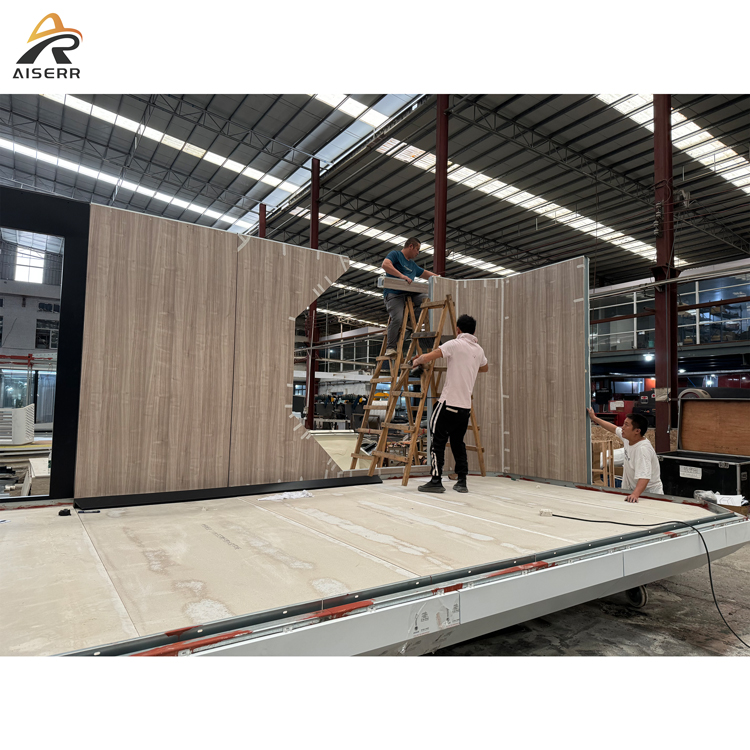
The production environment in the factory is relatively stable, which can better ensure the quality and accuracy of thecomponents. At the same time, modular buildings adopt standardized design and production processes, so that thequality ofeach module can be strictly controlled.
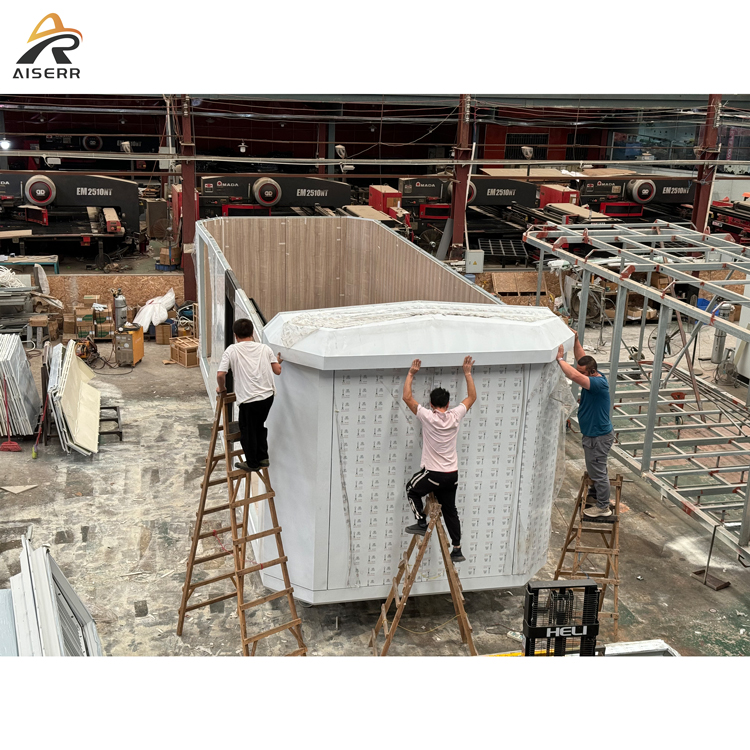
Modular buildings can improve the insulation and heat insulation performance of buildings through optimal designreducing energy consumption. in addition, as most of the construction process is completed in the factory, the noisedust and other pollution on the construction site are reduced, and the impact on the environment is also smal.
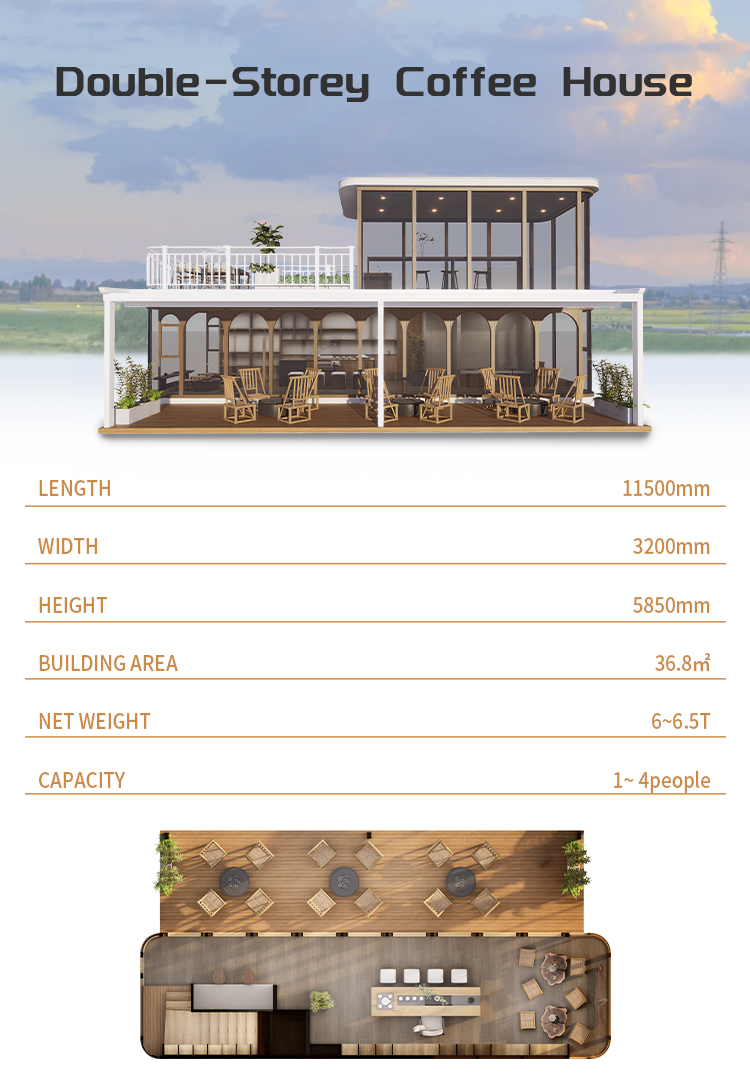
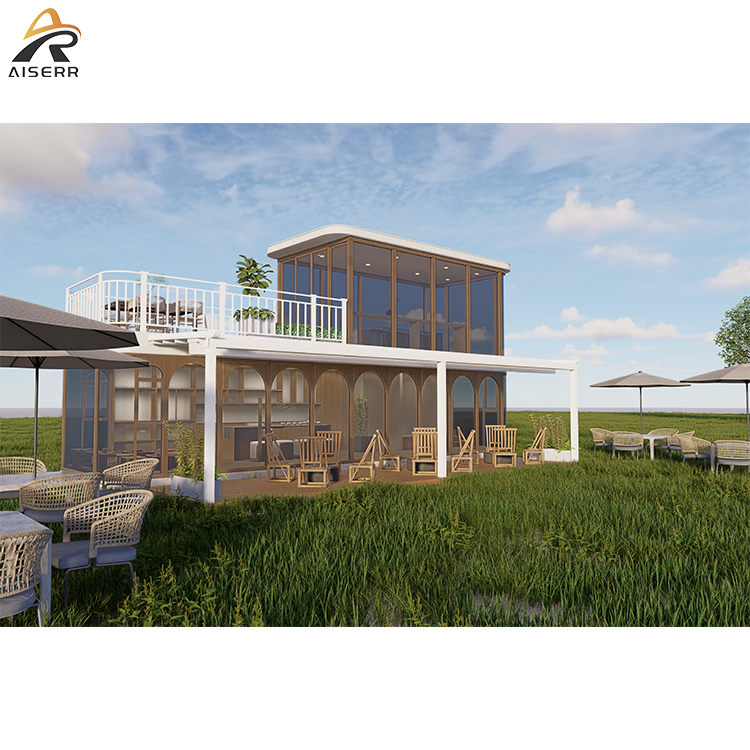
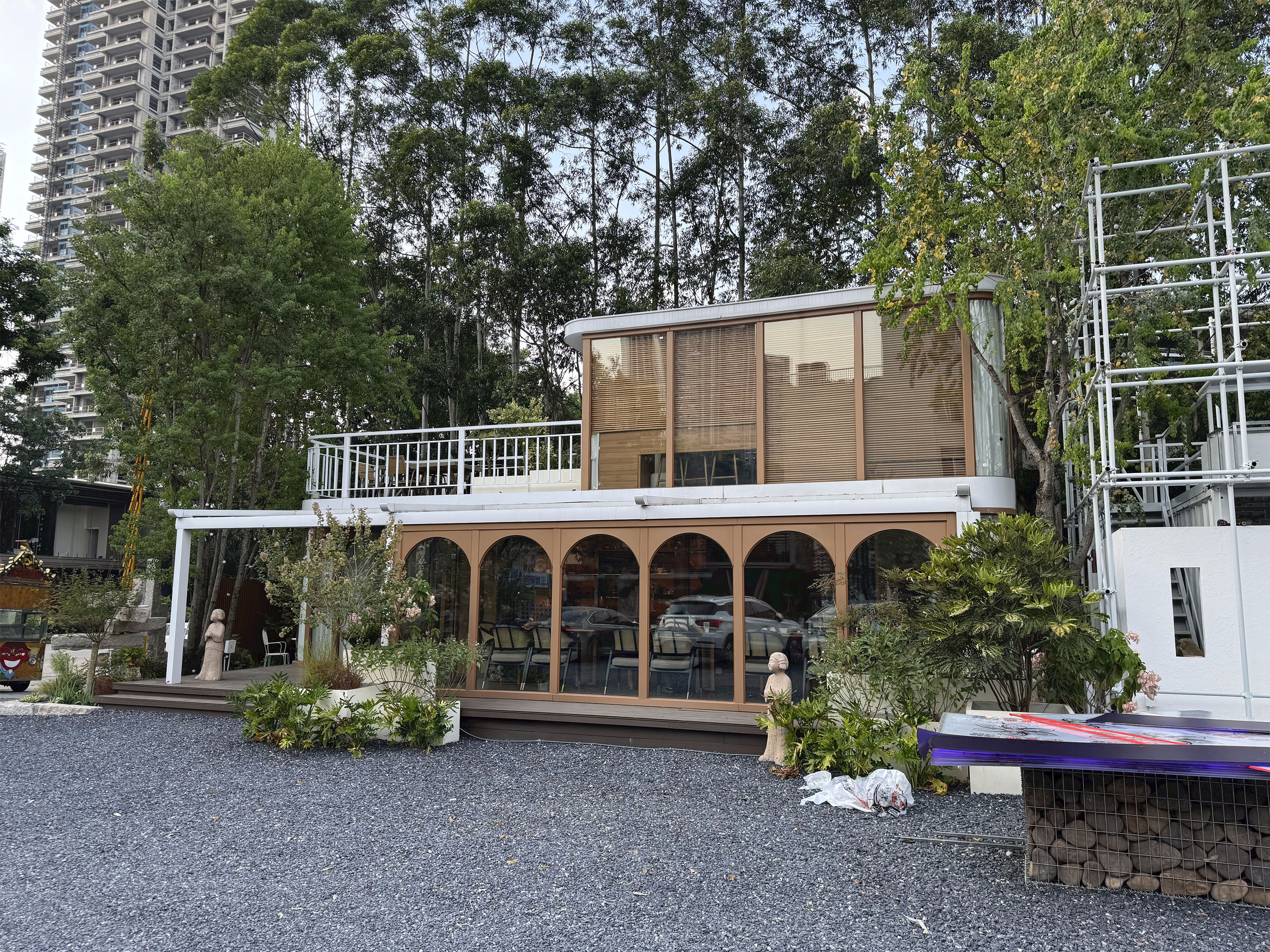
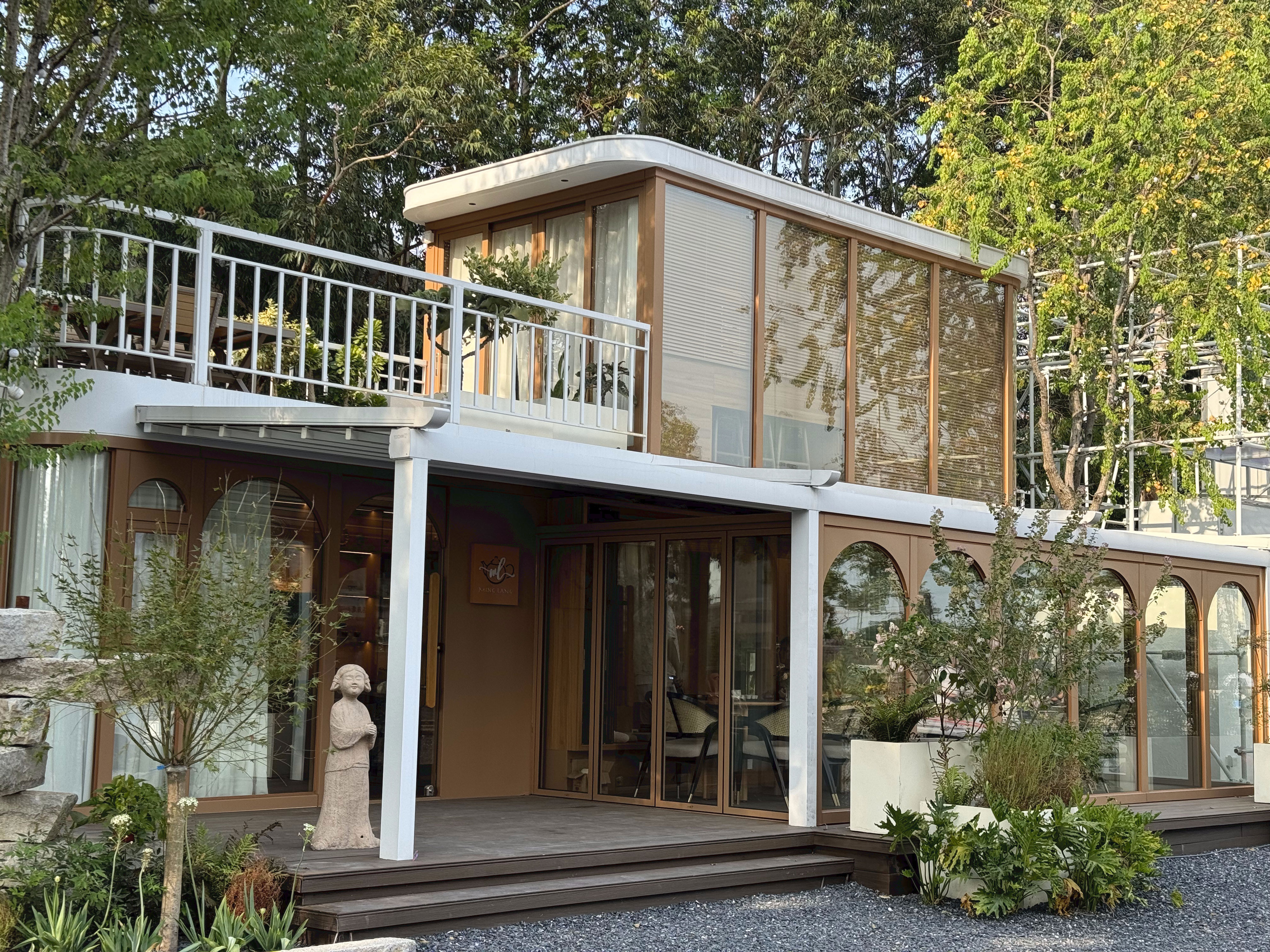
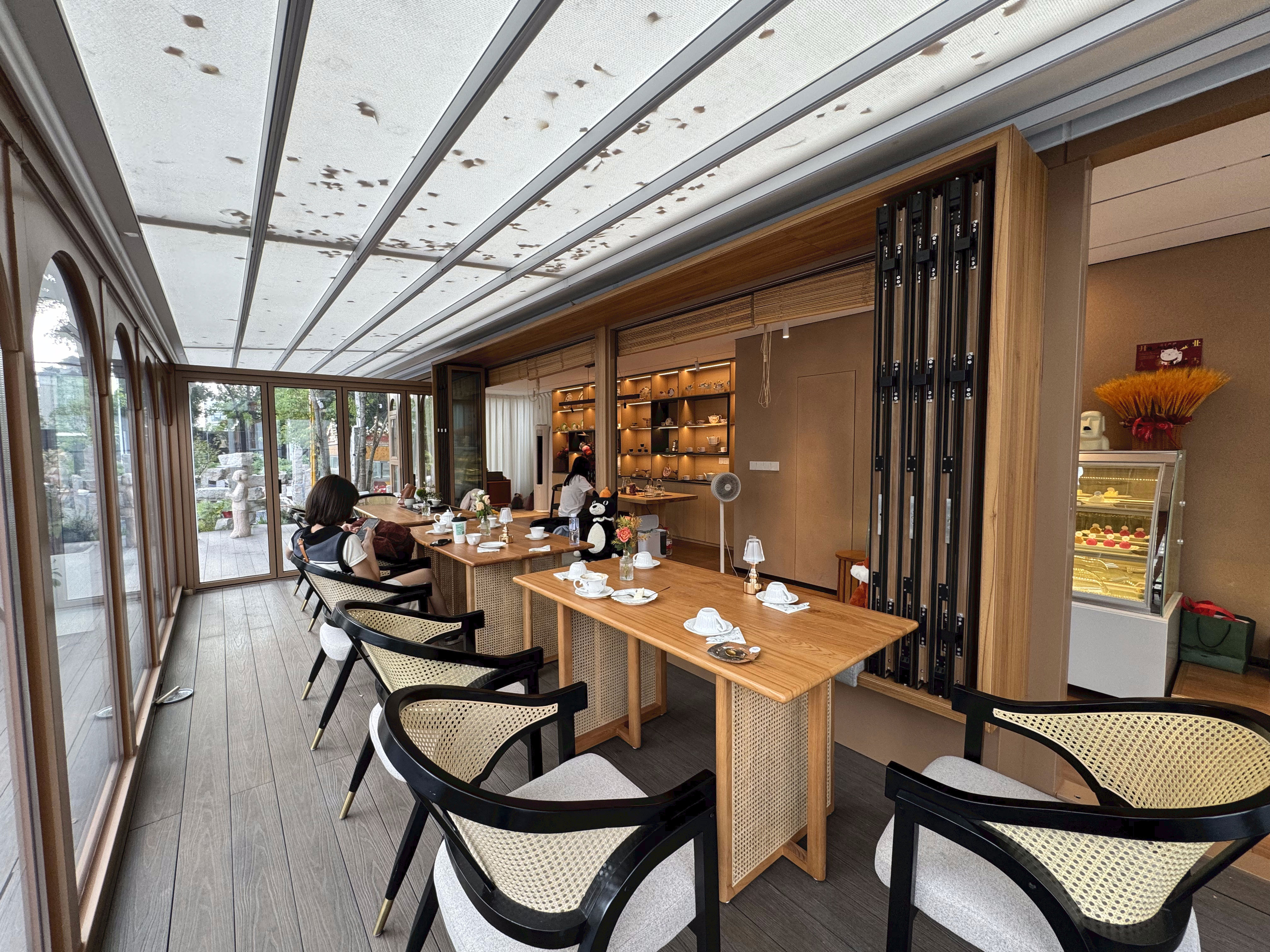
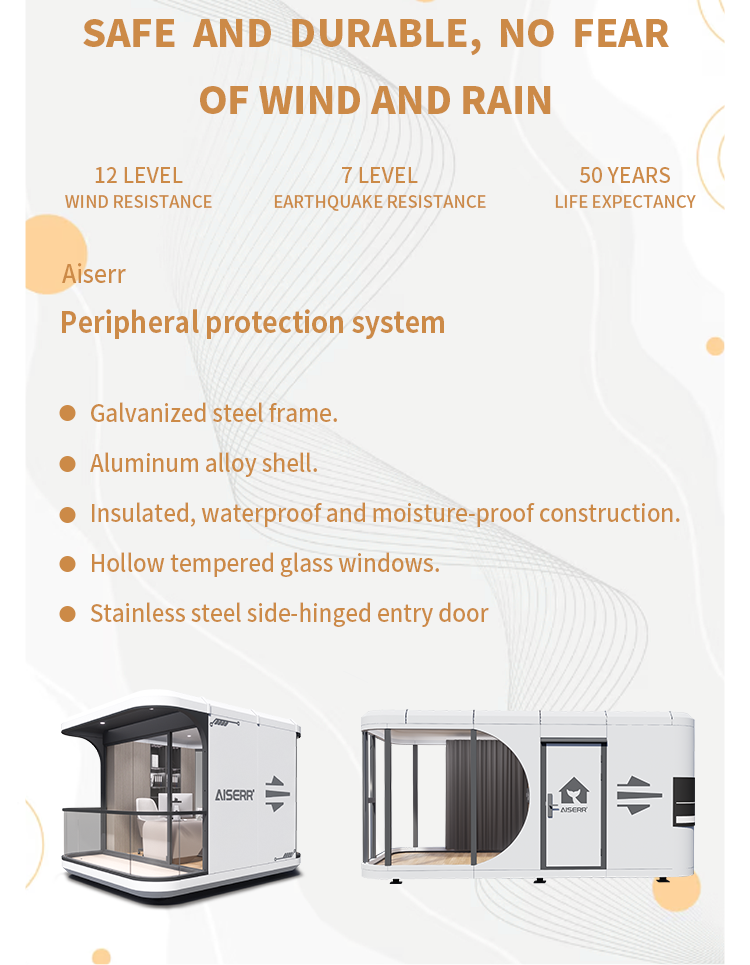
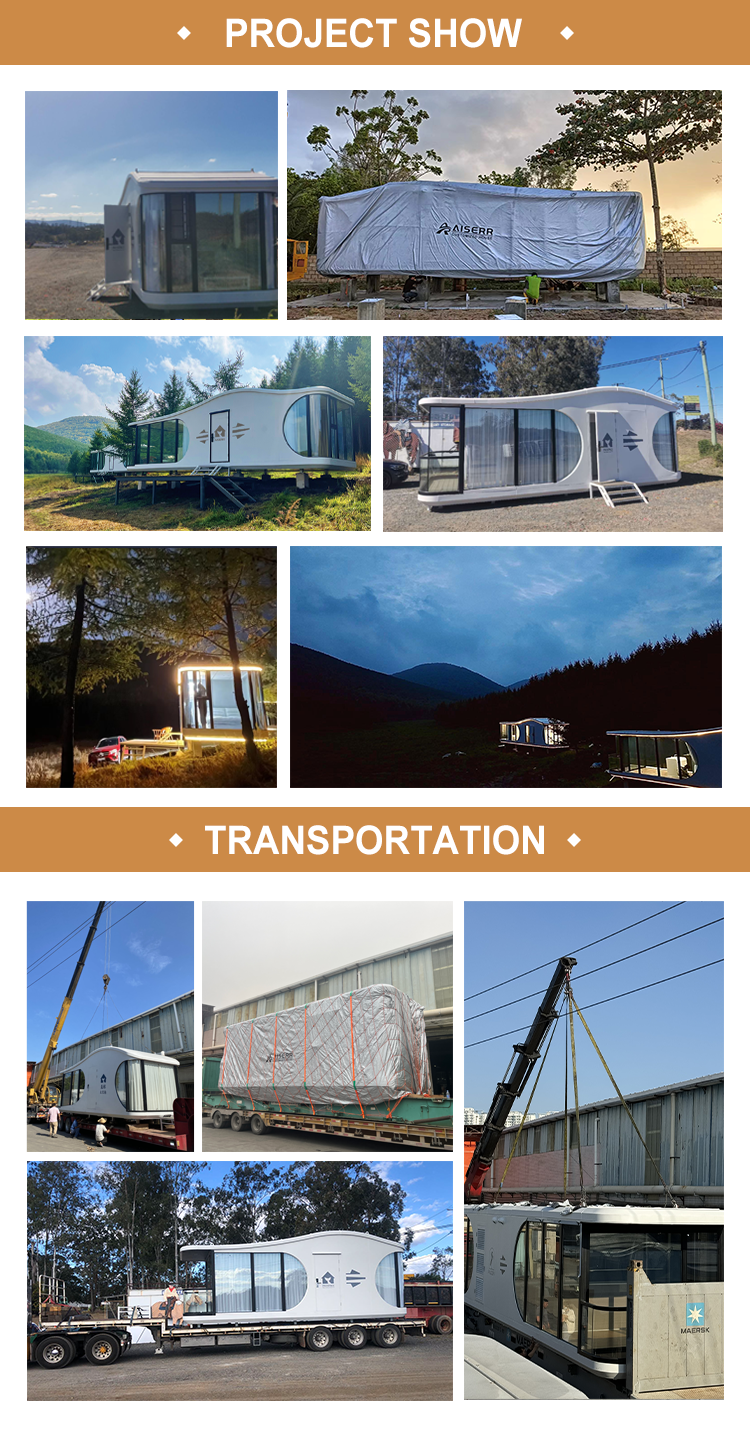

All modules are securely connected using high-strength bolts and screws. Most components, including the roofs, walls, floors, and doors, are completed in a factory environment and delivered to the site for rapid assembly.
By shifting the majority of the construction process to a controlled factory environment, modular construction significantly reduces on-site labor and weather delays. The actual assembly on-site takes only a few days.
The factory production environment is highly stable, ensuring better accuracy and consistency for all components. Standardized designs and strict quality control processes guarantee the integrity of every module.
Modular buildings improve insulation and thermal performance through optimized design, reducing long-term energy consumption. Additionally, factory assembly minimizes noise, dust, and waste pollution on the construction site.
Yes, the precise manufacturing process ensures tighter seals and superior insulation, leading to optimal thermal performance and lower heating and cooling costs over the building's lifecycle.