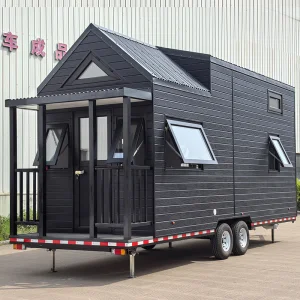
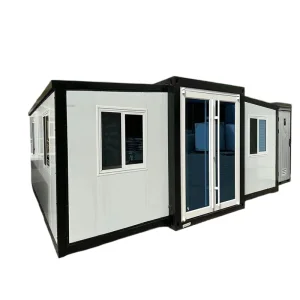
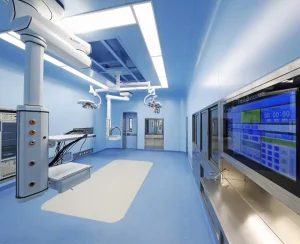
Explore our premium range of light-gauge steel framing, expandable villas, and cleanroom operating modules engineered for precision deployment.
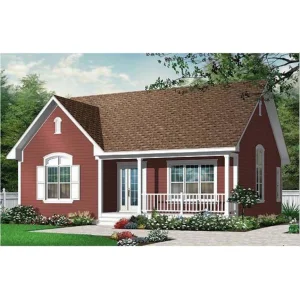
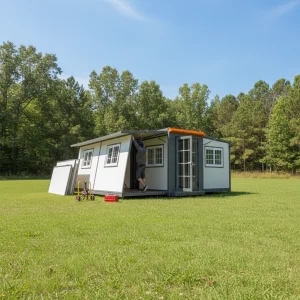
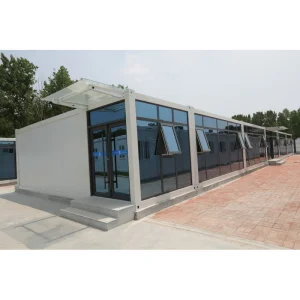
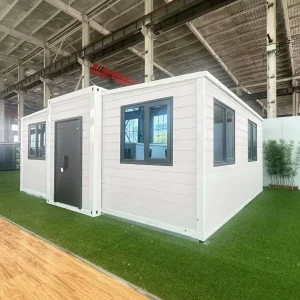
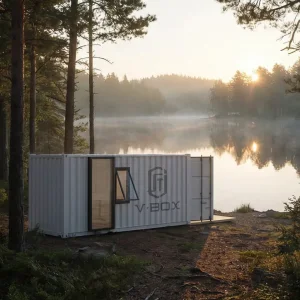
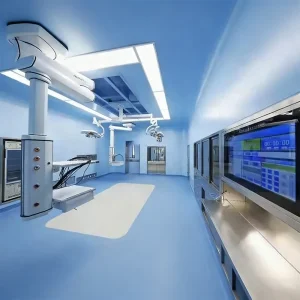
In the contemporary industrial and commercial sectors, structural adaptability and thermal performance are driving a paradigm shift in off-site construction methods. As a pioneering force, Foshan SES House Co., Ltd. stands as a premier Modular House Manufacturer and global supplier. Specializing in high-performance prefabricated homes, engineered container structures, and heavy-duty industrial steel buildings, the company has integrated advanced materials science with precise structural engineering to support rapid execution plans across five continents.
Centering operations in China's industrial manufacturing heartland, Foshan SES House operates sophisticated fabrication yards that merge strict Quality Management Systems (QMS) with robotic tooling. We manage the entire lifecycle of modular construction: from initial conceptualization, seismic load profiling, and thermal performance modeling, to precision manufacturing, intermodal freight logistics, and technical field supervision. Through these workflows, we provide developer-ready OEM, ODM, and turnkey project configurations designed to perform in demanding environments.
Modern lightweight cabins have transitioned from basic, temporary field shelters into complex, high-performance structural systems. This evolution is driven by advances in composite material engineering, optimized spatial acoustics, and strict environmental regulations. At the core of this engineering shift is the replacement of heavy, wet-construction methods with high-tensile, light-gauge steel framing (LGSF) and advanced composite structural panels.
Key developments shaping the global lightweight cabin market include:
Integration of polyurethane (PU) and rockwool cores within galvanized structural steel sheets to provide thermal insulation (R-values > 4.0) and Class A fire protection.
Use of hot-dip galvanized cold-rolled structural steel (minimum coating mass of Z275) to prevent rust in high-salinity and high-humidity coastal zones.
Adherence to circular economy standards, selecting 100% recyclable structural members that significantly lower carbon footprint footprints relative to concrete foundations.
B2B buyers, EPC contractors, and infrastructure developers require rigorous compliance to verify the structural integrity of modular buildings. Selecting a supplier involves assessing wind load ratings, seismic capacities, thermal performance profiles, and acoustic levels.
Foshan SES House engineers all modular configurations to meet major international codes:
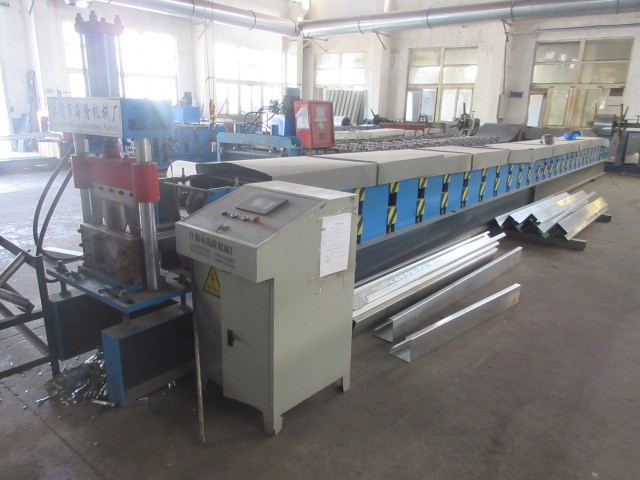
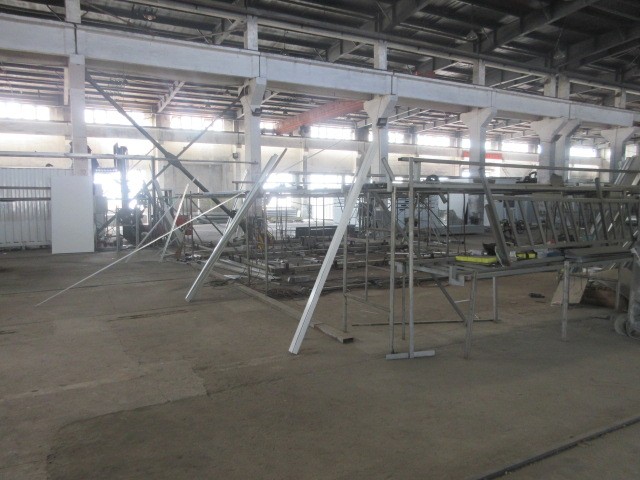
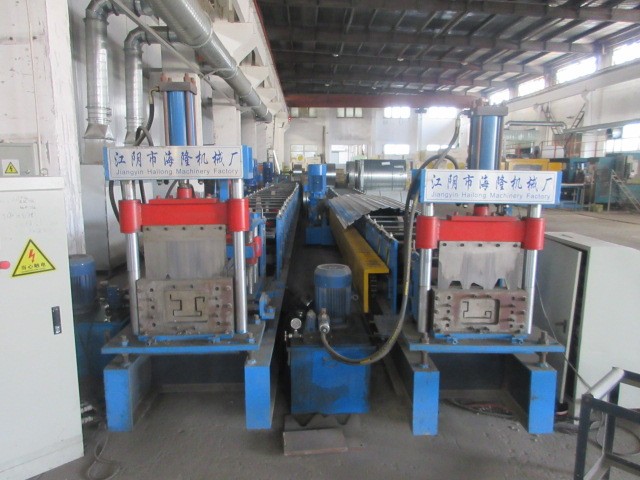
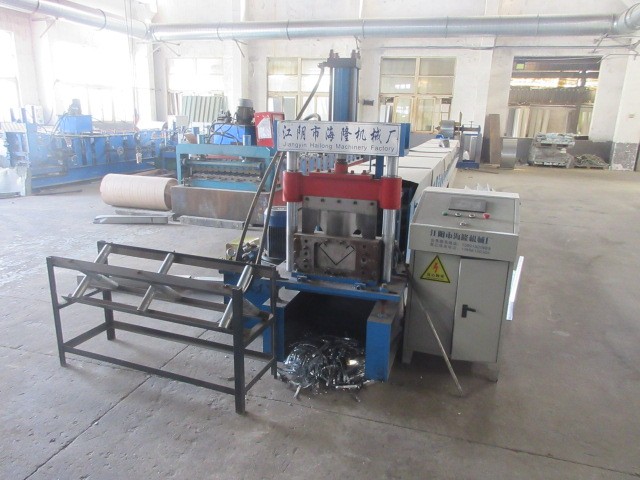
China's manufacturing ecosystem provides major advantages for modular construction. In Foshan, SES House utilizes advanced production technologies and a localized supply chain to deliver high-quality, cost-efficient structures.
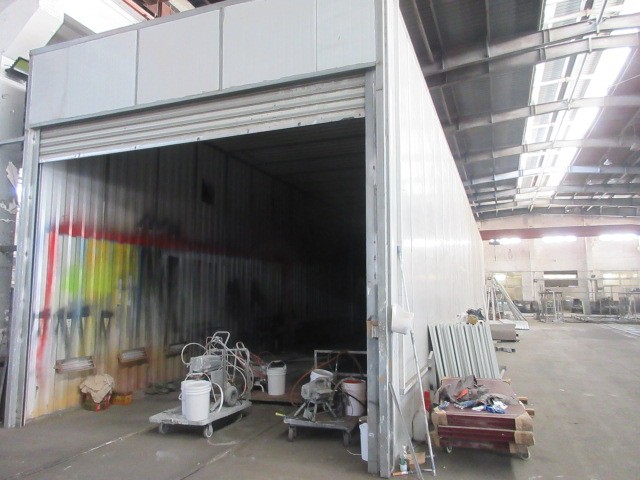
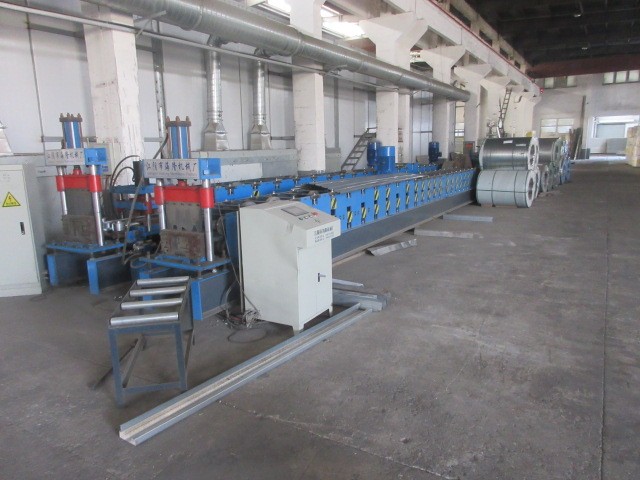
Our manufacturing facility uses automated roll-forming machines and robotic welding systems to keep production tolerances below 0.5mm. This precision makes on-site installation quick and predictable, reducing typical assembly times by up to 50% compared to traditional on-site construction.
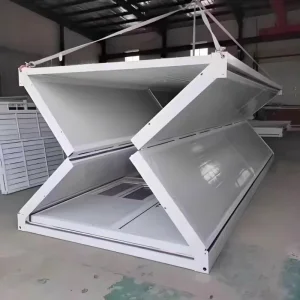
Additionally, our proximity to major international shipping ports in Shenzhen and Guangzhou enables efficient transport of flat-pack and modular units. By nesting up to 4 flat-pack containers into a single bundle with the dimensions of a standard 20ft ISO shipping container, we help clients reduce ocean freight costs by up to 75%.
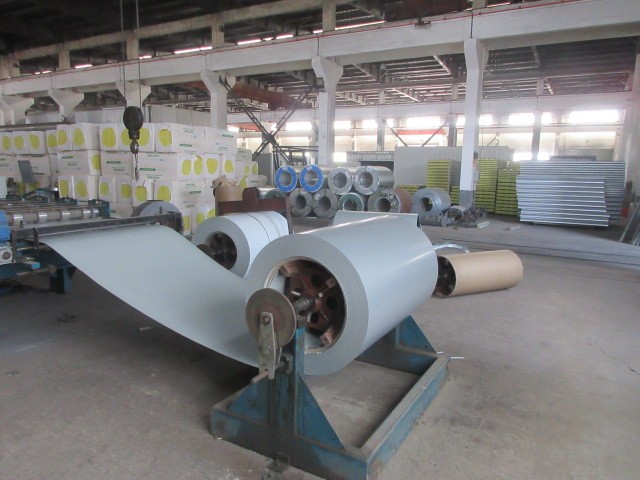
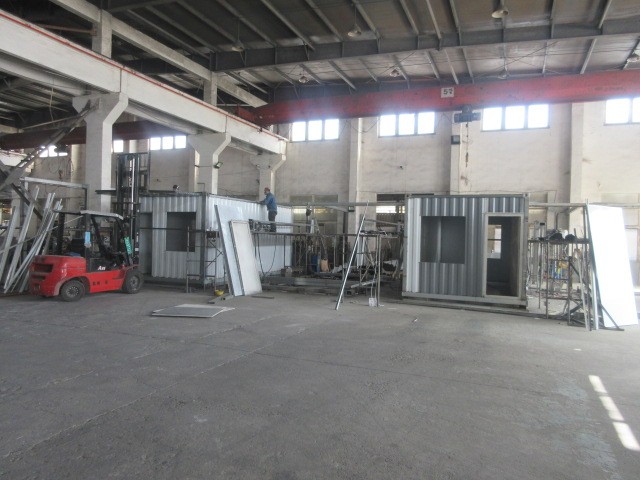
Modular and lightweight cabins are used across a wide range of industries, providing flexible spaces for offices, worker housing, and specialized facilities.
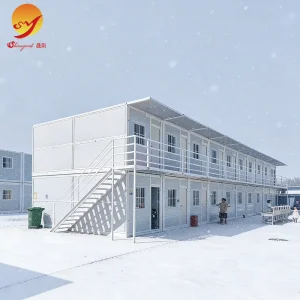
Quick-to-deploy, stackable accommodations and administrative structures designed to support large workforce operations in remote regions.
Cleanroom-compliant, negative-pressure mobile operating rooms and clinics built to meet international healthcare standards.
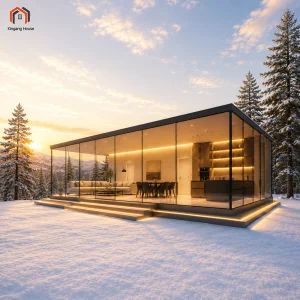
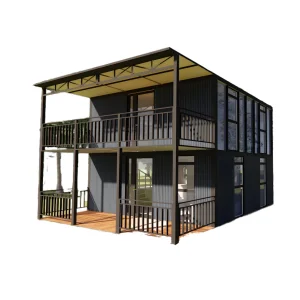
Aesthetic, mirror-glass and wood-clad cabins designed for eco-resorts, pop-up commercial hubs, and high-end residential extensions.
Our projects are engineered to perform in a variety of challenging climates and remote locations, ensuring safety and durability worldwide.
Case Study 1: Remote Mining Accommodation (Western Australia)
We engineered and shipped 150 units of our Multi-Story Stackable Foldable Modular System to support a major mining operation. These structures are built to withstand temperatures exceeding 45°C, using high-density PU core sandwich panels to maintain comfortable interior temperatures while reducing HVAC power consumption by 35%.
Case Study 2: Medical Infrastructure (Sub-Saharan Africa)
We manufactured and delivered Class 10,000 cleanroom-ready Modular Theater Operating Rooms. These systems feature fully integrated HVAC filtration, anti-microbial wall coatings, and structural insulation, providing reliable clinical environments in challenging regional climates.
Case Study 3: Eco-Tourism Glamping Sites (Alpine Europe)
Our Mirror Glass Cabin Series combines modern architectural design with high thermal efficiency. Featuring triple-glazed insulated window walls, these structures maintain comfortable interior temperatures down to -15°C, blending into natural landscapes with minimal environmental impact.
Detailed engineering parameters for Foshan SES House modular systems.
Q235B / Q345B hot-dip galvanized steel, cold-formed profiles, anti-corrosion coating thickness ≥ 80 microns.
50mm to 150mm Rockwool/PU Sandwich Panel, 0.5mm steel facing, density rating ≥ 120 kg/m³ (Rockwool).
Designed for snow loads up to 1.5 kN/m² and live load allowances up to 2.0 kN/m².
18mm fiber cement board base, waterproof PVC flooring finish (fire rating Class Bf1-s1).
Answers to common questions regarding engineering design, customization, and global distribution of our modular cabin systems.
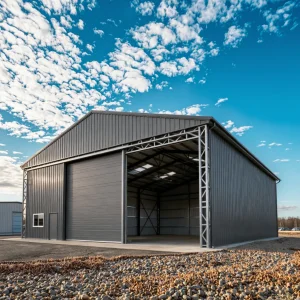
Explore our industrial structures, temporary worker offices, and specialized medical containment facilities designed for rapid global deployment.
 SES House