Explore our highly integrated, factory-assembled structural modules engineered for versatility, rapid onsite erection, and peak environmental resilience.
The paradigm of modern real estate, industrial infrastructure, and crisis shelter development has irreversibly pivoted towards sustainable living environments. Global challenges—ranging from severe supply chain shocks to carbon-neutral construction mandates—require structural systems that minimize lifecycle carbon output while maximizing deployment velocity. As a leading specialized manufacturer, Foshan SES House Co., Ltd. is at the forefront of this structural revolution, integrating state-of-the-art engineering, precision metal fabrication, and advanced envelope insulation technologies.
Based in the manufacturing powerhouse of Foshan, China, our advanced facility functions as a centralized node for global modular home distribution. By implementing highly optimized architectural geometries, utilizing premium structural steel profiles, and selecting high-performance thermal insulation layers, we deliver customizable containerized configurations that satisfy both structural rigidity and eco-efficiency goals.
"True sustainability in architectural design requires looking beyond basic occupancy metrics. It demands structural solutions engineered for reuse, rapid deployment, and minimal environmental degradation."
SES House provides developers, contractors, global EPC (Engineering, Procurement, and Construction) companies, and municipal entities with end-to-end engineering support. Our capability spans raw architectural ideation, comprehensive structural calculations, specialized climate-adaptation design, automated line-production, and direct international logistical logistics.
How Foshan SES House combines regional raw material depth, automated robotic production, and high-frequency logistical networks to deliver unrivaled cost-efficiency.
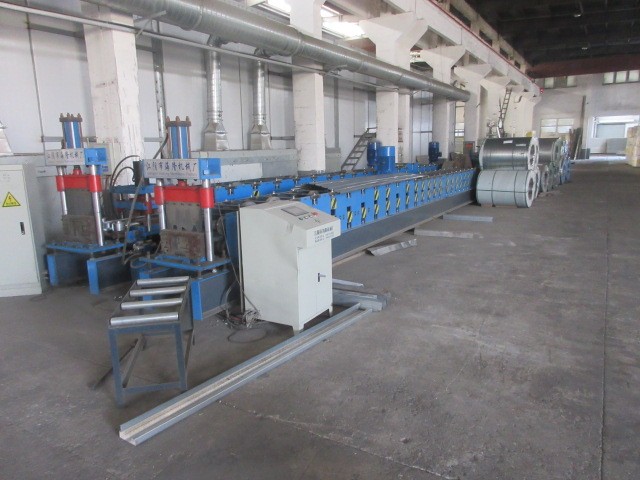
Utilizing high-precision CNC laser profiling machinery, automated welding stations, and specialized hydraulic folding lines to reduce fabrication variances to <1.5mm.
Every structural profile undergoes ultrasonic non-destructive weld inspections, and completed modules are subjected to specialized wind-tunnel simulated structural strain trials.
Foshan's direct connection to South China’s shipping hubs (Guangzhou, Shenzhen, Hong Kong) allows for rapid logistics dispatch, optimizing spatial allocation inside standard HQ containers.
At SES House, "Factory 4.0" is not merely a buzzword; it represents a comprehensive system that links global customer requirements with physical raw material deployment. The structural steel we utilize is processed within an automated production chain that cleans, coats, drills, and cuts to strict architectural specifications before finishing with double-layer anti-corrosion marine-grade painting.
Our modular fabrication process dramatically reduces material waste compared to traditional on-site building practices. Offcuts are instantly collected for circular metallurgical processing, while water and heating systems in the manufacturing center are recycled via localized heat exchangers, establishing a low-carbon baseline starting from the factory floor.
Aligning structural design with global carbon neutrality metrics and smart automation technologies.
| Feature / Metric | Current Core Standards | Roadmap Target (2025-2027) | Impact Profile for Global Developers |
|---|---|---|---|
| Frame Material | Q235 & Q355B Galvanized Structural Steel | Ultra-High-Strength Recycled Hybrid Steel Alloys | Decreased self-weight (up to 15%), increased seismic absorption |
| Thermal Core Insulation | PU Sandwich panel, density ~40 kg/m³ | Bio-sourced Aerogel Composite Insulation Layers | Drastically elevated R-value while reducing panel thickness by 40% |
| Building Systems Integration | Manual junction pre-wirings, standard conduits | Integrated Smart IoT, bus communication protocols | Plug-and-play occupancy; zero troubleshooting in the field |
| Structural Service Life | 25 to 30 years (with standard maintenance) | 50+ years (with self-healing anti-corrosion coatings) | Asset value preservation; low depreciation rates |
Our R&D department continues to prioritize structural engineering that adapts to climate volatility. The integration of active photovoltaic energy harvesting directly into the exterior steel sheeting represents a significant advancement. By incorporating thin-film solar technologies into modular roofs, SES structures transition from passive energy consumers to active net-zero contributors.
Deploying engineered modular spaces across residential, commercial, industrial, and humanitarian sectors globally.
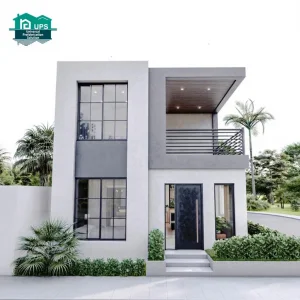
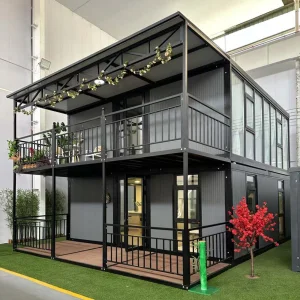
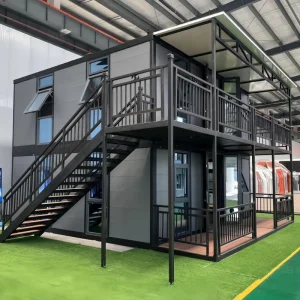
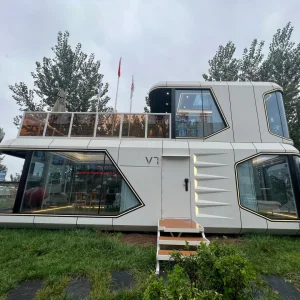
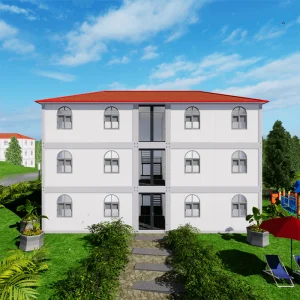
Elegant, high-end, double-decker prefabricated structures with complete built-in restrooms, gym facilities, and premium glass curtain facades for boutique hotels and wilderness resorts.
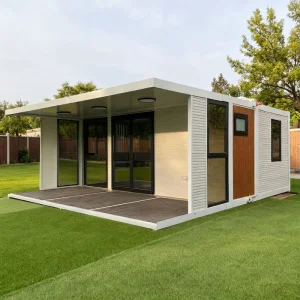
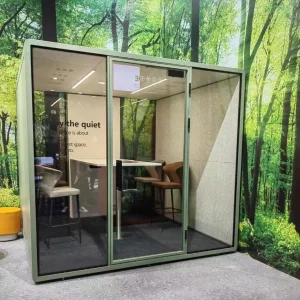
Modern flat-pack configurations arranged in open-plan offices, presentation meeting rooms with soundproof green composite panels, and modular administrative hubs.
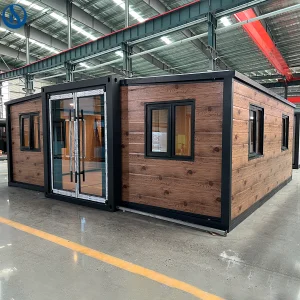
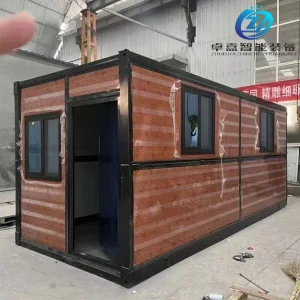
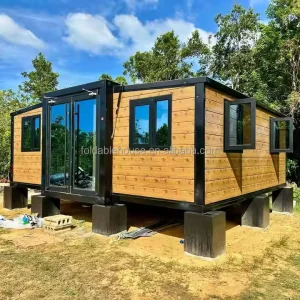
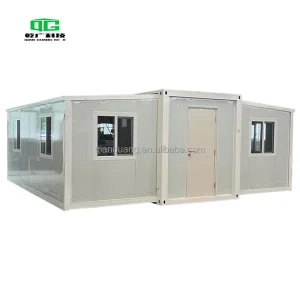
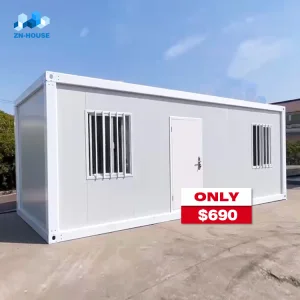
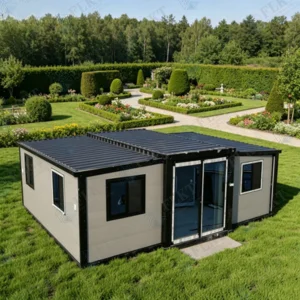
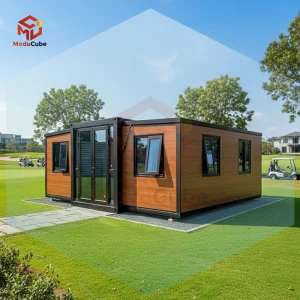
Rapidly assembled foldable container communities built for mining, energy, and infrastructure operations. Offering fire-rated, thermal-insulated accommodation blocks.
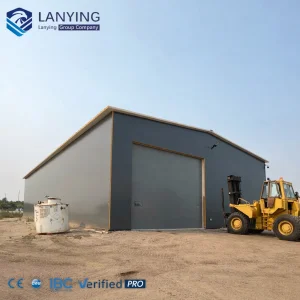
Large-span industrial steel frames designed to resist harsh environmental elements, providing storage volume optimization and streamlined material flow configuration.
Expanding into foreign markets requires strict adherence to localized building regulations. Every structural design produced by SES House is analyzed against standard structural frameworks, including the International Building Code (IBC), Eurocodes, and the AS/NZS standards.
We support regional EPC and distribution partners in securing local building permits. We supply full technical specifications, structural engineering calculations, fire classification test results, and wind-load performance certifications.
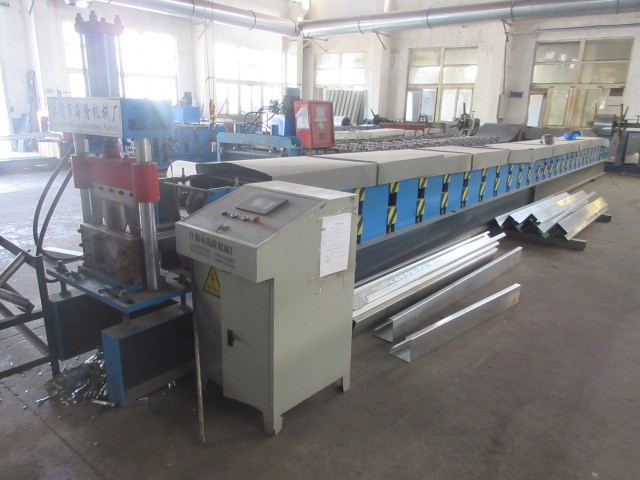
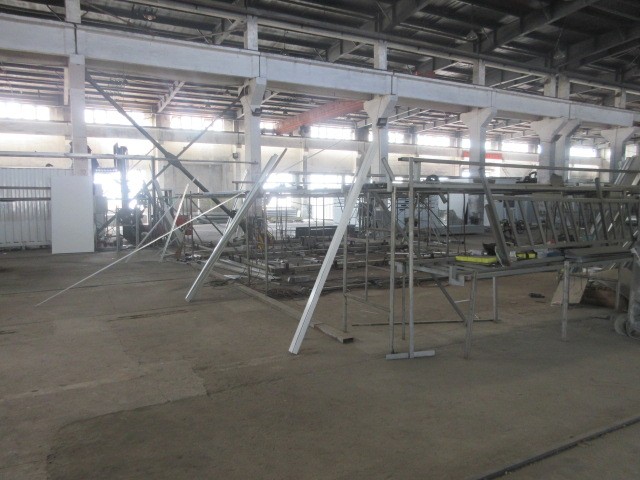
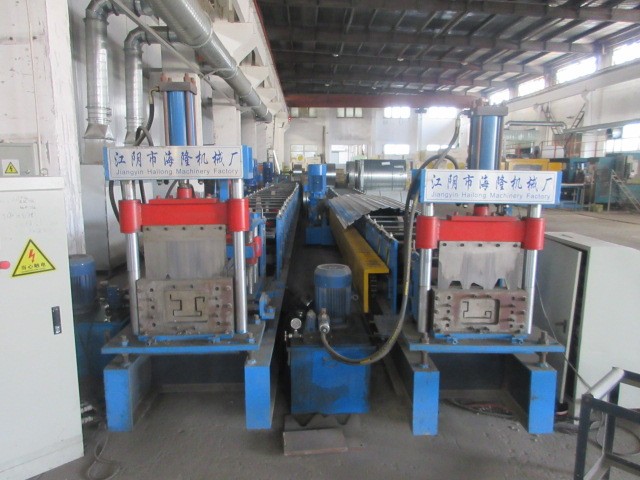
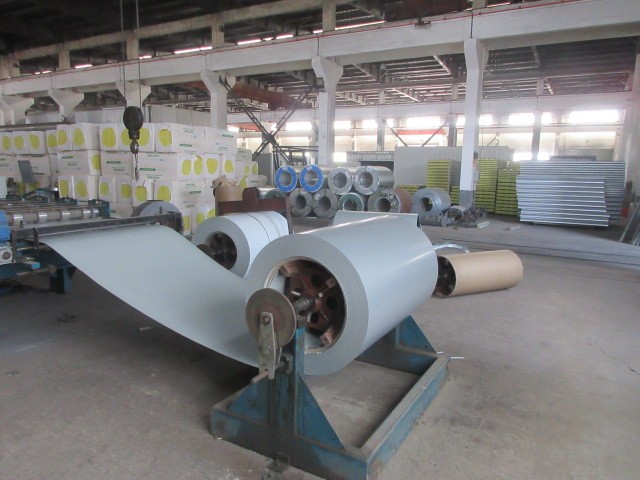
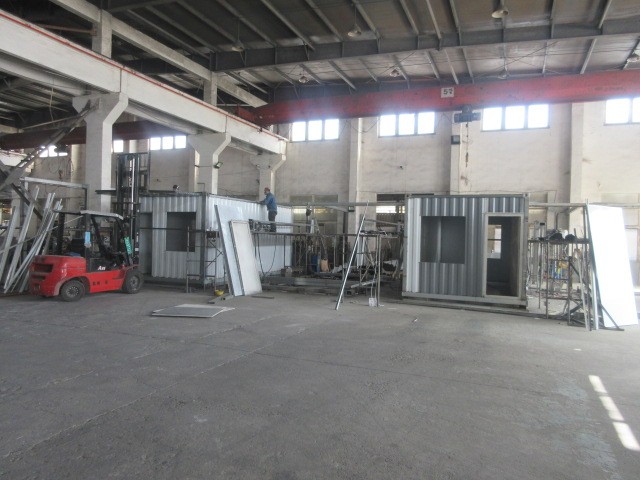
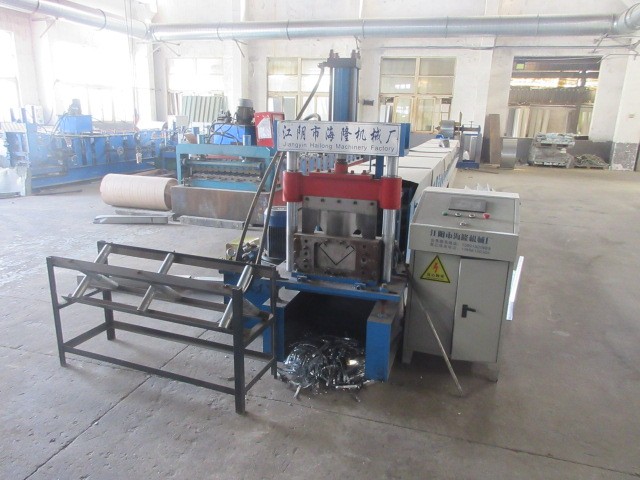
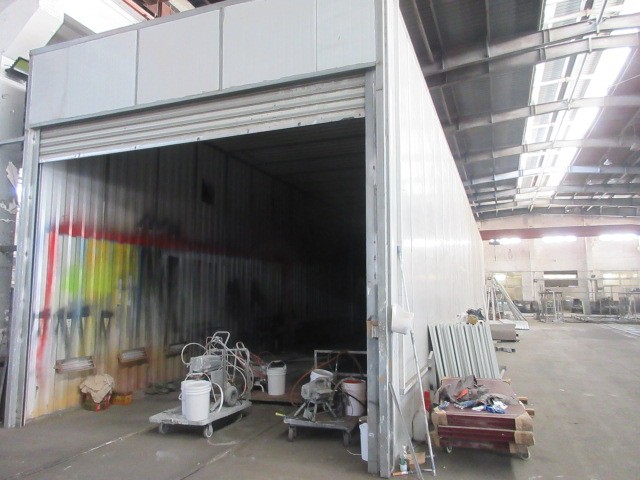
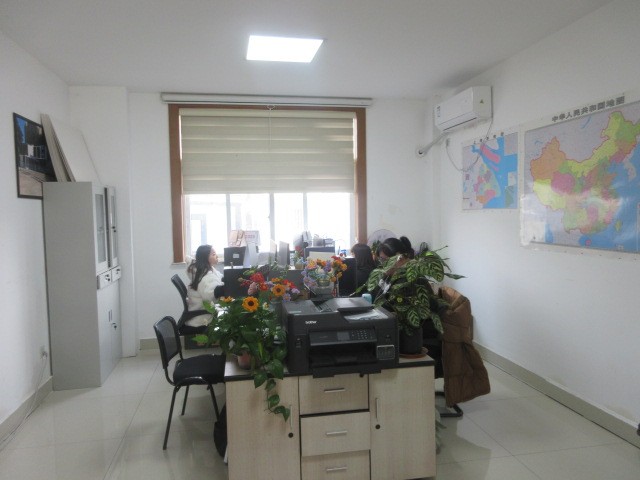
A transparent visual journey through the manufacturing floor, structural assembly lines, and finished projects of Foshan SES House Co., Ltd.
Optimizing costs and ensuring supply chain continuity for high-volume B2B modular construction imports.
Standardizing unit dimensions to maximize flat-pack loading density inside 40ft HQ containers, dramatically reducing transoceanic shipping costs.
We provide full structural analyses, electrical schematics, mechanical connection configurations, and raw material mill sheets to expedite port custom clearance.
Every modular system ships with interactive 3D assembly guides, step-by-step video tutorials, and dedicated virtual engineering support to ensure correct onsite installation.
Continuing our comprehensive display of modular systems, ranging from space-capsules to expandable green offices.
Answering critical engineering, purchasing, and logistical questions from global buyers and B2B developers.
 SES House