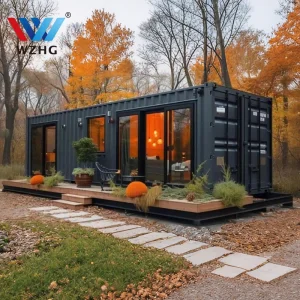
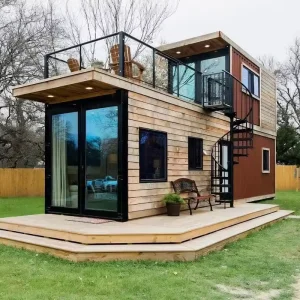
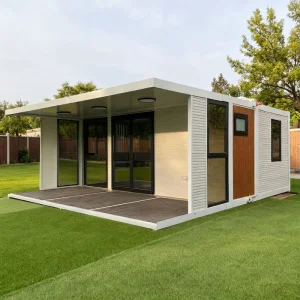
Explore our precision-engineered modular structures designed for rapid assembly, heavy-load stability, and optimized logistics footprint.
Modern agricultural expansion, global eco-tourism, and rapid suburban colonization require resilient structural developments that surpass traditional brick-and-mortar methodologies. Rural modular housing represents the convergence of civil engineering precision, materials science optimization, and high-volume industrial output. By shifting 90% of the construction workflow from unpredictable outdoor project sites to controlled manufacturing plants, developers achieve unprecedented speed, cost stability, and certified quality assurance.
For international commercial developers, municipal planners, and scale distributors, selecting an integrated manufacturing partner in China is a strategic imperative. As global supply chains face volatile raw material indexes and shifting shipping dynamics, factories in major industrial clusters such as Foshan, Guangdong offer comprehensive supply-chain verticality. This integration covers every phase, including cold-formed light steel structural engineering, heavy galvanization processes, high-thermal rockwool insulation cores, and pre-integrated electrical and plumbing systems conforming to international building standards (IBC, AS/NZS, CE).
Foshan SES House Co., Ltd. is a leading Modular House Manufacturer | Prefabricated Homes, Container Houses & Steel Structure Buildings dedicated to providing innovative, efficient, and sustainable building solutions for clients worldwide. With extensive experience in prefabricated construction, the company serves residential, commercial, industrial, educational, healthcare, and infrastructure sectors through high-quality modular building systems.
Located in the global manufacturing hub of Foshan, China, SES House operates advanced manufacturing facilities equipped with modern production technologies and strict quality management systems. The company specializes in the design, engineering, manufacturing, and installation of a wide range of modular structures, including prefabricated homes, container houses, steel structure buildings, modular villas, portable houses, worker camps, modular offices, educational facilities, healthcare buildings, and customized commercial projects.
SES House offers comprehensive OEM, ODM, and project-based solutions tailored to the specific requirements of developers, contractors, government agencies, and private enterprises. From architectural planning and structural design to manufacturing, transportation, and on-site assembly support, the company delivers complete turnkey modular construction services. Every project is engineered to achieve durability, safety, energy efficiency, and rapid deployment.
Quality and innovation are at the core of the company's operations. By utilizing premium steel structures, environmentally friendly materials, and precision manufacturing processes, SES House ensures reliable building performance while reducing construction time and labor costs compared to traditional construction methods.
The company has successfully supplied modular building solutions to customers across North America, Europe, Australia, Southeast Asia, Africa, and the Middle East. Supported by professional project management, competitive pricing, flexible customization capabilities, and responsive customer service, SES House continues to build long-term partnerships with clients around the globe.
Foshan SES House Co., Ltd. remains committed to advancing modern construction through smart modular technologies, sustainable development practices, and high-quality prefabricated building solutions that meet the evolving needs of global markets.
Understanding the competitive advantages of Chinese factories, specifically in the Guangdong industrial cluster (Foshan, Guangzhou, Shenzhen), explains why global modular supply chains route through these regions:
Foshan-based manufacturers leverage immediate proximity to major steel mills, aluminum extrusion plants, structural glass manufacturers, and electrical subsystem OEMs. This localized ecosystem eliminates domestic freight overheads and minimizes supply chain lead times.
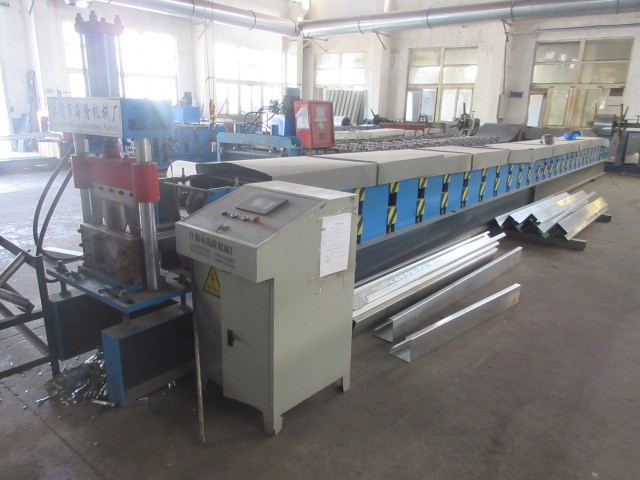
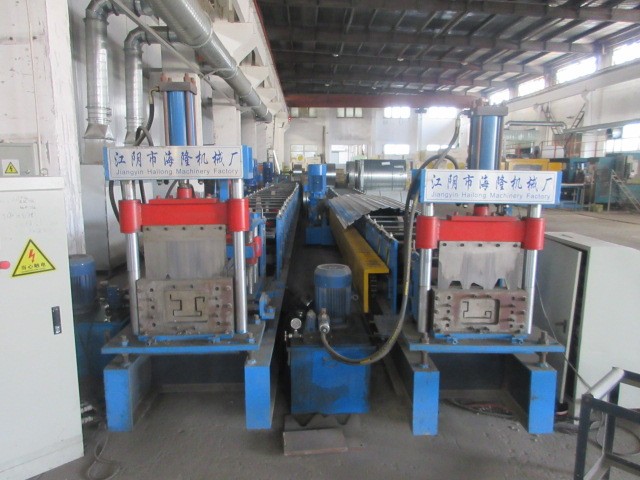
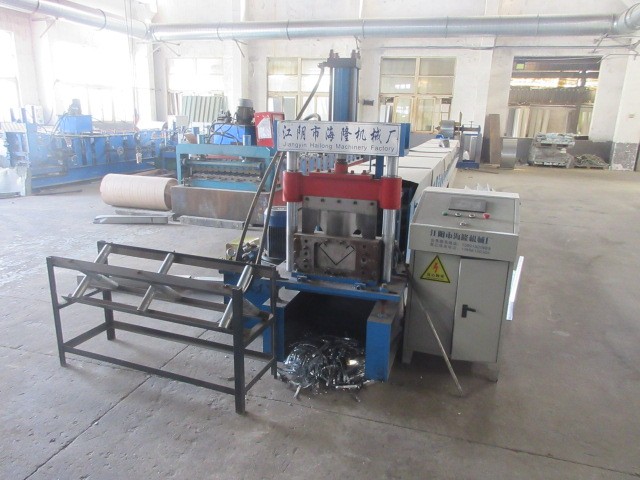
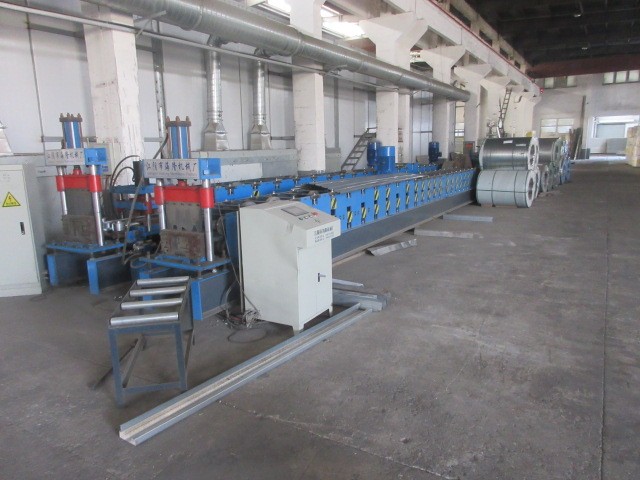
We utilize automated roll-forming machines and computer-controlled welding processes. CNC fabrication guarantees component tolerances of under ±0.5mm, ensuring structural fitment at the installation site without modification.
Chinese engineers excel at optimizing space utilization. Components are packed flat (SOC configurations) or nested inside standard shipping containers (OT/HQ) to maximize density and lower transoceanic freight costs.
The shift toward prefabrication is accelerating due to critical macroeconomic drivers:
Prefabricated modular manufacturing generates up to 70% less material waste than standard on-site methods. Furthermore, the integration of structural insulated panels (SIPs) and solar panel arrays supports the transition toward energy-independent off-grid homes.
Building Information Modeling (BIM) allows factories to simulate wind loads, thermal bridge zones, and mechanical pathways digitally. This ensures that custom structures conform to local regulations before production begins.
Glamping resorts, eco-lodges, and nature retreats require minimal environmental footprints. Non-invasive foundations (such as ground screws) and rapid-setup modular units (like A-frame cabins) enable fast project monetization.
Select the appropriate structural engineering layout based on site topography, logistical access, and local climate zone parameters.
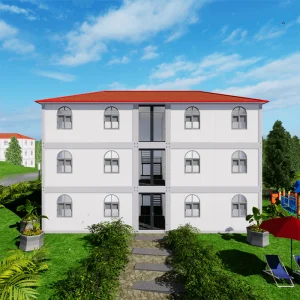
Cold-rolled structural steel framing (C/U channels) optimized for high durability and anti-seismic conditions. Ideal for permanent multi-story rural villas.
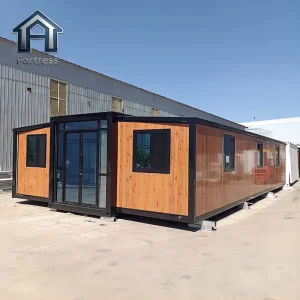
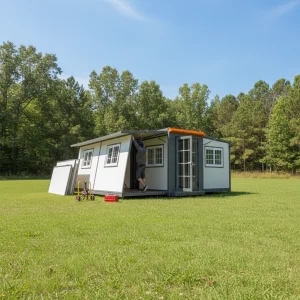
Hydraulically or manually folding wall panels pre-fitted with insulation and utility lines. Highly optimized for shipping.
High-performance double-glazed panoramic windows supported by a galvanized frame and aluminum outer cladding.
We configure prefabricated structures to meet diverse regional requirements, from isolated cold climates to coastal tropical zones:
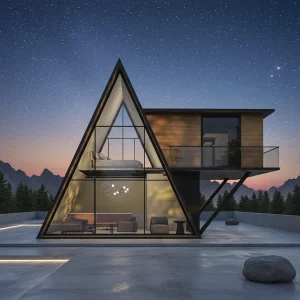
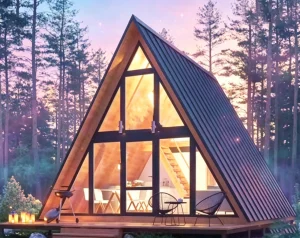
A-frame cabins and panoramic glass triangle houses offer premium aesthetics that blend with natural landscapes. Pre-installed heating, ventilation, and air conditioning systems maintain interior comfort while minimizing on-site disruption to the local ecosystem.
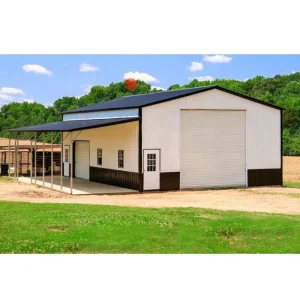
Prefabricated pole barn kits and steel structure warehouses provide flexible, open spans for machinery storage, crop drying, or livestock enclosures. Heavy steel framing ensures structural resilience against snow loads and high winds.
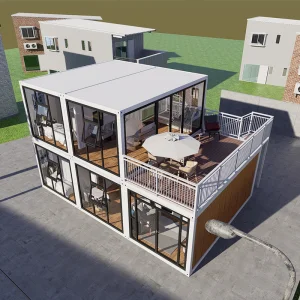
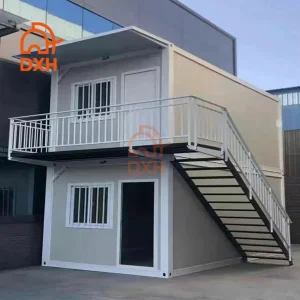
Multi-story flatpack assemblies and modular apartment kits provide scalable housing for industrial workforces, mineral mining sites, and educational developments. Designed for rapid assembly and relocation as projects progress.
Global procurement directors must verify critical structural and regulatory compliance milestones before importing modular components. Ensure your supplier matches these quality benchmarks:
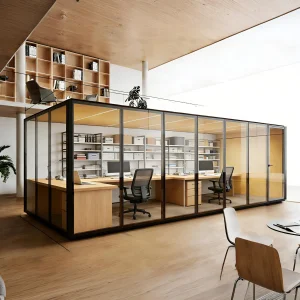
Browse our range of high-performance light steel structures, modular villas, and specialized office capsules designed for international export.
Get expert answers to common technical, logistics, and planning questions regarding modular building systems manufactured in China.
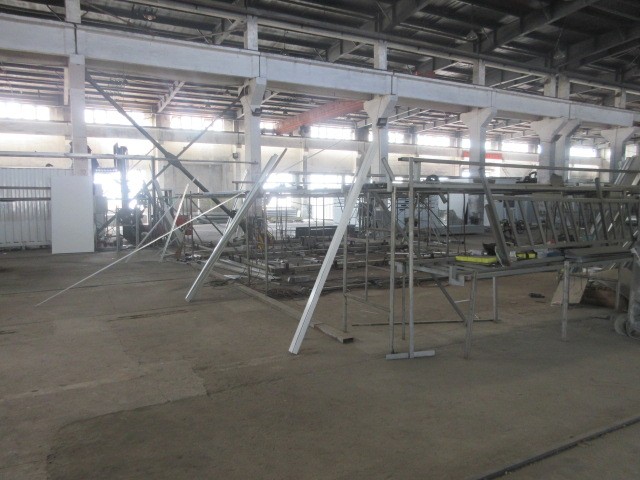
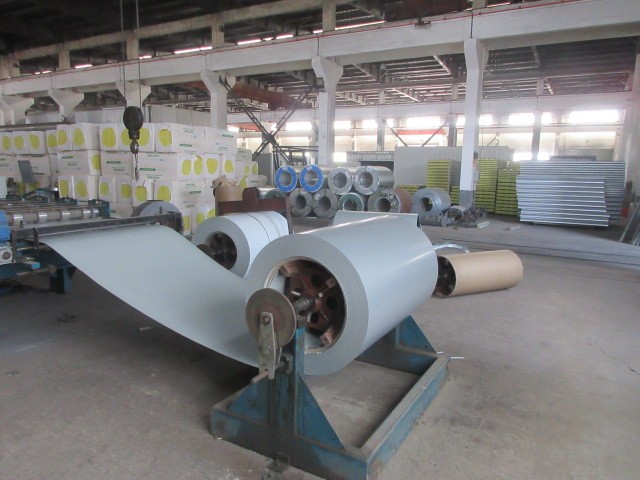
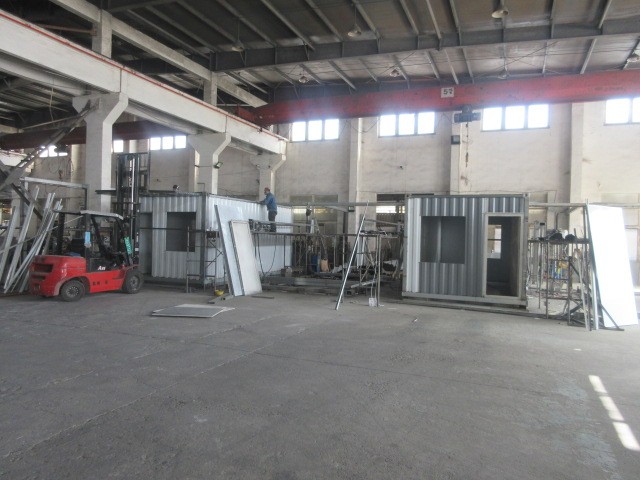
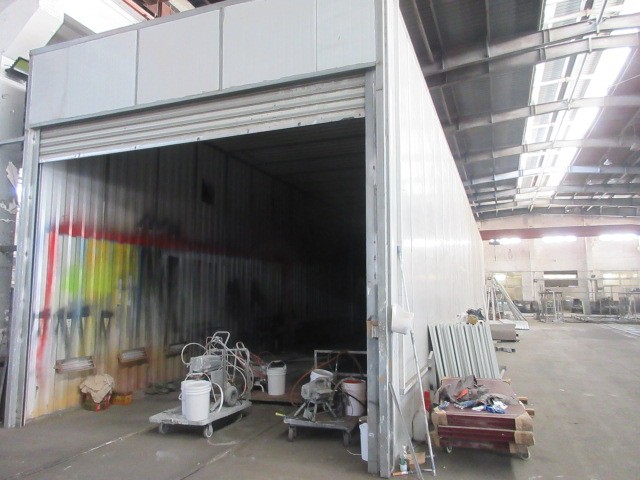
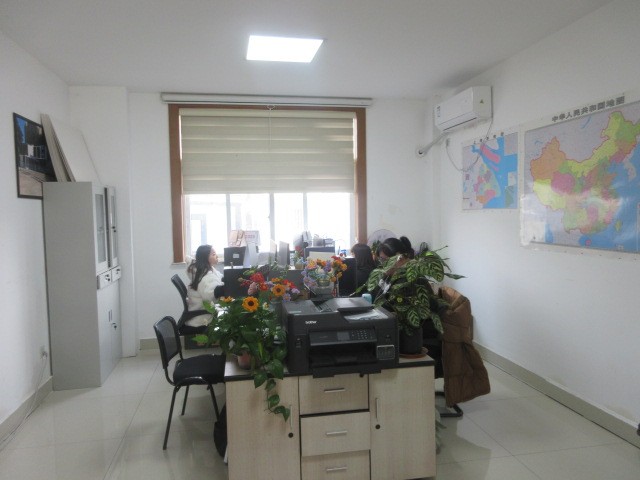
A behind-the-scenes look at the fabrication quality, structural frameworks, finishing processes, and final prep work at Foshan SES House Co., Ltd.
 SES House