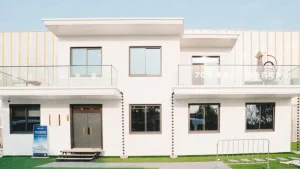
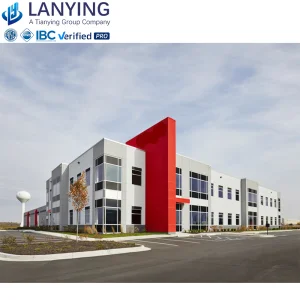
Explore our leading collection of customizable volumetric structures manufactured to meet international structural codes.
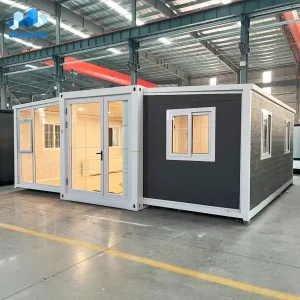
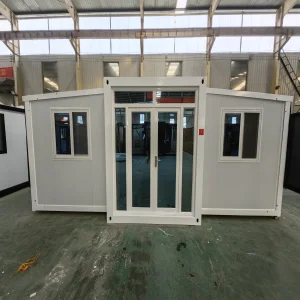
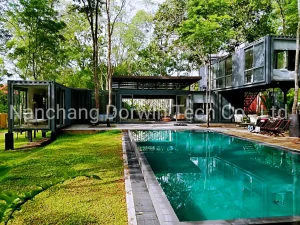
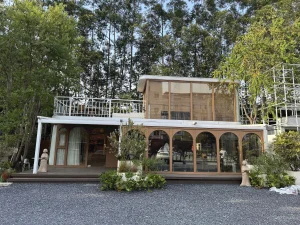
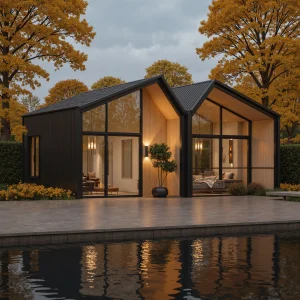
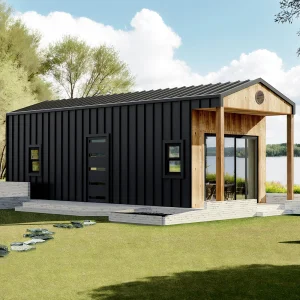
The global construction sector is undergoing a fundamental transformation. Driven by severe skilled labor shortages, rising material costs, strict environmental regulations, and the critical need for speed, developers and industrial project leads are pivoting away from traditional, on-site construction methodologies. The alternative—off-site volumetric modular construction—has emerged as a highly efficient, sustainable paradigm. At the center of this movement is Foshan SES House Co., Ltd., a premier global exporter specializing in custom OEM multi-purpose modular spaces, high-performance prefabricated homes, expandable container units, and heavy-duty structural steel buildings.
From our advanced engineering and manufacturing base in Foshan, China, we engineer and supply complex structural configurations to meet the demands of developers, contractors, and governmental authorities worldwide. Modular construction is no longer a temporary solution. It is a highly engineered, permanent, or relocatable option that combines structural integrity, architectural flexibility, and significant cost savings.
This document outlines the engineering principles, supply chain logistics, localized application vectors, and compliance structures that establish Foshan SES House Co., Ltd. as a trusted OEM/ODM partner for high-capacity, multi-purpose modular builds.
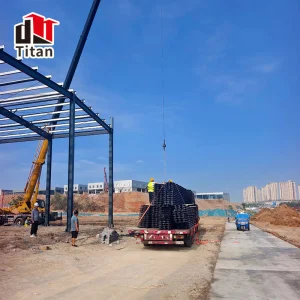
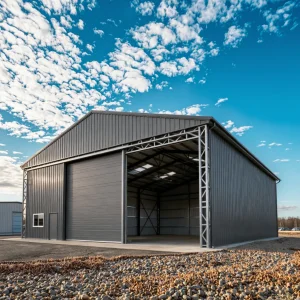
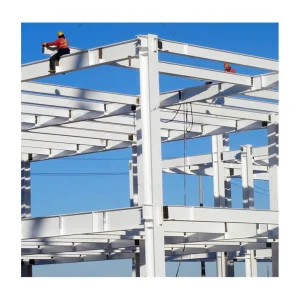
Manufactured using high-tensile cold-formed galvanized steel profiles to withstand Category 5 wind speeds and Class 8 seismic events.
Mechanical, Electrical, and Plumbing conduits are fully integrated into panel systems in-factory, complying with regional regulations.
How macroeconomic pressures are driving modular space adoption across primary geographic zones.
The adoption of modular building systems is accelerating across both developed and developing regions, driven by different local economic conditions:
Confronted with high labor costs and strict thermal performance regulations (such as Net-Zero directives), developers in these markets rely on modular construction to reduce reliance on local labor and ensure high performance with structural insulated panels (SIPs) and factory-insulated envelopes.
Faced with remote resource extraction sites and strict compliance standards (AS/NZS), mining operations and regional developers rely heavily on flat-pack and custom modular container complexes to set up worker accommodation, offices, and command centers quickly.
Rapid economic diversification, megaprojects like Saudi Vision 2030, and infrastructure demands across Africa require rapid deployment of modular structures, including temporary hospitals, retail capsules, and worker villages.
Analyzing how volumetric structures are adapted to distinct physical, structural, and regulatory settings.
Foshan SES House Co., Ltd. engineers multi-purpose modular spaces that are modified to perform in specific locations. Below are typical use cases demonstrating how these structures adapt to different environmental and spatial requirements.
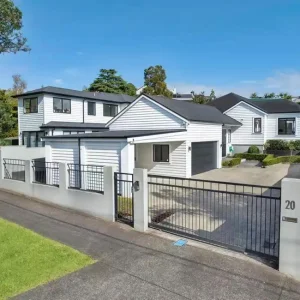
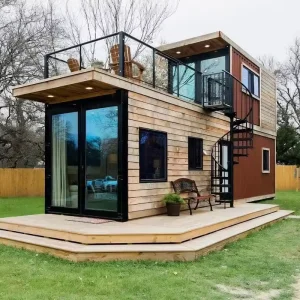
Coastal resorts operate in highly corrosive marine environment (C4/C5 corrosive classes) and must withstand high wind loads. Our custom prefabricated steel structure villas and modular container houses feature:
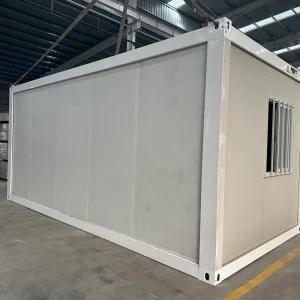
In remote mining locations and large industrial zones, accommodating workers requires strong, scalable, and rapidly deployed structures. Our steel dormitory camps provide:
Public health crises and rapid urban developments require medical-grade space solutions. Modern design light steel hospital structures are built for cleanliness and reliability:
Why sourcing from Foshan, the manufacturing hub of South China, ensures consistent quality and cost control.
Foshan SES House Co., Ltd. operates advanced manufacturing facilities in Foshan, China. This region is a major industrial hub for global construction materials, providing several advantages:
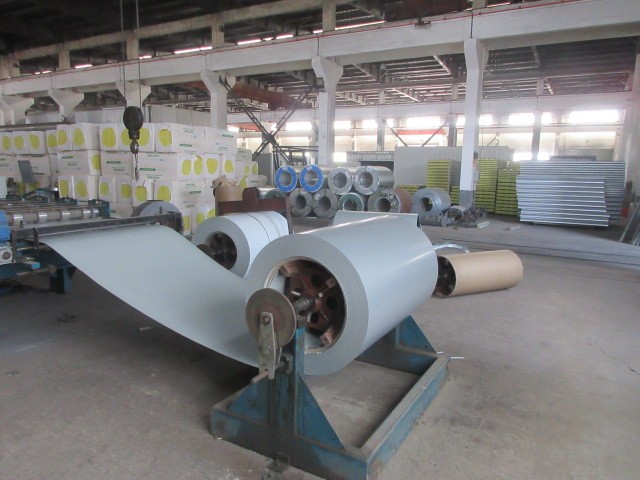
1. Complete Material Supply Chain: Within a 50km radius of our factory, we source raw structural steel, high-performance glazing, structural panels, insulation, and interior finishes directly from primary manufacturers. This integration helps insulate our pricing from global market fluctuations and ensures consistent quality.
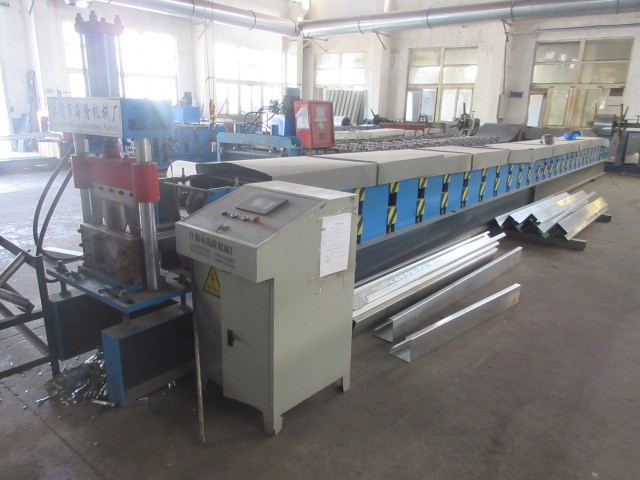
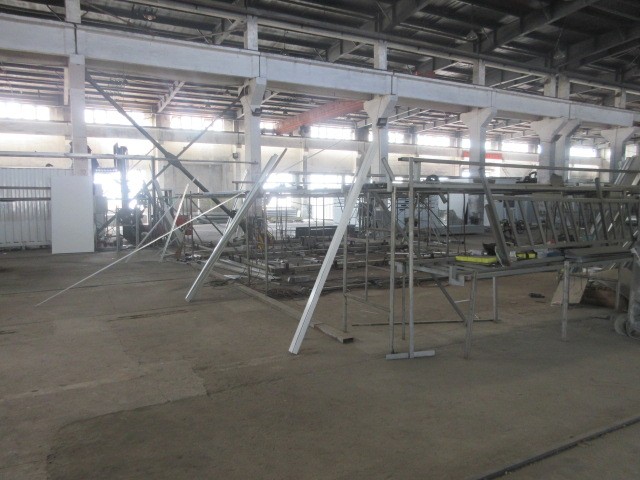
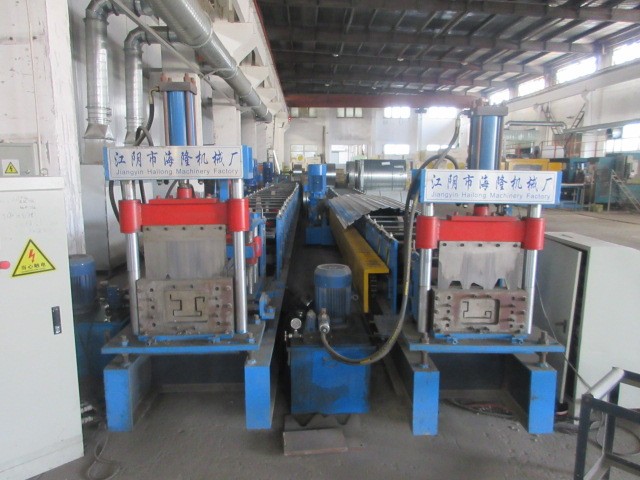
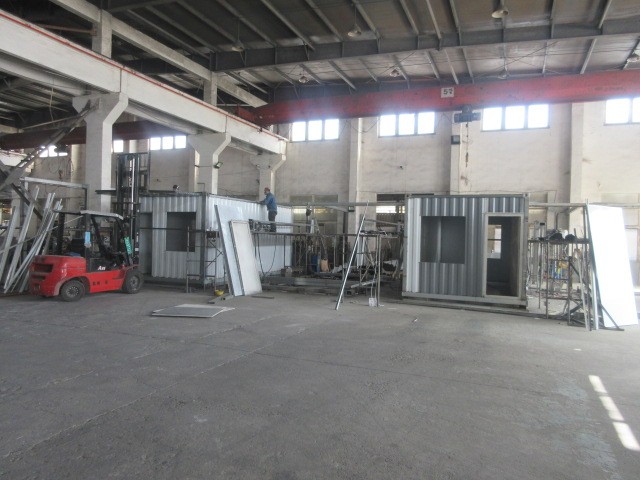
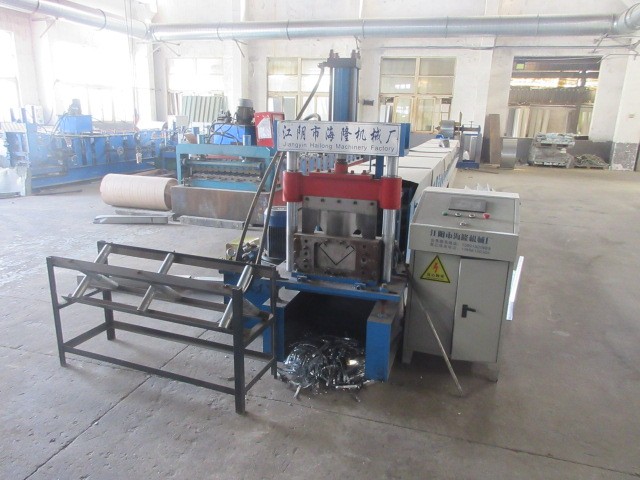
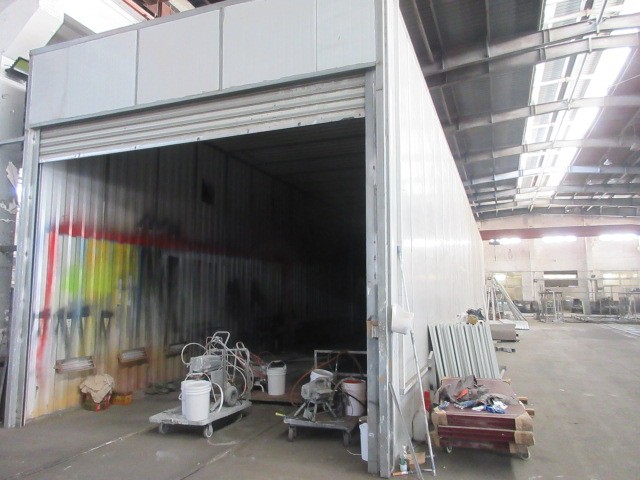
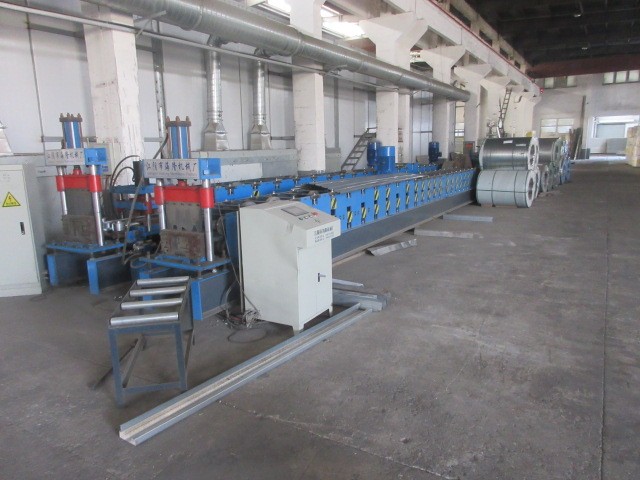
2. Precision Manufacturing: Our factory is equipped with automated CNC profile cutters, robotic steel welding systems, and structural panel lamination lines. Every frame component is cut and drilled within a ±1mm tolerance limit, ensuring fast assembly on site.
3. Advanced Testing & Quality Control: Each unit undergoes continuous inspection. This includes ultrasonic testing of welds, structural load-bearing tests, and pressurized water testing to ensure structural integrity and moisture resistance before shipping.
Innovation directions defining the next decade of prefabricated structures and ecological footprint reductions.
Targeting up to 40% reduction in lifetime carbon footprints through optimized thermal performance and recyclable steel structures.
Integrating Revit and Tekla BIM workflows to link architect designs with manufacturing systems and assembly plans.
The modular industry is moving beyond basic site shelters to create architectural platforms integrated with advanced building technology. Foshan SES House Co., Ltd. aligns with this shift through several key technical developments:
Ultra-Performance Thermal Boundaries: Future designs will combine Vacuum Insulation Panels (VIPs) and triple-glazed windows with argon infill, achieving U-values as low as 0.15 W/m²K. This minimizes operational HVAC loads, preparing units for Net-Zero Energy Building (NZEB) compliance.
Circular Engineering Protocols: We select recyclable framing and cladding elements, ensuring modular assemblies can be disassembled, relocated, or repurposed at the end of their operational lifecycle. This circular design model helps reduce waste in construction.
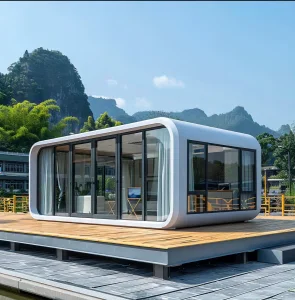
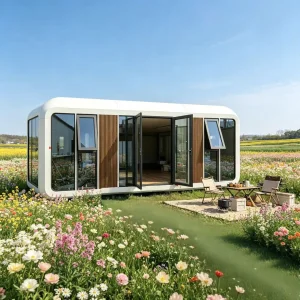
Autonomous Smart Utility Modules: We are developing self-contained solar-power arrays, lithium battery systems, rainwater collection basins, and membrane-based wastewater treatment units. These allow modular cabins, such as our modern space capsule villas, to operate off-grid in remote and sensitive natural locations.
Ensuring compliance with international building codes to secure regional building permits.
Obtaining building permits for modular structures requires rigorous documentation. Foshan SES House Co., Ltd. supplies structural engineering data, calculation logs, and raw material certificates to assist with project approvals:
| Engineering Property | Standard & Code Reference | Calculated Performance Range |
|---|---|---|
| Wind Resistance | AS/NZS 1170.2, AS 4055, IBC (Ch. 16) | Up to Wind Region D (Cyclonic conditions: ≤ 250 km/h) |
| Seismic Coefficient | GB 50011-2011, Eurocode 8 | Engineered to resist Class 8 seismic forces (PGA ≤ 0.3g) |
| Roof Live/Snow Loading | ASTM E72, BS EN 1991-1-3 | 1.5 kN/m² up to 3.5 kN/m² (Reinforced steel framing) |
| Thermal Transmittance (U-Value) | EN ISO 10211, ASHRAE 90.1 | Wall panels: 0.18 - 0.28 W/m²K (Depending on insulation core) |
| Fire Propagation Safety | AS 1530.1, BS 476 Part 4 / Part 21 | Class A non-combustible panels (Rockwool/Glasswool, 60-120 min) |
| Acoustic Attenuation | ISO 10140-2, ASTM E90 | STC 42dB to STC 52dB depending on multi-layer wall configurations |
Expert answers addressing the concerns of developers, estimators, and engineers when sourcing modular systems.
Browse our custom space solutions, ranging from folding units to heavy structural warehouses.
 SES House