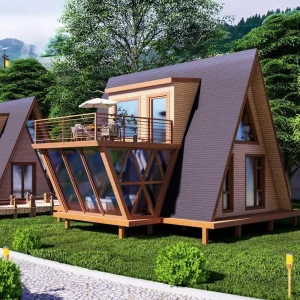
Explore our top-tier catalog of versatile, high-insulation, and structurally optimized modular living units.
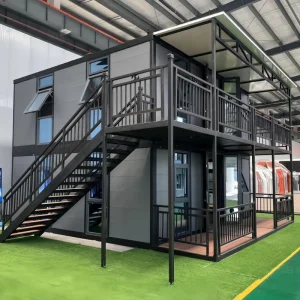
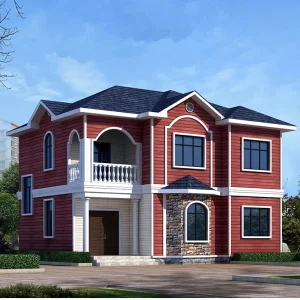
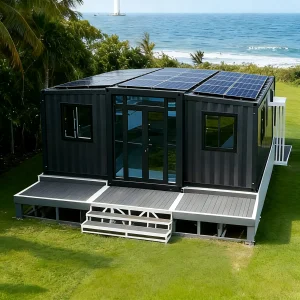
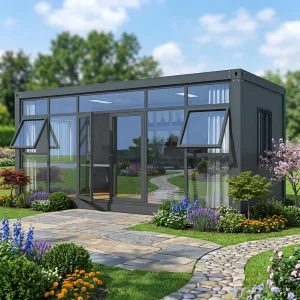
Foshan SES House Co., Ltd. stands as an industry-leading modular house manufacturer and exporter, delivering precision-engineered structures that bypass the operational friction of traditional, slow-paced construction methodologies. With our base in the industrial powerhouse of Foshan, China, we operate state-of-the-art facilities dedicated to the design, production, and worldwide shipping of prefabricated homes, structural steel complexes, and custom container villas.
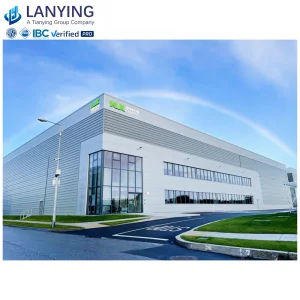
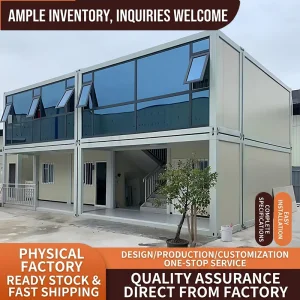
Our comprehensive OEM/ODM service portfolio encompasses structural engineering, advanced insulation science, weatherproofing, and turnkey aesthetic architectural configurations. Whether provisioning modular housing arrays for resource extraction projects in remote zones, installing quick-assembly medical infrastructure, or constructing modern, multi-story duplexes for urban developments, SES House integrates durability and modern styling into every single structural frame.
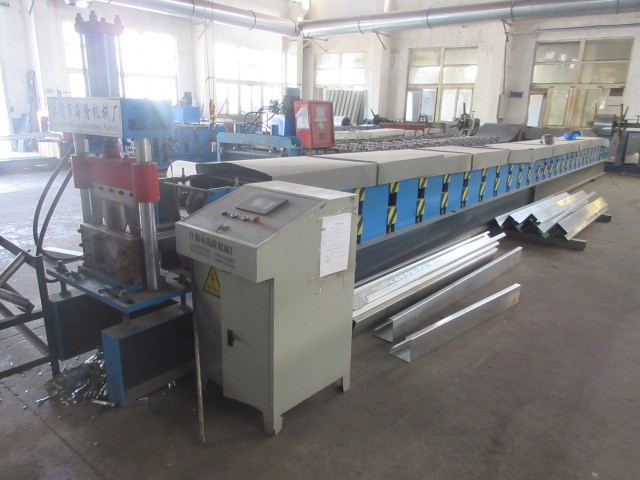
Utilizing high-tensile Q355B galvanized steel profiles, engineered utilizing Design for Manufacture and Assembly (DfMA) methodology to guarantee zero-defect configurations and precision alignment.
Standardized components combined with massive manufacturing scale dramatically lower initial capital expenditures while cutting on-site erection schedules by up to 70%.
Engineered to withstand extreme environmental forces, including wind loads of up to 250 km/h, seismic activities of Class 8 severity, and persistent relative humidity.
A detailed analysis of macro-economic drivers, technological progress, and supply chain efficiencies powering modular building adaptation globally.
The global demand for transportable living solutions and modular building packages is experiencing an unprecedented expansion, driven by acute labor shortages in traditional building trades, compounding urban housing deficits, and strict corporate mandates to align with Environmental, Social, and Governance (ESG) criteria. Beyond residential cottages and tiny suburban dwellings, industrial and commercial sectors are relying on modular formats to build scalable installations rapidly.
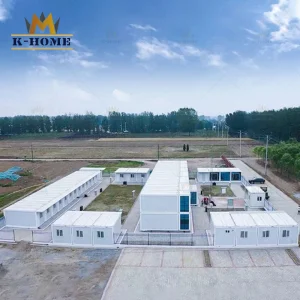
From remote mining camps in Western Australia to deep-water pipeline operations in North America and immediate-response emergency medical systems throughout Europe, modular deployment guarantees operational readiness in weeks rather than years. By shifting 90% of construction tasks offsite into controlled factory floors, companies bypass unpredictable weather disruptions and significantly minimize municipal waste.
Foshan is the undisputed global hub for industrial metals, structural fabrication, and architectural finishing materials. Foshan SES House Co., Ltd. capitalizes on this unique geographic concentration to build an integrated supply chain that directly lowers procurement and production costs. The seamless sourcing of galvanized structural steel, polyurethane sandwich panel systems, architectural glass, and integrated electrical conduits allows us to maintain strict quality control while maximizing speed.
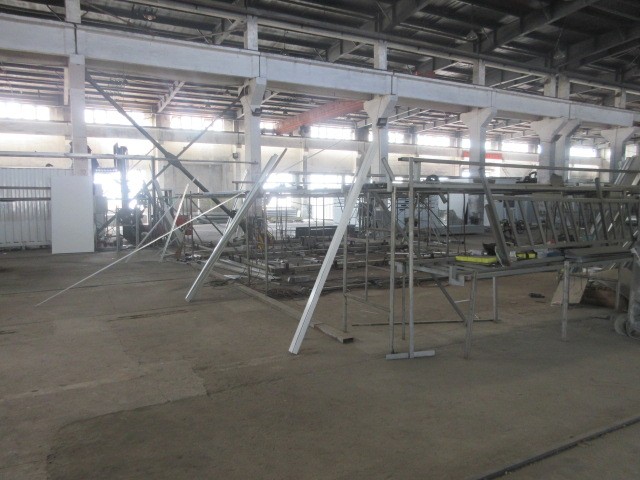
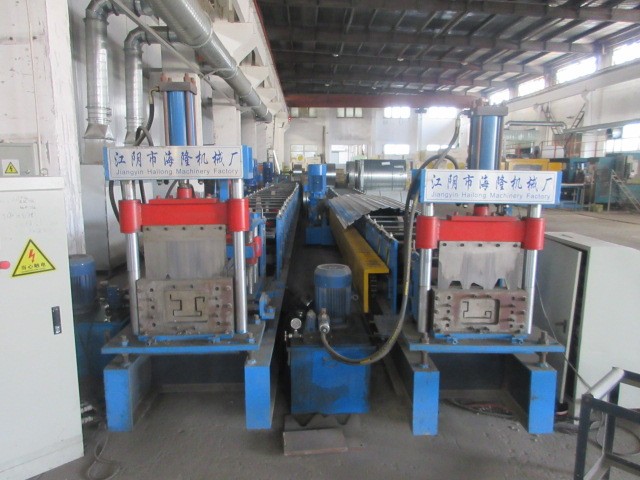
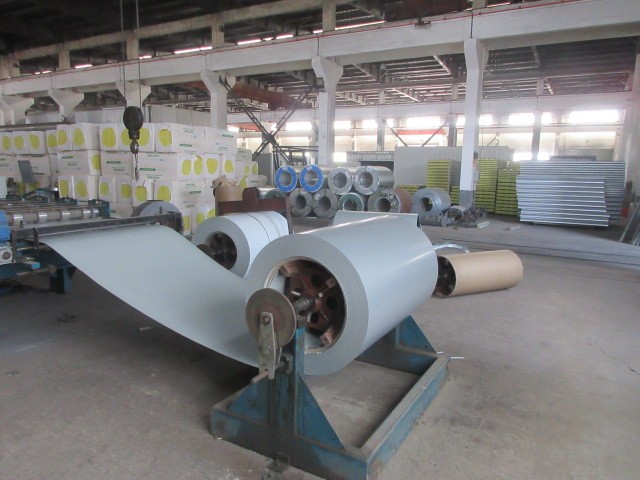
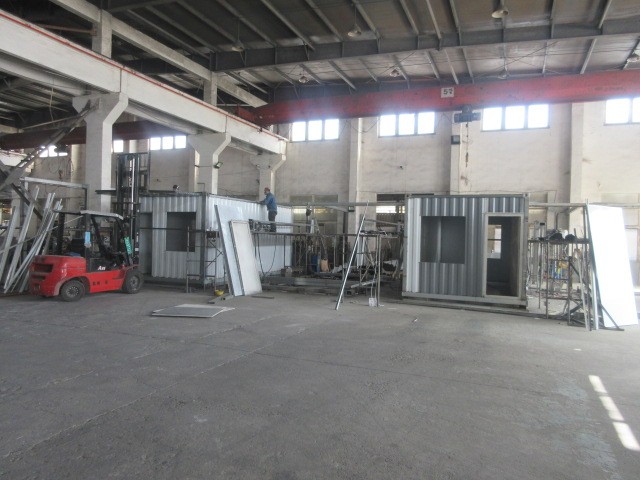
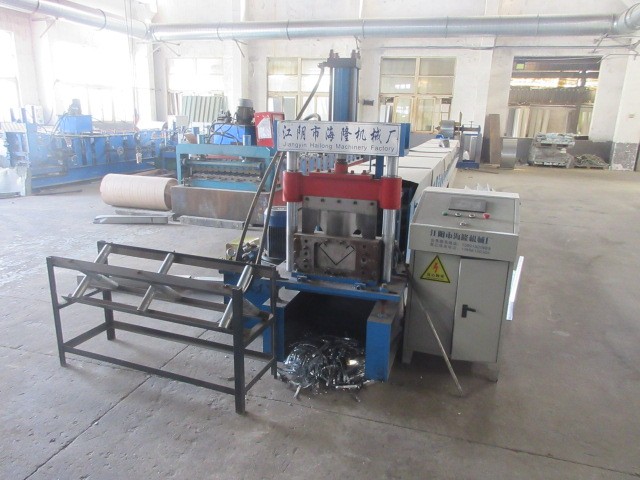
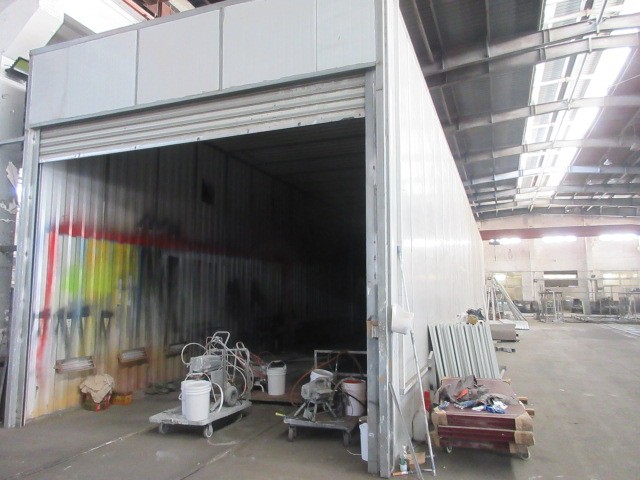
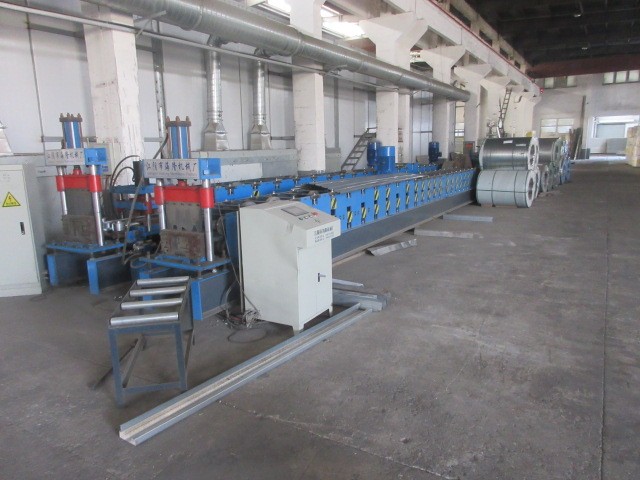
Our manufacturing floors implement computerized CNC steel cutting, automated welding, and specialized powder-coating lines to produce frame elements within tolerances under 1mm. This systematic assembly line production avoids the material wastage and structural misalignments typical of fragmented regional builders.
Our modular architecture systems are custom-engineered to meet specific regulatory frameworks and climatic challenges worldwide.
Focus: ADUs, Commercial Offices & Eco-Resorts. Outfitted with high-density polyurethane insulation (R-values exceeding regional energy codes), double-glazed Low-E glass, and structurally certified connections built to meet local building standards.
Focus: Remote Mining Camps & Coastal Villas. Specially configured using highly anti-corrosive, hot-dip galvanized finishes and marine-grade epoxy coatings to counter extreme salt-spray degradation and withstand severe category-5 cyclones.
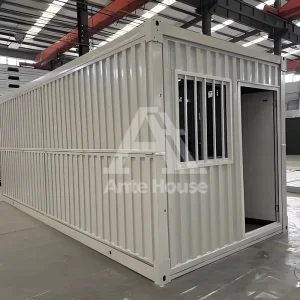
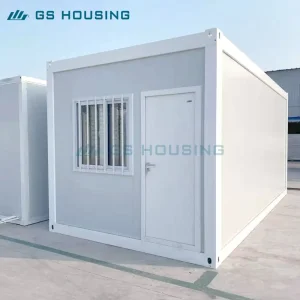
Focus: Commercial Workshops & Disaster Relief. Designed to prioritize flat-pack volumetric efficiency to significantly lower maritime shipping costs. Modular assembly requires only basic hand tools and minimal heavy construction machinery on site.
The next era of prefabricated construction relies on complete energy and water independence. Our advanced design workflows integrate roof-mounted solar photovoltaic grids, localized lithium-ion battery storage, rainwater harvesting channels, and gray-water recirculation plumbing directly into the modular frames. Additionally, integrated IoT monitoring systems allow operators to manage heating, ventilation, and power metrics in real-time, making these units ideal for extreme off-grid locations.
| Structural Type | Frame Metallurgy | Thermal Barrier Options | Wind Load Max | Seismic Rating | Deploy Time |
|---|---|---|---|---|---|
| Flat-Pack Container | Q235B/Q355B Galvanized Frame | 75mm Glasswool / EPS Panels | 180 km/h | Grade 8 Protection | 4 Workers / 3 Hours |
| Expandable Mobile Villa | Reinforced Cold-Rolled Steel | 75mm PU Sandwich / Rockwool | 210 km/h | Grade 8 Protection | 2 Workers / 1 Hour |
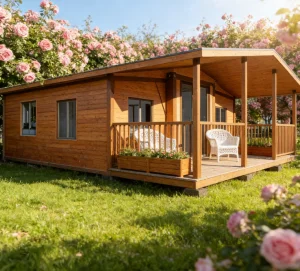
| Structural Luxury Villa | Light Gauge Steel Framing | Fiberglass Insulation + OSB Board | 250 km/h | Grade 9 Protection | 15 Days (Turnkey) |
| Space Capsule Tiny Home | Aviation Aluminum + Steel Base | Integrated PU Foaming Board | 220 km/h | Grade 8 Protection | Plug & Play (Immediate) |
For procurement officers, real estate developers, and EPC contractors navigating large-scale import cycles from China.
Managing international imports of modular structures demands a clear understanding of cargo optimization, regional building certifications, and customs documentation. At SES House, we run dedicated export logistics workflows that optimize every shipping container's volume. By utilizing customized flat-pack bundles, we fit up to 4 standard container cabins into a single 40ft High Cube container, reducing transport costs by up to 75%.
Our engineering office provides comprehensive calculation books, certified shop drawings, and component lists to speed up approval processes with municipal building authorities. Every electrical setup is pre-wired to meet local destination requirements, using UL-certified wiring for the US/Canada, SAA-approved systems for Australia, and CE-certified elements for Europe.
Get authoritative, technical answers to the most common questions about our modular systems.
We engineer our load-bearing columns and main beams with cold-formed structural steel, reinforced by rigid corner castings and high-strength bolt configurations. This creates a flexible frame system that absorbs seismic vibrations up to Grade 8 and withstands high winds up to 250 km/h. All structural calculations are verified through Finite Element Analysis (FEA) to ensure safety in coastal and seismic zones.
Our manufacturing line outputs up to 500 flat-pack and container units monthly. For standard orders, production takes 15 to 25 days from drawing confirmation. Custom OEM/ODM designs requiring structural tooling adjustments typically add 10 to 15 days for raw material procurement and engineering checks.
Yes. We adjust the insulation type and thickness to match local climate demands. For sub-zero areas, we upgrade to 100mm-150mm polyurethane (PU) or dense rockwool panels, avoiding thermal bridging through thermal break profiles. In high-heat areas, we apply exterior heat-reflective coatings and install double-pane Low-E window systems to reduce indoor cooling loads.
During the design phase, our engineers review regional codes (such as IRC/IBC in the US, NCC in Australia, and Eurocodes in Europe). We adjust parameters like load capacities, stair dimensions, ceiling heights, and fire ratings. We also provide full CAD designs, structural calculations, and material certifications to help you secure local permits.
Flat-Pack systems ship as bundled panels, optimizing shipping space (4 units pack into one 40ft HC container) and keeping shipping costs low. Expandable systems ship pre-assembled with folding walls. While they take more shipping space, they can be unfolded and set up on-site by two workers in under an hour, significantly cutting local assembly labor costs.
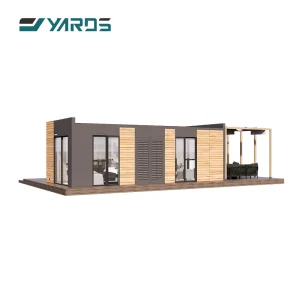
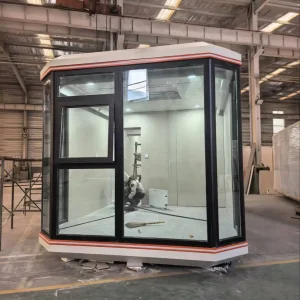
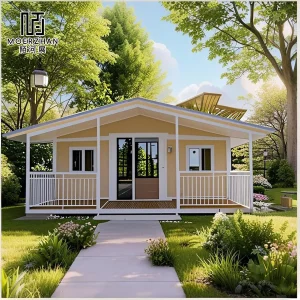
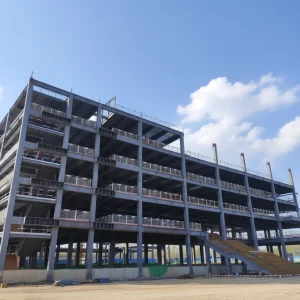
Premium villas, heavy-duty workspace structures, and innovative space capsules for modern living.
 SES House