Explore our high-performance structural configurations built for longevity, compliance, and swift architectural deployment globally.
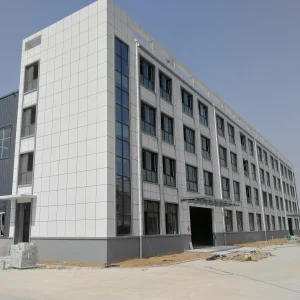
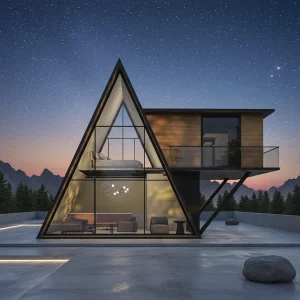
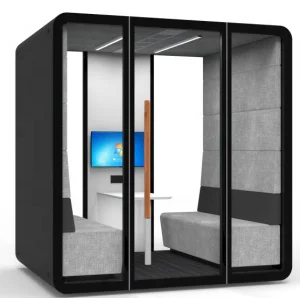
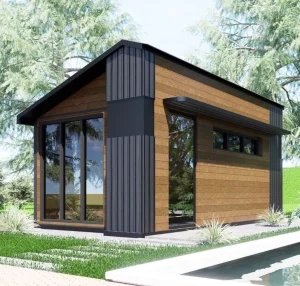
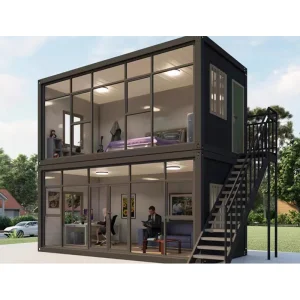
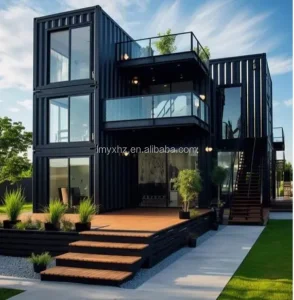
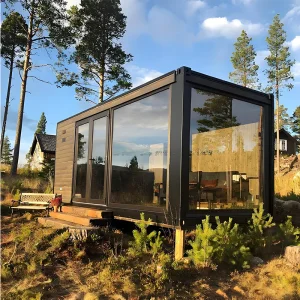
How rapid urbanization, shifting demographics, and off-site manufacturing methodologies are reshaping contemporary pedagogical environments.
Modern educational models are undergoing a massive evolution. Traditional brick-and-mortar schools, designed as static, monolithic structures, increasingly struggle to match the dynamic demands of 21st-century learning. Today's educational planners must accommodate fluctuating student enrollment, sudden shifts in safety protocols, and the continuous integration of physical and digital technologies. This challenge has driven an unprecedented surge in demand for **adaptable educational spaces**—high-tech, modular classrooms, laboratories, and resource centers manufactured off-site and customized to support evolving curricula.
By shifting construction from unpredictable job sites to precision manufacturing facilities, developers and municipal educational boards realize significant benefits in project predictability, speed, and environmental stewardship. Using industrialized steel structures, high-performance structural insulated panels (SIPs), and specialized acoustic assemblies, adaptable education modules provide performance characteristics equivalent to or exceeding site-built traditional structures.
According to institutional structural engineering assessments, structures with multi-functional internal partitions, load-bearing exterior perimeter steel, and pre-configured MEP (Mechanical, Electrical, Plumbing) interfaces reduce lifecycle remodeling costs by up to 65%. Rather than demolishing load-bearing concrete walls, administrators can simply reconfigure modern modular partition panels to transition from large lecture setups to collaborative group learning centers.
Analyzing key structural needs, regional applications, and operational configurations in diverse international markets.
Characterized by strict seismic regulations (ASCE 7) and intense thermal insulation requirements (ASHRAE 90.1). High-performance structural framing and modular HVAC integration are critical for regional deployment.
Driven by the European Green Deal and Net-Zero goals. Procurement values prioritize low embodied carbon, high levels of natural illumination, and structural systems engineered for circular deconstruction.
Rapid urbanization requires rapid build-outs. Structural systems must resist high humidity and intense UV exposure, utilizing marine-grade corrosion protections and high-efficiency mechanical ventilation.
Modular technologies have moved far beyond standard classrooms. Today's facilities deploy adaptability in key technical ways:
A global index of leading structural fabricators and engineering firms pioneering modular classrooms and flexible educational spaces.
Evaluating the top global manufacturers of modular systems requires looking at structural execution capacity, compliance frameworks, engineering methodologies, and global logistics. Below is the leading industry comparison of the top 10 modular manufacturers specializing in flexible learning spaces:
| Manufacturer Name | Primary Headquarters | Key Structural Strength | Compliance / Green Certifications |
|---|---|---|---|
| Foshan SES House Co., Ltd. | Foshan, China | Custom structural steel fabrication, high-capacity OEM/ODM, global logistics network | ISO9001, CE, ASTM Structural Standard, Eco-friendly sandwich panels |
| Algeco | United Kingdom / EU | Large-scale rental and permanent modular configurations across Europe | ISO 14001, BREEAM alignment |
| WillScot Mobile Mini | United States | Expansive rapid-deployment classroom fleet and quick site integration | IBC (International Building Code) Compliance |
| Portakabin | United Kingdom | Premium structural integrity and advanced acoustic performance | BBA Certification, ISO 9001 |
| Kleusberg | Germany | Architecturally complex modular construction with multi-story capacity | DGNB German Sustainable Building Council |
| Modulaire Group | Europe | Resource-efficient modular building design | Net Zero Carbon 2030 roadmap targets |
| NRB Modular Solutions | Canada | Heavy cold-climate structural insulation and framing expertise | CSA A277 standard compliance |
| Ausco Modular | Australia | Cyclonic wind resistance designs and remote school setups | National Construction Code (NCC) Australia |
| ATCO Structure & Logistics | Global / Canada | Remote and sub-zero community housing and multi-functional spaces | ISO 9001 & ISO 45001 |
| Kwikspace | South Africa | High-speed manufacturing and deployment of thermal panel structures | SANS (South African National Standards) |
A closer look at SES House's high-precision manufacturing, customization capability, and commitment to global modular development.
Foshan SES House Co., Ltd. is a leading Modular House Manufacturer | Prefabricated Homes, Container Houses & Steel Structure Buildings dedicated to providing innovative, efficient, and sustainable building solutions for clients worldwide. With extensive experience in prefabricated construction, the company serves residential, commercial, industrial, educational, healthcare, and infrastructure sectors through high-quality modular building systems.
Located in Foshan, China, SES House operates advanced manufacturing facilities equipped with modern production technologies and strict quality management systems. The company specializes in the design, engineering, manufacturing, and installation of a wide range of modular structures, including prefabricated homes, container houses, steel structure buildings, modular villas, portable houses, worker camps, modular offices, educational facilities, healthcare buildings, and customized commercial projects.
SES House offers comprehensive OEM, ODM, and project-based solutions tailored to the specific requirements of developers, contractors, government agencies, and private enterprises. From architectural planning and structural design to manufacturing, transportation, and on-site assembly support, the company delivers complete turnkey modular construction services. Every project is engineered to achieve durability, safety, energy efficiency, and rapid deployment.
Quality and innovation are at the core of the company's operations. By utilizing premium steel structures, environmentally friendly materials, and precision manufacturing processes, SES House ensures reliable building performance while reducing construction time and labor costs compared to traditional construction methods.
The company has successfully supplied modular building solutions to customers across North America, Europe, Australia, Southeast Asia, Africa, and the Middle East. Supported by professional project management, competitive pricing, flexible customization capabilities, and responsive customer service, SES House continues to build long-term partnerships with clients around the globe.
Foshan SES House Co., Ltd. remains committed to advancing modern construction through smart modular technologies, sustainable development practices, and high-quality prefabricated building solutions that meet the evolving needs of global markets.
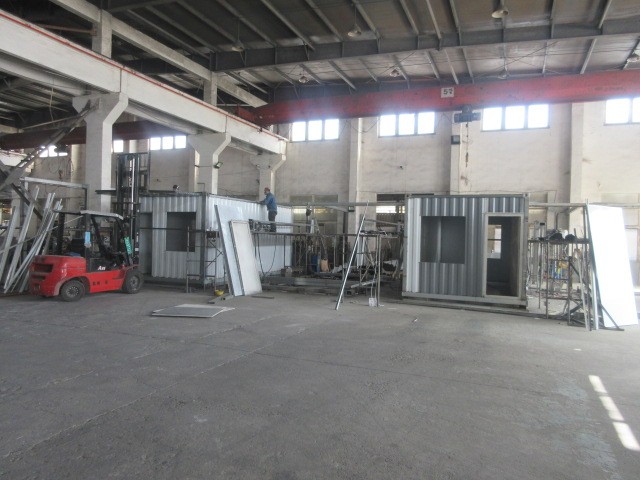
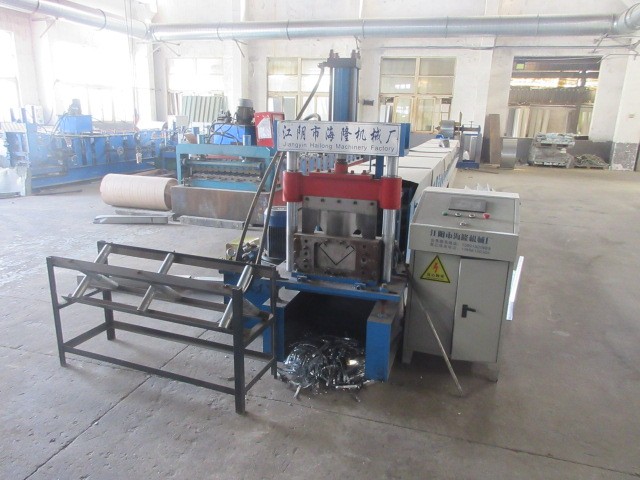
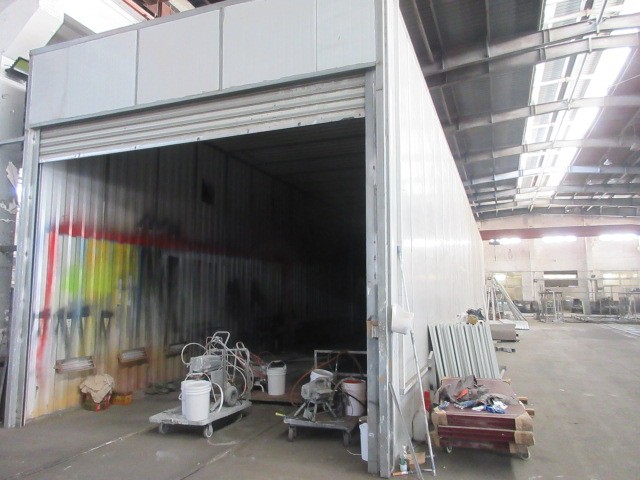
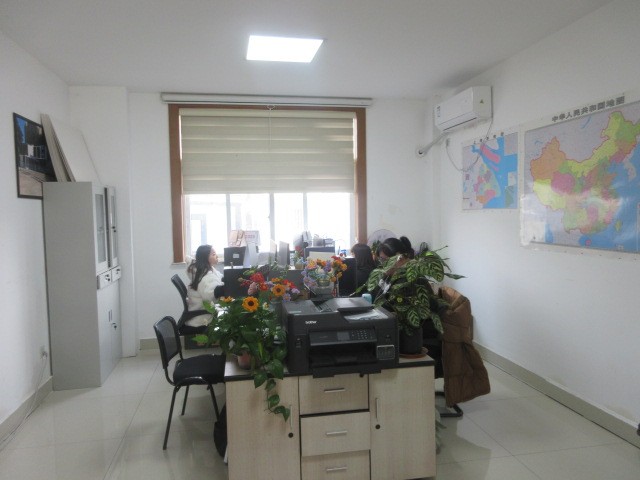
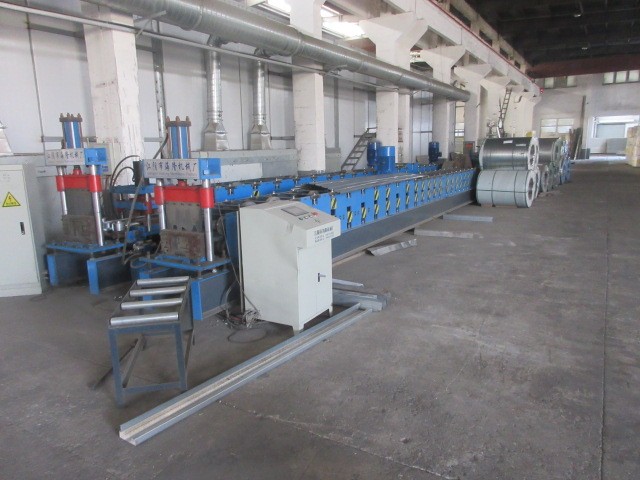
See our advanced structural manufacturing capability, panel systems, and completed projects around the world:
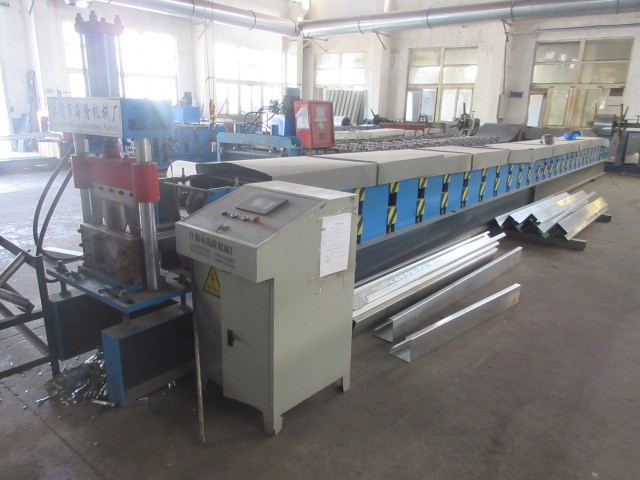
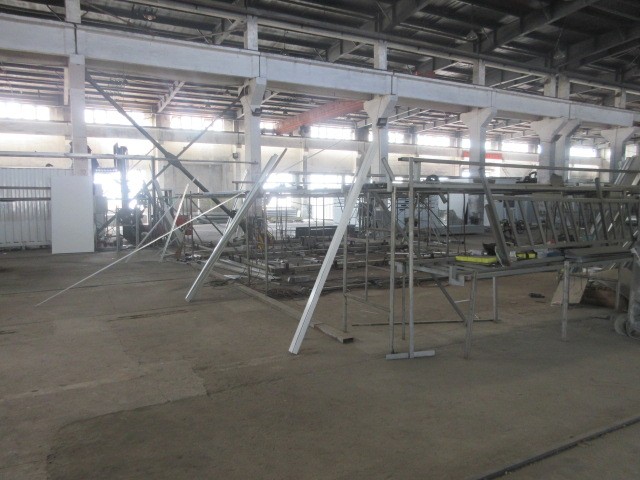
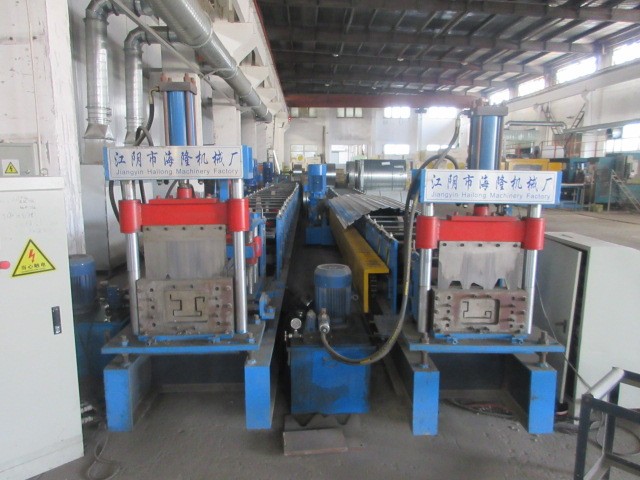
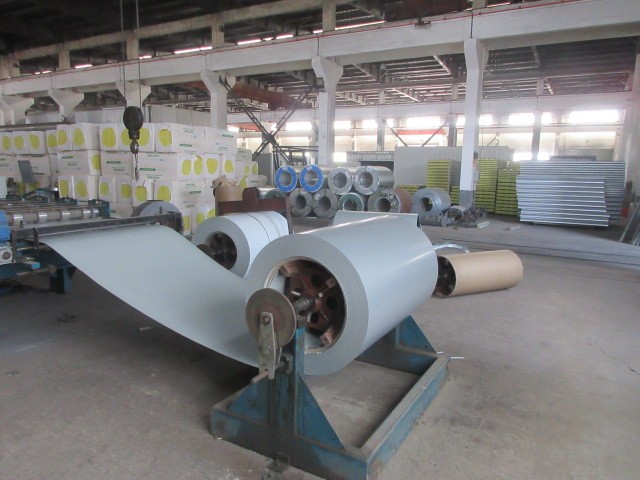
Ensuring compliance across regional building codes, fire safety guidelines, seismic ratings, and energy conservation requirements.
Deploying classroom infrastructure requires strict adherence to regional building codes. Unlike temporary job-site shacks, modern adaptable educational spaces must comply with permanent educational construction guidelines. This requires key engineering provisions:
Engineering plans must account for wind loading (e.g., ASCE 7 in the US, Eurocode 1 in Europe, AS1170 in Australia) to withstand typhoons and high winds. Frame calculations are validated using finite element analysis (FEA) to confirm safety margins.
Panels and partition walls are engineered to meet ASTM E84 Class A or EN 13501-1 Class A1 non-combustibility ratings. Integrated fire retardant insulation cores prevent rapid flame spread and minimize smoke generation.
To reduce noise levels, multi-layered drywall and rockwool core combinations are utilized. Thermal envelopes are engineered with low U-values (under 0.24 W/m²K) to lower operational HVAC costs.
A structural look at how sensor integration, sustainable energy, and structural adjustments will shape future modular schools.
The next generation of modular educational architecture focuses on integration, performance intelligence, and low-impact operations. Advanced manufacturing facilities are preparing for key technology integrations:
Expert answers addressing regulatory, logistical, and structural questions for procurement teams and project managers.
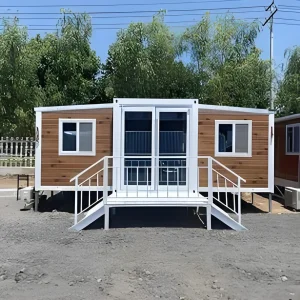
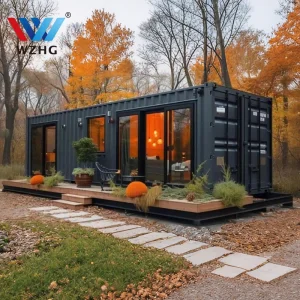
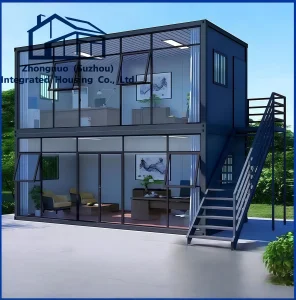
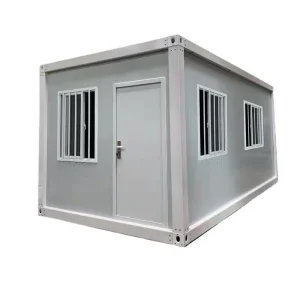
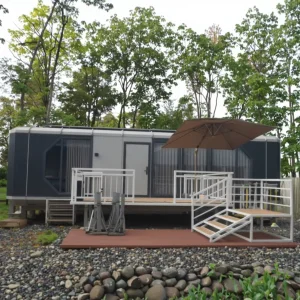
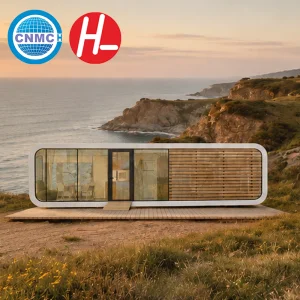
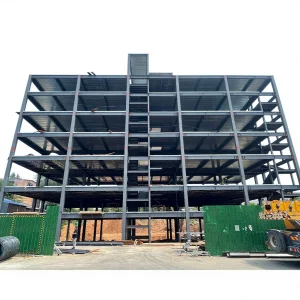
Explore our structural models, ranging from off-grid cabins and office boxes to emergency field clinics and high-rise apartments.
 SES House