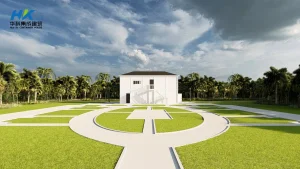
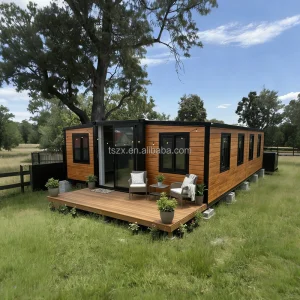
Engineered for rapid deployment, climate resilience, and low structural load profiles. Explore our featured lightweight systems below.
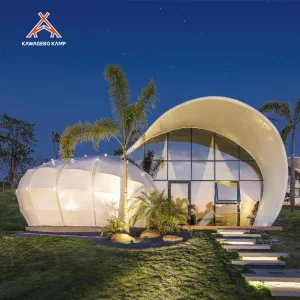
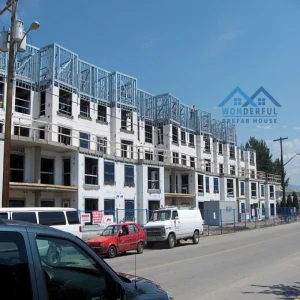
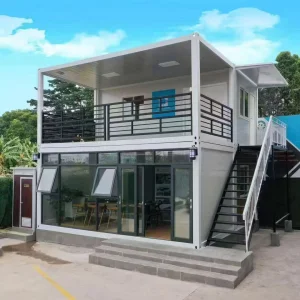
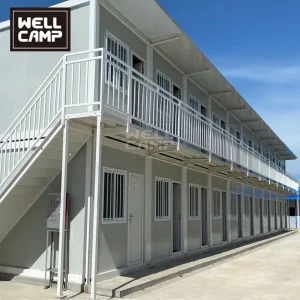
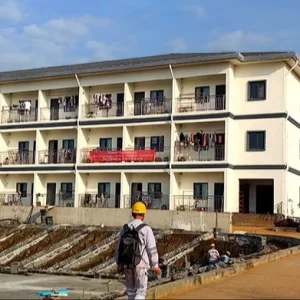
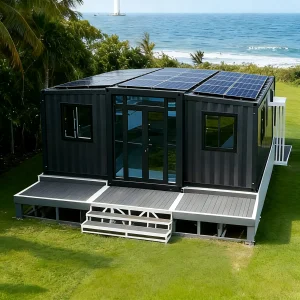
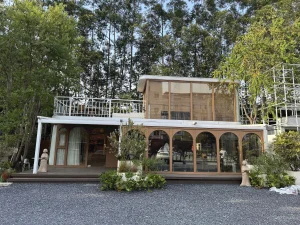
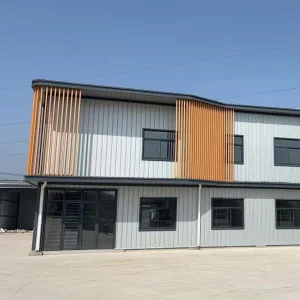
In modern architecture and construction, the adoption of Lightweight Building Solutions represents a major paradigm shift. Traditional concrete and masonry construction methods are increasingly challenged by environmental limits, rising labor costs, and long project timelines. Modern lightweight engineering utilizes advanced materials, structural optimization, and prefabrication to deliver buildings that are fast to assemble, resilient, and highly sustainable.
By using light gauge steel (LGS), structural insulated panels (SIPs), advanced polymers (such as 750G PVDF), and optimized aluminum framing, manufacturers can reduce the structural weight of buildings by up to 60% compared to traditional concrete. This weight reduction directly translates to smaller foundations, lower transport costs, and a significantly smaller carbon footprint, supporting global sustainability goals.
Lightweight building designs maximize strength-to-weight ratios. Light gauge steel structures can resist high wind loads and seismic forces while putting minimal dead load on foundations.
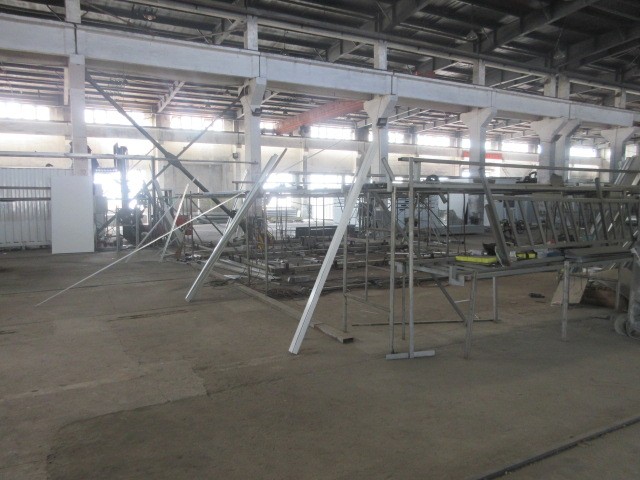
Fabricated in off-site facilities, these systems assemble quickly on-site. Projects can see construction time cut by 30% to 50% compared to traditional builds, reducing on-site disruption.
Lower labor requirements, minimal waste, and reduced transport loads help optimize financing. Fast assembly also means developers can put buildings into service sooner, improving ROI.
An analytical matrix evaluating top global suppliers on structural materials, compliance standards, and application fit.
| Manufacturer Group | Primary Structural Technology | Compliance Standards | Key Market & Use Cases | Information Gain & Value Advantage |
|---|---|---|---|---|
| Foshan SES House Co., Ltd. | Q235/Q345 LGS, Expandable Units, PVDF Systems | CE, SGS, ISO9001, AS/NZS (AU Compliance ready) | Global commercial, remote camps, residential, eco-villas | Full OEM/ODM support, integrated solar options, optimized packing |
| European Modular Leaders | Timber Frame Hybrid, Heavy Container Systems | Eurocodes, BREEAM certified | EU urban multi-family, public schools | Excellent thermal efficiency (U-values below 0.15 W/m²K) |
| North American LGS Fabricators | Heavy-gauge stud framing, structural panels | IBC, IRC, AISC standards | Commercial infills, high-density residential | Good BIM workflow integration, though high freight costs |
| Australian Modular Pioneers | Steelframe volumetric, relocatable structures | AS/NZS 1170, NCC Compliance | Resource sector camps, remote school expansions | Strong cyclone protection, high-cost local fabrication |
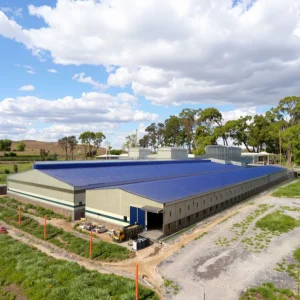
| East Asian Industrial Conglomerates | Heavy steel portal frame systems | JIS, GB standards | Large-scale industrial warehouses, hangars | Mass production scale, but less flexible custom designs |
| Middle East Rapid Build Groups | EPS sandwich panel, composite concrete | Civil Defense approved fire barriers | Fast site housing, security offices | Designed for dry, hot environments with high AC loads |
| Latin American Panel Systems | Light PVC formwork, basic metal frames | Local housing authority approvals | Social housing projects, simple additions | Very low cost, basic finishes, limited height options |
| Southeast Asian Prefab Factories | Basic mild steel, light sandwich panels | ISO9001 baseline | Agriculture facilities, worker dormitories | Affordable pricing, limited wind resistance |
| Nordic Eco-Prefab Systems | Glulam, Cross-laminated timber (CLT) | Passive House standards | Eco-tourism cabins, high-end residential | Ultra-low carbon footprint, premium pricing model |
| South Asian Panel Systems | Corrugated metal, EPS foam core panels | National Building Codes (NBC) | Temporary offices, disaster relief | Fast shipping, suited for quick assembly |
Foshan SES House Co., Ltd. is a leading Modular House Manufacturer | Prefabricated Homes, Container Houses & Steel Structure Buildings dedicated to providing innovative, efficient, and sustainable building solutions for clients worldwide. With extensive experience in prefabricated construction, the company serves residential, commercial, industrial, educational, healthcare, and infrastructure sectors through high-quality modular building systems.
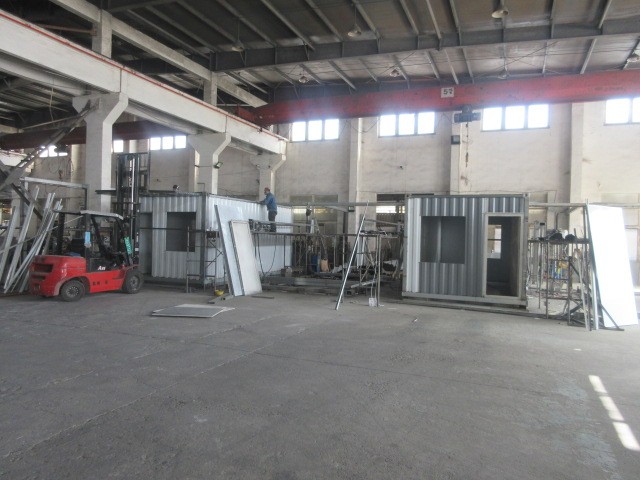
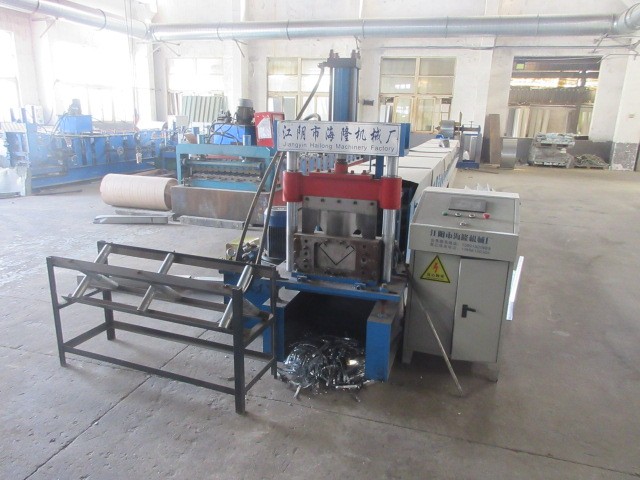
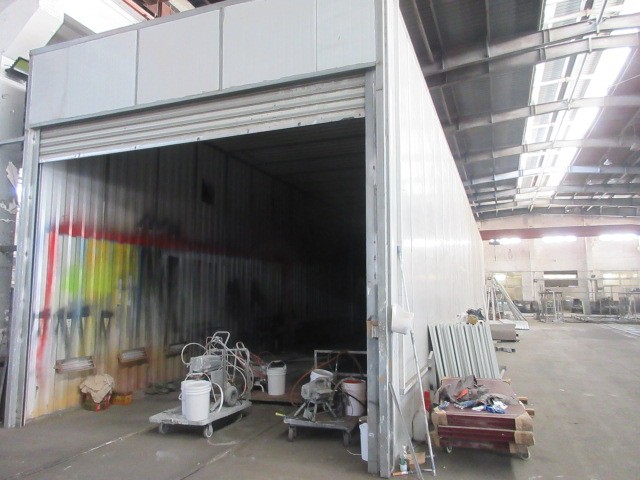
Located in Foshan, China, SES House operates advanced manufacturing facilities equipped with modern production technologies and strict quality management systems. The company specializes in the design, engineering, manufacturing, and installation of a wide range of modular structures, including prefabricated homes, container houses, steel structure buildings, modular villas, portable houses, worker camps, modular offices, educational facilities, healthcare buildings, and customized commercial projects.
SES House offers comprehensive OEM, ODM, and project-based solutions tailored to the specific requirements of developers, contractors, government agencies, and private enterprises. From architectural planning and structural design to manufacturing, transportation, and on-site assembly support, the company delivers complete turnkey modular construction services. Every project is engineered to achieve durability, safety, energy efficiency, and rapid deployment.
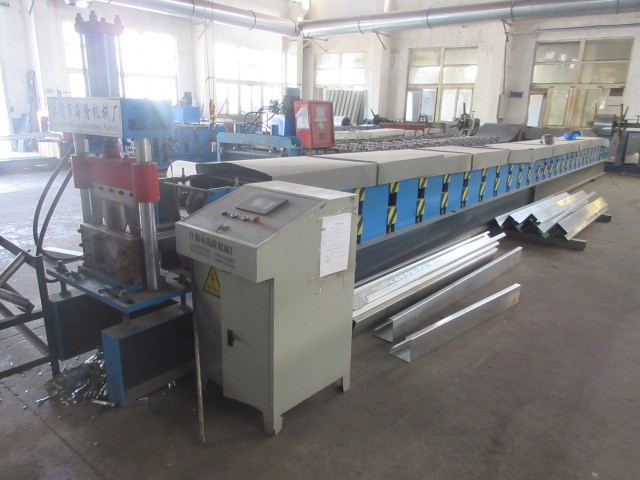
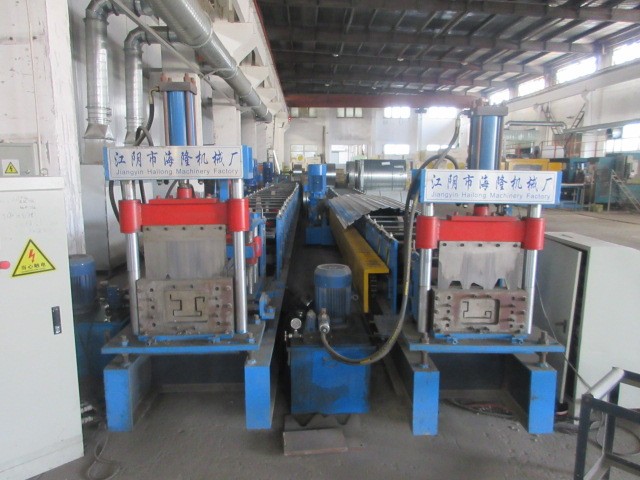
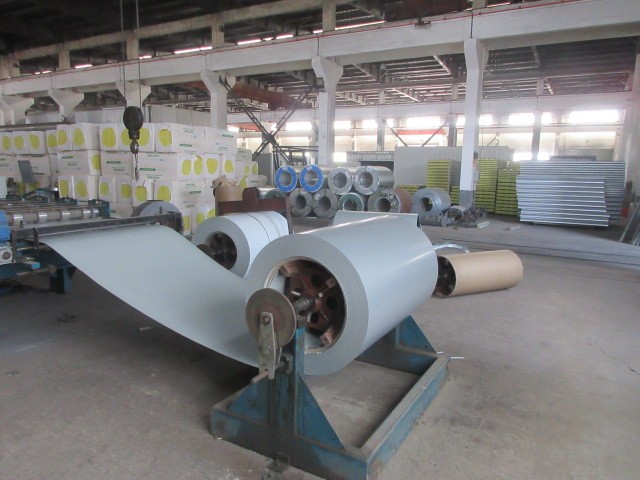
Quality and innovation are at the core of the company's operations. By utilizing premium steel structures, environmentally friendly materials, and precision manufacturing processes, SES House ensures reliable building performance while reducing construction time and labor costs compared to traditional construction methods.
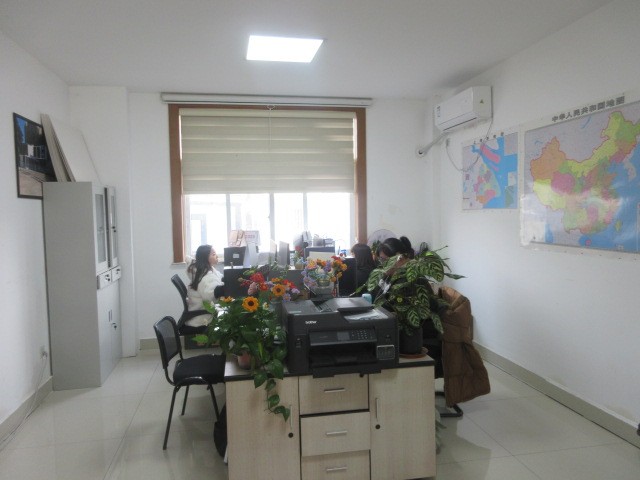
The company has successfully supplied modular building solutions to customers across North America, Europe, Australia, Southeast Asia, Africa, and the Middle East. Supported by professional project management, competitive pricing, flexible customization capabilities, and responsive customer service, SES House continues to build long-term partnerships with clients around the globe.
Foshan SES House Co., Ltd. remains committed to advancing modern construction through smart modular technologies, sustainable development practices, and high-quality prefabricated building solutions that meet the evolving needs of global markets.
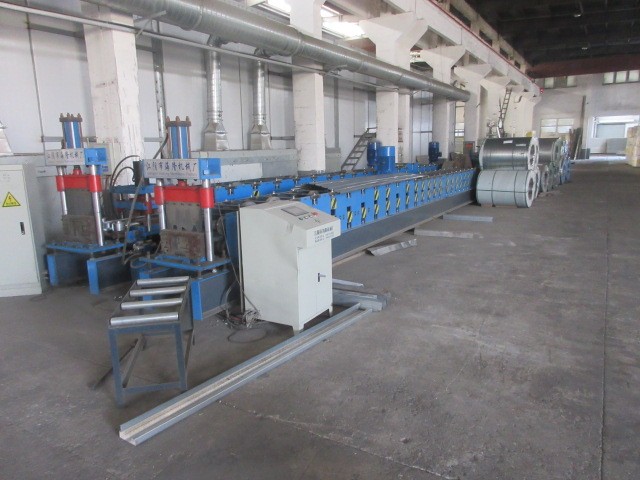
How lightweight modular solutions are transforming the economics and carbon footprints of construction worldwide.
Rapid economic growth and urbanization require faster building deployment. Traditional building processes struggle to meet demand due to skilled labor shortages, tightening environmental limits, and rising material costs. Lightweight Building Solutions address these issues by moving up to 90% of the construction work into controlled factory settings. This minimizes on-site work and reduces weather-related delays.
From a life-cycle perspective, modular structures offer significant environmental benefits. Using light gauge steel (LGS) allows for efficient recycling at the end of a building's lifecycle. Additionally, using advanced insulation materials like polyurethane (PU) and rockwool in structural panels helps lower the operational energy requirements of completed projects, making it easier to meet green building standards like LEED and BREEAM.
Different markets present unique geographical, climatic, and regulatory challenges. A reliable manufacturer must design systems that conform to local codes to ensure approval and safety.
In the US and Canada, lightweight steel systems must comply with the International Building Code (IBC) and International Residential Code (IRC). Key concerns include wind load ratings for coastal areas (e.g., Florida Hurricane Zones) and snow load ratings for northern regions. Insulated modular assemblies are designed to meet or exceed ASHRAE 90.1 energy performance standards, keeping thermal bridging to a minimum.
The Oceanian market requires structures built to withstand severe wind events (up to Cyclonic Region D standards) under AS/NZS 1170. Prefabricated tiny homes and container modules must comply with the National Construction Code (NCC) in Australia. Corrosion protection is also essential; steel components require heavy-duty hot-dip galvanization (minimum AZ150 coating weight) to resist salt-spray corrosion in coastal environments.
The European market focuses heavily on strict structural calculations (Eurocode 3 for steel) and environmental performance. CE marking is mandatory for steel structures under EN 1090. Structural thermal transmittance values (U-values) must meet strict local limits, which requires using advanced sandwich panel assemblies and double- or triple-glazed windows.
The lightweight building sector is evolving rapidly, driven by materials science, digital design processes, and smart building integration. Manufacturers are investing in key research areas to improve performance:
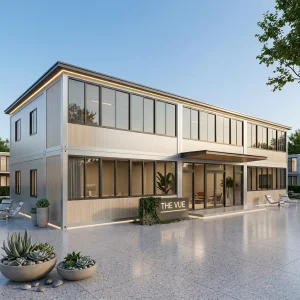
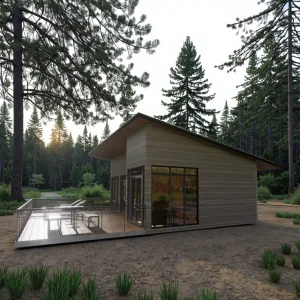
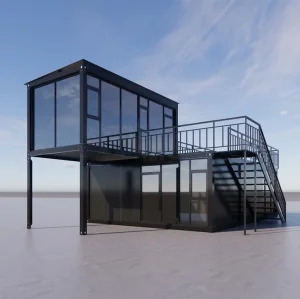
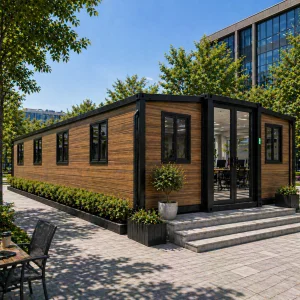
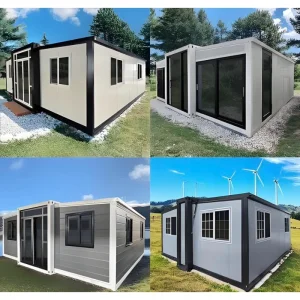
From modular offices to residential structures, view our additional specialized pre-engineered designs below.
Answers to common structural, thermal, and regulatory questions regarding lightweight modular buildings.
 SES House