The global construction industry is undergoing a paradigm shift. Rising labor costs, material shortages, and stringent ESG (Environmental, Social, and Governance) requirements have accelerated the migration from traditional on-site masonry to Industrialized Off-Site Manufacturing (OSM). In particular, smart prefabricated homes are transitioning from temporary installations to permanent, high-performance residential and commercial developments.
As the leading hub for modular engineering, China’s smart prefabricated homes ecosystem is defined by massive scale, complete supply-chain integration, and rigorous alignment with international structural codes. The integration of Building Information Modeling (BIM), advanced cold-formed thin-walled steel frame techniques, and smart IoT home control systems positions Chinese manufacturers at the pinnacle of international exports. By optimizing factory tolerances down to a millimeter scale, these factories deliver structures that exhibit superior thermal, acoustic, and seismic resistance compared to traditional builds.
Foshan SES House Co., Ltd. is a leading Modular House Manufacturer | Prefabricated Homes, Container Houses & Steel Structure Buildings dedicated to providing innovative, efficient, and sustainable building solutions for clients worldwide. With extensive experience in prefabricated construction, the company serves residential, commercial, industrial, educational, healthcare, and infrastructure sectors through high-quality modular building systems.
Located in Foshan, China, SES House operates advanced manufacturing facilities equipped with modern production technologies and strict quality management systems. The company specializes in the design, engineering, manufacturing, and installation of a wide range of modular structures, including prefabricated homes, container houses, steel structure buildings, modular villas, portable houses, worker camps, modular offices, educational facilities, healthcare buildings, and customized commercial projects.
SES House offers comprehensive OEM, ODM, and project-based solutions tailored to the specific requirements of developers, contractors, government agencies, and private enterprises. From architectural planning and structural design to manufacturing, transportation, and on-site assembly support, the company delivers complete turnkey modular construction services. Every project is engineered to achieve durability, safety, energy efficiency, and rapid deployment.
Quality and innovation are at the core of the company's operations. By utilizing premium steel structures, environmentally friendly materials, and precision manufacturing processes, SES House ensures reliable building performance while reducing construction time and labor costs compared to traditional construction methods.
The company has successfully supplied modular building solutions to customers across North America, Europe, Australia, Southeast Asia, Africa, and the Middle East. Supported by professional project management, competitive pricing, flexible customization capabilities, and responsive customer service, SES House continues to build long-term partnerships with clients around the globe.
Foshan SES House Co., Ltd. remains committed to advancing modern construction through smart modular technologies, sustainable development practices, and high-quality prefabricated building solutions that meet the evolving needs of global markets.
Smart prefabricated buildings cannot follow a "one-size-fits-all" approach. Different geopolitical jurisdictions, climatic regions, and commercial objectives demand customized structural systems.
In regions like Scandinavia and Northern Canada, extreme cold requires thermal envelopes with exceptionally low U-values. Pre-fitted multi-layer rockwool, polyurethane insulation boards, and triple-glazed Low-E argon-filled windows are incorporated into the steel frames, ensuring HVAC load efficiency and compliance with the Passive House standard.
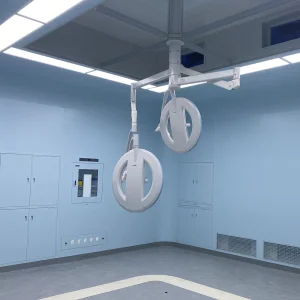
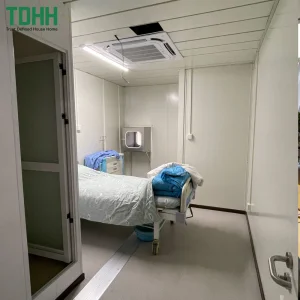
Hospitals and clean operating rooms require highly controlled air exchange systems and antimicrobial interior finishes. Using modular volumetric panels with pre-integrated HVAC, HEPA filtration, and hermetically sealed joints, factories can deliver medical complexes in weeks instead of years.
For coastal zones prone to Category 5 hurricanes and seismically active regions, light-gauge steel framing combined with high-tensile connection brackets provides unmatched ductility. Buildings are engineered to withstand ground accelerations up to Grade 8 and wind speeds of up to 250 km/h.
To offer true **Information Gain** over standard marketing text, the following matrix details the material properties, engineering standards, and mechanical integration systems employed by SES House to comply with international regulations (such as IBC, Eurocodes, and AS/NZS standards).
| Modular Category | Primary Material Specs | Thermal & Acoustic Rating | Structural Compliance | Smart IoT Integrations |
|---|---|---|---|---|
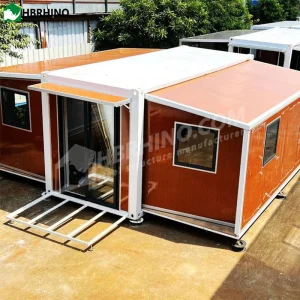
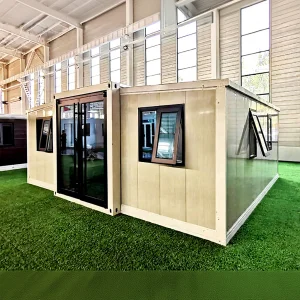
| Expandable Container Homes | Q235/Q345 Galvanized Steel + 75mm PU Sandwich Panels | R-Value: 22 / Acoustic: 38 dB | CE, SGS, AS/NZS (Wind Load Grade 10) | Smart lock, localized heat recovery ventilation (HRV) |
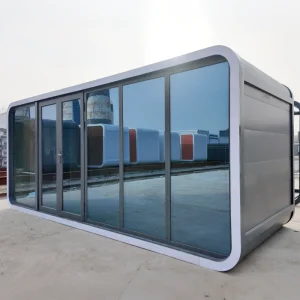
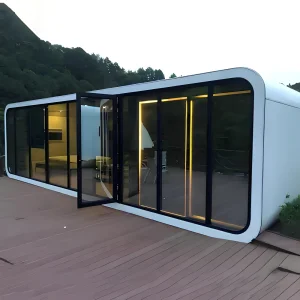
| Apple Capsule Pods | Aviation-grade aluminum shell + Carbon fiber frame | R-Value: 26 / Acoustic: 45 dB | ISO9001, FCC/CE electrical components | Curved smart glass dimming, voice control HVAC |
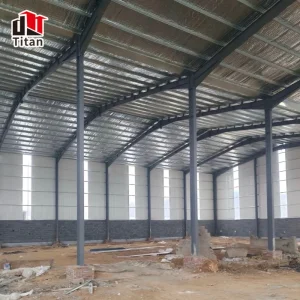
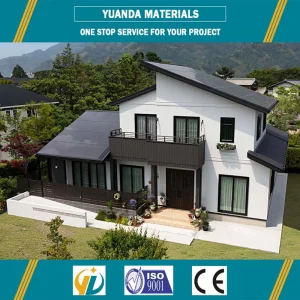
| Light Steel Villas | G550 cold-formed galvanized light steel (AZ150 coating) | R-Value: 32+ (Double-layer insulated) | IBC (International Building Code), Eurocode 3 | BIPV Solar roofing, centralized smart grid integration |
| Modular Cleanrooms | Stainless steel frame + Electrostatic anti-dust EPS panels | Class 100-10000 Cleanroom Rated | GMP Cleanliness standard, EN 14764 | Automated differential pressure monitor, HEPA sensors |
The integration of Building Integrated Photovoltaics (BIPV) is transforming modular buildings from passive energy consumers into active power generators. Modern roof panels are designed as PV-cells that feed localized battery storage units. This is critical for off-grid modular cabins, eco-tourism resorts, and remote mining worker camps. Greywater recovery systems and air-source heat pumps (ASHP) are pre-engineered into the structural chassis, reducing operational utility expenses by up to 60%.
Addressing the primary informational gaps and search intents of B2B procurement officers, developers, and import specialists.
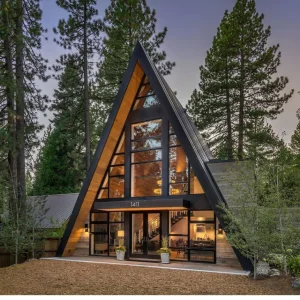
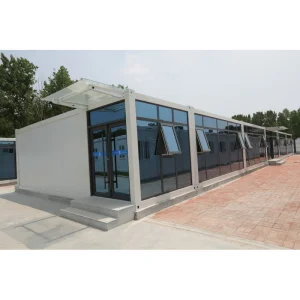
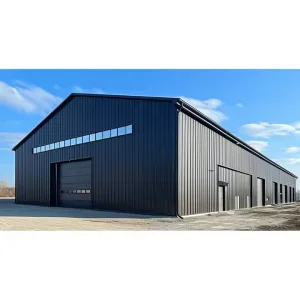
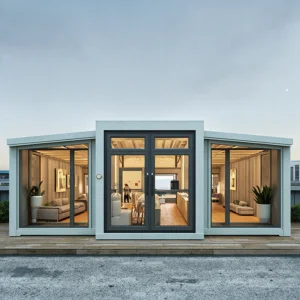
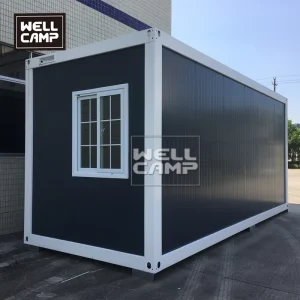
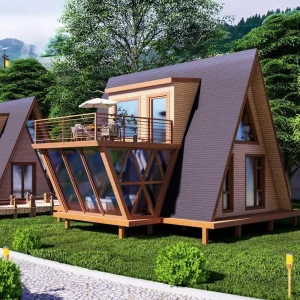
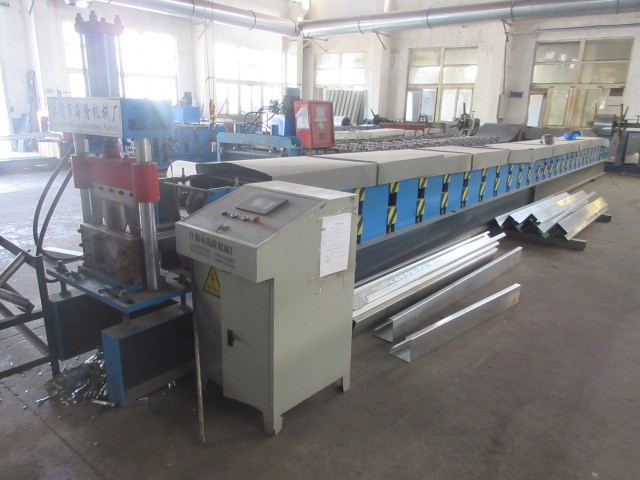
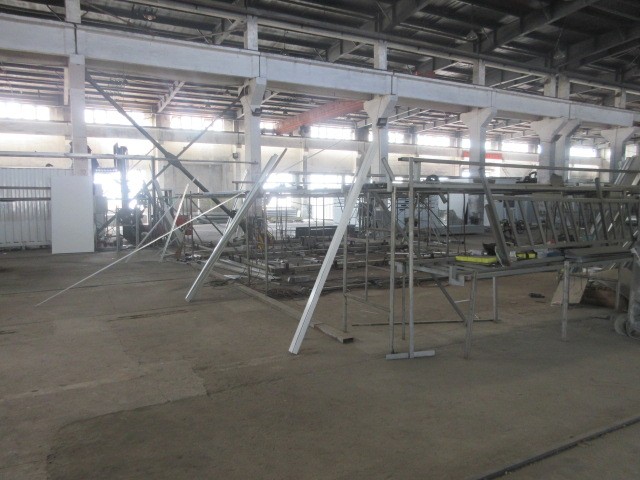
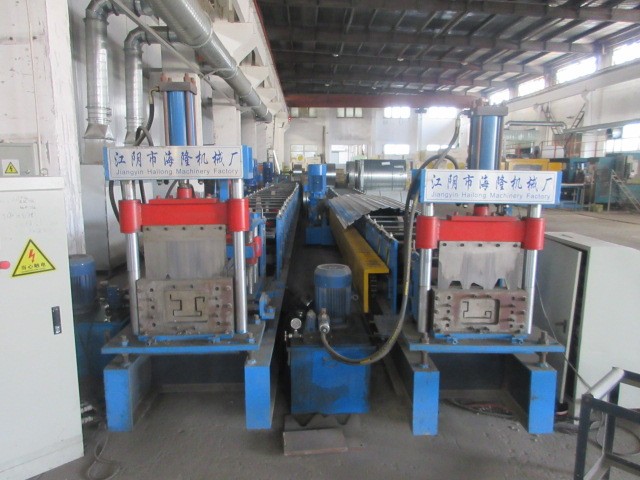
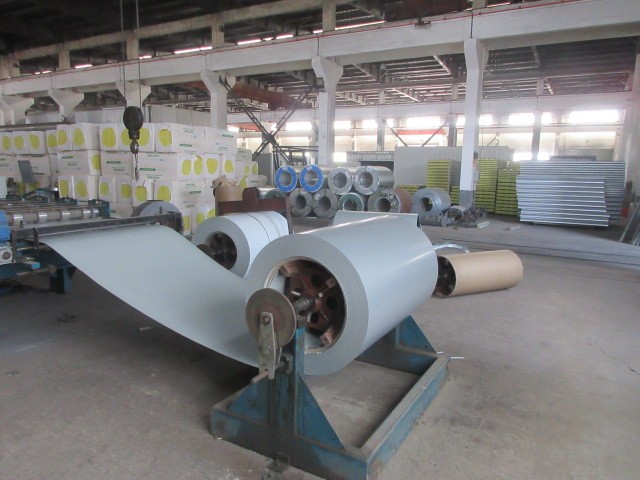
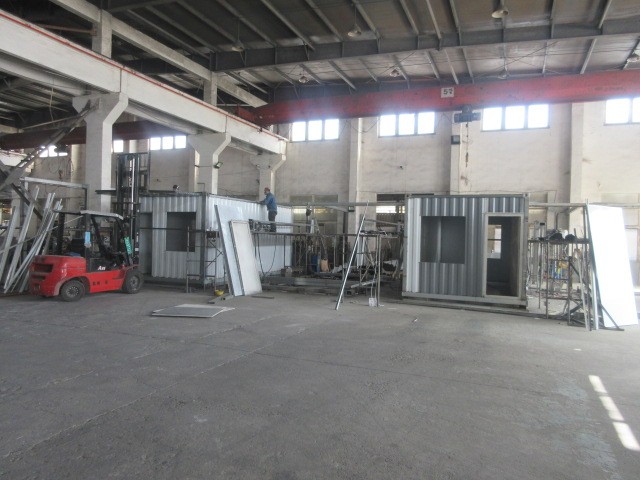
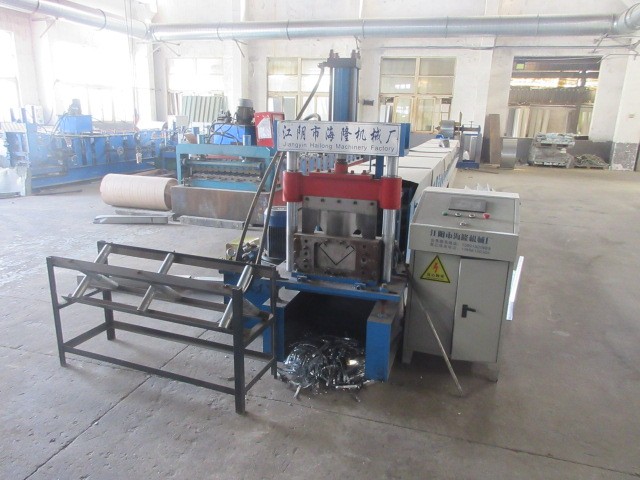
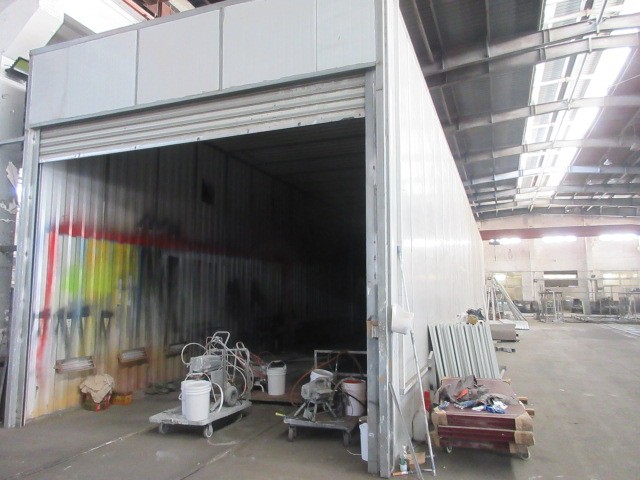
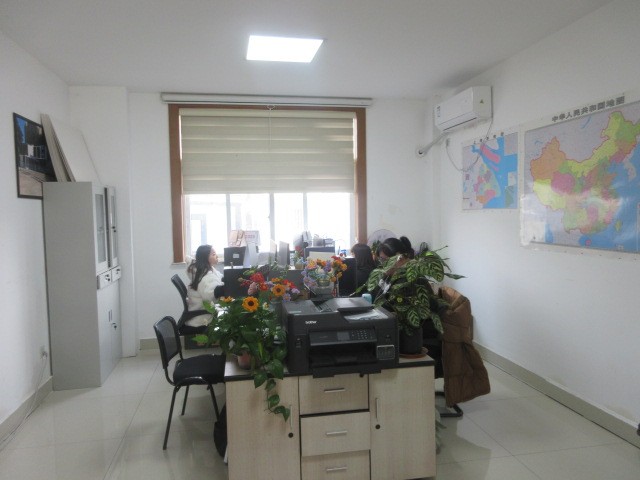
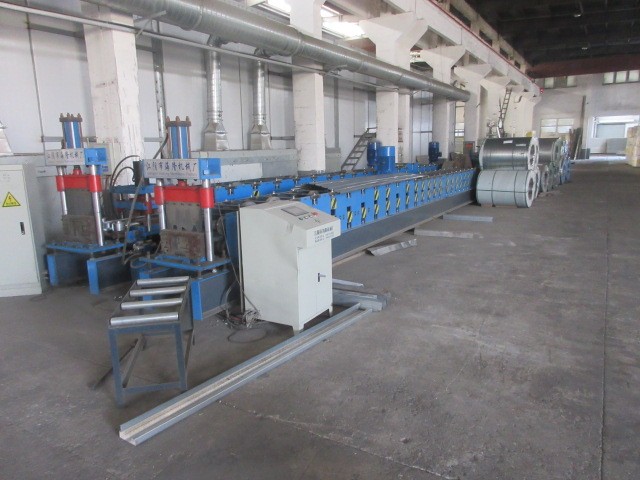
Inside the advanced assembly lines of Foshan SES House Co., Ltd. - precision manufacturing, quality inspection, and international logistics staging.
 SES House