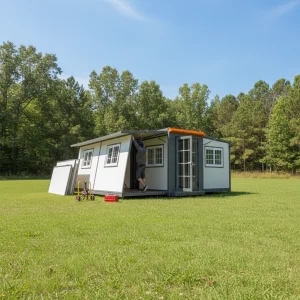
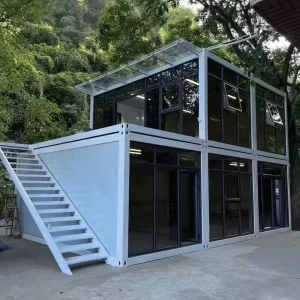
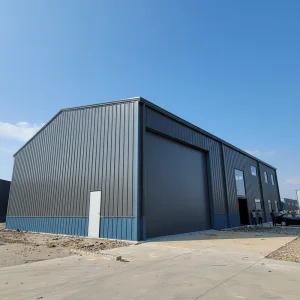
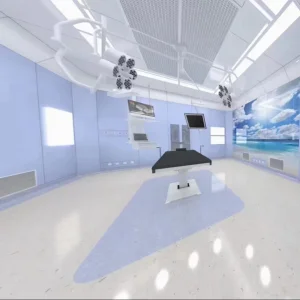
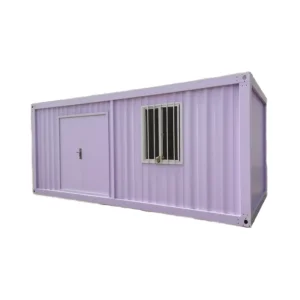
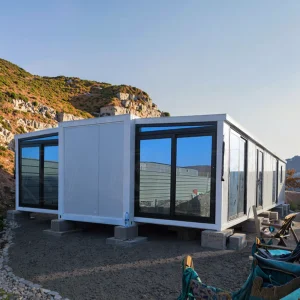
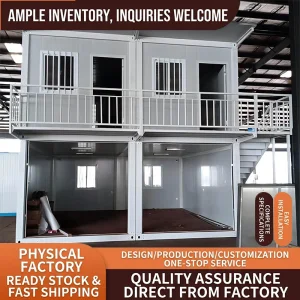
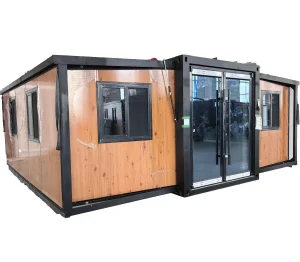
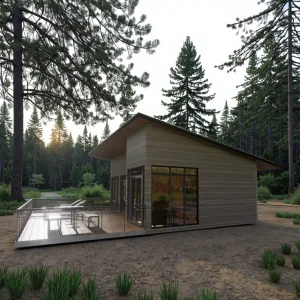
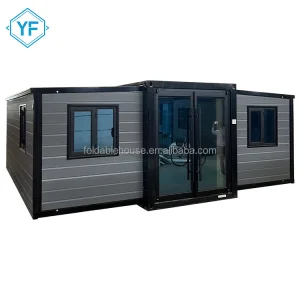
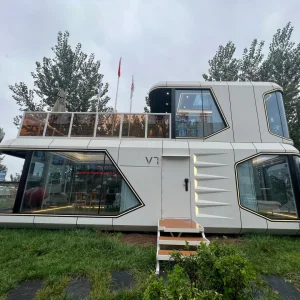
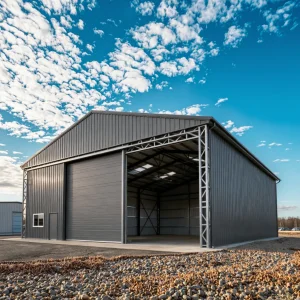
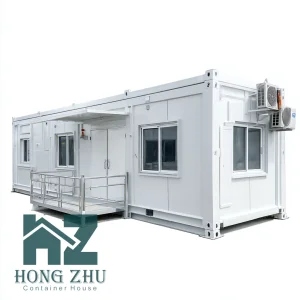
Explore our flagship product range featuring CE-certified steel container housing, luxury expandable villas, high-performance insulation office structures, and smart capsule living spaces built to international building codes.
Foshan SES House Co., Ltd. stands as a premier global benchmark in the modular manufacturing space. Operating as an industry-leading Modular House Manufacturer | Prefabricated Homes, Container Houses & Steel Structure Buildings, the company has integrated robust manufacturing methodologies, civil engineering research, and architectural aesthetics to redefine modern rapid-assembly housing. Serving sectors spanning residential development, large-scale commercial real estate, heavy industrial storage, institutional educational networks, specialized healthcare facilities, and civil infrastructure, SES House provides unparalleled end-to-end modular design capabilities.
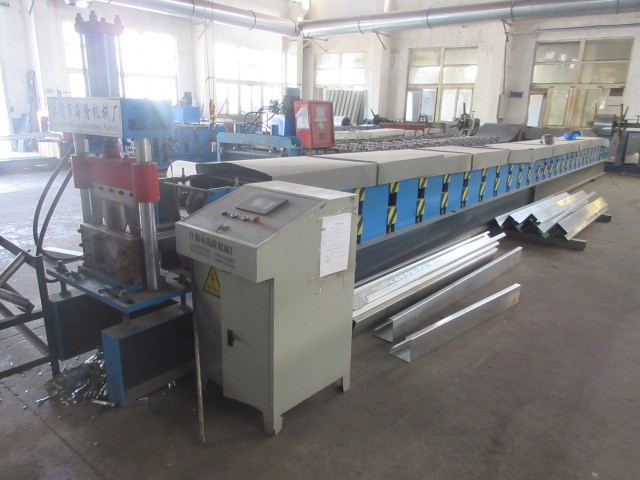
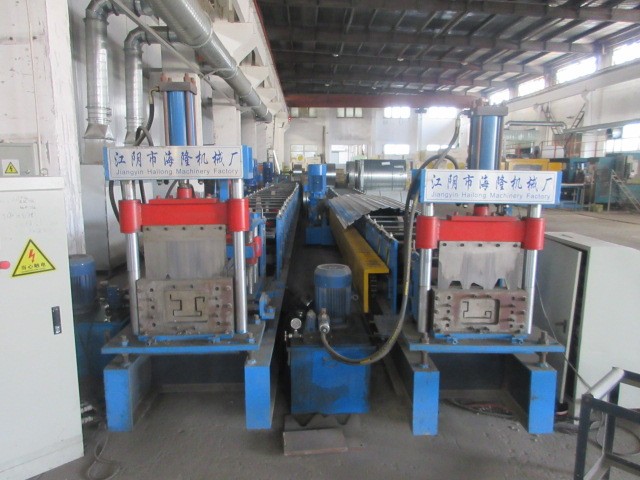
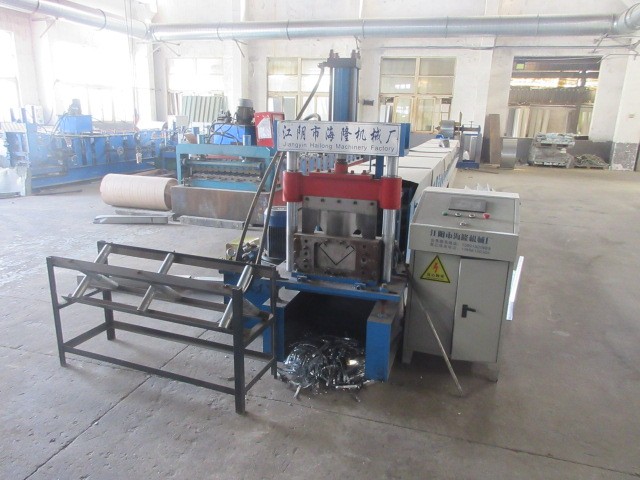
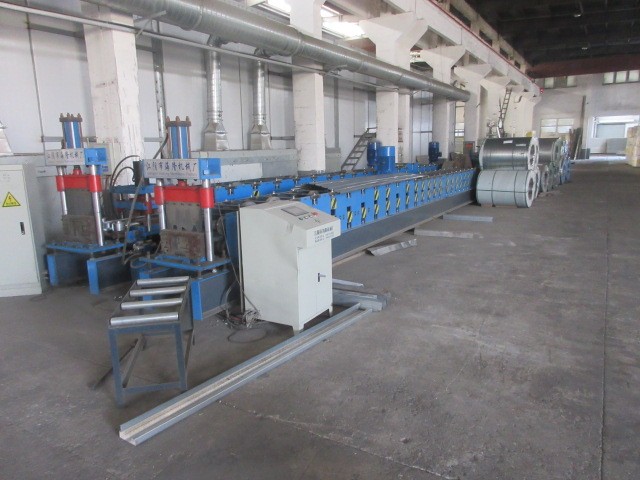
Headquartered in the global manufacturing epicenter of Foshan, Guangdong Province, China, SES House commands advanced industrial facilities equipped with heavy steel roll-forming systems, automatic CNC cutting machines, structural sandblasting rigs, and integrated polyurethane panel pressure-injection systems. Governed by a stringent, multi-layer quality management system, the manufacturer specializes in designing, engineering, fabricating, and assembling structures such as prefabricated residential estates, expandable container systems, massive industrial steel structures, design-forward modular villas, portable administrative complexes, fully insulated construction camps, mobile hospitals, and custom architectural pods.
By offering comprehensive OEM, ODM, and modular project solutions, SES House aligns with global contractors, commercial real estate developers, local government housing agencies, and multinational corporations. The scope of service encompasses initial architectural planning, detailed structural modeling (FEM), materials procurement, containerized global logistics planning, and remote or on-site deployment guidance. Every cabin and building framework engineered by SES House is optimized to maximize wind-load resistance (up to Category 12 typhoons), structural load capacities, thermal envelope efficiency, and fire containment properties.
The international construction landscape is undergoing a systemic paradigm shift. Rapid urbanization, skyrocketing labor costs, raw material volatility, and the pressing demand to lower construction-associated carbon emissions have positioned prefabricated modular construction at the forefront of the industry. Versatile cabin designs, once limited to simple temporary field shelters, are now serving as high-tech, multi-story offices, luxury eco-tourism accommodations, modular clinical operating rooms, and dense urban stackable apartment systems.
North America and northern Europe are witnessing massive regulatory changes supporting modular structures to counter severe labor shortages. Concurrently, Australia and the Middle East are utilizing prefabricated modular camps and transportable flatpack cabins to fuel large-scale mining, oil exploration, and desert urban mega-projects.
Industrial projects are increasingly evaluated on ESG metrics. Prefabricated structures emit up to 45% less operational carbon during build phases due to minimized waste, optimized transport routes, and standardized metal recyclability compared to cast-in-place concrete structures.
By manufacturing structural components inside enclosed, climate-controlled environments, factories eliminate weather delays, structural degradation during assembly, and material shrinkage, guaranteeing reliable B2B project timelines.
Foshan serves as the premier global node for the prefabricated and light-steel modular construction supply chain. This concentration of raw material processors, structural component manufacturers, and specialist component fabricators yields distinct advantages for global B2B buyers looking for high-quality, cost-efficient modular cabin suppliers.
Foshan’s proximity to South China’s largest steel processing hubs guarantees immediate access to high-tensile structural carbon steel (Q235 & Q345 grades), hot-dip galvanized steel coils, and premium fireproof rock wool sandwich panels. This minimizes domestic haulage costs and allows for real-time quality control of inputs.
Leveraging automatic CNC punch presses, integrated robotic welding arms, and electro-deposition coating lines, SES House produces frames with millimeter-level precision. This high degree of accuracy is critical to ensuring rapid on-site assembly and eliminating alignment issues.
Situated near major deepwater ports like Nansha, Shekou, and Yantian, SES House is positioned to optimize global B2B logistics. Standardized flatpack models are designed for efficient container loading, maximizing space utilization in standard 40ft High Cube containers to reduce ocean freight costs.
Foshan SES House operates extensive manufacturing lines. In emergency scenarios (such as disaster response or sudden labor camp expansions), production lines can scale rapidly to deliver hundreds of standardized modular units within weeks.
As building codes tighten globally and structural performance benchmarks escalate, SES House is actively executing a long-term technology road map to maintain modular leadership.
Integration of high-density Polyurethane (PU) sandwich panels, cold-bridge isolation layers, and low-E triple-glazed glass systems to fulfill strict Net-Zero energy building requirements across the European Union and North American climate zones.
Embedding structural health monitoring sensors, smart climate control automation, and integrated solar-plus-storage energy microgrids directly into space capsules and modular executive suites at the factory floor level.
Transitioning modular designs to standard Design for Manufacturing and Assembly (DFMA) frameworks, enabling automated robotic pre-assembly, zero-tolerance steel alignment, and structural optimization for taller, multi-story modular complexes.
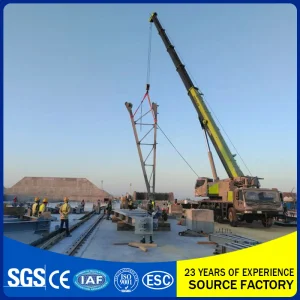
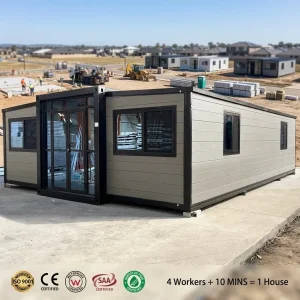
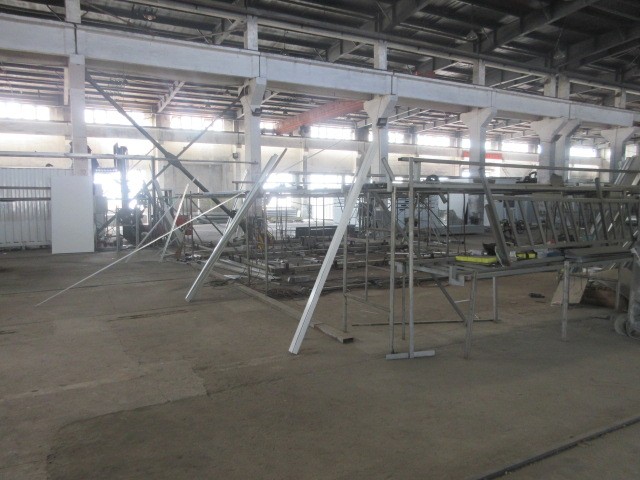
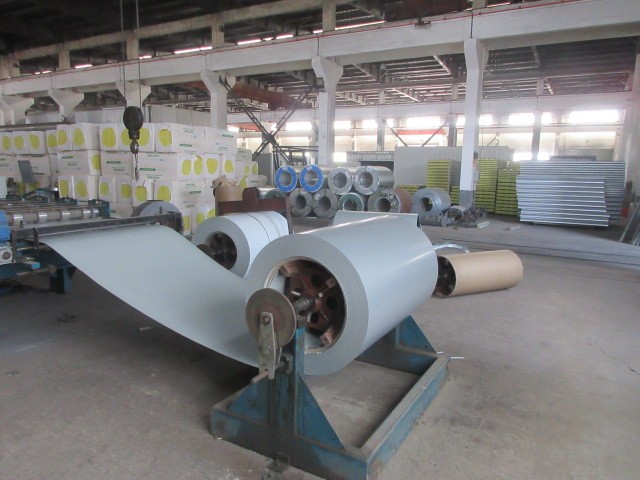
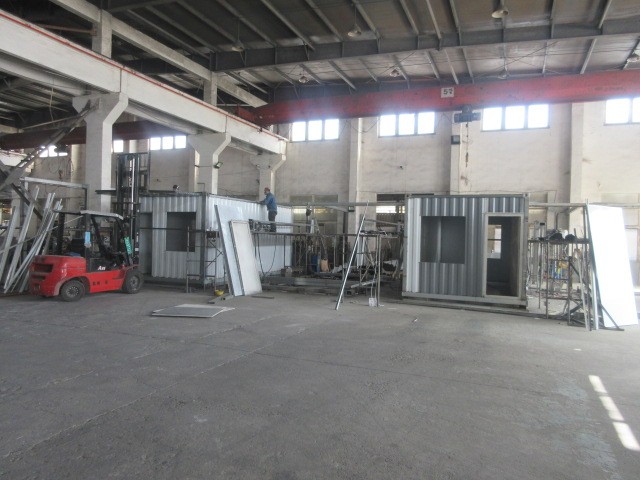
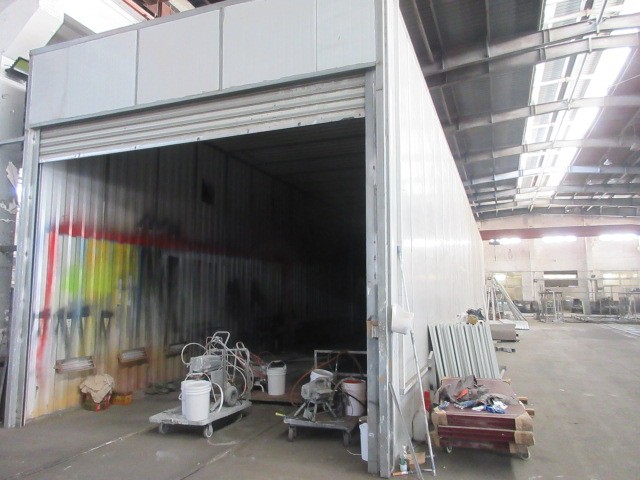
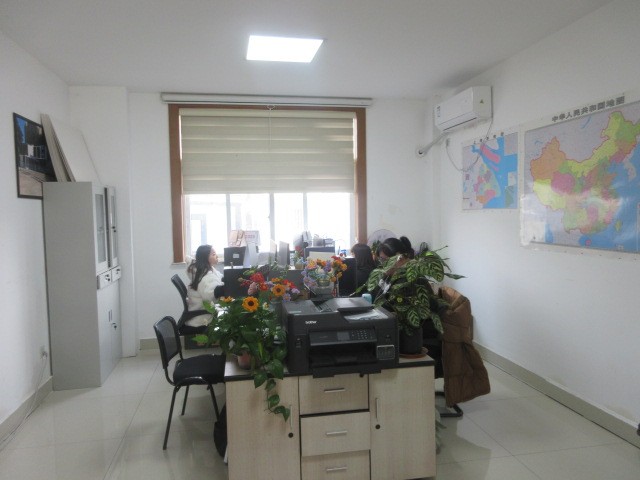
A visual insight into the advanced quality control, precision machining, structural assembly, and finished architectural modular builds exported globally from our Foshan facility.
Our modular systems are engineered to withstand diverse geographic and climatological variables. Rather than a one-size-fits-all approach, SES House adapts core cabin systems to local structural realities.
For countries in active fault lines (e.g., Japan, Chile, New Zealand), SES House integrates cold-formed light steel frames with flexible structural connections. Unlike rigid concrete, our modular cabins deform under seismic load without catastrophic failure, safeguarding human life.
Deployed in North American and Scandinavian winter sites, the cabins integrate thick Rockwool or Polyurethane structural insulated panels (SIPs) featuring thermal break tape. This effectively isolates the internal temperature, reducing heating costs.
To counteract saline corrosion in island nations, steel structural frames undergo comprehensive hot-dip galvanization (minimum coating mass of 275 g/m²). This is followed by marine-grade anti-corrosive epoxy paint systems to ensure durability.
Navigating local building permissions is one of the most critical challenges in global prefab deployment. Foshan SES House addresses this by engineering cabins directly to internationally recognized standards. We supply full structural load calculations, flame-spread ratings for all internal panel materials, and electrical-plumbing blueprints aligned with domestic regulatory demands.
Our structures carry CE Certification, verifying compliance with European health, safety, and environmental protection standards. For clients in Australia and New Zealand, structural steel framing members are engineered to comply with AS/NZS 1170 structural design actions and AS 4100 structural steelwork standards.
*Engineering blueprints are ready to be submitted to local municipal authorities to facilitate the building permit approval process.
We use high-grade galvanized steel framework structures (ranging from Q235 to Q345) as our primary structural skeleton. These elements are designed and verified via finite element analysis (FEA) to endure heavy roof snow loads, wind velocities up to 120 km/h, and seismic forces typical of high-activity zones. Exterior finishes feature multi-layer marine epoxy primers and UV-stable PU topcoats to prevent atmospheric corrosion.
Yes, our design team provides full customization. We routinely pre-install electrical wiring, sockets, distribution boxes, and conduits that comply with specific regional standards (e.g., SAA for Australia, UL for the USA, and CE/EN standards for Europe). Plumbing installations utilize custom piping materials designed for local hot/cold pressure tolerances and connection types.
Our flatpack design optimization allows 4 standardized modular cabin packages to bundle together, matching the exact footprint dimensions of a single ISO 20ft shipping container. This enables them to be transported as a single unit or packed efficiently alongside other units inside a standard 40ft High Cube container, reducing logistics overhead by up to 75%.
For standard container cabins or folding structures, installation is straightforward. A basic folding cabin, for instance, can be deployed within 10 minutes using a basic crane rig and standard bolting tools. For complex installations, SES House provides detailed 3D step-by-step CAD assembly manuals, video instruction archives, and direct remote engineering assistance.
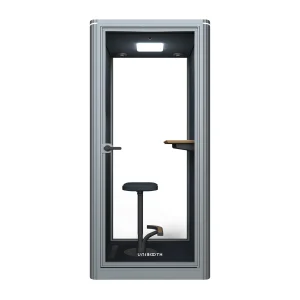
Discover our advanced spatial structures, featuring waterproof-fireproof systems, sustainable exhibition options, customizable modular apartments, and space-efficient acoustic pods.
 SES House