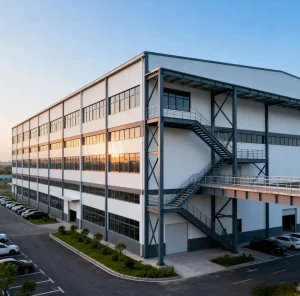
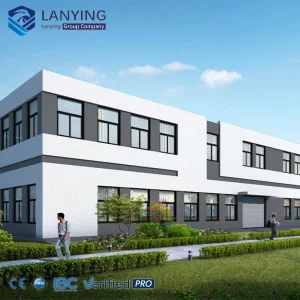
Pre-engineered clinical spaces tailored for the Hanoi healthcare network, optimizing patient throughput and modular versatility.
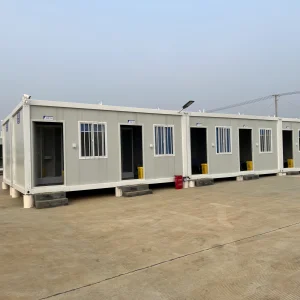
Hanoi, the administrative capital and economic engine of Northern Vietnam, is experiencing an unprecedented phase of urbanization and population consolidation. With a population exceeding 8.5 million and growing, the city’s existing healthcare infrastructure faces significant operational demands. The core metropolitan area routinely experiences overcrowding at tier-1 referral hospitals like Bach Mai and Viet Duc. In response, the municipal master plan for 2030 and vision to 2050 outlines a structural shift towards decentralized healthcare hubs located in outlying districts such as Gia Lam, Dong Anh, and Thanh Tri.
Furthermore, Hanoi’s rapid industrial expansion—spurred by industrial hubs such as Thang Long Industrial Park, Quang Minh IP, and neighboring Bac Ninh and Hung Yen zones—demands instant, highly reliable industrial clinical facilities to cater to hundreds of thousands of workers. Traditional brick-and-mortar hospital construction, requiring anywhere from 3 to 5 years from planning to completion, cannot match the timeline required to sustain this massive development. This structural deficit is where prefabricated modular hospital systems provide critical solutions.
By shifting up to 90% of construction tasks off-site to controlled manufacturing facilities, modular construction reduces project delivery schedules by 50% to 60%. This allows municipal bodies, private developers (such as Vingroup or T&T Group), and international joint ventures to implement advanced diagnostics clinics and surgical hubs within months rather than years, simultaneously bypassing Hanoi's seasonal monsoon delays and regional logistical bottlenecks.
Implementing modular construction in Hanoi requires meticulous engineering to adapt to the region’s distinct subtropical climate. The capital city is marked by high humidity levels (frequently exceeding 85%), seasonal monsoons with extreme precipitation patterns, and temperature fluctuations ranging from cold winters to hot summers. In addition, construction in Hanoi must account for seismic design requirements (Zone II according to Vietnamese Construction Standards TCVN 9386:2012).
To withstand these challenges, Foshan SES House designs modular solutions with heavy-duty structural steel frames featuring hot-dip galvanization layers. Wall systems incorporate double-skin sandwich panels using hydrophobic mineral wool or PIR (Polyisocyanurate) cores. These materials not only ensure outstanding thermal efficiency (reducing HVAC power consumption in hot summer months) but also achieve Class A fire performance rating under QCVN 06:2022/BXD regulations.
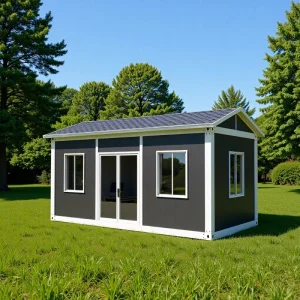
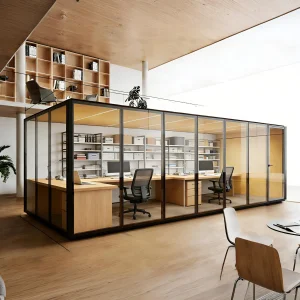
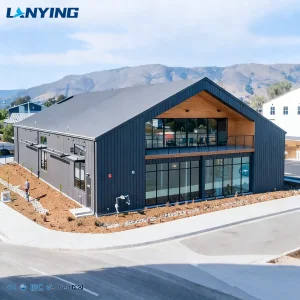
High-quality secondary modular configurations to support hospital administrative wings, logistics, and personnel accommodation.
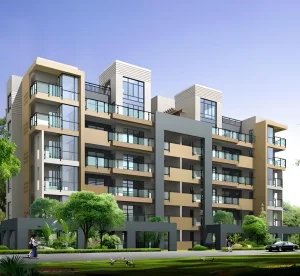
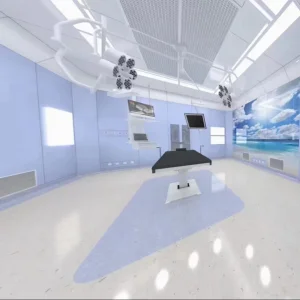
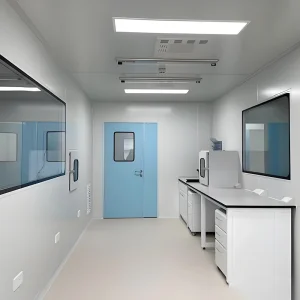
Modern clinical architecture goes far beyond providing structural containment; it requires active microbiological and environmental control. For surgical modules and laminar flow theaters destined for the Hanoi market, Foshan SES House complies with global cleanroom parameters (ISO 14644-1 Class 5 to Class 8 / Class 100 to Class 100,000 equivalent). Each module is pre-piped and pre-wired to integrate seamlessly with medical gas manifolds, laminar air flow systems, and dynamic pressure management apparatuses.
Our HVAC integration strategy relies on localized HEPA (High-Efficiency Particulate Air) filtration systems alongside dedicated AHUs (Air Handling Units) that control humidity levels and provide up to 25 full air changes per hour. Surfaces are constructed with antibacterial self-sanitizing HPL (High-Pressure Laminate) panels or flush-jointed pre-painted galvanized steel (PPGI) sheets. All junctions employ radial aluminum coving profiles to eliminate dust traps and ensure rapid chemical decontamination cycles.
Foshan SES House Co., Ltd. operates a highly optimized logistics channel for the Northern Vietnam market. Utilizing Foshan’s proximity to major global shipping terminals, our team manages the entire process from custom production at our Chinese facilities to shipping through the Nansha or Shekou terminals directly to the Port of Haiphong. From Haiphong, modules are transported via the high-capacity QL5 / CT04 expressway to the final Hanoi project site in under 3 days.
Each containerized hospital module is built in compliance with international shipping dimensions (20GP, 40HQ, or Flat Rack formats), minimizing transport costs and expediting customs processing. Upon arrival on site, our dedicated technical engineering crews or local Vietnam contractors install, calibrate, and verify the structural panels, utility systems, and sterile seals under the guidance of our engineering managers.
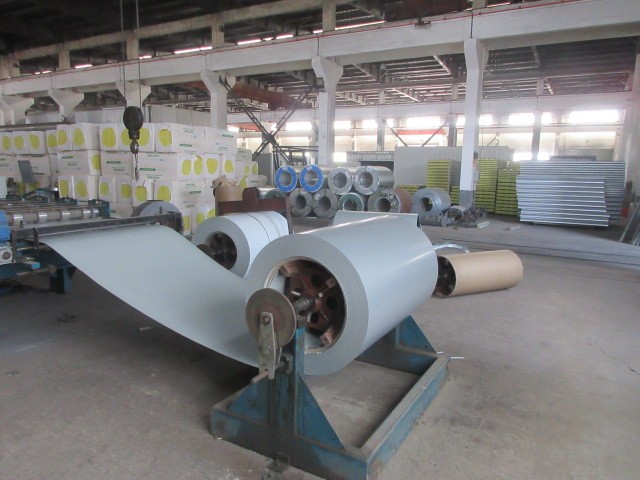
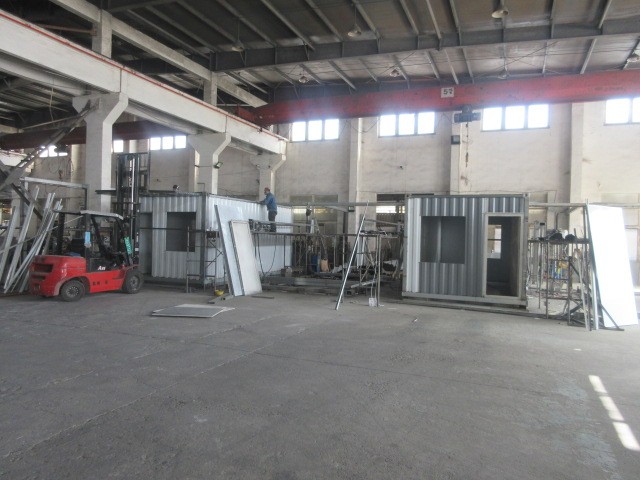
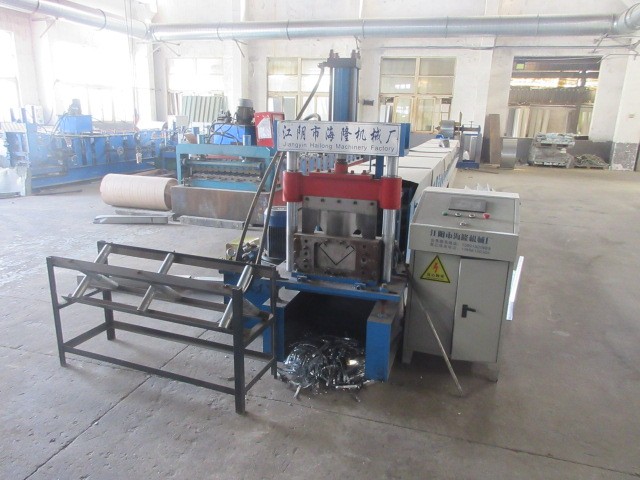
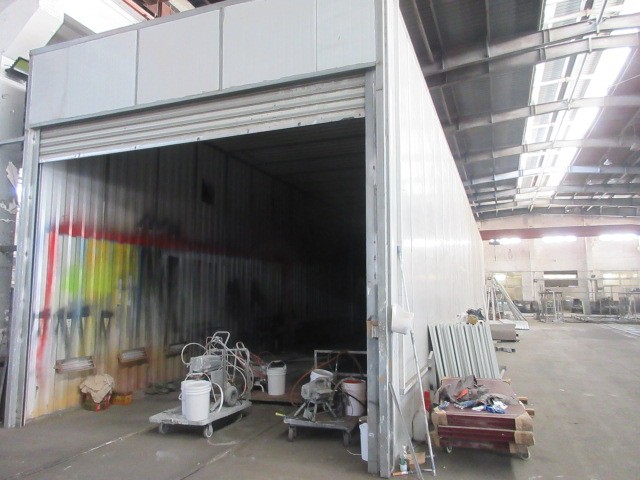
A visual demonstration of our modern manufacturing, testing protocols, and global delivery systems serving Hanoi.
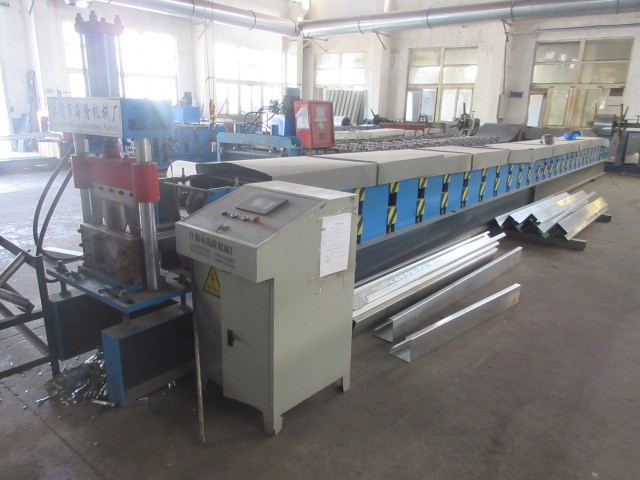
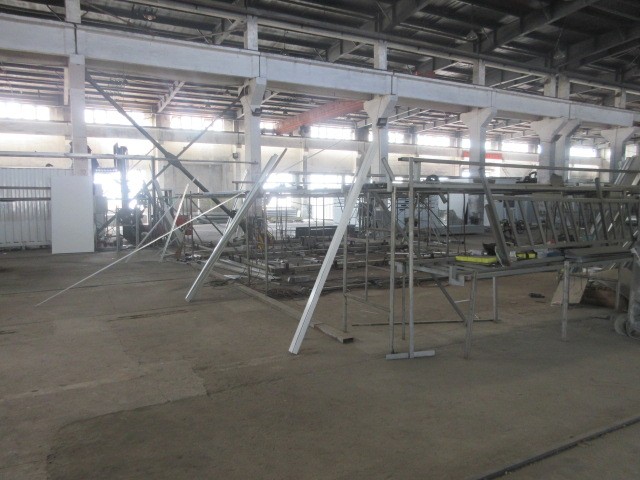
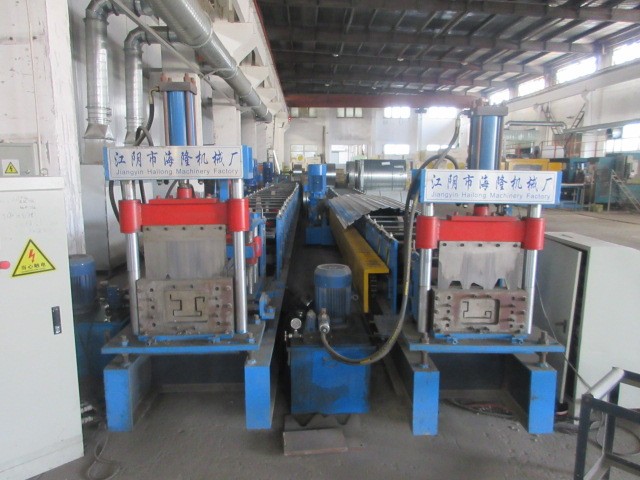
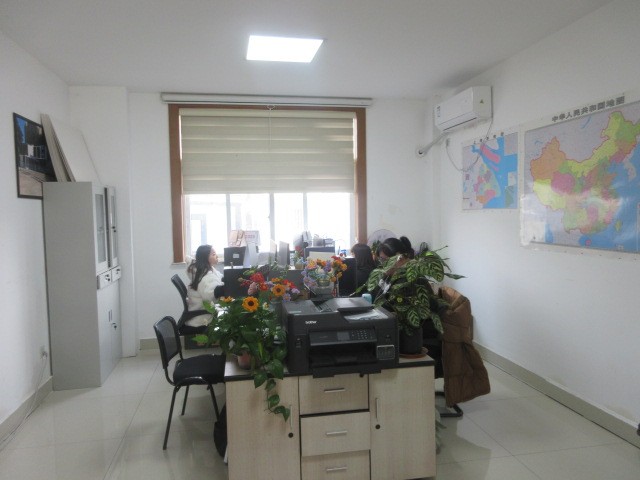
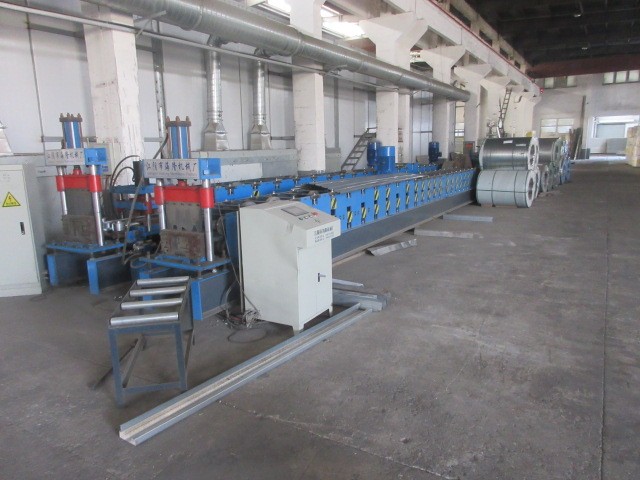
Developing clinical projects in Northern Vietnam requires strict adherence to regulatory bodies and guidelines set forth by the Ministry of Health (MOH) of Vietnam. Specifically, medical clinic and hospital layouts must comply with the sanitary conditions stated in Decision 3616/QD-BYT and general environmental safety indicators. Because modular architecture is fabricated in controlled environments, the structural tolerances and ventilation properties of our units consistently surpass traditional construction benchmarks.
This strict level of oversight also applies to waste management and wastewater treatment. Every clinical complex deployed by Foshan SES House in Hanoi is designed to integrate seamlessly with localized compact sewage treatment packages. We ensure that biochemical oxygen demand (BOD) and pathogen filtration systems comply with QCVN 28:2010/BTNMT (National Technical Regulation on Healthcare Wastewater). This attention to detail protects clean water sources in local communities, satisfying the requirements of municipal authorities.
Foshan SES House Co., Ltd. is a leading Modular House Manufacturer | Prefabricated Homes, Container Houses & Steel Structure Buildings dedicated to providing innovative, efficient, and sustainable building solutions for clients worldwide. With extensive experience in prefabricated construction, the company serves residential, commercial, industrial, educational, healthcare, and infrastructure sectors through high-quality modular building systems.
Located in Foshan, China, SES House operates advanced manufacturing facilities equipped with modern production technologies and strict quality management systems. The company specializes in the design, engineering, manufacturing, and installation of a wide range of modular structures, including prefabricated homes, container houses, steel structure buildings, modular villas, portable houses, worker camps, modular offices, educational facilities, healthcare buildings, and customized commercial projects.
SES House offers comprehensive OEM, ODM, and project-based solutions tailored to the specific requirements of developers, contractors, government agencies, and private enterprises. From architectural planning and structural design to manufacturing, transportation, and on-site assembly support, the company delivers complete turnkey modular construction services. Every project is engineered to achieve durability, safety, energy efficiency, and rapid deployment.
Quality and innovation are at the core of the company's operations. By utilizing premium steel structures, environmentally friendly materials, and precision manufacturing processes, SES House ensures reliable building performance while reducing construction time and labor costs compared to traditional construction methods.
The company has successfully supplied modular building solutions to customers across North America, Europe, Australia, Southeast Asia, Africa, and the Middle East. Supported by professional project management, competitive pricing, flexible customization capabilities, and responsive customer service, SES House continues to build long-term partnerships with clients around the globe.
Foshan SES House Co., Ltd. remains committed to advancing modern construction through smart modular technologies, sustainable development practices, and high-quality prefabricated building solutions that meet the evolving needs of global markets.
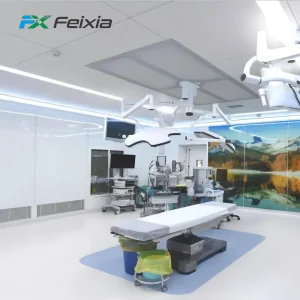
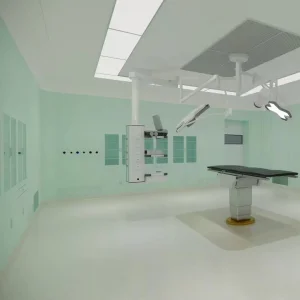
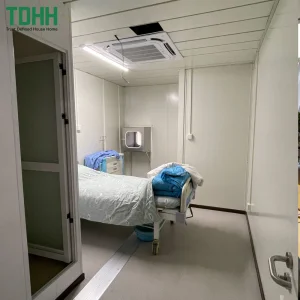
Explore our highly integrated modular operating theatres, clinics, and clean rooms engineered for the Hanoi market.
As healthcare construction shifts toward modularization, Foshan SES House works at the intersection of structural safety, environmental resilience, and functional adaptability. Our technical roadmap incorporates structural FEA (Finite Element Analysis) models to simulate local meteorological pressures, wind shear loads from typhoons in Northern Vietnam, and foundation settlement behaviors on Hanoi's alluvial soil bases. This process ensures that multi-story modular facilities retain their structural integrity for an engineered lifespan of over 50 years.
Internally, we design modular utility runs using the BIM (Building Information Modeling) paradigm. This includes placing medical gas copper piping (oxygen, nitrous oxide, vacuum, compressed air) alongside electrical conduits within dedicated ceiling spaces. Our pre-integrated utility connections use reliable coupling systems, allowing local maintenance teams to inspect, repair, and upgrade systems without breaching cleanroom environments.
Our modular hospital systems are manufactured in compliance with international standards, including ISO 9001 (Quality Management), ISO 14001 (Environmental Management), and ISO 13485 (Medical Device Manufacturing Quality Management for cleanroom structures). For project sites in Vietnam, we supply engineering blueprints and structural calculations to assist local contractors in securing approval from the Ministry of Construction (MOC) and Ministry of Health (MOH) under Vietnamese construction codes (TCVN).
We adapt our designs for tropical climates by employing double-glazed low-E tempered window configurations and wall insulation panels (PIR or hydrophobic mineral wool cores, up to 100mm thickness). These panels limit heat transfer to save HVAC costs. Additionally, we treat all structural components with marine-grade hot-dip galvanization layers and anti-corrosive epoxy primers to prevent rust from high humidity levels.
All primary medical gas conduits, electrical pathways, and HVAC ducts are integrated into the ceiling cavity of each module during production. We pressure test the lines to verify integrity before shipment. Once on site, these lines are connected across modules using certified medical-grade connection blocks, reducing installation time and avoiding the need to breach sanitary wall linings.
A typical 100-bed modular facility requires about 45 to 60 days for factory production and pre-assembly testing in Foshan. Ocean transit to Haiphong Port and final road transport to Hanoi takes 7 to 10 days. On-site installation and validation take another 3 to 4 weeks, depending on the foundation preparation and site complexity. The complete process is typically completed in 3 to 4 months, compared to 2 to 3 years for traditional builds.
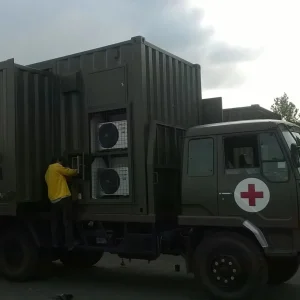
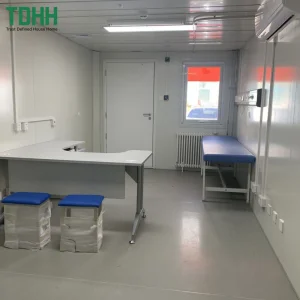
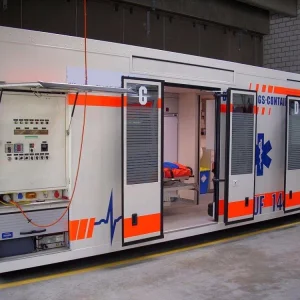
Yes, flexibility is a key advantage of our modular container designs. Standardized container clinics and isolation wards can be disconnected, loaded onto trucks, and moved to another site when temporary medical needs shift. This makes them ideal for emergency response, field clinics, and urban healthcare expansion projects.
We use Class A fire-rated structural steel frames and wall panel insulation materials like rock wool and PIR, which do not support combustion. All internal partitions, ceiling panels, and electrical conduits comply with Vietnam's fire prevention regulations. We can also integrate automated fire detection, alarm networks, and sprinkler lines during production.
Yes, our design team provides detailed foundation loads and anchor layout specifications based on your site's geotechnical survey. This allows your local contractor to prepare concrete strip footings, slab-on-grade, or screw pile foundations that line up with the module connection points before delivery.
Our operating rooms are constructed using seamless wall systems with flush joint details, preventing dust collection in corners. High-performance air handling units (AHUs) with HEPA filtration generate constant positive pressure to prevent outside air infiltration, while non-porous antimicrobial flooring provides resistance to cleaning chemicals and wear.
 SES House