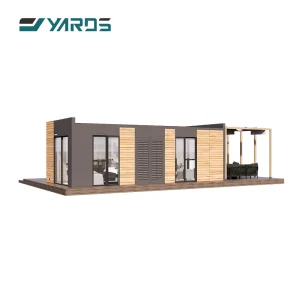
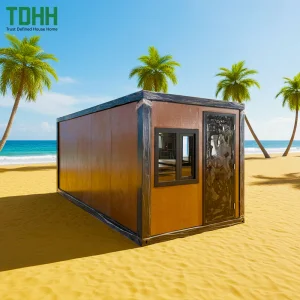
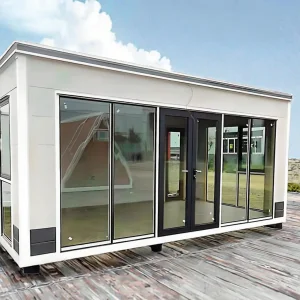
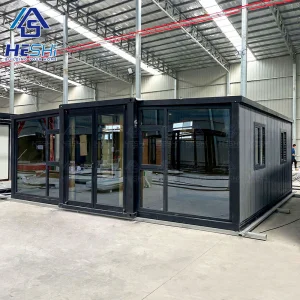
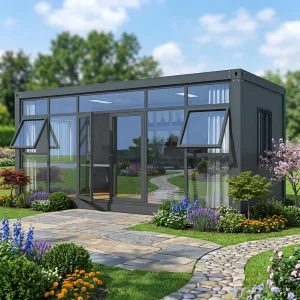
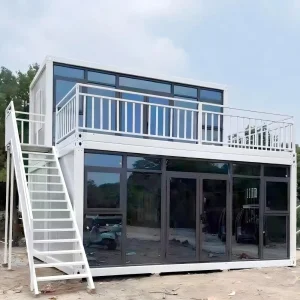
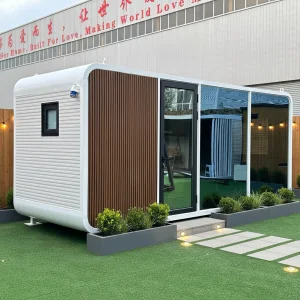
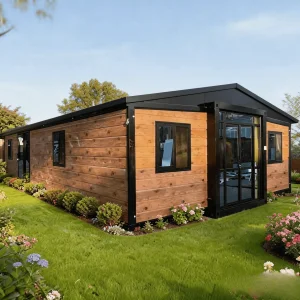
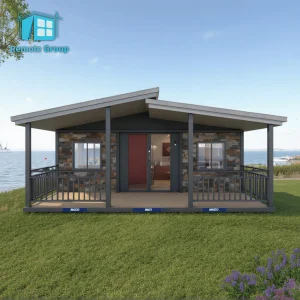
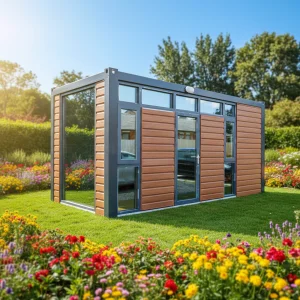
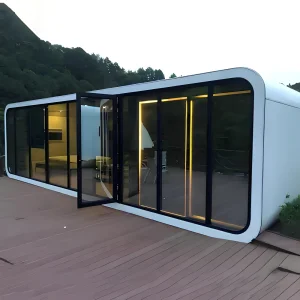
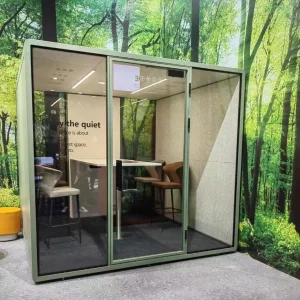
Premium insulated models custom-engineered for commercial, industrial, and workspace expansion in Moscow and surrounding districts.
The Moscow metropolitan area, including the Special Economic Zones (SEZs) like Technopolis Moscow and the expansive industrial parks of the Novomoskovsky and Troitsky administrative okrugs (New Moscow), is undergoing rapid decentralized structural development. Traditional construction cycles—often hindered by harsh winters, high labor shortages, and complex local administrative processes—are increasingly giving way to industrialized modular volumetric building systems.
For Moscow project developers, corporate campuses, logistics hubs, and infrastructure contractors, the adoption of modular office systems represents more than just a speed advantage. It provides a strategic shield against seasonal weather constraints, reduces disruption to active urban environments, and significantly cuts capital expenditures. With municipal zoning authorities demanding higher aesthetic integration and strict green building parameters, manufacturers must adapt global engineering to meet specific regional criteria.
Building in the Moscow region requires strict adherence to localized structural codes, specifically regarding thermal insulation (SNiP II-3-79 / SP 50.13330.2012 "Thermal Protection of Buildings") and heavy snow and wind loads. Winters in Moscow routinely reach temperatures as low as -30°C, meaning that basic container modifications will suffer from extreme thermal bridging, condensation, and excessive heating costs.
Foshan SES House Co., Ltd. resolves these microclimatic challenges through structural designs characterized by:
“Integrating structural thermal breaks with localized GOST-compliant wind and snow load tolerances ensures that our modular office systems operate safely and cost-effectively year-round under Moscow's challenging climatic profile.”
How industrialized modular systems compare to traditional wet construction methods on site.
A detailed comparison of modular offices vs. traditional concrete and timber construction in Moscow.
| Parameter | Foshan SES Modular Systems | Traditional Concrete / Masonry | Standard Structural Timber |
|---|---|---|---|
| On-site Assembly Time | Rapid (7-15 Days depending on scale) | Slow (6-12 Months) | Moderate (2-4 Months) |
| Sub-Zero Thermal Retention | Exceptional (High density PIR / PUR) | Highly dependent on additional insulation layers | Average (Requires frequent maintenance) |
| Seasonal Dependency | None. Dry assembly is executable in deep winter (-20°C) | High. Frozen ground and wet concrete work halted | High. Wet weather compromises unfinished structures |
| Relocatability | Fully demountable and reusable at new sites | Permanent structure (Requires demolition) | Extremely difficult to dismantle and relocate |
| Foundation Requirements | Minimal (Piles or light strip foundation) | Heavy (Deep concrete slab/bored piles) | Medium (Reinforced strip foundation) |
Modular construction serves a diverse range of functional requirements across Moscow's evolving commercial landscape. Our specialized prefabricated systems are designed to adapt to various configurations:
Fitted adjacent to major transportation junctions like the Central Ring Road (A-113), these offices provide instant workspace for administrative personnel, customs dispatchers, and yard management teams.
For businesses located in high-density regions like Moscow City, these modules serve as premium modern meeting rooms, soundproof pods, and creative annexes configured with sleek, panoramic glazing and acoustics.
Durable multi-level dormitory and workspace complexes designed to house and organize civil engineering workforces working on public transit extensions and regional infrastructure.
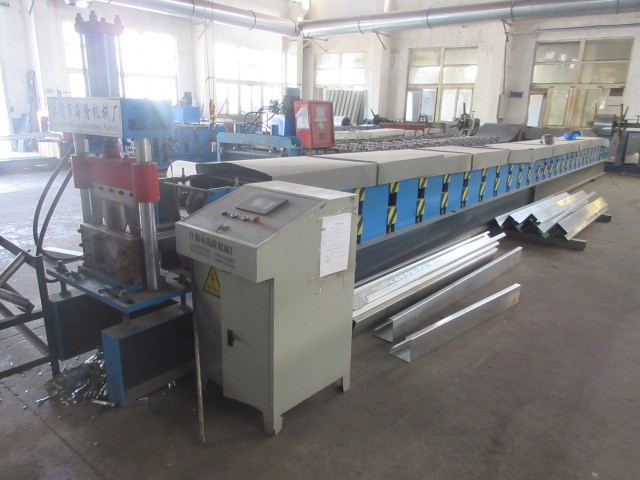
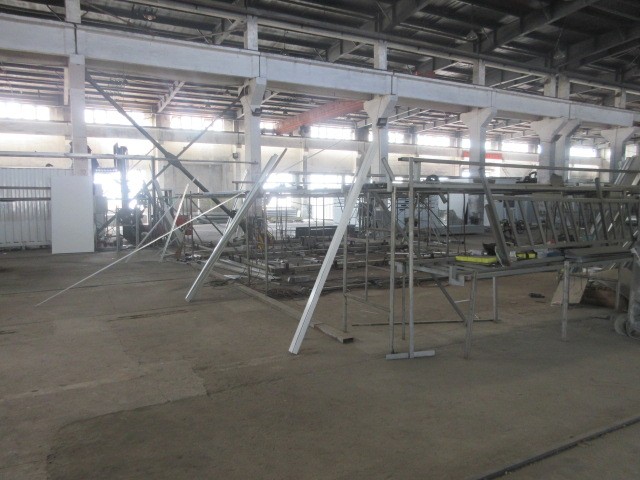
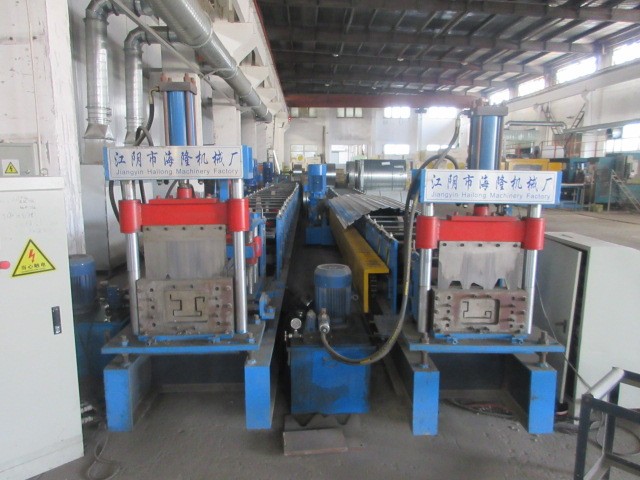
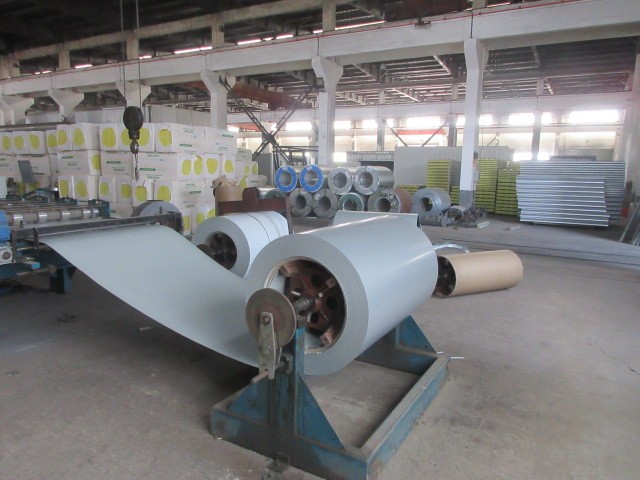
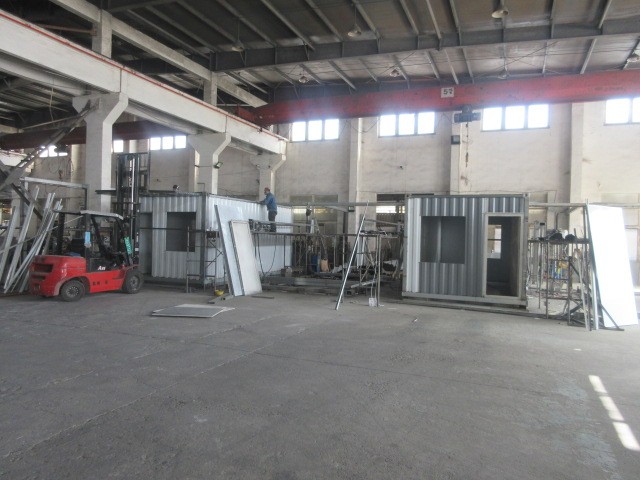
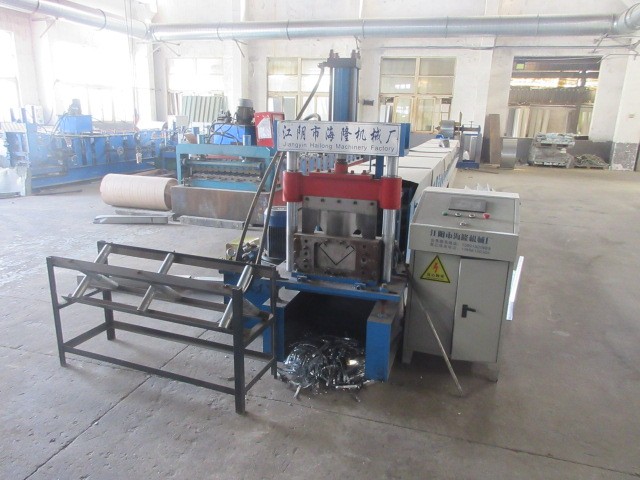
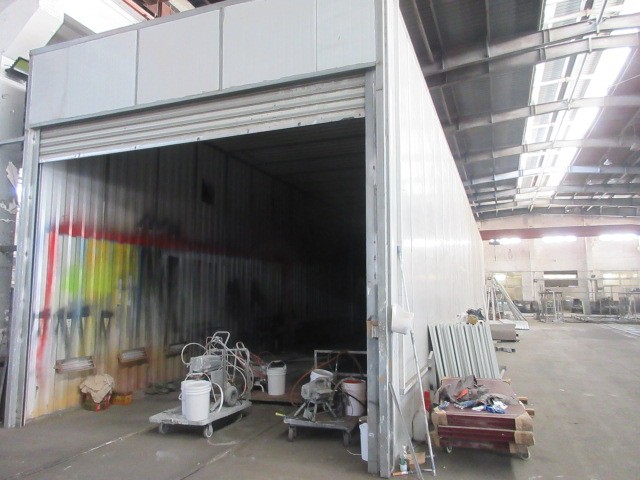
As a leading global manufacturer, Foshan SES House Co., Ltd. coordinates its design, engineering, and modular production activities within a highly optimized precision manufacturing center in Foshan, China. This industrial cluster provides:
Foshan SES House Co., Ltd. is a leading Modular House Manufacturer | Prefabricated Homes, Container Houses & Steel Structure Buildings dedicated to providing innovative, efficient, and sustainable building solutions for clients worldwide. With extensive experience in prefabricated construction, the company serves residential, commercial, industrial, educational, healthcare, and infrastructure sectors through high-quality modular building systems.
Located in Foshan, China, SES House operates advanced manufacturing facilities equipped with modern production technologies and strict quality management systems. The company specializes in the design, engineering, manufacturing, and installation of a wide range of modular structures, including prefabricated homes, container houses, steel structure buildings, modular villas, portable houses, worker camps, modular offices, educational facilities, healthcare buildings, and customized commercial projects.
SES House offers comprehensive OEM, ODM, and project-based solutions tailored to the specific requirements of developers, contractors, government agencies, and private enterprises. From architectural planning and structural design to manufacturing, transportation, and on-site assembly support, the company delivers complete turnkey modular construction services. Every project is engineered to achieve durability, safety, energy efficiency, and rapid deployment.
Quality and innovation are at the core of the company's operations. By utilizing premium steel structures, environmentally friendly materials, and precision manufacturing processes, SES House ensures reliable building performance while reducing construction time and labor costs compared to traditional construction methods.
The company has successfully supplied modular building solutions to customers across North America, Europe, Australia, Southeast Asia, Africa, and the Middle East. Supported by professional project management, competitive pricing, flexible customization capabilities, and responsive customer service, SES House continues to build long-term partnerships with clients around the globe.
Foshan SES House Co., Ltd. remains committed to advancing modern construction through smart modular technologies, sustainable development practices, and high-quality prefabricated building solutions that meet the evolving needs of global markets.
Explore our full line of insulated, custom-engineered cabins, modular offices, and soundproof conference enclosures.
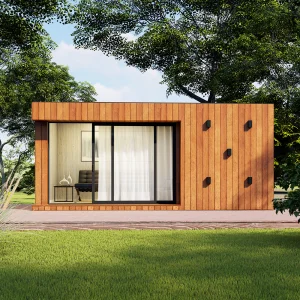
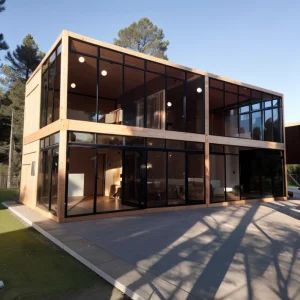
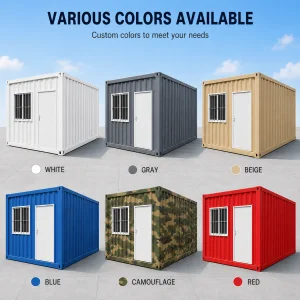
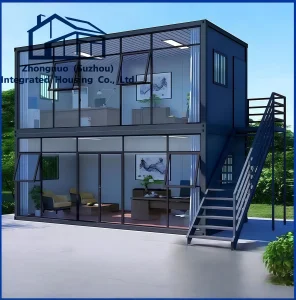
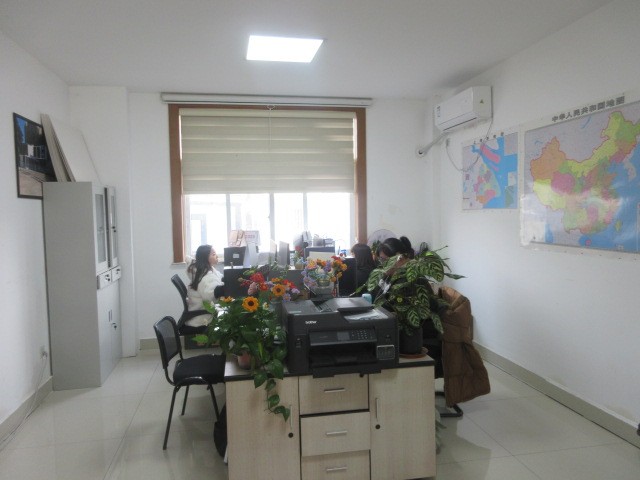
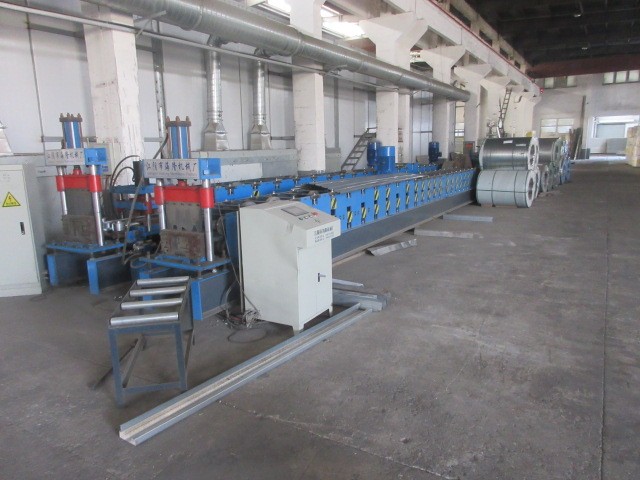
Our modern production complex in Foshan processes raw structural components to international tolerances.
Answers to common structural, insulation, and customs questions related to Moscow deliveries.
 SES House