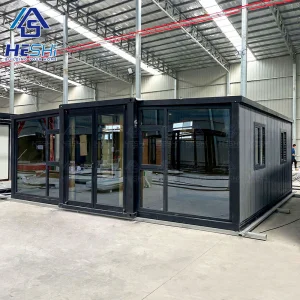
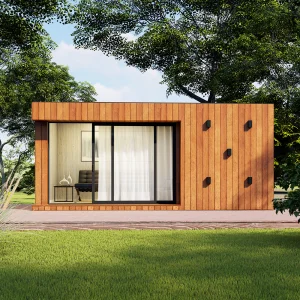
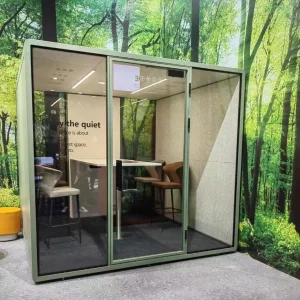
Premium prefabricated and modular workspaces built to optimize site-operational efficiencies under Brazilian environmental norms.
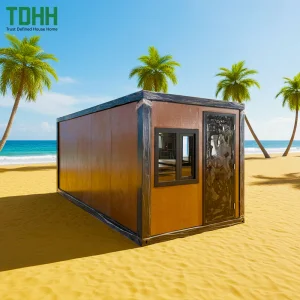
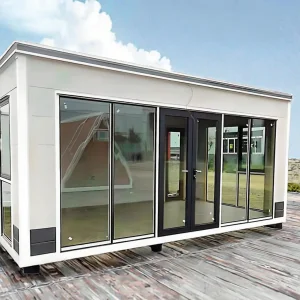
A look at Foshan SES House Co., Ltd. - Your trusted partner in structural prefabricated developments.
Foshan SES House Co., Ltd. is a leading Modular House Manufacturer | Prefabricated Homes, Container Houses & Steel Structure Buildings dedicated to providing innovative, efficient, and sustainable building solutions for clients worldwide. With extensive experience in prefabricated construction, the company serves residential, commercial, industrial, educational, healthcare, and infrastructure sectors through high-quality modular building systems. Our entry into the South American infrastructure market represents a key milestone in exporting robust structural components optimized for local climates.
Located in Foshan, China, SES House operates advanced manufacturing facilities equipped with modern production technologies and strict quality management systems. The company specializes in the design, engineering, manufacturing, and installation of a wide range of modular structures, including prefabricated homes, container houses, steel structure buildings, modular villas, portable houses, worker camps, modular offices, educational facilities, healthcare buildings, and customized commercial projects.
SES House offers comprehensive OEM, ODM, and project-based solutions tailored to the specific requirements of developers, contractors, government agencies, and private enterprises. From architectural planning and structural design to manufacturing, transportation, and on-site assembly support, the company delivers complete turnkey modular construction services. Every project is engineered to achieve durability, safety, energy efficiency, and rapid deployment. By establishing a solid logistics supply chain to major Brazilian ports, we guarantee structural integrity from our automated factory floors straight to your construction sites.
Quality and innovation are at the core of the company's operations. By utilizing premium steel structures, environmentally friendly materials, and precision manufacturing processes, SES House ensures reliable building performance while reducing construction time and labor costs compared to traditional construction methods. Our engineering protocols incorporate Finite Element Analysis (FEA) to verify wind and seismic resistance, ensuring suitability for the distinct regional parameters across Brazil.
The company has successfully supplied modular building solutions to customers across North America, Europe, Australia, Southeast Asia, Africa, and the Middle East. Supported by professional project management, competitive pricing, flexible customization capabilities, and responsive customer service, SES House continues to build long-term partnerships with clients around the globe. We remain committed to advancing modern construction through smart modular technologies, sustainable development practices, and high-quality prefabricated building solutions that meet the evolving needs of global markets.
Why modern engineering groups in Brazil choose modular solutions over traditional civil construction.
Analyzing key structural drivers, industrial hubs, and mandatory regulatory parameters for modular systems in Brazil.
Brazil's diverse industrial and commercial sectors are undergoing a massive transition. High logistical costs, tax complexities (like ICMS and IPI), and long civil construction timelines are driving engineers and developers toward modular prefabricated systems. From the mining centers in Minas Gerais and Pará to the rapidly expanding agribusiness hubs of Mato Grosso, quick-deploy modular offices have evolved from temporary site huts to permanent corporate offices. By relocating up to 90% of the building processes to our controlled manufacturing facilities in Foshan, clients avoid local weather disruptions, site safety risks, and labor scarcity in remote territories.
For any developer importing or erecting structural facilities in Brazil, complying with the Ministry of Labor’s regulatory norms (Normas Regulamentadoras) is a strict requirement. Non-compliance results in heavy fines and operational shutdowns. Our modular office designs are pre-engineered to meet NR-18 (governing working conditions and environment in the construction industry) and NR-24 (specifying sanitary conditions and comfort requirements). This includes incorporating non-combustible materials, meeting minimum floor-to-ceiling heights, ensuring adequate ventilation, installing certified electrical networks, and incorporating thermal barriers capable of handling tropical heatwaves.
Engineered for high performance, ease of shipment, and swift on-site modular assembly.
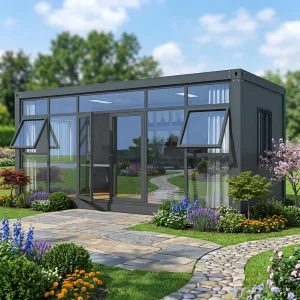
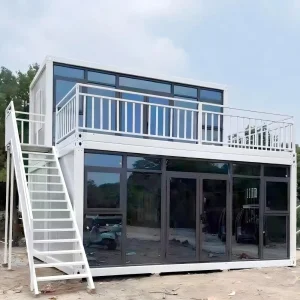
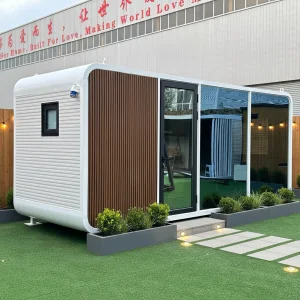
How we engineering our systems to withstand Brazil's diverse coastal and humid climates.
Our structural main frames use hot-dip galvanized steel (Q235/Q345 grade). Coated with marine-grade anti-corrosive polyurethane primers, our steel elements prevent oxidation in high-humidity coastal hubs like Santos, Rio de Janeiro, and Salvador.
We provide fire-rated Rockwool (mineral wool), Polyurethane (PU), and High-Density EPS sandwich panels. PU cores offer high thermal efficiency (thermal conductivity as low as 0.022 W/m·K), reflecting Solar heat and lowering HVAC costs.
Design for Manufacture and Assembly (DfMA) enables millimetric precision. Panels are pre-drilled and CNC-machined, ensuring they connect seamlessly on-site, eliminating cutting waste and accelerating assembly schedules.
For operations located in coastal zones or high-humidity regions (such as Manaus or Belém), marine-grade coating systems (conforming to ISO 12944 classifications) are utilized. The structural layout is designed to handle local wind-load classifications (up to 120 km/h) and drainage requirements to cope with heavy tropical rainfall.
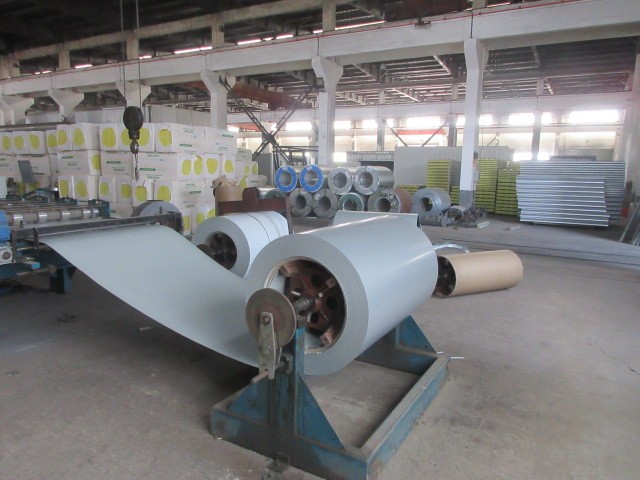
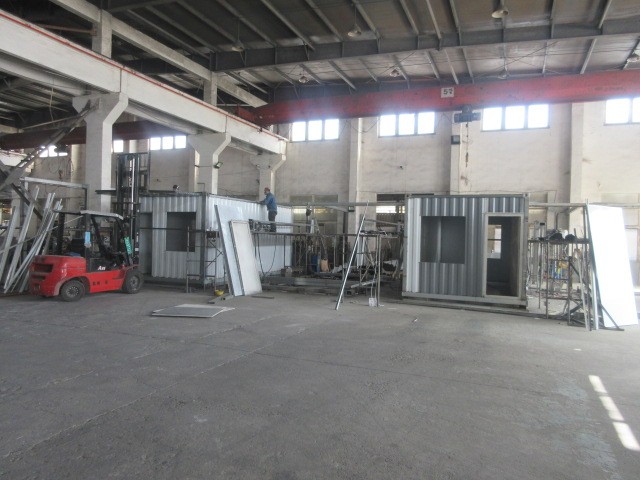
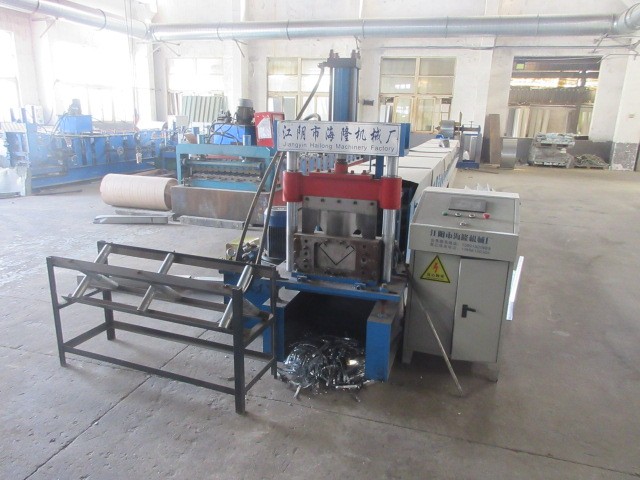
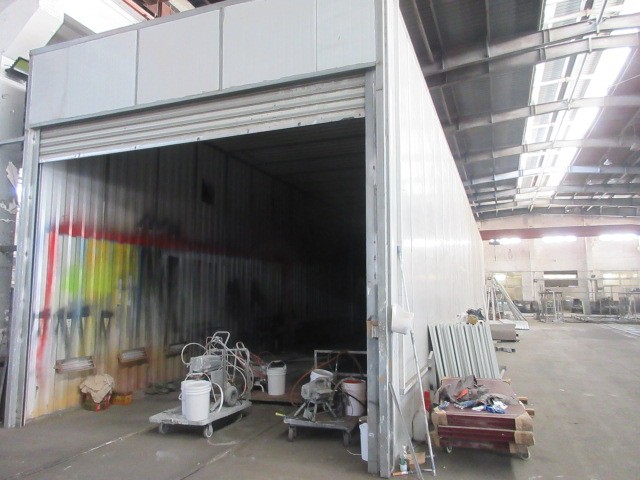
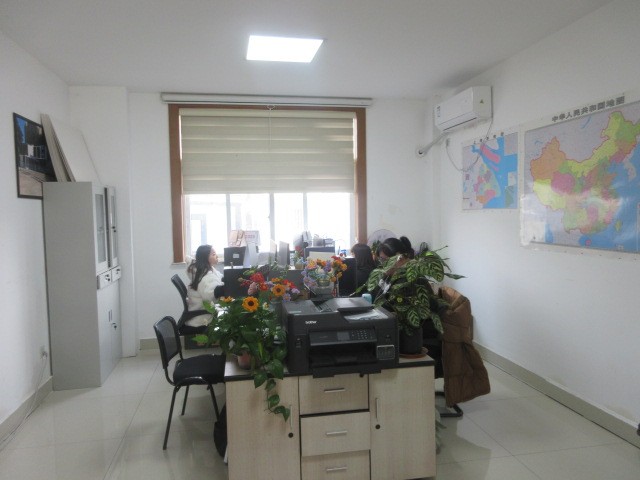
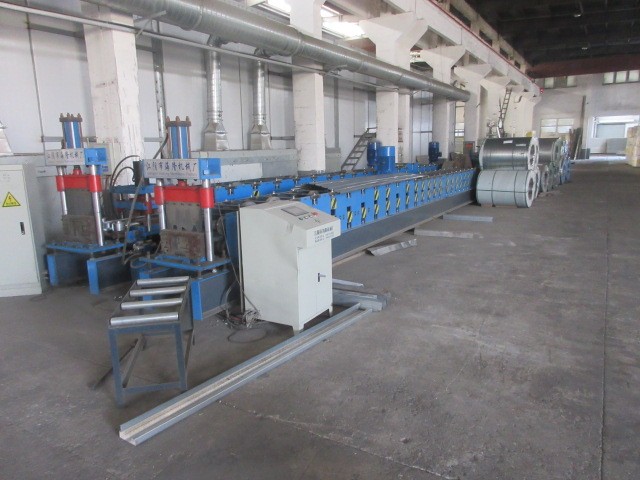
A look at our automated production floors, component machining, and structural modular installations.
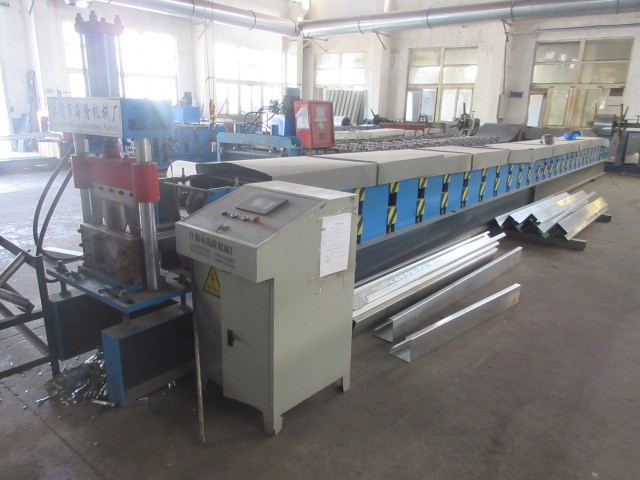
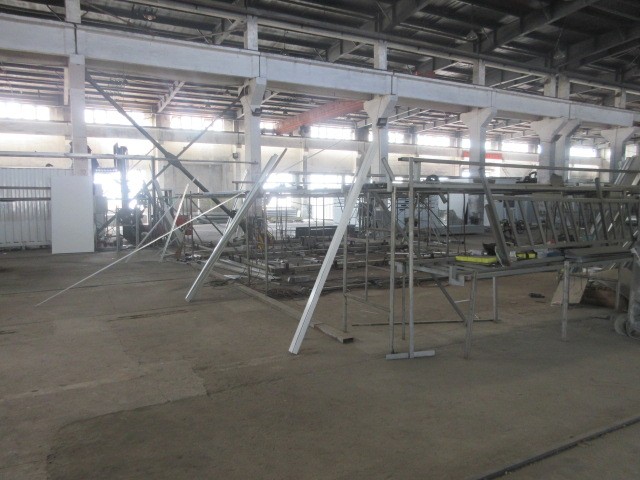
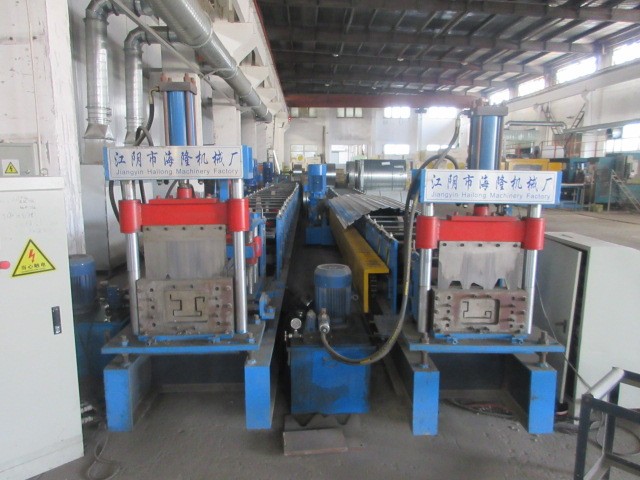
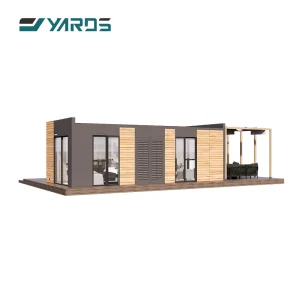
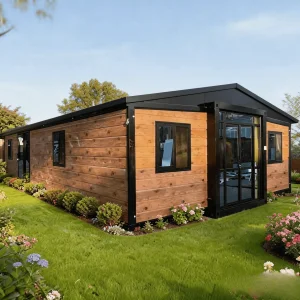
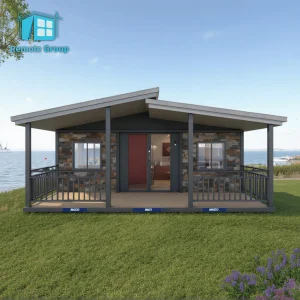
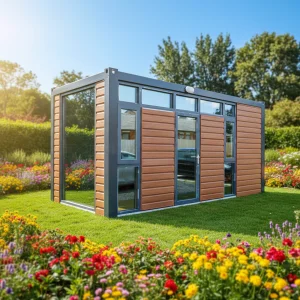
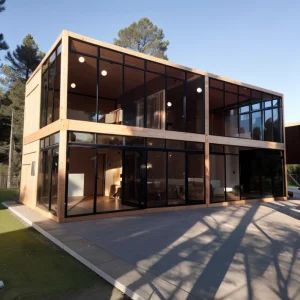
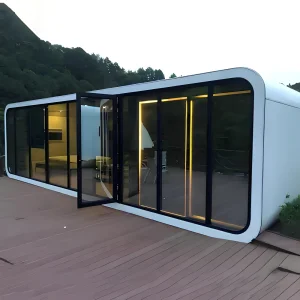
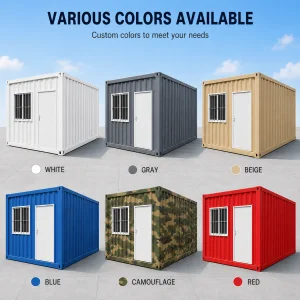
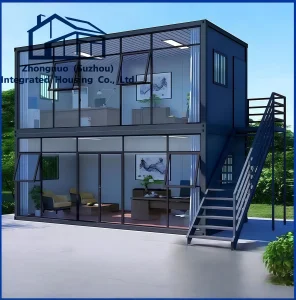
Premium multi-bedroom layouts, glass-facade container suites, and acoustic workspace modules.
Your step-by-step roadmap to importing prefabricated buildings from our Foshan facility to Brazilian ports.
Importing steel structures and modular buildings into Brazil requires a clear understanding of logistics, port requirements, and customs clearance protocols. At SES House, we support our partners through every stage of the process, ensuring all documentation matches federal import guidelines.
Ocean freight represents a major cost factor for international projects. To optimize this, our structures are designed using a flat-pack model. For example, a standard 20-foot modular office can be packed into a parcel just 648mm high. This flat-pack configuration allows up to 4 to 6 units to be loaded into a single 40-foot High Cube (HQ) shipping container. This logistics approach cuts transport costs, reduces handling steps at ports, and keeps the panels protected during transit across the Pacific and Atlantic oceans.
To avoid customs delays and potential penalties, matching products to the correct Mercosur Common Nomenclature (NCM) code is crucial. Our team prepares detailed commercial invoices, packing lists, Bill of Lading (B/L) documentation, and certified structural certificates under international standards. Typically, modular steel structures fall under NCM Chapter 94 (Prefabricated Buildings) or Chapter 73 (Articles of Iron or Steel). Using the correct NCM classification helps you verify local import duties (II, IPI, PIS, COFINS) before shipment.
How automation, IoT integrations, and green building materials are shaping modular construction.
The modular industry is moving rapidly from basic temporary containers to high-tech, sustainable buildings. SES House is at the forefront of this shift, continuously developing new construction systems that incorporate smart technology and eco-friendly practices.
We build full-scale virtual representations of our structures using BIM software. This digital design approach allows engineers to run virtual structural testing, calculate mechanical, electrical, and plumbing (MEP) layouts, and avoid assembly conflicts long before manufacturing begins on the factory floor.
Our premium series, including our space capsules and modern garden offices, feature integrated Smart Home networks. This includes automated climate controls that adjust temperatures based on occupancy, smart energy monitoring systems, and automated ventilation zones that maintain indoor air quality while reducing overall power usage.
Reducing environmental impact is key to our development strategy. We select recyclable steels, low-VOC interior coatings, and sustainable insulation boards. Moving the assembly phase to our factories allows us to minimize material waste to under 2%, helping projects qualify for international green building certifications like LEED or local GBC Brasil standards.
In-depth technical and operational answers to key questions about importing, complying, and erecting modular offices in Brazil.
Yes. Our modular buildings are designed to meet NR-18 and NR-24 regulations. This includes features like fire-retardant wall cores, certified electrical conduits, slip-resistant flooring options, and minimum window opening dimensions to ensure natural ventilation. When you request a quote, please specify if you require certificates for labor inspection audits, and we will customize the structural drawings to fit your project's specific compliance checklist.
We pack our products using a flat-pack design to optimize shipping space. These flat-packs are shipped in standard 40-foot HQ containers, which help lower ocean freight costs. The manufacturing process at our Foshan facility takes between 15 to 30 days, depending on your customization needs. Ocean transit time from Chinese ports (such as Shenzhen or Guangzhou) to major Brazilian ports (Santos, Paranaguá, or Suape) typically ranges from 35 to 45 days.
Our modular offices are built to withstand high temperatures and humidity. We use hot-dip galvanized steel frames with multi-layered protective coatings to prevent rust and corrosion in coastal regions. For thermal insulation, we offer high-performance polyurethane (PU) and rockwool sandwich panels. These panels prevent heat transfer, helping maintain a comfortable indoor climate and reducing energy usage from HVAC systems.
Modular offices require simpler foundation preparation than traditional brick-and-mortar buildings. For flat, firm ground, a concrete slab or simple concrete footings at the support points are usually sufficient. For uneven or soft soil, we recommend steel screw piles or concrete piers. We provide detailed foundation plans and loading calculations during the design phase, allowing you to prepare the site before the containers arrive.
Yes. Our modular steel frames are load-bearing, allowing you to combine units side-by-side or stack them up to three stories high. We design internal structures without load-bearing walls, allowing you to create large open-plan workspaces, meeting rooms, or multi-room office layouts. We supply all the necessary joint seals, structural bolts, and weatherproof flashing to ensure a secure and watertight connection between units.
We provide comprehensive installation support for every project. This includes detailed structural drawings, step-by-step assembly manuals, and instructional videos. For larger commercial developments or complex multi-storey projects, we can arrange online video consultations with our engineering team or send experienced supervisors to your site in Brazil to guide your local assembly crew.
 SES House