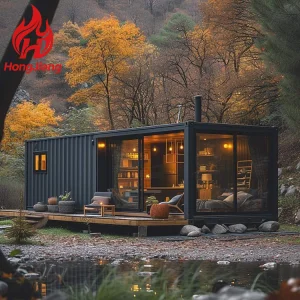
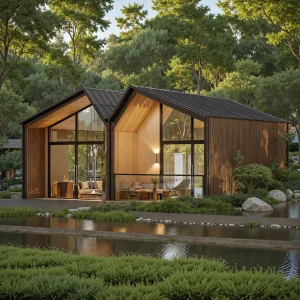
Engineered for immediate resort expansion and fast residential project setup across Thailand's primary tourist regions.
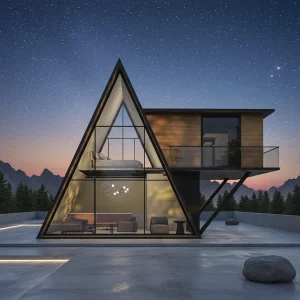
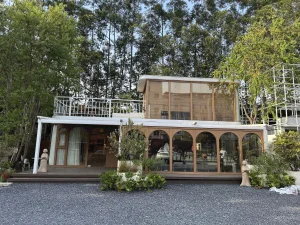
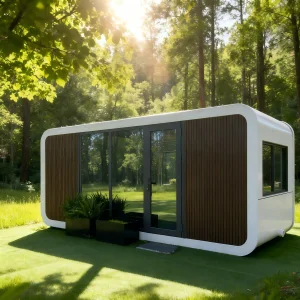
Thailand is experiencing a significant shift in its construction and real estate sectors. Rapid economic development within the Eastern Economic Corridor (EEC), combined with a high-growth hospitality sector in locations like Phuket, Koh Samui, and Chiang Mai, has intensified the demand for efficient, scalable, and environmentally sustainable building methods.
Traditional on-site reinforced concrete construction methods increasingly face challenges in the Thai market, including rising skilled labor costs, weather-related delays during the monsoon season, and strict environmental impact assessments (EIA) for protected ecological zones. In response, structural engineers, developers, and hospitality operators are turning to high-performance modular construction as a viable alternative.
Information Gain Insight: Off-site modular construction reduces total project execution timelines by up to 50% and on-site waste by 70% compared to cast-in-place methods, according to the Thailand Green Building Institute (TGBI). By manufacturing modular steel framework houses in controlled factory settings, developers avoid the high humidity issues that often affect structural curing times in tropical climates.
Deploying prefabricated modular houses in Thailand requires specific engineering adaptations to address local conditions: high relative humidity (averaging 70–80%), intense UV exposure, frequent monsoon rains, and seismic activity in northern regions like Chiang Rai.
| Engineering Parameter | Standard Specification | Thailand Regulatory Reference |
|---|---|---|
| Seismic Wind Load Rating | Up to 1.8 kN/m² (Category 2 Typhoon Resilience) | Building Control Act B.E. 2522 |
| Thermal Conductivity (Wall) | U-Value ≤ 0.30 - 0.35 W/m²K | Thailand Energy Code (EEDP) |
| Corrosion Protection Class | C4/C5 High Marine Grade Galvanization (Z275) | ISO 12944 Standard Alignment |
| Fire Safety Rating | Class A1 Non-combustible Rockwool Infills | TIS 450-2526 (Thai Industrial Standards) |
Importing prefabricated homes into Thailand requires compliance with local building regulations. Foshan SES House Co., Ltd. coordinates closely with Thailand-based registered architects and structural engineers to ensure all prefabricated steel packages comply with the Building Control Act B.E. 2522 and Ministerial Regulation No. 55.
We supply full structural computation models (in STAAD.Pro and Revit formats) to assist developers in securing local municipal building permits (Or.1). Additionally, for large-scale tourism developments in coastal areas, we supply environmental metric data to support Environmental Impact Assessment (EIA) filings.
High-density mobile accommodation units engineered for rapid deployment, emergency housing, and fast-track hospitality suites.
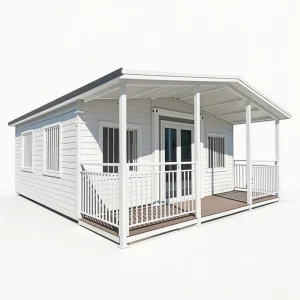
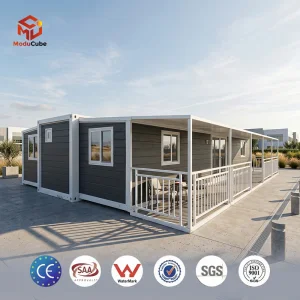
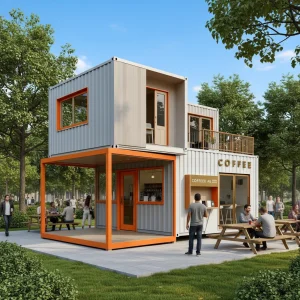
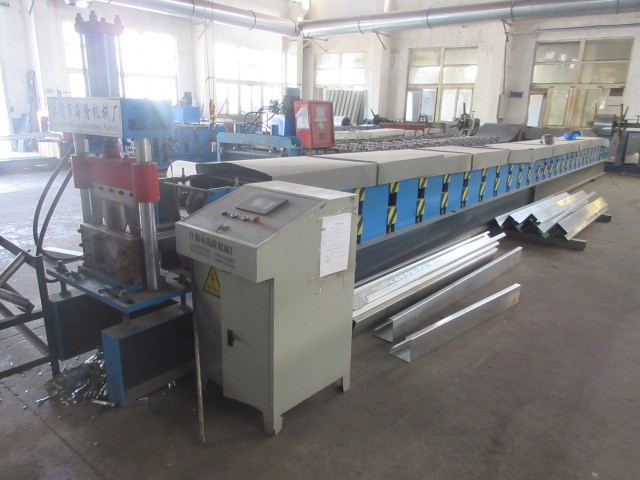
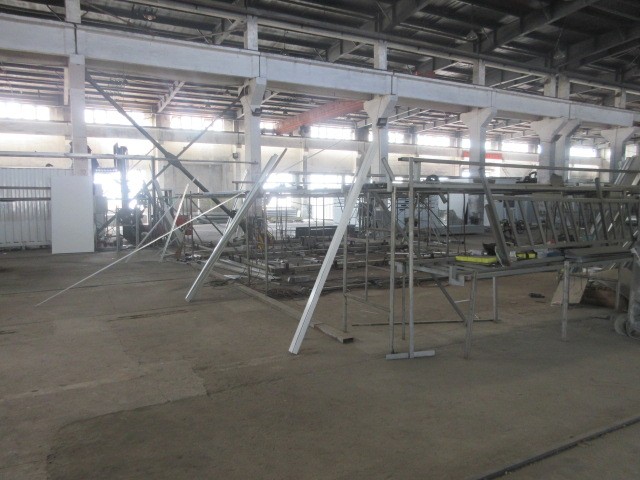
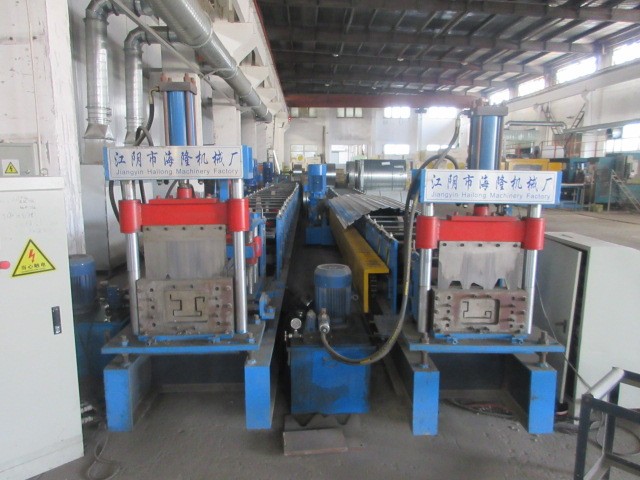
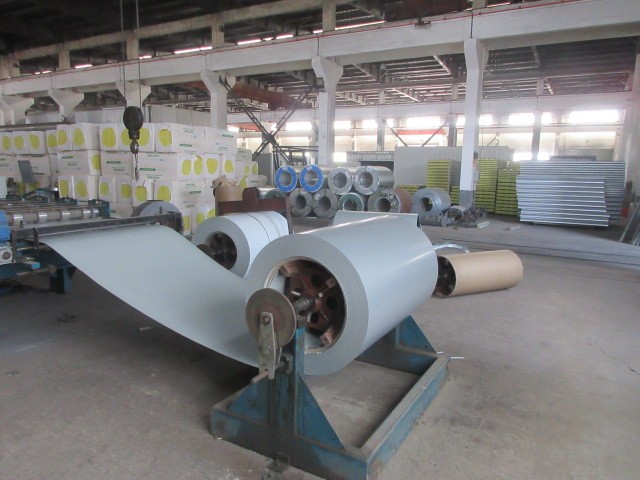
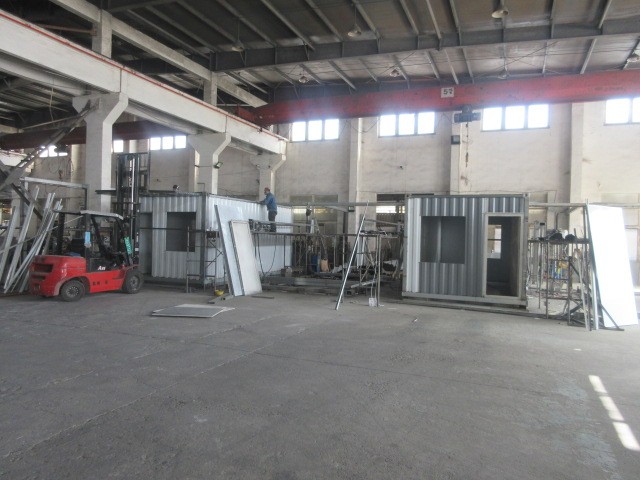
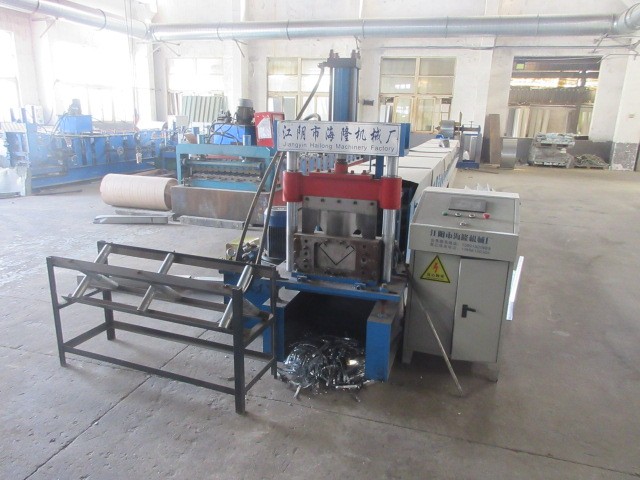
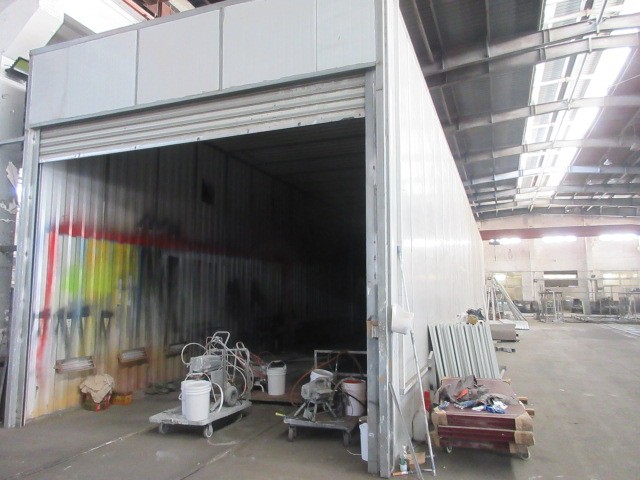
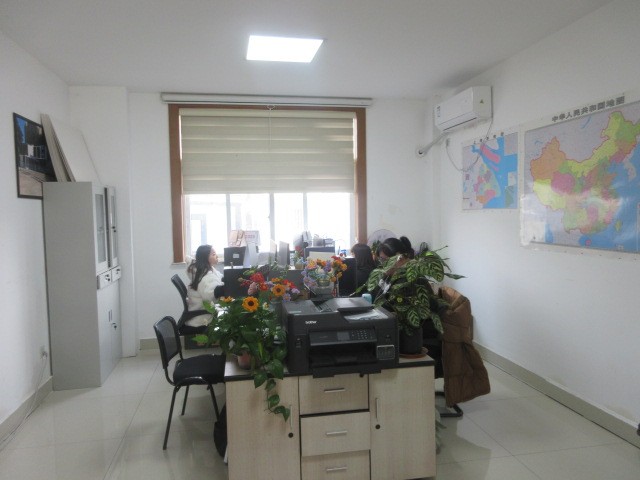
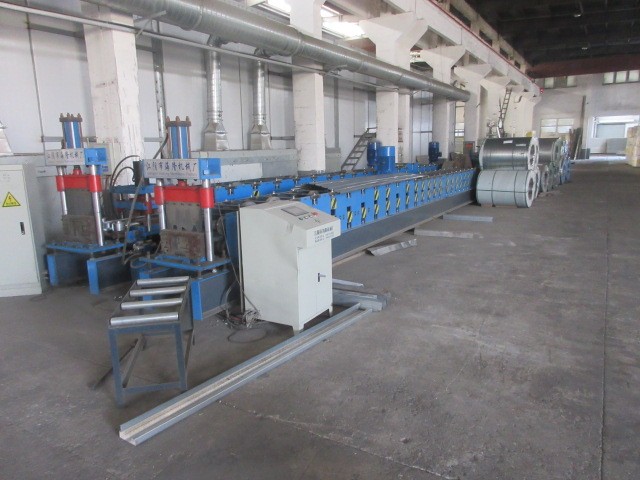
Foshan SES House Co., Ltd. operates manufacturing facilities in Foshan, China, a global hub for construction materials and metal fabrication. Our facility integrates automated manufacturing lines with structural engineering processes to produce standardized modular steel framing systems.
Compared to regional construction options within Southeast Asia, our Foshan factory offers consistent quality control, reliable raw material supply chains, and high-volume output capacities. This allows us to serve large-scale residential housing developments, commercial complexes, and industrial logistics facilities.
Our manufacturing processes follow strict quality management systems (ISO 9001:2015, CE, and SGS certifications). Each module is built to withstand shipping stresses and satisfies international building codes. This makes them suitable for global distribution and direct integration into local site assemblies.
We manage a structured logistics pipeline to support projects in Thailand. Standard containers or customized flat-rack structures are shipped from Nansha, Shenzhen, or Guangzhou ports directly to Laem Chabang Port or Bangkok Port, with typical shipping transit times ranging from 5 to 7 days.
Our structures are packed flat (KD-Knocked Down or flatpack) or shipped as complete volumetric units. Each component is labeled and cross-referenced with a comprehensive installation blueprint, helping local construction crews assemble the structures efficiently.
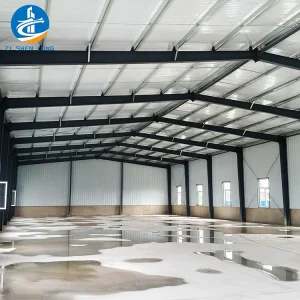
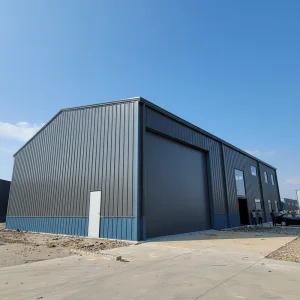
Engineered for large-scale operations in Thailand's industrial sectors, logistics hubs, and educational infrastructure initiatives.
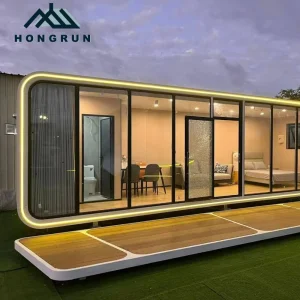
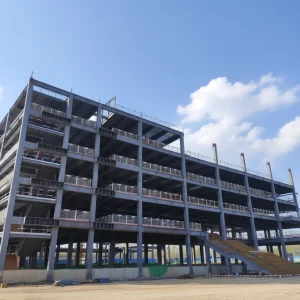
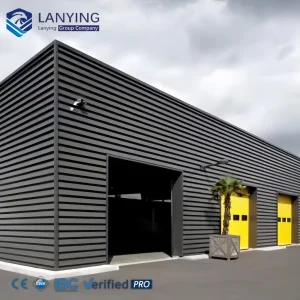
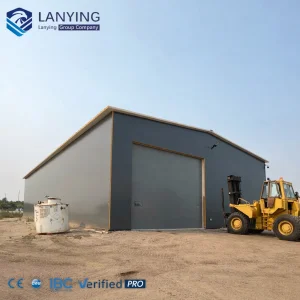
The adoption of sustainable modular housing in Southeast Asia relies on advances in material science and digital design integration. Foshan SES House Co., Ltd. implements a Building Information Modeling (BIM) system from engineering design to manufacturing. This integration ensures that MEP (Mechanical, Electrical, and Plumbing) interfaces are pre-integrated into structural modules prior to dispatch.
Our technology roadmap focuses on three main performance objectives: optimizing solar energy systems, reducing embodied carbon index (ECI), and designing for structural reuse.
For island installations (such as Koh Tao or Koh Phangan) where local power grids may be unstable or unavailable, our modular villas can integrate solar PV systems directly. Our structural designs accommodate roof load capacities up to 0.45 kN/m² for photovoltaic arrays, allowing developers to install clean energy systems without requiring additional structural support.
By using recyclable structural steel profiles and replacing traditional concrete slabs with fiber-cement composites, we reduce the Life Cycle Assessment (LCA) impact of each structure. This design approach contributes to points under the TREES (Thai's Rating of Energy and Environmental Sustainability) green building standard.
Technical Data Insight: Using dry-joint modular steel frameworks reduces water consumption during construction by 95% compared to concrete structural frames. For projects in environmentally sensitive regions of Thailand, this minimization of site water use protects local water tables and reduces overall site footprint.
Unlike traditional structures, our modular designs allow for disassembly and relocation. If land lease agreements shift—a common concern for hospitality operators in Thailand—these units can be disassembled, transported, and reassembled in new locations with minimal loss of structural integrity.
Expert technical responses to common questions regarding prefabricated modular procurement, structural safety, and importing procedures to Thailand.
Yes. Our structures are engineered to meet international building codes (IBC) and are customized to comply with the Thailand Building Control Act B.E. 2522. We supply detailed engineering computations, structural drawings, and material specifications (including galvanized steel ratings and wind load calculations) to assist your registered Thai structural engineers in obtaining local municipal building permits (Or.1).
Our units use structural frames with hot-dip galvanized steel coatings (Z275), providing protection against rust. Wall panels use moisture-resistant materials and single-direction vapor barriers to prevent interior moisture buildup. Additionally, joints and windows are double-sealed with marine-grade structural adhesives to prevent leaks during tropical storms.
Manufacturing at our Foshan facility typically takes 25 to 35 days, depending on project scale and customization requirements. Ocean transit from Shenzhen or Nansha port to Laem Chabang or Bangkok port takes 5 to 7 days. Customs clearance and inland transit within Thailand generally add another 3 to 5 days.
Yes. Our structural steel systems are calculated to withstand wind pressures up to 1.8 kN/m² (equivalent to Category 2 typhoons) and are designed to comply with seismic engineering standards for northern regions like Chiang Mai, matching ground acceleration ratings up to Zone 1-2.
We provide comprehensive OEM and ODM support. Clients can modify floor layouts, structural dimensions, exterior cladding finishes, and interior insulation specifications. Our design team works directly in CAD and Revit formats to integrate client-specified finishes and local utility setups.
Utilities are integrated into the wall panels during factory assembly in Foshan. Connection points are centralized at standard utility interfaces, allowing local contractors to connect water, drainage, electricity, and air-conditioning units once the structural modules are positioned.
Our permanent modular buildings, which utilize structural steel frameworks, have a design life of over 50 years when properly maintained. Temporary cabins and portable container houses have a design life of 15 to 25 years, depending on environmental conditions and regular maintenance of exterior seals and protective coatings.
We provide detailed structural installation drawings, component location keys, and step-by-step videos. For larger commercial developments or complex industrial warehouses, we can arrange for engineering technicians to support local installation teams on site, or provide remote assembly oversight via real-time video link.
 SES House