Engineered for extreme sub-zero conditions, structurally compliant with local Finnish codes, and delivered ready-to-assemble.
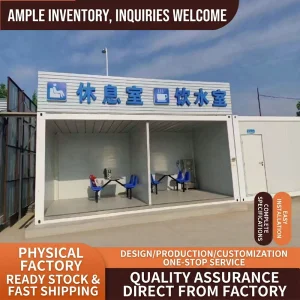
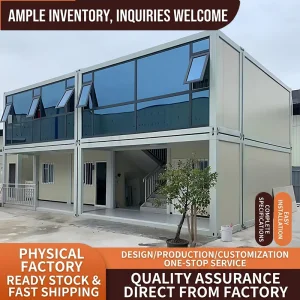
Finland represents one of the most demanding construction environments globally. With winter temperatures falling below -30°C in Northern regions such as Lapland and Oulu, traditional construction projects face severe seasonal limitations. Short outdoor building windows, coupled with exceptionally high local labor costs, have driven a structural paradigm shift toward volumetric off-site prefabricated construction.
For sectors like mining, logistics, public infrastructure, and clean energy, temporary accommodation buildings are no longer viewed as cheap, throwaway structures. Instead, modern Finnish developers require high-performance, relocatable modular buildings that exhibit identical thermal and mechanical characteristics to permanent facilities. From Arctic logistics depots in Vantaa to mining campsites in Sodankylä, modular assets are vital for operational continuity.
How offshore manufacturing processes adapt to rigorous Finnish standards and Arctic loads.
Deploying prefabricated buildings in Finland requires strict adherence to European Norms (Eurocodes) and specific regional modifications. High-tensile steel frames (S235JR and S355JR) form the structural backbone, designed to manage high ground snow load indices (ranging from 2.0 to 3.5 kN/m²). Standard steel structures must undergo hot-dip galvanization to ensure resilience against structural corrosion caused by persistent freeze-thaw cycles.
A primary failure mode in cold-climate modular design is the occurrence of thermal bridging. Our factory engineering processes implement structural thermal breaks at critical frame junctions. By decoupling the cold exterior steel structural components from the conditioned interior sub-frame using high-density polyurethane strips or specialized aerogel barriers, we eliminate condensation and mold formation. Furthermore, insulation layers utilize Class A1 fire-rated Rockwool or PIR sandwich panel configurations, achieving exceptional R-values that conform to regional energy efficiency directives.
Advanced structural separation utilizing high-density non-conductive materials prevents frost transfer from structural columns to inner drywall systems.
Roof trusses and load-bearing framing elements are simulated using Finite Element Analysis (FEA) to handle load dynamics up to 3.5 kN/m².
Materials selected are 100% recyclable. Flat-pack modular architectures optimize transportation carbon footprint by up to 70% during back-hauls.
By integrating Southern China's massive industrial ecosystem with strict Nordic quality controls, we solve structural procurement challenges:
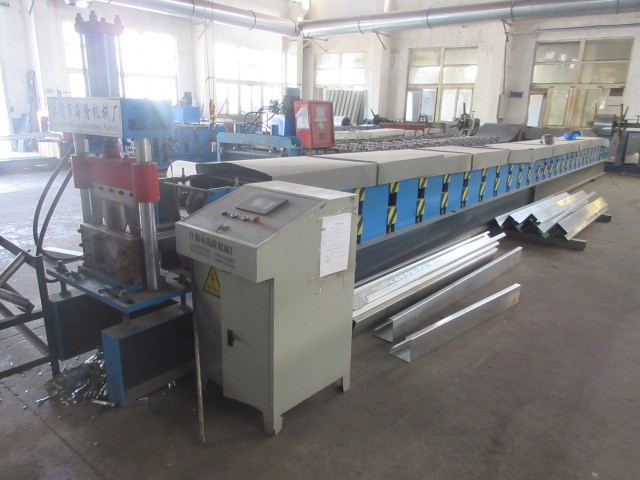
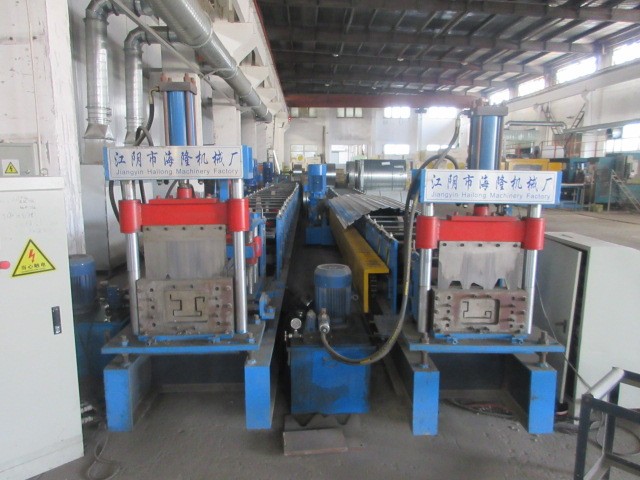
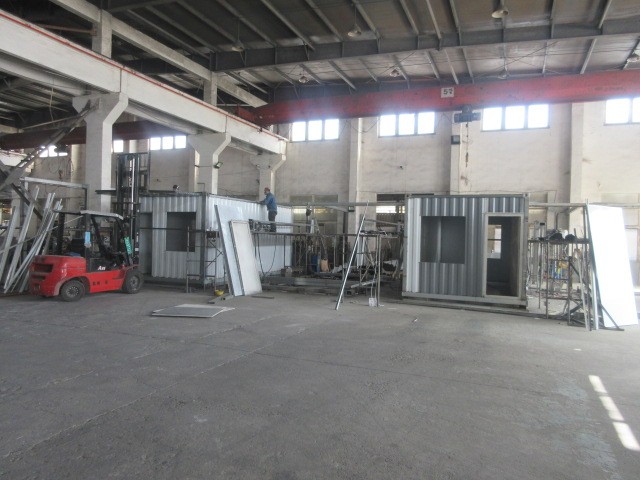
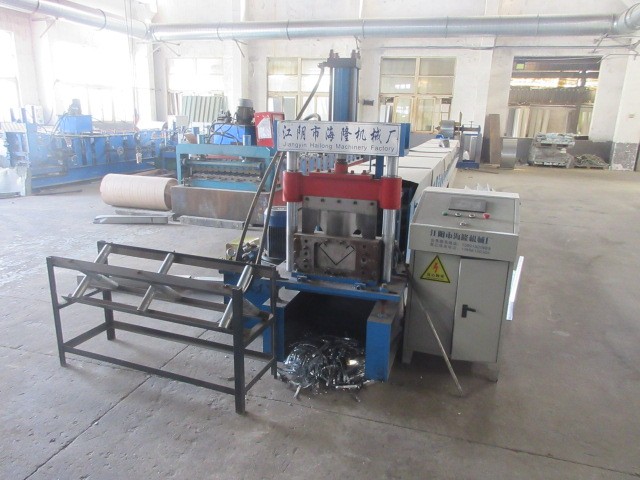
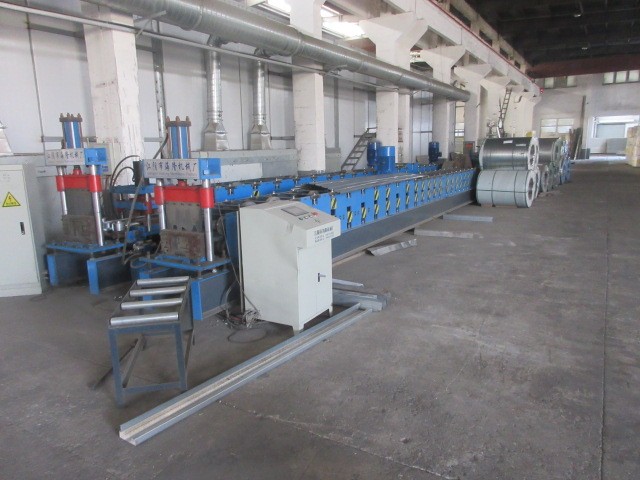
Procurement professionals in Finland face rising material costs and critical skill shortages domestically. The solution lies in utilizing offshore smart manufacturing platforms. Foshan's manufacturing corridor, operating on Factory 4.0 principles, utilizes automated tooling, robotic structural welding, and advanced quality tracking systems to assemble steel components with millimeter precision.
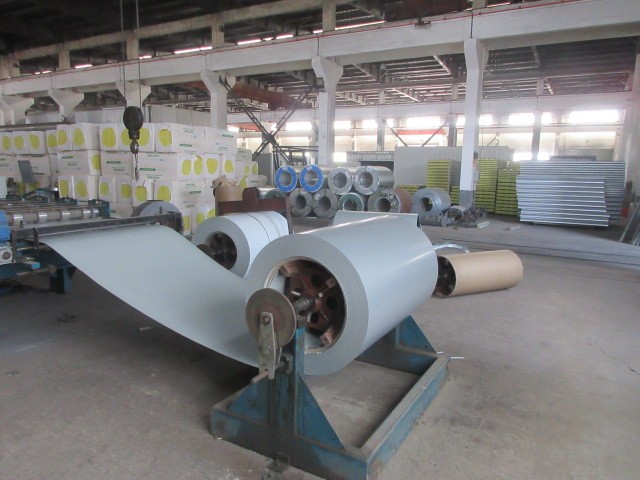
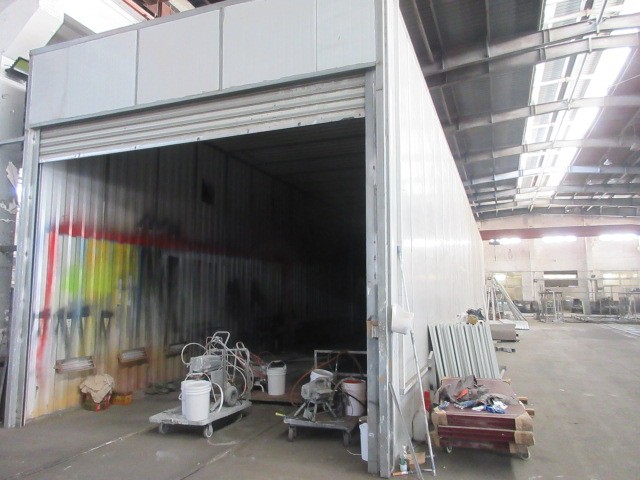
Foshan SES House Co., Ltd. coordinates an end-to-end supply ecosystem where raw structural materials, sandwich panels, integrated wiring, and finish plumbing are built in-house. This centralized control mitigates the risks of global freight disruptions and guarantees that all prefabricated modules arriving in Finnish ports are fully complete and ready for commissioning.
High-fidelity applications designed to serve specific regional initiatives across Finland.
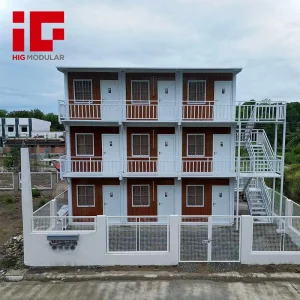
Heavy-duty multi-cabin worker housing configurations designed to withstand Lapland winters. Incorporates central wet rooms, commercial kitchens, and localized HVAC integration. Dynamic modular layout allows camp expansion or downsizing as mining sites mature.
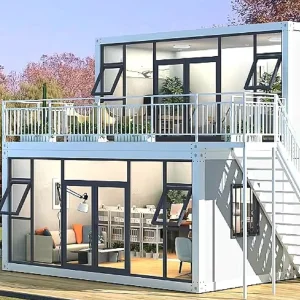
Modular flat-pack office suites designed for quick assembly near ports and industrial zones. Fully customizable interior partitions, modern networking conduits, and expansive double-glazed window configurations that maximize scarce winter daylight.
Rapidly deployable cleanroom-grade medical isolation modules. Equipped with pre-installed medical-gas paths, seamless anti-bacterial flooring, and negative pressure ventilation zones that meet EU biological and medical infrastructure standards.
A globally recognized manufacturer of modular and prefabricated steel structure systems.
Foshan SES House Co., Ltd. is a leading Modular House Manufacturer | Prefabricated Homes, Container Houses & Steel Structure Buildings dedicated to providing innovative, efficient, and sustainable building solutions for clients worldwide. With extensive experience in prefabricated construction, the company serves residential, commercial, industrial, educational, healthcare, and infrastructure sectors through high-quality modular building systems.
Located in Foshan, China, SES House operates advanced manufacturing facilities equipped with modern production technologies and strict quality management systems. The company specializes in the design, engineering, manufacturing, and installation of a wide range of modular structures, including prefabricated homes, container houses, steel structure buildings, modular villas, portable houses, worker camps, modular offices, educational facilities, healthcare buildings, and customized commercial projects.
SES House offers comprehensive OEM, ODM, and project-based solutions tailored to the specific requirements of developers, contractors, government agencies, and private enterprises. From architectural planning and structural design to manufacturing, transportation, and on-site assembly support, the company delivers complete turnkey modular construction services. Every project is engineered to achieve durability, safety, energy efficiency, and rapid deployment.
Quality and innovation are at the core of the company's operations. By utilizing premium steel structures, environmentally friendly materials, and precision manufacturing processes, SES House ensures reliable building performance while reducing construction time and labor costs compared to traditional construction methods.
The company has successfully supplied modular building solutions to customers across North America, Europe, Australia, Southeast Asia, Africa, and the Middle East. Supported by professional project management, competitive pricing, flexible customization capabilities, and responsive customer service, SES House continues to build long-term partnerships with clients around the globe.
Foshan SES House Co., Ltd. remains committed to advancing modern construction through smart modular technologies, sustainable development practices, and high-quality prefabricated building solutions that meet the evolving needs of global markets.
Answering critical engineering, logistics, and compliance questions for Finnish buyers.
Explore our full line of temporary and permanent steel structures serving international construction standards.
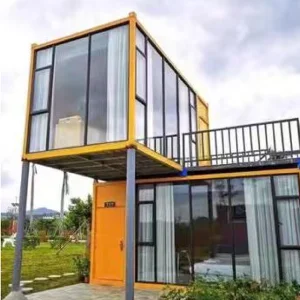
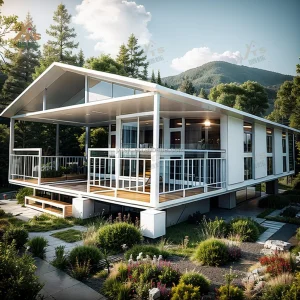
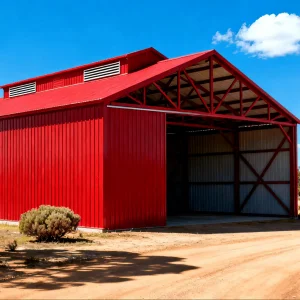
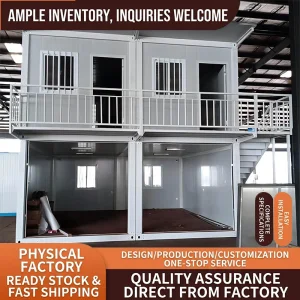
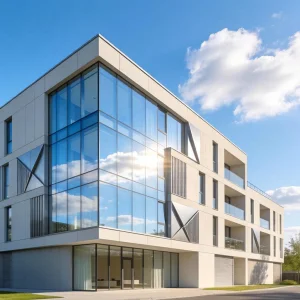
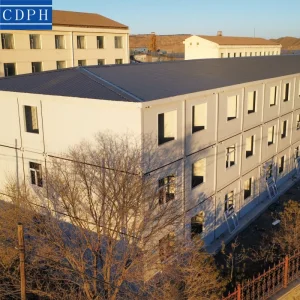
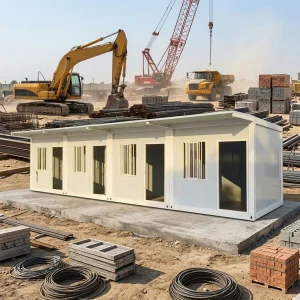
Targeted building styles engineered for instant field erection and specialized services.
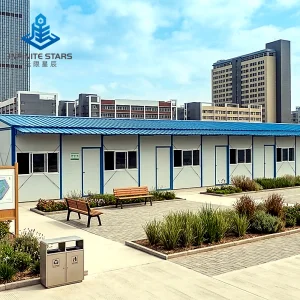
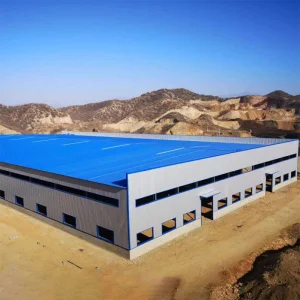
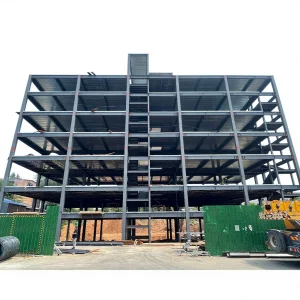
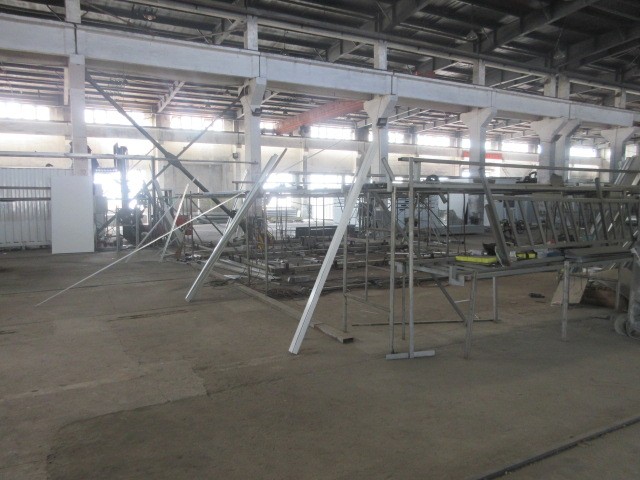
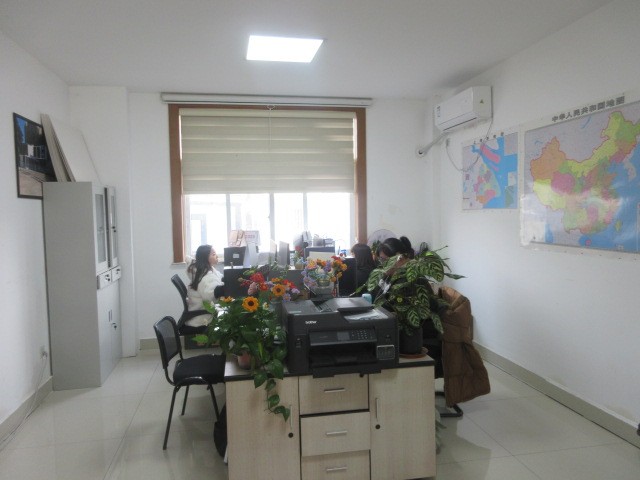
Visualizing the high precision manufacturing and QA operations at our Foshan facility.
Partner with an exporter that understands cold climate demands, structural engineering calculations, and offshore supply chain management.
 SES House