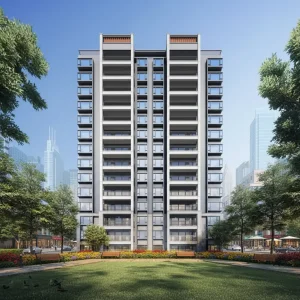
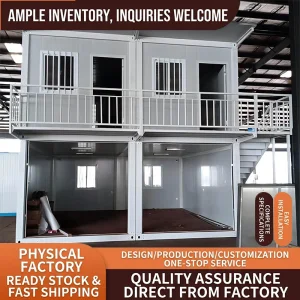
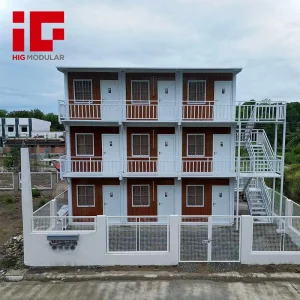
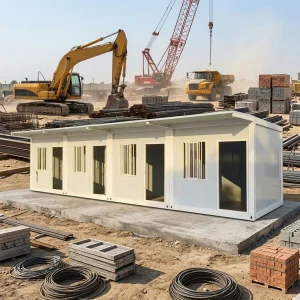
High-integrity prefab units structured for instant deployment in mining sites, disaster response zones, and remote locations throughout Chile.
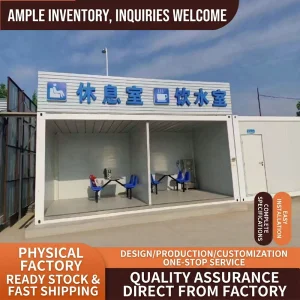
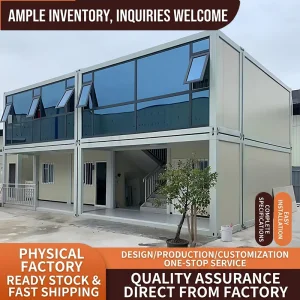
Chile presents a unique geographic and logistical matrix. Stretching over 4,200 kilometers along South America’s western edge, the country encapsulates extreme environmental contrasts—ranging from the hyper-arid Atacama Desert in the north to the sub-antarctic, wind-scourged terrains of Patagonia in the south. Furthermore, Chile sits on the highly active Nazca-South American plate boundary, rendering it one of the most seismically active regions globally. For industries operating in this landscape, standard temporary housing is insufficient. Modern infrastructure demands modular systems that combine structural compliance with rapid mobility.
The core drivers of temporary accommodation in Chile are concentrated in the heavy industrial sectors. Northern Chile, centered around Antofagasta, Calama, and Copiapó, is the epicenter of global copper and lithium mining. These remote operations require self-sustaining, high-density residential camps capable of housing thousands of workers. Simultaneously, the expanding renewable energy sector (large-scale solar in the north and wind energy developments in the south) demands agile construction camps that can be deployed quickly and removed without leaving a permanent ecological footprint, adhering to strict Chilean environmental regulations (RCA - Resoluciones de Calificación Ambiental).
Every modular unit supplied by SES House is engineered to satisfy the strict requirements of Chilean standards NCh433 Of.2012 (Seismic Design of Buildings) and NCh2369 Of.2003 (Seismic Design of Industrial Structures), ensuring high structural ductility under severe ground acceleration.
To cope with the extreme thermal swings of the Atacama and Patagonian winters, our panels comply with the Ordenanza General de Urbanismo y Construcciones (OGUC) thermal zoning rules, utilizing thick PIR/Rockwool insulation cores.
Structural frameworks are mathematically modeled using Finite Element Analysis (FEA) to withstand high wind zones in coastal regions and Andean altitudes exceeding 4,000 meters above sea level, reaching design velocity limits up to 150 km/h.
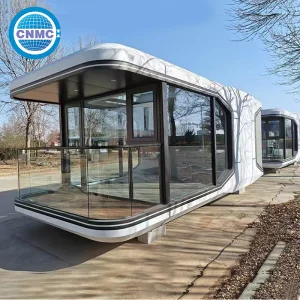
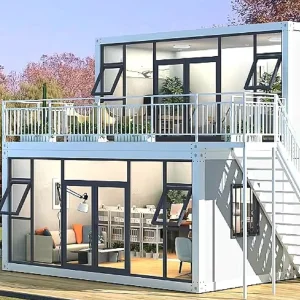
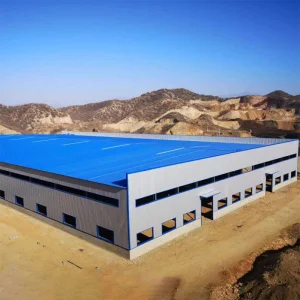
Expanding the horizons of modular execution, from eco-luxury tourist villages to heavy-duty mining warehouses.
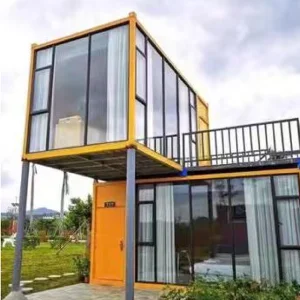
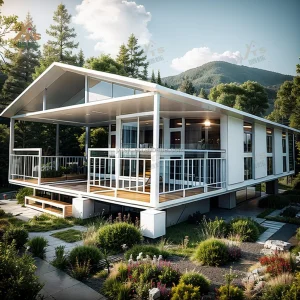
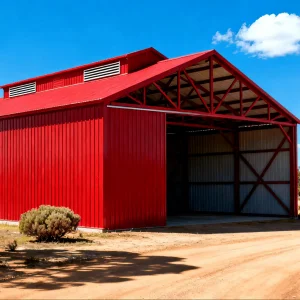
As a premier temporary accommodation buildings manufacturer serving Chile, SES House implements a rigorous, standards-driven design process. Standard off-the-shelf Chinese modular configurations are customized to meet local conditions. By executing a series of structural, thermal, and electrical adaptations, we ensure that every building shipped to Iquique, Valparaíso, or Punta Arenas performs reliably and conforms to municipal regulatory inspections.
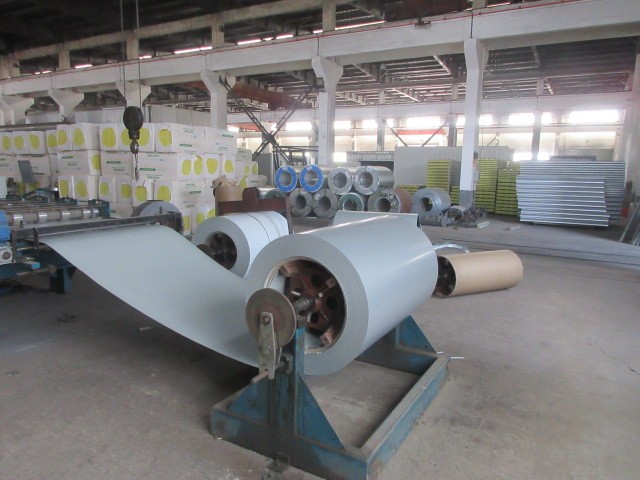
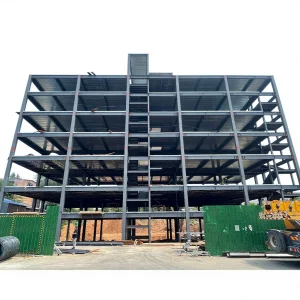
Our structures utilize cold-formed, hot-dip galvanized steel frames with yields up to Q355B class. Frame joints utilize engineered structural bolts and high-yield welded gusset plates designed to allow calculated elastic deformation. This prevents sudden catastrophic shear failures during the high-frequency ground motions characteristic of Chile's subduction earthquakes. Rather than designing rigid, brittle structures, our modular chassis behaves as a ductile frame, dampening kinetic energy and ensuring occupant safety.
In high-altitude mining basins like the Atacama (above 3,500m), temperatures routinely swing by 30°C in a single 24-hour cycle. To minimize HVAC energy loads, our modular walls feature sandwich panels with high-density Polyisocyanurate (PIR) cores ranging from 75mm to 150mm. PIR is specified for its self-extinguishing fire rating and low thermal conductivity (λ ≤ 0.022 W/m·K). The panel interfaces utilize a deep double tongue-and-groove joint profile combined with specialized EPDM compression seals. This configuration minimizes air infiltration and eliminates thermal bridging, keeping interior spaces warm during sub-zero Andean nights.
For coastal installations and lithium brine operation environments, atmospheric salinity and humidity are highly corrosive to standard steel. SES House applies a multi-layered protective coating on all structural steel frames. This includes a hot-dip galvanization process with a zinc coating thickness of no less than 275 g/m² (Z275), followed by an epoxy zinc-rich primer and a polyurethane finish coat. This system achieves a C4 to C5 corrosion resistance classification under ISO 12944 standards, extending the operational lifespan of the temporary accommodations to over 20 years.
Foshan SES House Co., Ltd. is a leading Modular House Manufacturer | Prefabricated Homes, Container Houses & Steel Structure Buildings dedicated to providing innovative, efficient, and sustainable building solutions for clients worldwide. With extensive experience in prefabricated construction, the company serves residential, commercial, industrial, educational, healthcare, and infrastructure sectors through high-quality modular building systems.
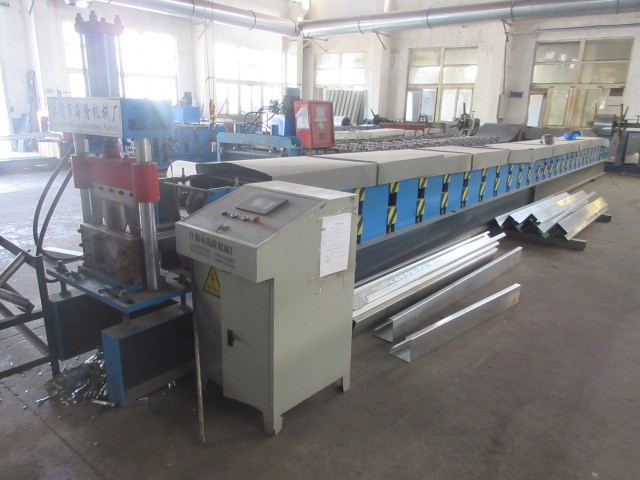
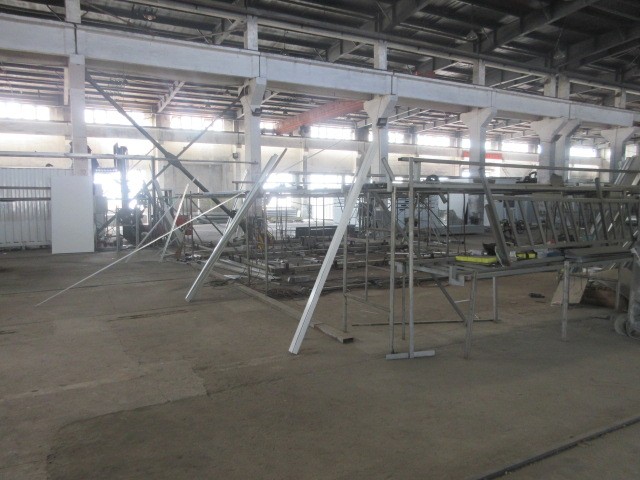
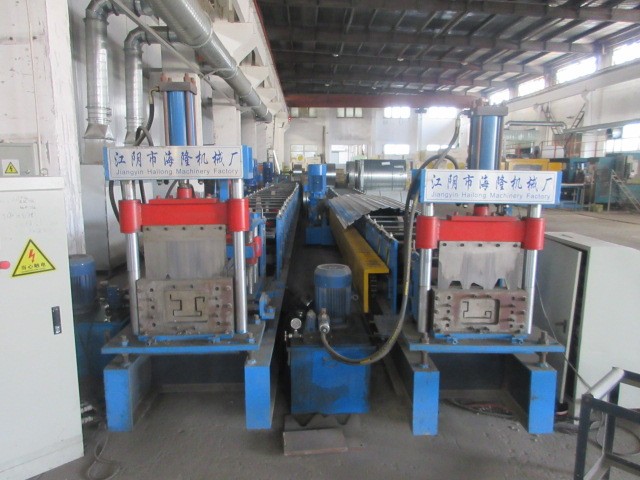
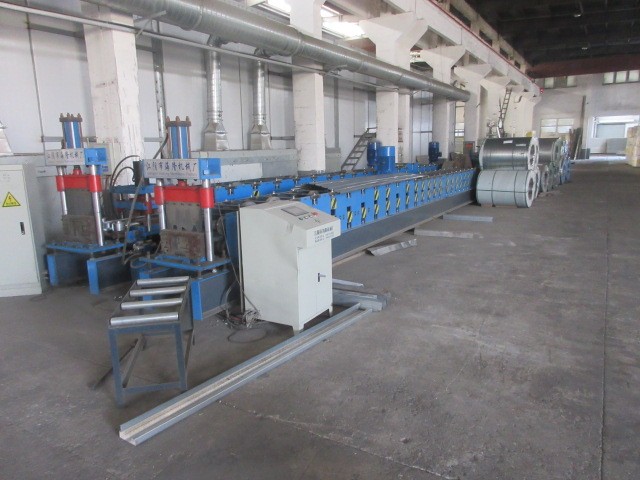
Located in Foshan, China, SES House operates advanced manufacturing facilities equipped with modern production technologies and strict quality management systems. The company specializes in the design, engineering, manufacturing, and installation of a wide range of modular structures, including prefabricated homes, container houses, steel structure buildings, modular villas, portable houses, worker camps, modular offices, educational facilities, healthcare buildings, and customized commercial projects.
SES House offers comprehensive OEM, ODM, and project-based solutions tailored to the specific requirements of developers, contractors, government agencies, and private enterprises. From architectural planning and structural design to manufacturing, transportation, and on-site assembly support, the company delivers complete turnkey modular construction services. Every project is engineered to achieve durability, safety, energy efficiency, and rapid deployment.
Quality and innovation are at the core of the company's operations. By utilizing premium steel structures, environmentally friendly materials, and precision manufacturing processes, SES House ensures reliable building performance while reducing construction time and labor costs compared to traditional construction methods.
The company has successfully supplied modular building solutions to customers across North America, Europe, Australia, Southeast Asia, Africa, and the Middle East. Supported by professional project management, competitive pricing, flexible customization capabilities, and responsive customer service, SES House continues to build long-term partnerships with clients around the globe. Foshan SES House Co., Ltd. remains committed to advancing modern construction through smart modular technologies, sustainable development practices, and high-quality prefabricated building solutions that meet the evolving needs of global markets.
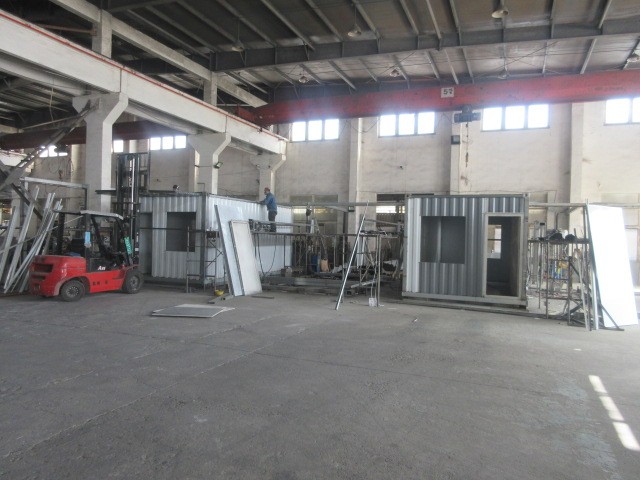
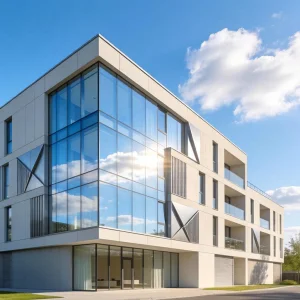
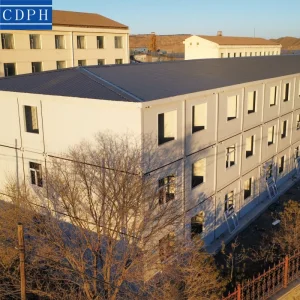
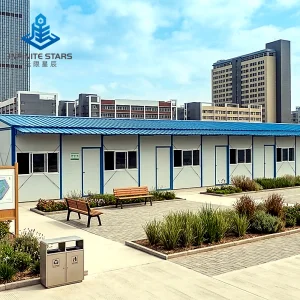
Browse our complete catalog of structural buildings optimized for the Chilean mining, corporate, educational, and medical sectors.
As the construction landscape evolves globally, the integration of ESG (Environmental, Social, and Governance) targets is driving changes in Chilean mining and infrastructure projects. SES House is at the forefront of this shift, steering modular accommodation technology away from simple shelter and toward smart, circular-economy-compliant habitats.
Traditional site offices and worker camps often rely heavily on concrete and single-use timber, generating substantial waste upon decommissioning. Our prefabricated steel container houses and flat-packs are designed on circular-economy principles. Structural frames are 100% recyclable, and modular connections are engineered for easy disassembly. A camp deployed in the Atacama Desert can be packed, transported, and reassembled in Patagonia with minimal loss of structural components, avoiding the typical waste associated with traditional construction methods.
Modern remote operations in Chile are increasingly moving off-grid. To support this, SES House is engineering integrated solar roof structural brackets and high-capacity battery bank enclosures directly into the modular building designs. Additionally, the integration of smart IoT systems within temporary accommodations allows operators to monitor real-time energy use, manage HVAC performance, and optimize clean water distribution across large camps, significantly reducing carbon footprints and operational costs.
To preserve fragile local ecosystems in Chile, such as national parks in Patagonia or desert terrains, our temporary buildings are designed for installation on low-impact foundation systems, such as helical screw piles. This eliminates the need for extensive concrete foundations, allowing the site to return to its original natural state when the camp is decommissioned.
 SES House