The global construction industry is undergoing a structural paradigm shift. Driven by rapid urbanization, soaring field labor costs, and pressing ESG (Environmental, Social, and Governance) directives, traditional cast-in-place concrete methods are increasingly being supplanted by pre-engineered offsite construction. At the heart of this global transition is the steel framed modular building. Market studies project the global prefabricated steel building market to expand at a compound annual growth rate (CAGR) of over 6.5% through the next decade, transitioning from a specialty engineering vertical into the mainstream structural standard for commercial, residential, and institutional infrastructure.
Steel framed structures possess inherent mechanical benefits. Their high strength-to-weight ratio allows for long-span designs, flexible interior column-free layouts, and remarkable structural resistance against seismic forces and high-velocity wind loads. Across regions like North America, Europe, and Australia, developer consortiums are prioritizing cold-formed steel (CFS) and heavy structural steel framing systems due to their predictability and compliance with stringent modern building codes (e.g., IBC, Eurocodes, AS/NZS). By assembling primary components within highly controlled factory environments, the vulnerability of building schedules to adverse weather conditions is entirely eliminated.
"Foshan SES House Co., Ltd. represents the peak of this operational evolution, deploying state-of-the-art structural engineering and high-precision steel fabrication to transform raw architectural designs into turnkey, code-compliant physical assets deployed across six continents."
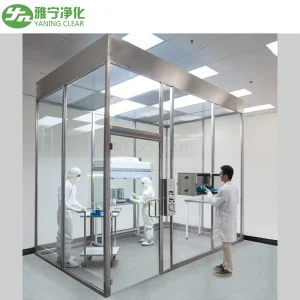
Pre-engineered metal buildings (PEMB) and volumetric modular units utilize complex CAD/CAM and Building Information Modeling (BIM) frameworks. BIM modeling integrates architectural layouts directly with computer-numeric control (CNC) machinery at the factory level. This minimizes dimensional deviations to sub-millimeter tolerances. In industrial zones and remote areas, modular steel cabins, cleanrooms, and warehouse structures prove to be the most resilient structures available, safeguarding expensive equipment and human capital under challenging ambient environments.
China represents over 50% of the world's steel production output, which underpins its dominance in prefabricated steel construction. The concentration of secondary manufacturers, components suppliers, glass manufacturers, surface coating plants, and ocean logistics networks within localized hubs creates an unparalleled industrial ecosystem. Foshan, located in the Guangdong province, is globally recognized as the epicenter of high-end structural building materials, modular construction hardware, and finishing systems.
This localization provides Chinese factories with two massive competitive advantages:
Consequently, Foshan SES House Co., Ltd. can deliver projects ranging from multi-story modular dormitories to large industrial warehouses at a fraction of the cost and lead time of Western manufacturers. The structural integrity is never compromised; instead, it is enhanced by advanced automation and rigorous quality control protocols executed at every stage of the manufacturing cycle.
The versatility of modern steel prefab systems allows them to adapt to diverse climatic conditions and structural requirements. Below are the key scenarios where modular steel buildings from Foshan SES House Co., Ltd. are currently deployed:
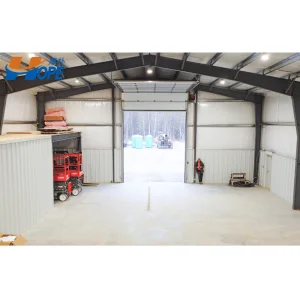
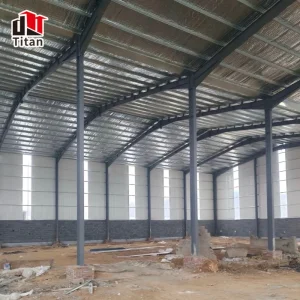
Traditional brick-and-mortar warehouse construction takes months or years. A pre-engineered steel structure warehouse, designed with portal frame systems, can be erected in weeks. Using lightweight, high-tensile steel members enables clear-span distances of over 45 meters, maximizing storage volumes. The integrated insulated sandwich panels (EPS, rockwool, or polyurethane) maintain interior climate stability, protecting inventory and lowering heating, ventilation, and air conditioning (HVAC) operating costs.
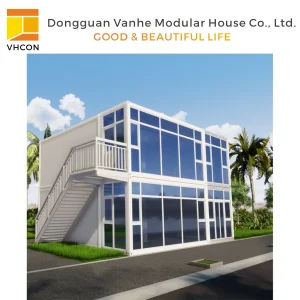
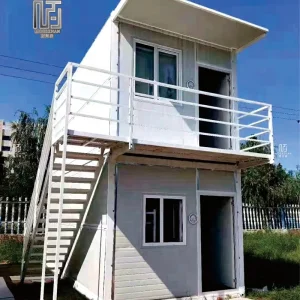
Developing school districts, medical labs, and growing commercial businesses require fast construction times. Prefabricated modular classrooms, cleanrooms, dormitories, and multi-room modular apartments offer rapid expansion capabilities. These modules can be stacked horizontally and vertically, including integrated MEP (Mechanical, Electrical, Plumbing) services, reducing onsite finishing requirements to simple utility connection works.
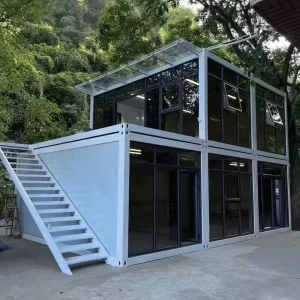
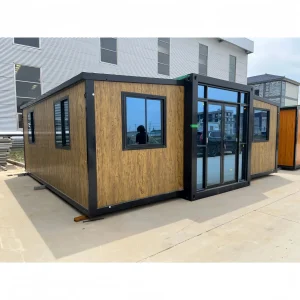
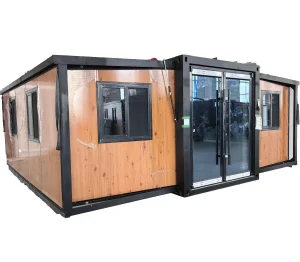
Mining, oil, and gas operations often exist in remote, challenging environments (e.g., arid deserts, sub-zero tundra regions). Remote worker camps require structures that are durable, highly insulated, and easy to pack and transport. Heavy-duty container-based modules and flat-pack container structures fit standard ISO shipping dimensions, enabling transport via cargo ships and multi-axle trucks to remote destinations.
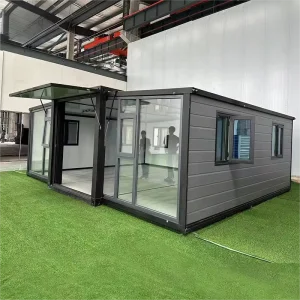
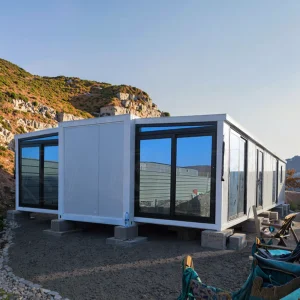
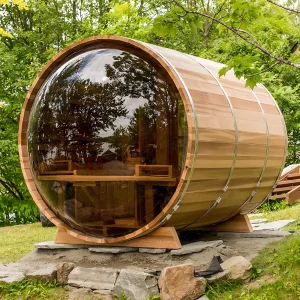
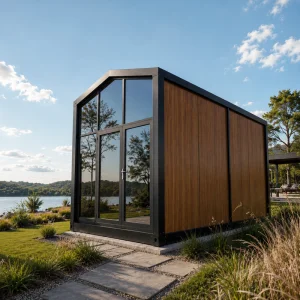
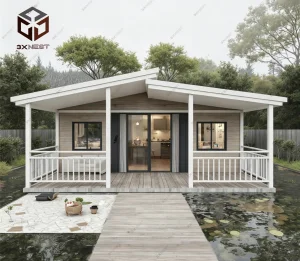
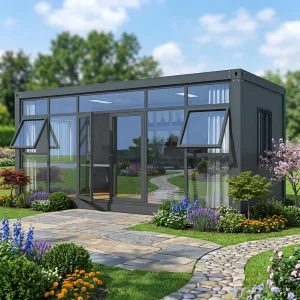
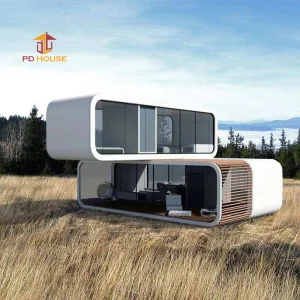
The rise of eco-tourism has generated high demand for non-invasive, luxury resort cabins, modern steel villas, and outdoor saunas. These structures, including panoramic glass cabins and expandable tiny homes, are built on minimal point foundations. This protects the local topography while providing guests with luxury amenities, floor-to-ceiling panoramic views, and premium thermal and acoustic insulation.
The construction sector accounts for nearly 39% of global energy-related carbon emissions. To mitigate this impact, global developers face strict regulatory demands to adopt sustainable practices. Steel framed modular systems contribute directly to these decarbonization goals:
Procuring steel framed buildings internationally requires navigating complex technical compliance, quality control, and logistics frameworks. To ensure a smooth transaction and build reliability, global buyers should focus on three primary operational steps:
Before starting production, engineering teams must verify that the structural designs match the buyer's local building codes. This includes structural calculations for wind loads, snow loads, and seismic zones (e.g., Eurocode 3 for Europe, AISC specifications for North America, and AS 1170 for Australia/New Zealand). Foshan SES House Co., Ltd. uses specialized engineering software to generate load-testing models, ensuring the steel frame sections meet these safety requirements.
Procurement agents should verify that manufacturers use certified steel raw materials (such as Q235B or Q355B structural steel). The raw material should have mill test certificates (MTC). Quality control processes must cover:
Transport costs can significantly impact overall project budgets. Modular structures should be optimized for shipping. Foldable container systems and flat-pack homes are designed to pack tightly into standard 40ft High Cube (HQ) shipping containers, reducing ocean freight costs per square meter. Larger volumetric modules must be engineered to fit safely within shipping clearances to avoid specialized oversized cargo rates.
Foshan SES House Co., Ltd. is a leading Modular House Manufacturer | Prefabricated Homes, Container Houses & Steel Structure Buildings dedicated to providing innovative, efficient, and sustainable building solutions for clients worldwide. With extensive experience in prefabricated construction, the company serves residential, commercial, industrial, educational, healthcare, and infrastructure sectors through high-quality modular building systems.
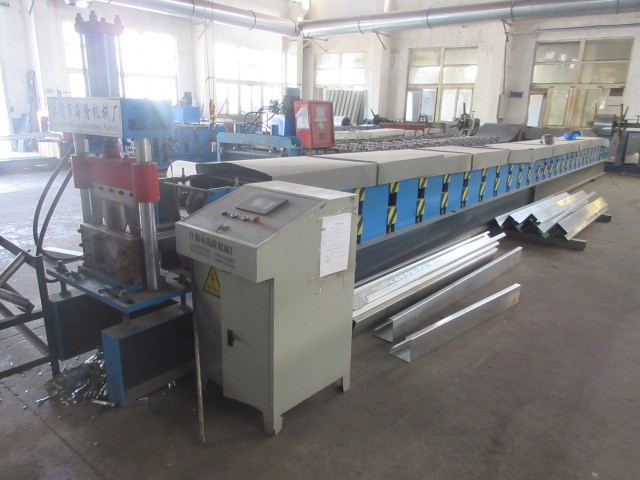
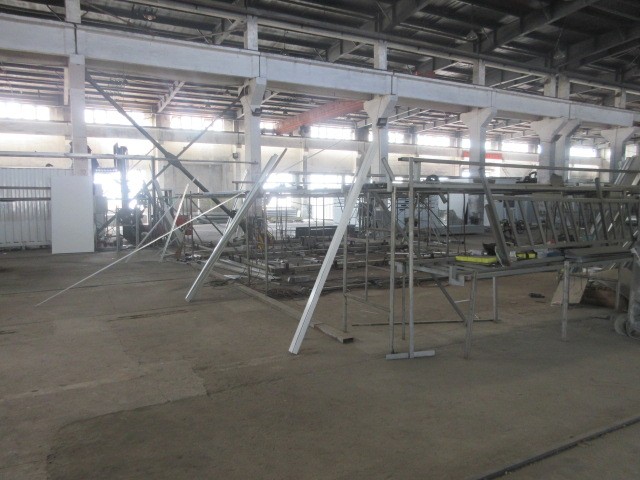
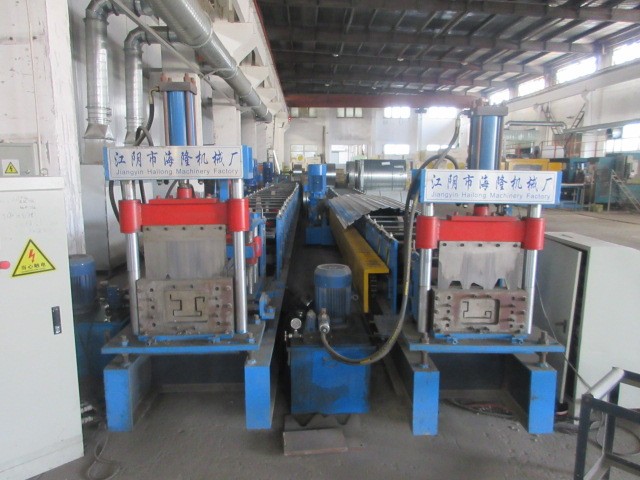
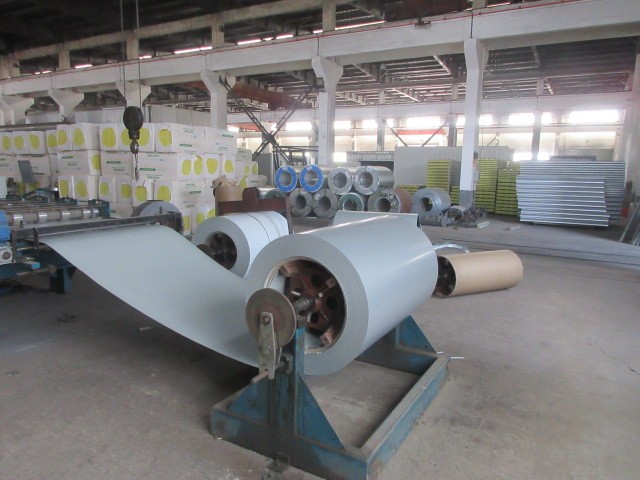
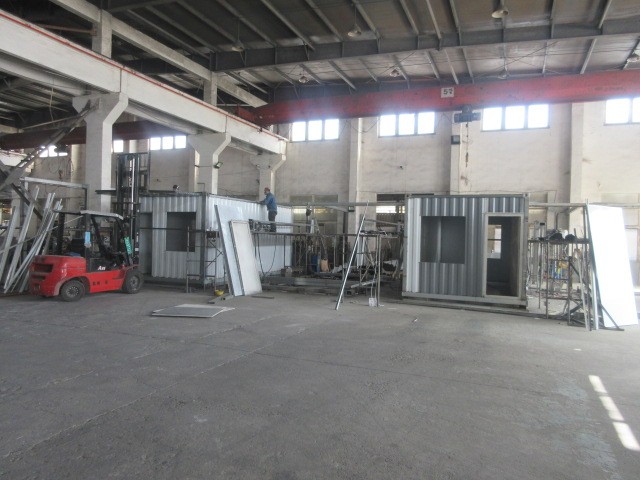
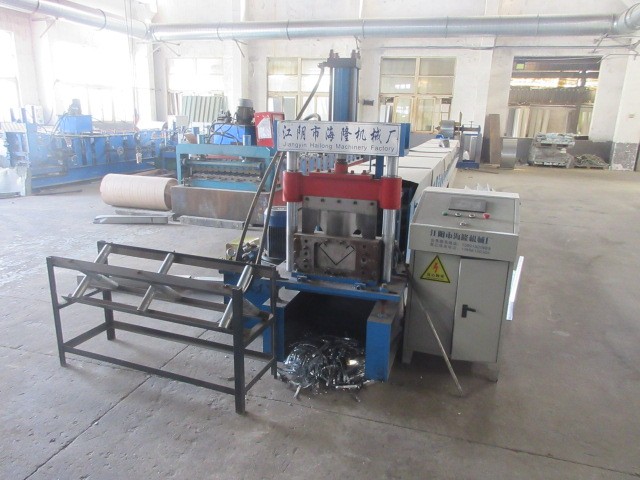
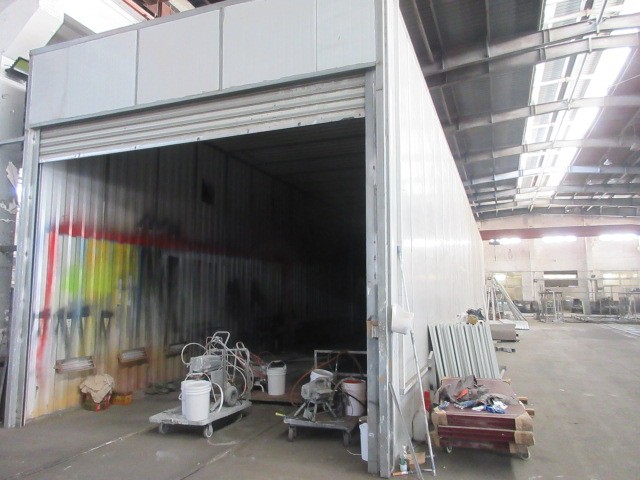
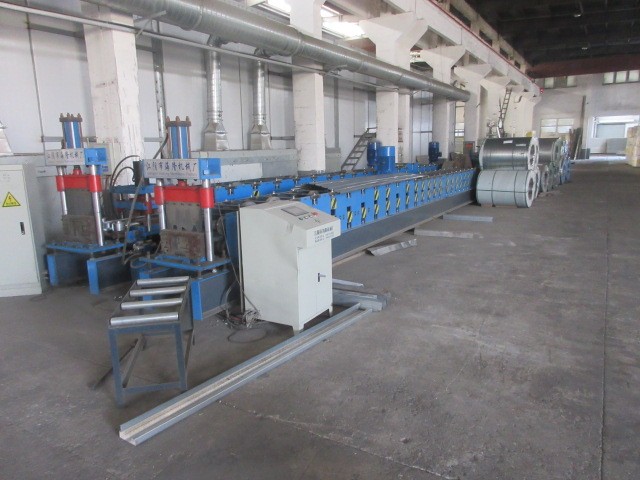
Located in Foshan, China, SES House operates advanced manufacturing facilities equipped with modern production technologies and strict quality management systems. The company specializes in the design, engineering, manufacturing, and installation of a wide range of modular structures, including prefabricated homes, container houses, steel structure buildings, modular villas, portable houses, worker camps, modular offices, educational facilities, healthcare buildings, and customized commercial projects.
SES House offers comprehensive OEM, ODM, and project-based solutions tailored to the specific requirements of developers, contractors, government agencies, and private enterprises. From architectural planning and structural design to manufacturing, transportation, and on-site assembly support, the company delivers complete turnkey modular construction services. Every project is engineered to achieve durability, safety, energy efficiency, and rapid deployment.
Quality and innovation are at the core of the company's operations. By utilizing premium steel structures, environmentally friendly materials, and precision manufacturing processes, SES House ensures reliable building performance while reducing construction time and labor costs compared to traditional construction methods.
The company has successfully supplied modular building solutions to customers across North America, Europe, Australia, Southeast Asia, Africa, and the Middle East. Supported by professional project management, competitive pricing, flexible customization capabilities, and responsive customer service, SES House continues to build long-term partnerships with clients around the globe.
Foshan SES House Co., Ltd. remains committed to advancing modern construction through smart modular technologies, sustainable development practices, and high-quality prefabricated building solutions that meet the evolving needs of global markets.
 SES House