Engineered for high thermal resistance, structural resilience, and rapid assembly timelines. Explore our prime wholesale modules designed to meet modern green-building codes worldwide.
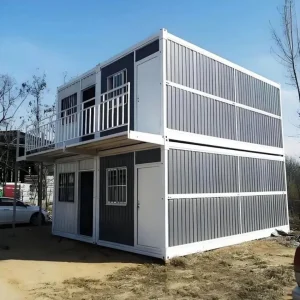
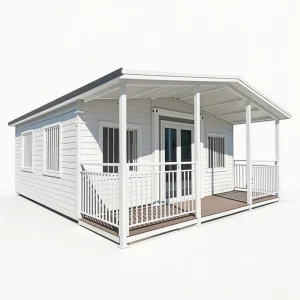
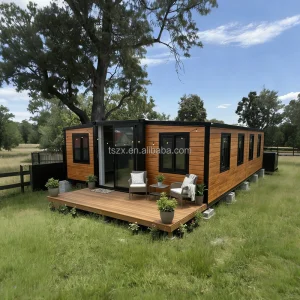
Foshan SES House Co., Ltd. is a leading Modular House Manufacturer | Prefabricated Homes, Container Houses & Steel Structure Buildings dedicated to providing innovative, efficient, and sustainable building solutions for clients worldwide. With extensive experience in prefabricated construction, the company serves residential, commercial, industrial, educational, healthcare, and infrastructure sectors through high-quality modular building systems.
Located in Foshan, China, SES House operates advanced manufacturing facilities equipped with modern production technologies and strict quality management systems. The company specializes in the design, engineering, manufacturing, and installation of a wide range of modular structures, including prefabricated homes, container houses, steel structure buildings, modular villas, portable houses, worker camps, modular offices, educational facilities, healthcare buildings, and customized commercial projects.
As municipal bodies align under net-zero mandates, modern construction demands a fundamental migration from wet concrete builds to precision-fabricated energy-efficient modular frameworks. Below is an engineering and strategic analysis of the modern prefabricated landscape.
Under strict energy compliance laws such as the European Union's Energy Performance of Buildings Directive (EPBD) and USA's ASHRAE 90.1, thermal envelope performance is critical. Advanced factory environments integrate structural insulated panels (SIPs) and double-glazed low-E argon-filled glazing systems. This drastically lowers thermal bridging, maintaining interior environments with up to 60% less HVAC mechanical load.
Traditional construction sites generate up to 30% material waste. Off-site modular manufacturing in our centralized China factories controls production tolerances within +/- 1mm, optimizing material utilization. Steel structure framing utilizes computer-aided design (CAD) coordinates to pre-punch service pathways and fasteners, leaving zero scraps at the assembly plant.
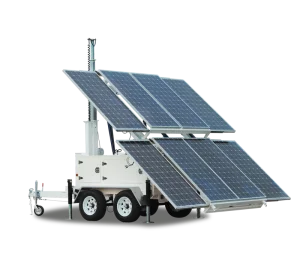
Sustainable modular houses are transitionally developed to support active energy collection system interfaces. Zero-cost solar trailers, integrated rooftop photovoltaic arrays, and microgrid lithium batteries convert structural assets into dynamic energy producers, catering to remote infrastructure sites, mining camps, and adventure tourism hubs.
From the production floor to multi-country shipping corridors, SES House integrates modern materials, strict testing protocols, and robust engineering validations.
SES House offers comprehensive OEM, ODM, and project-based solutions tailored to the specific requirements of developers, contractors, government agencies, and private enterprises. From architectural planning and structural design to manufacturing, transportation, and on-site assembly support, the company delivers complete turnkey modular construction services. Every project is engineered to achieve durability, safety, energy efficiency, and rapid deployment.
Quality and innovation are at the core of the company's operations. By utilizing premium steel structures, environmentally friendly materials, and precision manufacturing processes, SES House ensures reliable building performance while reducing construction time and labor costs compared to traditional construction methods.
The company has successfully supplied modular building solutions to customers across North America, Europe, Australia, Southeast Asia, Africa, and the Middle East. Supported by professional project management, competitive pricing, flexible customization capabilities, and responsive customer service, SES House continues to build long-term partnerships with clients around the globe.
Foshan SES House Co., Ltd. remains committed to advancing modern construction through smart modular technologies, sustainable development practices, and high-quality prefabricated building solutions that meet the evolving needs of global markets.
We supply sector-specific engineering that addresses regulatory compliance, spatial requirements, and environmental variables.
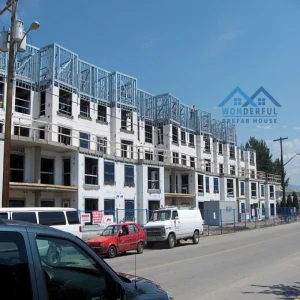
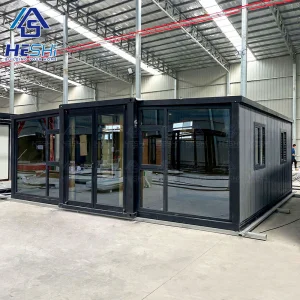
Our light steel frame villas and multi-unit flat-pack container apartments are built to withstand structural seismic categories. Prefabricated construction speeds up ROI by enabling occupancy up to 50% faster than traditional cast-in-place concrete structures, allowing developers to scale commercial operations rapidly.
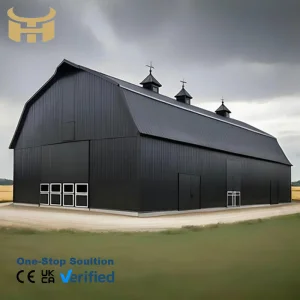
Engineered for portal frame steel structures, warehouses, and storage depots, our designs optimize clear-span space. The integration of high-density rockwool panel siding guarantees fire protection ratings of up to 120 minutes while mitigating external noise pollution in mixed-use industrial zones.
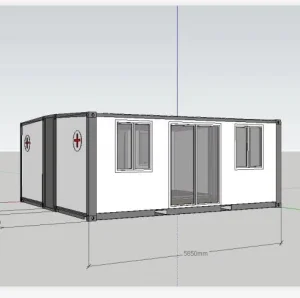
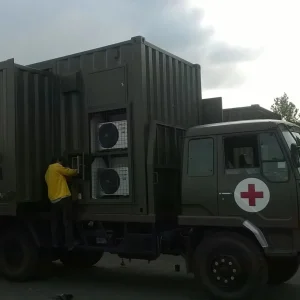
From modular mobile hospitals to isolated surgical units, custom medical facilities require internal clinical finishes, specialized HVAC ducting for negative pressure, and seamless sanitation properties. We provide fast-build, pre-plumbed medical modules ready for deployment in crisis zones.
Detailed analysis of structural loads, material formulations, and energy metrics designed to meet strict international standards.
| Structural Element | Material / Configuration Specification | Performance Matrix | International Code Compliance |
|---|---|---|---|
| Primary Frame | Hot-dip galvanized Q355B structural steel, cold-formed profiles (Zinc coat ≥ 275g/m²). | Yield strength ≥ 355 MPa. Design life cycle exceeding 50 years. | EN 1090-2, ASTM A36 / A572, AS/NZS 4600 |
| Thermal Insulation | High-density polyurethane (PU) foam cores or non-combustible hydrophobic Rockwool panels (75mm - 150mm). | Thermal Conductivity ≤ 0.022 W/m·K (PU). Fire rating Class A1. | DIN 4102, BS 476, ASTM E84 Class A |
| Glazing Assemblies | Low-emissivity double-glazed units (5mm + 12Argon + 5mm) with thermal break aluminum profiles. | U-value ≤ 1.4 W/m²K. Sound acoustic dampening up to 38 dB. | CE EN 1279, NFRC Standard, AS 2047 |
| Wind & Seismic Load | Computerized cross-braced shear wall structural matrices with anchor bolts mapped for coastal climates. | Resists wind velocity up to 250 km/h (Category 5 hurricane). Seismic resistance Grade 8. | Eurocode 1 & 8, ASCE 7-10, AS/NZS 1170 |
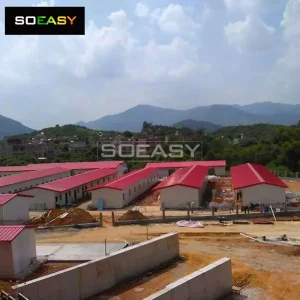
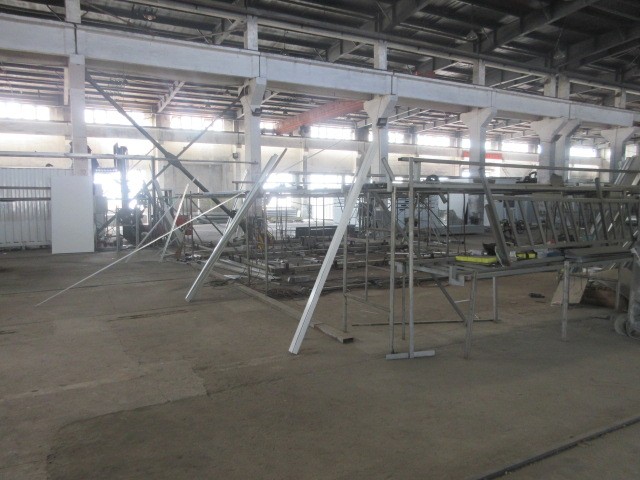
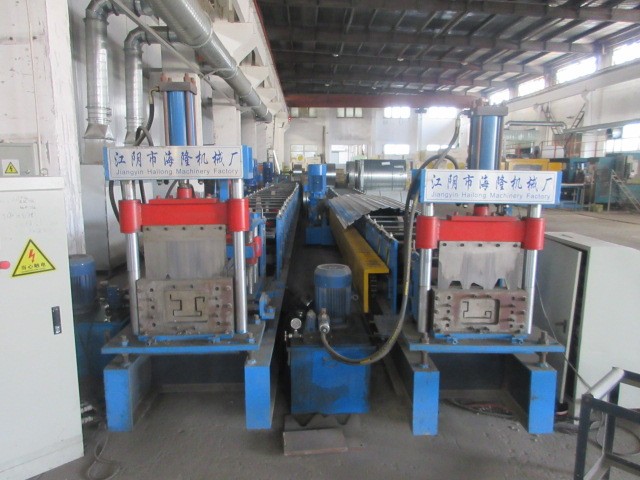
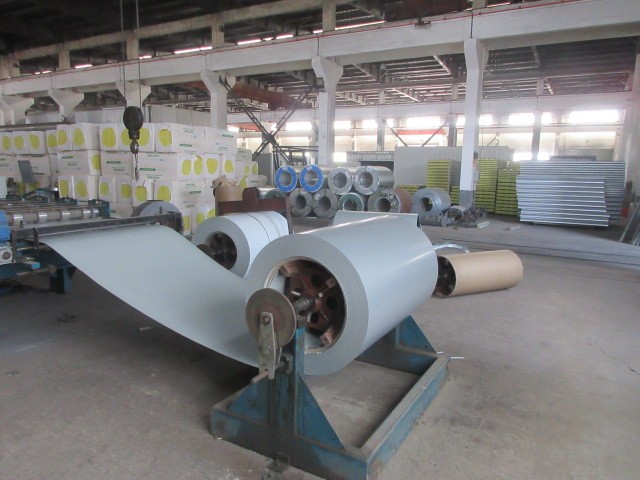
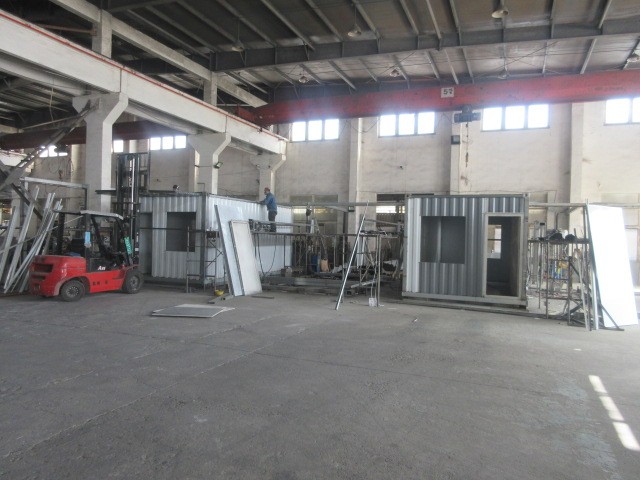
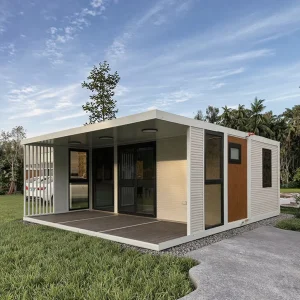
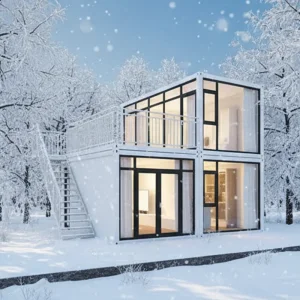
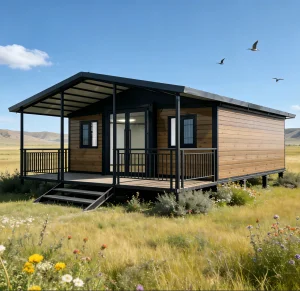
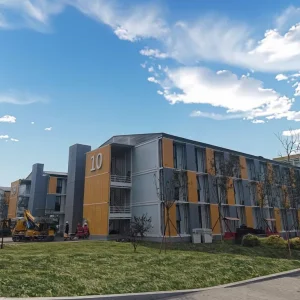
Visual proof of our state-of-the-art manufacturing plants, production runs, and completed project assemblies across global jurisdictions.
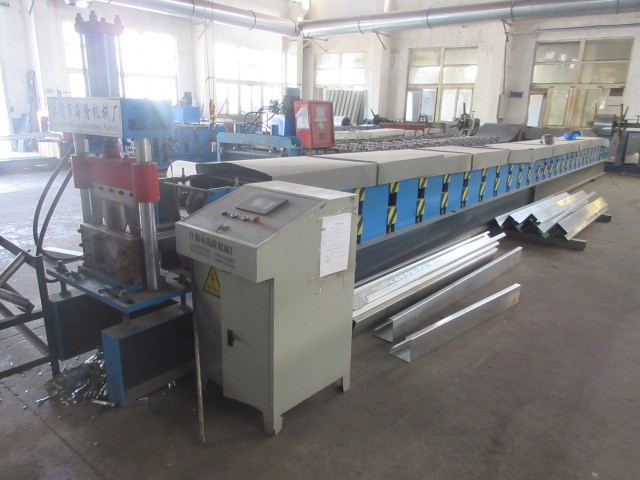
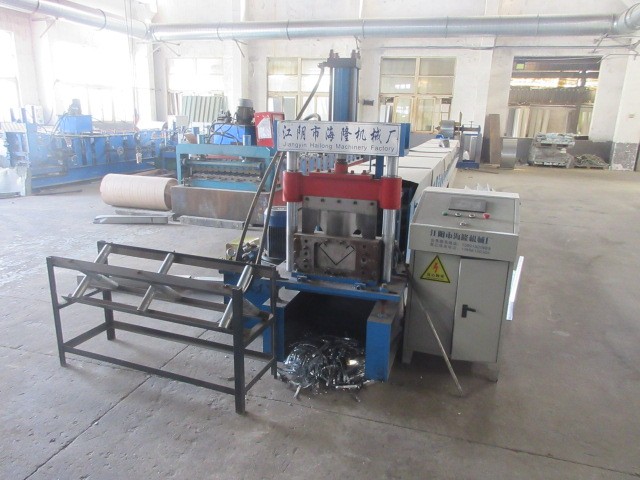
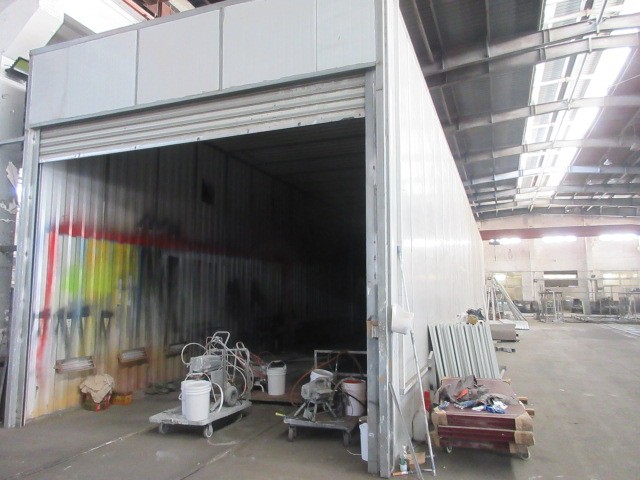
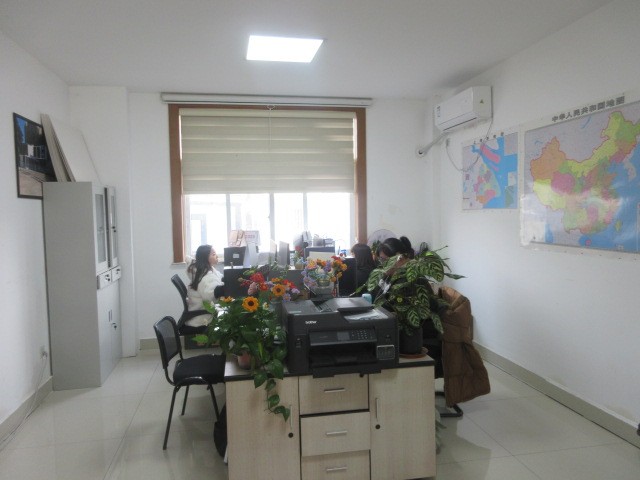
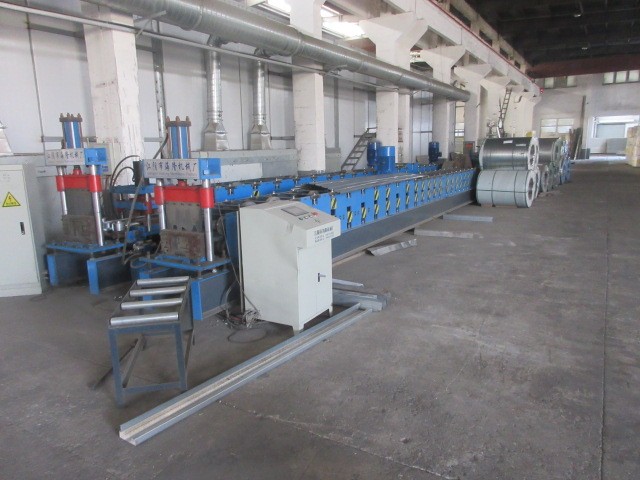
Foshan SES House Co., Ltd. continuously updates its manufacturing processes to stay ahead of future eco-efficiency goals. Our technology pipeline integrates advanced materials to meet the building codes of tomorrow.
By integrating organic paraffin-based microencapsulated Phase Change Materials (PCMs) within our wall cavities, the thermal mass of light steel modules is significantly increased. PCMs absorb and release thermal energy during state transitions, flattening indoor temperature spikes and reducing mechanical cooling cycles by up to 25%.
We are partnering with steel manufacturers utilizing electric arc furnaces (EAF) powered by renewable energy. This reduces the carbon footprint of our galvanized and light-gauge framing components, helping developers meet strict scope-3 emissions goals under ESG compliance models.
Get quick answers to common questions about technical parameters, customization, and importing wholesale energy-efficient structures from China.
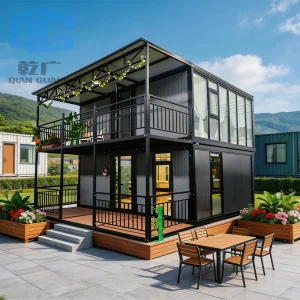
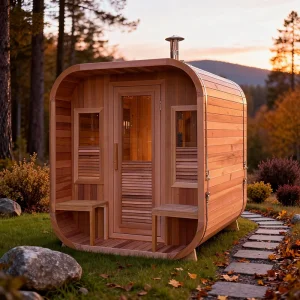
Select from our highly adaptable steel configurations, tiny capsule eco-villas, folding clinics, and zero-cost solar utility assets designed for fast deployment.
 SES House