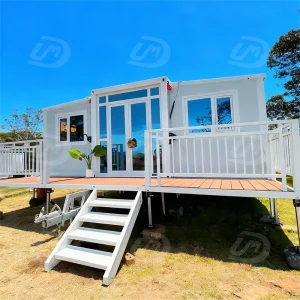
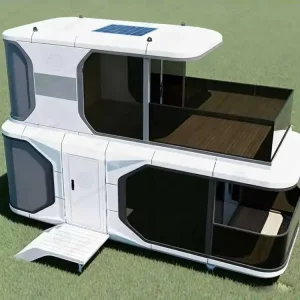
Explore our precision-engineered selection of rapid-assembly container homes, luxury prefabricated villas, modular workspaces, and specialist hygienic structures custom-manufactured to global structural standards.

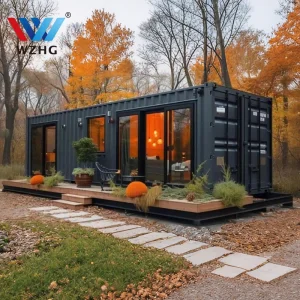
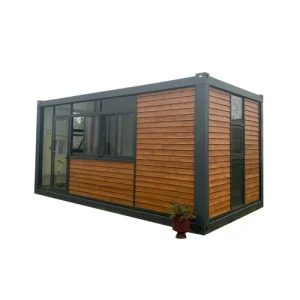
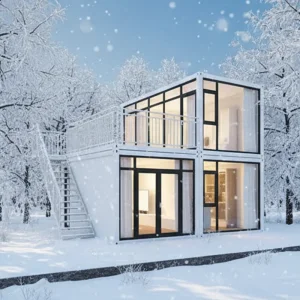
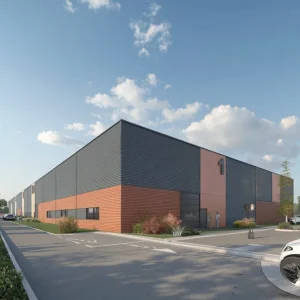
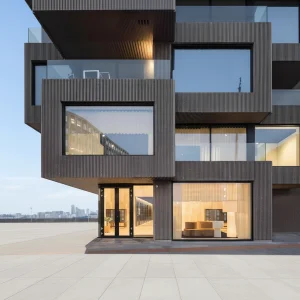
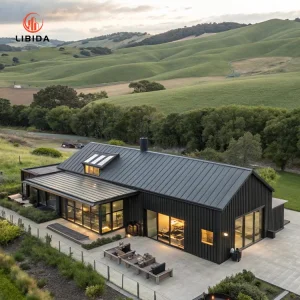
Foshan SES House Co., Ltd. is a leading Modular House Manufacturer | Prefabricated Homes, Container Houses & Steel Structure Buildings dedicated to providing innovative, efficient, and sustainable building solutions for clients worldwide. With extensive experience in prefabricated construction, the company serves residential, commercial, industrial, educational, healthcare, and infrastructure sectors through high-quality modular building systems.
Located in Foshan, China, the industrial heartland of high-precision steel construction, SES House operates advanced manufacturing facilities equipped with modern production technologies and strict quality management systems. The company specializes in the design, engineering, manufacturing, and installation of a wide range of modular structures, including prefabricated homes, container houses, steel structure buildings, modular villas, portable houses, worker camps, modular offices, educational facilities, healthcare buildings, and customized commercial projects.
By delivering comprehensive OEM, ODM, and project-based solutions tailored to the specific requirements of developers, contractors, government agencies, and private enterprises, SES House covers the entire lifecycle of industrial construction. From architectural planning and structural design to manufacturing, global transportation, and on-site assembly support, our turnkey modular construction services are engineered to achieve maximum durability, safety, energy efficiency, and rapid deployment.
Modern healthcare systems demand agility, safety, and rapid scalability. Traditional wet-construction methods are increasingly replaced by industrialized modular assembly systems. This structural shift allows medical developers to build complex hospital wings, diagnostics labs, and outpatient centers up to 50% faster, minimizing site disruption and guaranteeing clinical-grade environmental controls.
Rapid expansion systems designed to meet localized patient surges. Pre-plumbed, pre-wired, and fully integrated with medical gas systems and emergency power grids. Ideal for fast-turnaround clinical capacities.
High-cleanliness containment structures supporting Class 100 to Class 10000 HEPA filtration. Configurable to negative or positive air pressure requirements for infectious disease isolation or sterile product processing.
Optimized for disaster relief, remote communities, and military applications. Built on heavy-duty, ISO-standard containerized frame platforms for easy deployment by air, sea, or land transport networks.
By utilizing industrialized assembly protocols, our modular healthcare structures eliminate up to 90% of on-site waste. Every structure incorporates dynamic thermal barriers, acoustic dampening systems, and high-load performance frames. This level of quality management guarantees that critical medical facilities perform reliably under severe regional environmental stress, such as seismic activity and hurricane-force winds.
Sourcing modular healthcare units requires deep technical alignment. Our specialized R&D team at Foshan SES House develops engineering blueprints prioritizing structure, sealing, and automated HVAC integration. The following schematic framework highlights the technical advantages integrated into our modular buildings:
Our structural design utilizes heavy-duty Q345B galvanized steel frames, powder-coated to prevent oxidation under high humidity or chemical sterilizer contact. Wall systems leverage Class-A fire-resistant rockwool or polyurethane (PU) sandwich panels, achieving optimal heat transfer coefficients (U-values) for energy savings in high-demand hospital HVAC applications.
For medical clinical isolation wards and surgical theaters, our designs integrate laminar flow HEPA filters (99.97% containment of particles down to 0.3μm). Smart variable frequency drive (VFD) blowers maintain a controlled pressure differential between zones (typically >15Pa positive for sterile rooms, or <-15Pa negative for bio-hazard containment), conforming directly to global WHO and CDC safety guidelines.
Integrated sensors monitoring air change rates (ACH), relative humidity, differential pressure, and temperature. Real-time metrics output directly to hospital building management systems (BMS).
Internal walls are finished with anti-microbial, anti-static, PVC-coated surfaces. Floor-to-wall junctions utilize coved details to eliminate dust-gathering corners and simplify disinfection.
Pre-wired conduits, integrated distribution panels, quick-connect water manifolds, and medical grade gas pipelines tested prior to factory dispatch, minimizing on-site hookup timelines.
Foshan is recognized globally as the premier cluster for prefabricated architectural steel manufacturing. By drawing from local high-grade metal refineries, precision CNC cutting suppliers, and certified electrical component manufacturers, Foshan SES House Co., Ltd. ensures continuous production timelines without raw-material bottlenecks.
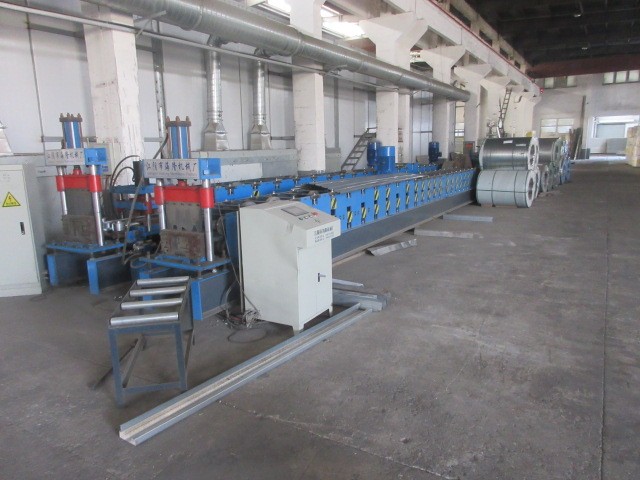
Our Factory 4.0 practices combine automated welding lines with strict quality gates at each stage of construction: frame machining, wall panel assembly, insulation packing, interior pre-fitting, and electrical-plumbing pressure testing. This level of quality management guarantees that all building elements arrive on-site with zero component defects, saving critical time and reducing deployment costs for international contractors.
Exporting structural buildings requires strict adherence to regional building regulations, zoning codes, and healthcare certifications. Foshan SES House Co., Ltd. custom-engineers each modular structure to match local standards including the International Building Code (IBC), Eurocodes (EN 1993 for steel structures), Australian Building Codes (AS/NZS 1170), and local fire safety ratings (NFPA 101/British Standard BS 476).
Full structural calculations provided by our in-house engineering team. Wind load, snow load, and seismic performance certifications are calculated to localized geographic coordinates.
Modules are optimized for containerized logistics (using 40ft High Cube containers or SOC flat racks). Structural units are reinforced against lateral and vertical accelerations during ocean transport.
We provide complete 3D installation videos, detailed foundation layout drawings, and electrical wiring schematics. For large infrastructure projects, onsite engineers can be deployed for assembly supervision.
Enterprise buyers sourcing critical modular structures must manage multiple technical parameters. To streamline this process, we recommend structuring your RFPs (Request for Proposal) around the following guidelines:
Foshan SES House Co., Ltd. works directly with procurement and engineering departments to translate architectural concepts into structurally sound, code-compliant, and cost-effective modular buildings ready for global delivery.
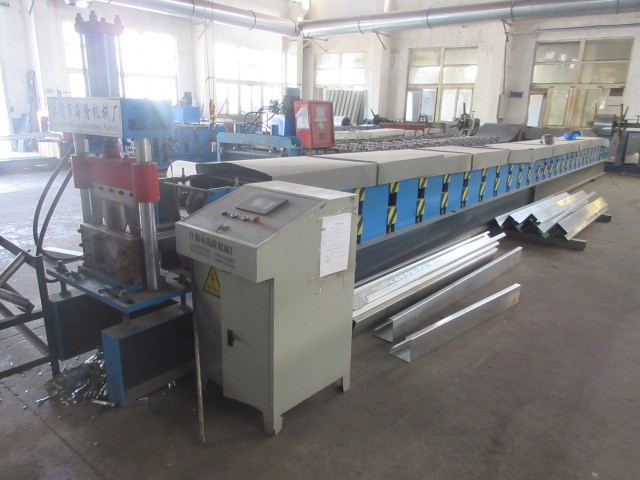
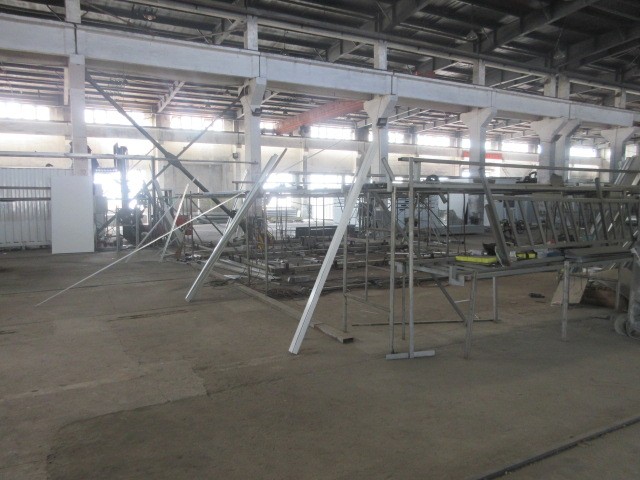
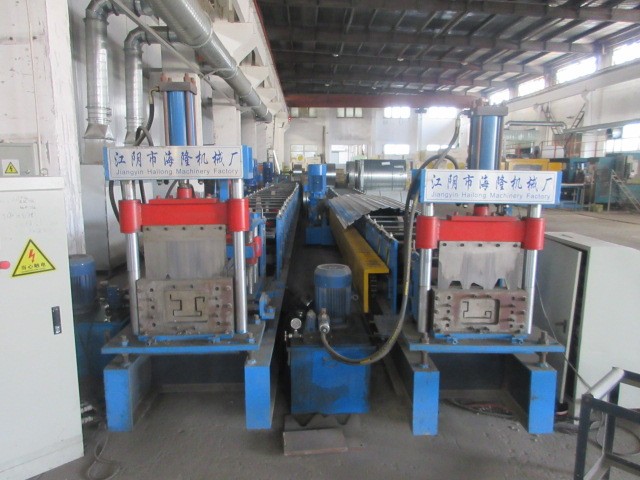
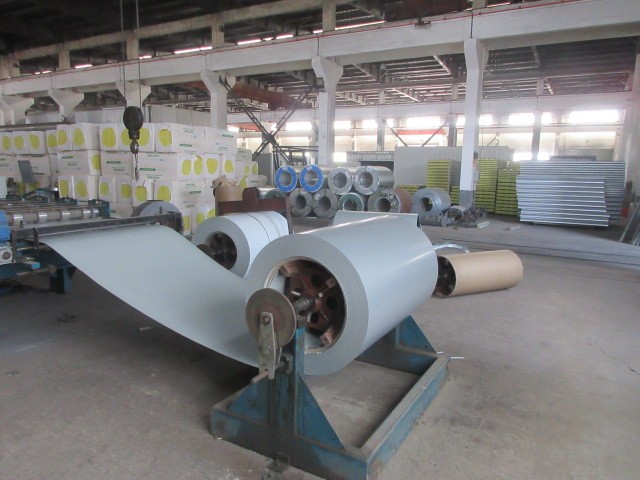
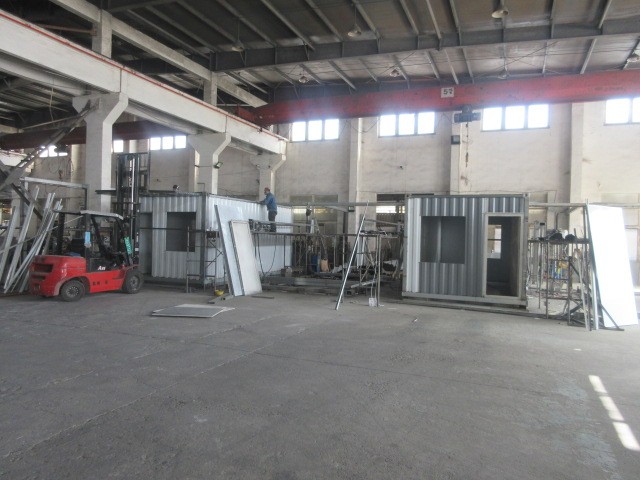
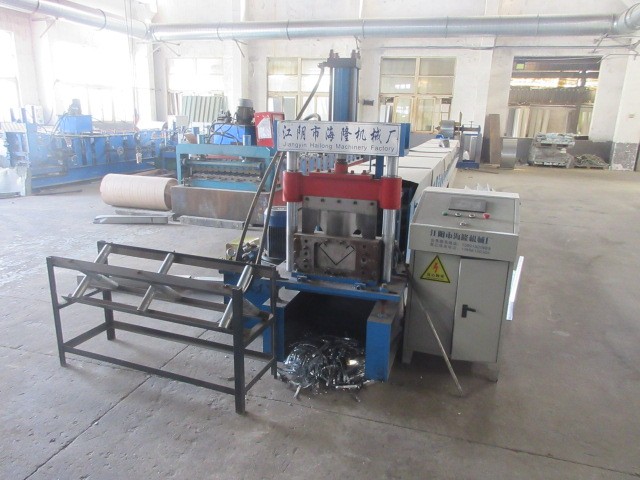
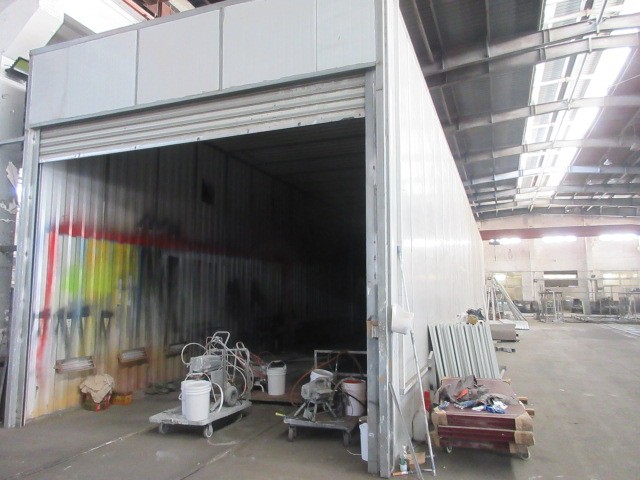
Take a closer look at our production floor. Here, raw steel is processed, pre-assembled, welded, and detailed to produce high-performance prefabricated building units.
Find authoritative answers regarding engineering standards, structural customizability, manufacturing timelines, and localized logistics for modular building systems.
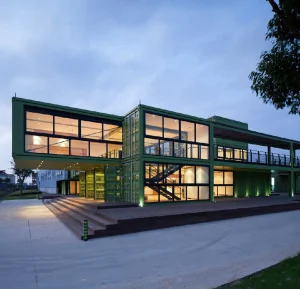
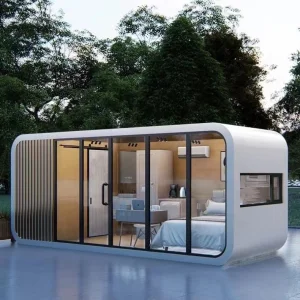
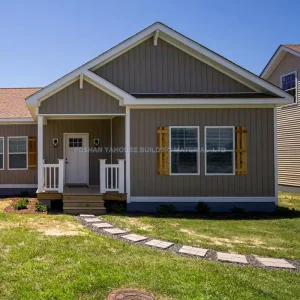
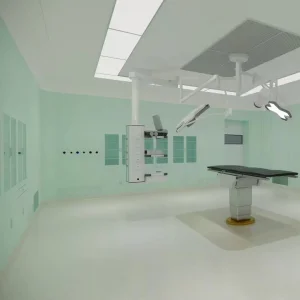
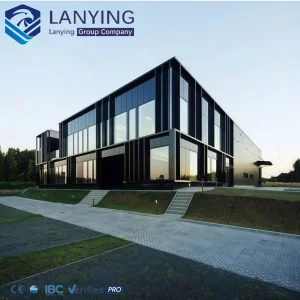
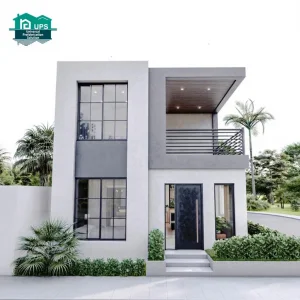
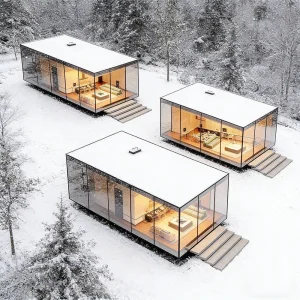
Review our high-performance clinical spaces, luxury capsule accommodations, industrial warehouses, and double-decker structural options built for demanding global applications.
 SES House