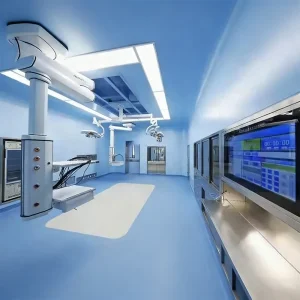
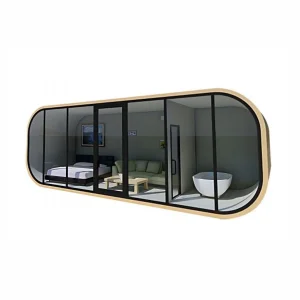
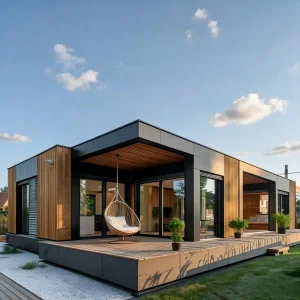
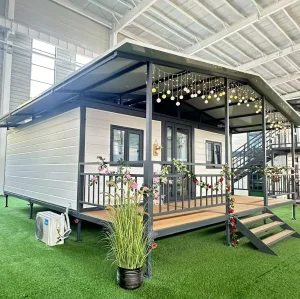
Explore the first tier of our high-performance modular units designed for rapid deployment, high thermal efficiency, and structurally sound commercial spaces globally.
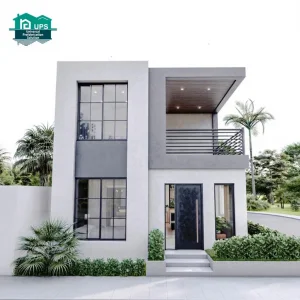
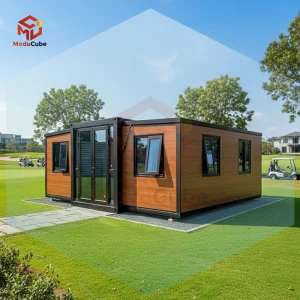
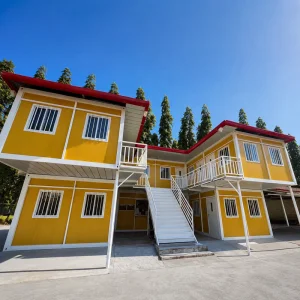
The global demand for commercial real estate is undergoing a structural transition. Developers, corporate entities, and public sector groups are actively bypassing traditional construction methodologies in favor of factory-built, relocatable, and high-performance volumetric solutions.
Compact Business Spaces (CBS)—defined as prefabricated, precision-engineered building units configured for dynamic commercial, logistics, and healthcare applications—represent a fundamental shift in asset utilization. Under current inflationary pressures, high labor costs, and restrictive local permitting timelines, off-site construction reduces onsite assembly times by up to 60% and total project carbon emissions by approximately 40%.
Industrial sectors are scaling operations rapidly by leveraging structural steel framework platforms and sandwich panel systems. In North America and Europe, the growth is fueled by zoning flexibility. Volumetric modules, capsule offices, and modular health infrastructure can often be classified as temporary or relocatable structures, significantly lowering regulatory barriers compared to permanent reinforced concrete projects.
High-performance compact business spaces must meet rigorous thermal, load-bearing, and structural criteria. Unlike simple shipping container conversions, advanced OEM factories employ customized cold-formed thin-walled steel structures designed using computerized Finite Element Analysis (FEA).
“Thermal bridging remains the primary failure mode in steel-framed modular projects. State-of-the-art modular manufacturers utilize thermal break technology and polyurethane (PU) or high-density rock wool core sandwich panels to secure high R-values and minimize energy loss.”
Standard configurations utilize hot-dip galvanized structural profiles (Q235B or Q355B steel), providing seismic resistance capacity up to Magnitude 8.0 and wind resistance up to Class 11 (110–120 km/h) as standard engineering defaults.
Energy efficiency is dictated by the thermal performance values of the boundary panels. The choice of insulation directly impacts heating and cooling costs over the operational life-cycle.
Foshan SES House Co., Ltd. is a leading Modular House Manufacturer | Prefabricated Homes, Container Houses & Steel Structure Buildings dedicated to providing innovative, efficient, and sustainable building solutions for clients worldwide. With extensive experience in prefabricated construction, the company serves residential, commercial, industrial, educational, healthcare, and infrastructure sectors through high-quality modular building systems.
Located in Foshan, China, SES House operates advanced manufacturing facilities equipped with modern production technologies and strict quality management systems. The company specializes in the design, engineering, manufacturing, and installation of a wide range of modular structures, including prefabricated homes, container houses, steel structure buildings, modular villas, portable houses, worker camps, modular offices, educational facilities, healthcare buildings, and customized commercial projects.
SES House offers comprehensive OEM, ODM, and project-based solutions tailored to the specific requirements of developers, contractors, government agencies, and private enterprises. From architectural planning and structural design to manufacturing, transportation, and on-site assembly support, the company delivers complete turnkey modular construction services. Every project is engineered to achieve durability, safety, energy efficiency, and rapid deployment.
Quality and innovation are at the core of the company's operations. By utilizing premium steel structures, environmentally friendly materials, and precision manufacturing processes, SES House ensures reliable building performance while reducing construction time and labor costs compared to traditional construction methods.
The company has successfully supplied modular building solutions to customers across North America, Europe, Australia, Southeast Asia, Africa, and the Middle East. Supported by professional project management, competitive pricing, flexible customization capabilities, and responsive customer service, SES House continues to build long-term partnerships with clients around the globe.
Foshan SES House Co., Ltd. remains committed to advancing modern construction through smart modular technologies, sustainable development practices, and high-quality prefabricated building solutions that meet the evolving needs of global markets.
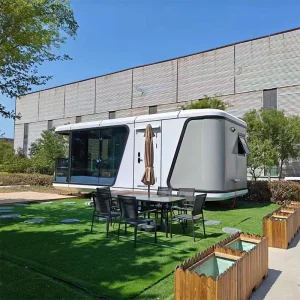
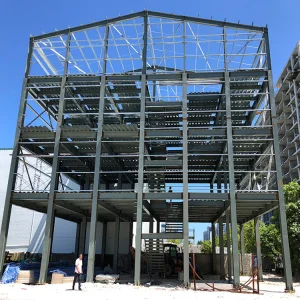
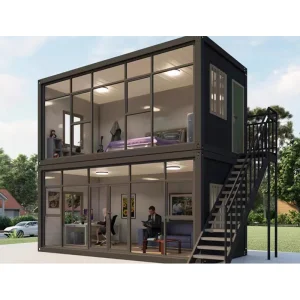
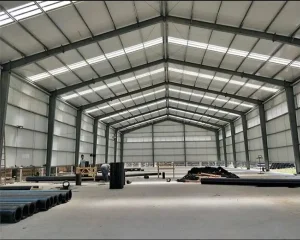
Visual proof of structural pre-assembly, materials integration, and heavy steel fabrication inside our high-tech manufacturing plants.
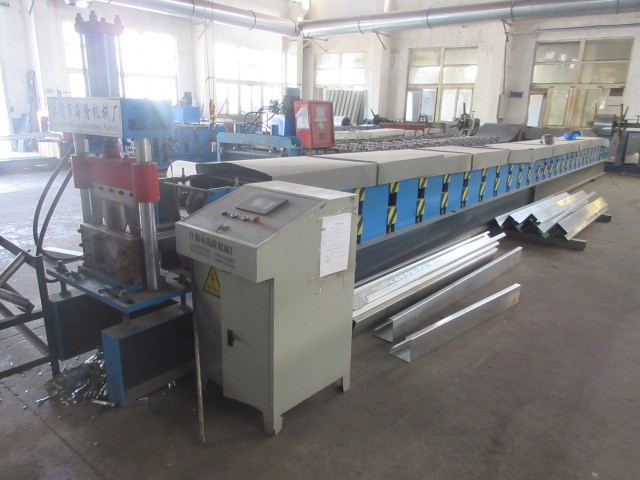
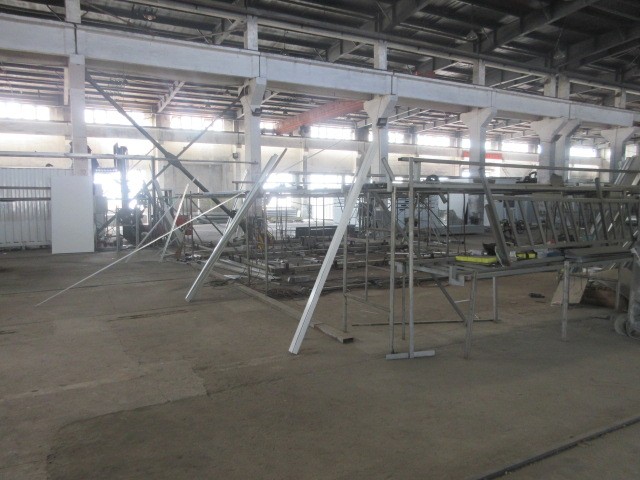
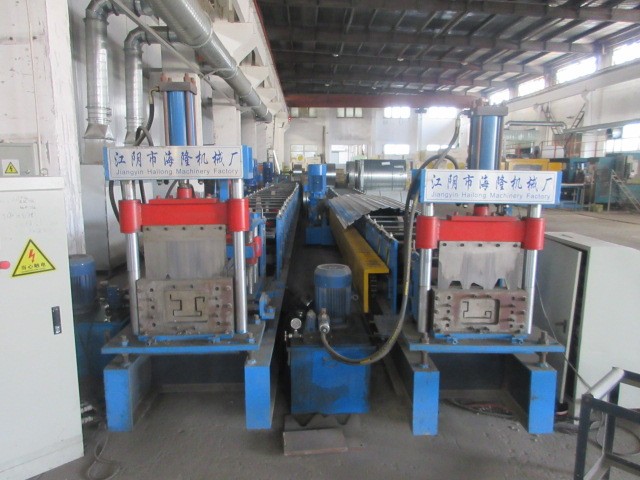
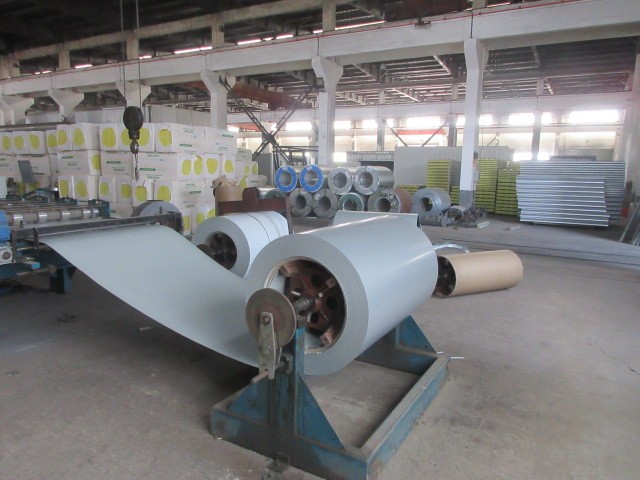
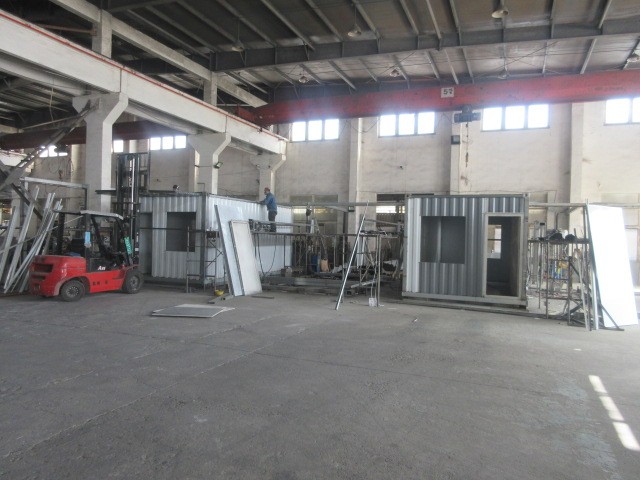
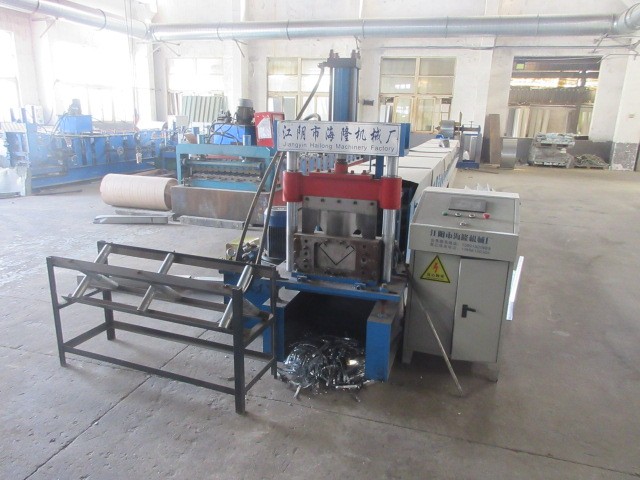
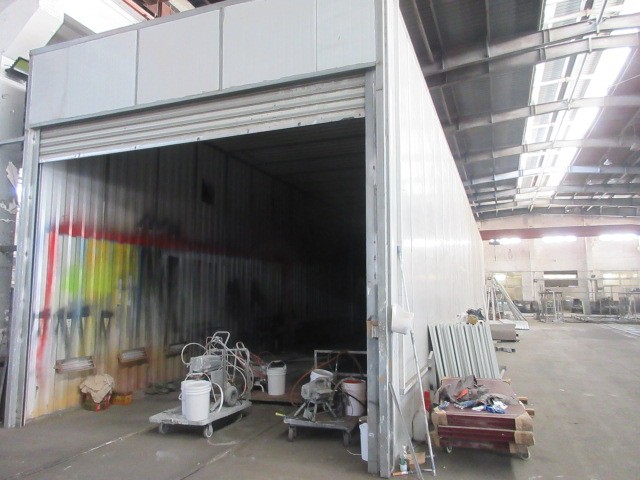
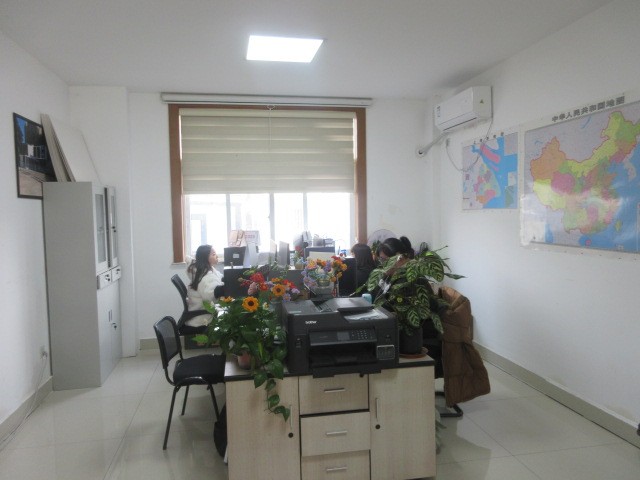
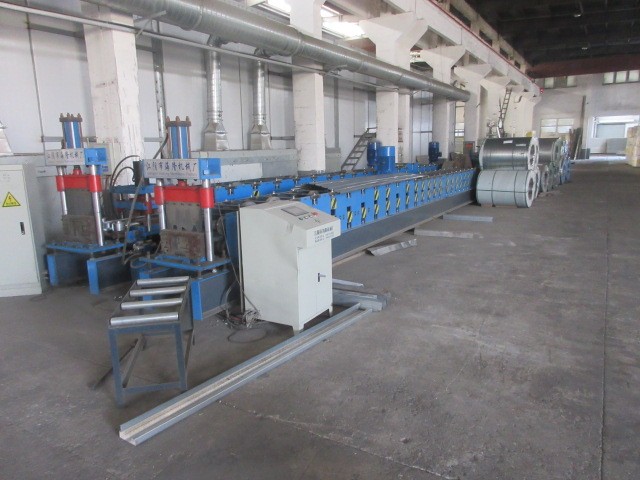
Procuring compact business spaces requires navigation of diverse localized regulatory landscapes. Prior to dispatch from the Foshan factory, structural engineering models are cross-referenced with international building guidelines to assure on-site approval.
Different destinations present unique structural and electrical demands. In the United States, modular projects must adhere strictly to the International Building Code (IBC) and local state-level modular program guidelines. In Europe, designs are certified against the Eurocodes (specifically Eurocode 3 for steel structure designs). In Australia and New Zealand, projects must conform to AS/NZS 1170 structural design requirements for wind and seismic loading.
SES House implements a mandatory dual-layer quality audit before flat-packs or pre-assembled modules are loaded into shipping containers. This includes testing of electrical conduits under wet conditions, high-pressure waterproofing tests of external joints, and dimensional tolerance checks using digital laser scanning to guarantee that connection points align perfectly during installation.
Critical engineering and commercial answers to help procurement managers evaluate modular solutions.
Our modular designs utilize heavy-gauge Q355B galvanized steel main frames. This allows them to meet structural requirements for Wind Load Zone 3 (up to 120 km/h) and Seismic Category E. In cold zones, we upgrade panel core specifications to 100mm Polyurethane (PU) with double-tongue-and-groove joint profiles, minimizing thermal bridging and eliminating condensation risks.
All wiring, distribution boxes, and plumbing systems are configured in accordance with the target country’s standards. This includes SAA/NZS certifications for Oceania, CE/EN testing protocols for Europe, and UL-listed conduits and panels for North American projects. Drawings are finalized and stamped prior to production lines being initiated.
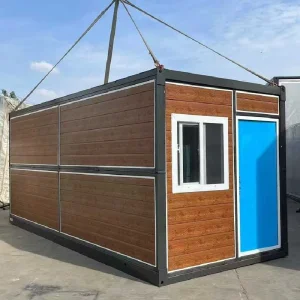
Yes. Standard structures like the Moducube and Expandable Container series are engineered with integrated corner casting blocks conforming to ISO 1161 standards. This permits rapid crane lifting, container chassis alignment, and secure twist-lock transport, facilitating dozens of disassembly and re-assembly cycles without sacrificing structural tightness.
The hot-dip galvanized structural profiles are designed for a 30-year operational lifecycle. In coastal projects with salt corrosion risks, we implement PVDF finishes or heavy anti-corrosive marine coatings. The exterior sandwich panel skins require simple annual power washes and checking of joint sealants every 5–7 years to maintain waterproofing integrity.
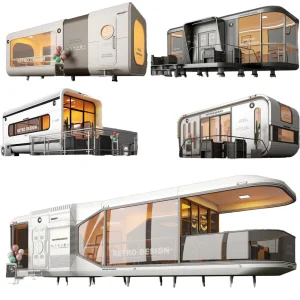
Logistics optimization is a core component of SES House planning. Flat-pack systems are engineered so that four individual flat-pack container office modules can be bundled to equal the exact dimensions of one standard 20ft ISO container, saving up to 75% in sea freight. Fully volumetric capsule models or high-end villas are shipped as specialized SOC (Shipper Owned Container) units or via flat rack containers depending on overall dimensions.
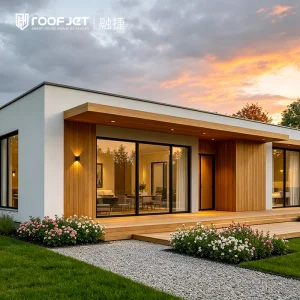
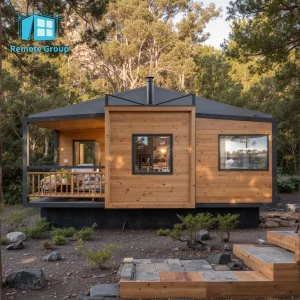
Complete catalog overview representing our high-end resorts, modular villas, customized tiny homes, and heavy steel industrial solutions.
 SES House